حقائق رئيسية
- المواعيد
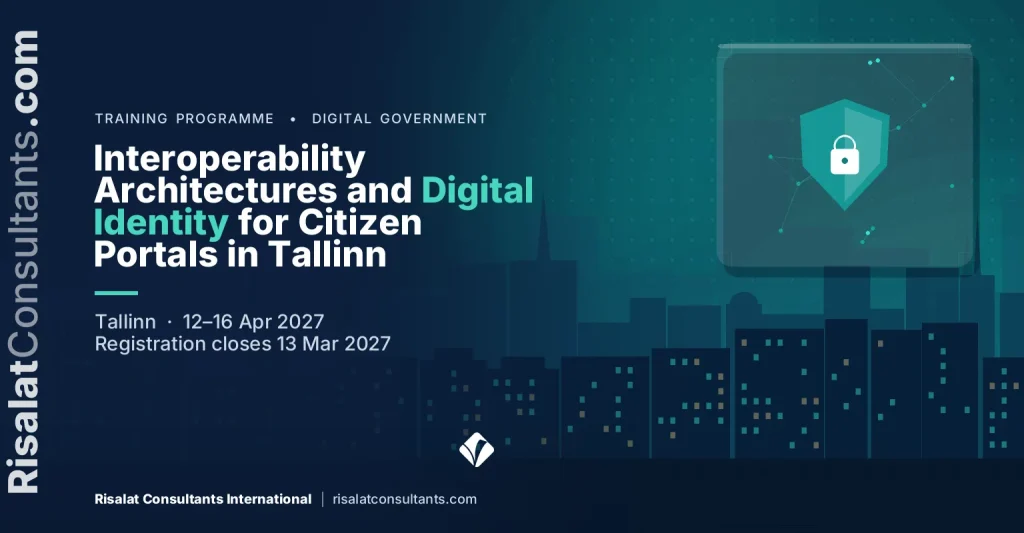
- 12–16 أبريل 2027 (5 أيام)
- المكان
- تالين، إستونيا
- الرسوم لكل مشارك
- £2,750 (جنيه إسترليني)
- الدفع
- بالفاتورة والتحويل المصرفي
- إغلاق التسجيل
- 13 Mar 2027
- لمن هذا البرنامج
- Enterprise architects from ministries of digital economy and public administration; Public sector IT directors and chief technology officers; Digit…
- الشهادة
- شهادة إتمام
- الخيار المؤسسي
- نفّذه لفريقك، في المواعيد التي تناسبك
في هذه الصفحة 13 قسماً
نظرة عامة على البرنامج
Modernising public service delivery requires robust national interoperability architectures and secure digital identity frameworks. This five-day executive programme in Tallinn provides enterprise architects and digital transformation leads with technical blueprints to integrate fragmented government databases into unified citizen portals. Drawing upon tested European approaches, participants study how to establish high-trust, data-driven public services that adhere strictly to international standards, including the European Interoperability Framework and open data protocols, ensuring that whole-of-government digital initiatives achieve resilience, operational efficiency, and cross-agency coherence.
The curriculum addresses the structural challenges of legacy migration, distributed data exchange, and digital identity management. Through detailed architectural reviews, participants evaluate decentralised data layers, open-source secure data highways such as X-Road, and federated eID mechanisms conforming to eIDAS technical specifications. Attendees examine API gateway design, semantic data harmonisation, and access-control governance to replace proprietary departmental silos with interoperable digital ecosystems. The training balances system engineering with public-sector compliance, highlighting data privacy, auditability, and service continuity across high-transaction citizen-facing platforms.
Delivered through a structured analytical approach, this course enables public sector architects to map, procure, and supervise enterprise transformations within donor-funded portfolios. Participants leave equipped to formulate national enterprise architecture blueprints, develop API management strategies, and implement mutual trust models between line ministries. By contextualising architectural principles to complex sovereign environments, the programme assists institutional teams to design citizen portals that streamline administrative workflows, enhance transparency, and uphold the highest tier of security across national public digital infrastructure.
Public administrations across the Middle East, particularly those driving service modernisation under the Jordan People-Centric Digital Government Programme for Results, face imperative mandates to integrate public services into unified digital portals. Executing these digital modernisation programmes requires immediate capability to design secure interoperability frameworks, deprecate legacy silos, and institute trusted national electronic identities. Without standardised API management and verified cross-agency data exchange, donor-financed public sector reforms risk duplicative capital expenditure, fragmented user journeys, and vulnerability to cybersecurity incidents across core sovereign infrastructure.
يُقدّم هذا البرنامج Risalat Consultants International في تالين (إستونيا)، ويجمع بين جلسات يقودها خبراء ودراسة حالات واقعية والعمل الجماعي، ليتمكن المشاركون من تطبيق ما يتعلمونه في مؤسساتهم.
The Programme Strengthens Institutional Capability
- Foundations of whole-of-government enterprise architecture and the European Interoperability Framework (EIF)
- Decentralised vs centralised architectures: evaluating security, ownership, and fault tolerance in public registries
- Technical analysis of the X-Road data exchange protocol: security servers, trust service providers, and central registries
- Defining base registries: authentic data sources for civil status, business incorporation, and real estate
- Architecture review: designing non-repudiation and timestamping mechanisms for cross-agency transactions
- National digital identity topologies: PKI cards, mobile IDs, and cryptographic app-based authenticators
- Applying eIDAS regulations and ISO/IEC 29115 levels of assurance to citizen authentication
- Identity federation mechanisms: SAML 2.0, OpenID Connect (OIDC), and decentralised identity considerations
- الاستراتيجية الرقمية وتخطيط التحول
- حوكمة البيانات وجودتها
- تحليل البيانات وتصويرها مرئياً
- أساسيات الأمن السيبراني وإدارة المخاطر
It is designed for enterprise architects from ministries of digital economy and public administration, public sector IT directors and chief technology officers, digital transformation project leads managing national citizen portals and others who want practical, current skills in digital government, data and technology.
The Growing Importance of Interoperability Architectures and Digital Identity for Citizen Portals in Tallinn
تُغيّر الخدمات الرقمية والبيانات والتقنيات الجديدة طريقة عمل المؤسسات وطريقة خدمة المواطنين. فإذا أُحسن تطبيقها جعلت الخدمات أسرع وأقل تكلفة وأكثر شفافية، وإذا أُسيء تطبيقها أهدرت الأموال وعرّضت البيانات للخطر.
تحتاج المؤسسات إلى أشخاص قادرين على تخطيط التغيير الرقمي، وإدارة البيانات بمسؤولية، وحماية الأنظمة، واستخدام الأدلة المستمدة من البيانات في القرارات. وباتت هذه المهارات مطلوبة في جميع الوظائف، لا في تقنية المعلومات وحدها.
تحتاج المؤسسات بشكل متزايد إلى مهنيين قادرين على:
- تخطيط مبادرات رقمية تحل مشكلات حقيقية
- إدارة جودة البيانات وحمايتها ومشاركتها
- تحليل البيانات وعرضها بوضوح
- إدارة المخاطر السيبرانية والتقنية
- قيادة الأفراد خلال التغيير الرقمي
تساعد الأنظمة القوية في الحكومة الرقمية والبيانات والتكنولوجيا المؤسسات على:
- تقديم خدمات أسرع وأيسر وصولاً
- تحسين استخدام البيانات في القرارات
- حماية الأنظمة والبيانات الشخصية
- تحقيق القيمة من الاستثمارات التقنية
This Interoperability Architectures and Digital Identity for Citizen Portals in Tallinn programme brings these elements together in a practical format, so that participants understand not only what good practice looks like but also how to introduce it in their own setting, with the people and resources they have.
Who Should Attend This Interoperability Architectures and Digital Identity for Citizen Portals in Tallinn Training?
صُمم هذا البرنامج من أجل:
- Enterprise architects from ministries of digital economy and public administration
- Public sector IT directors and chief technology officers
- Digital transformation project leads managing national citizen portals
- Integration engineers and database administrators in line ministries
- Technical coordinators of donor-financed e-government investments
- Cybersecurity officers overseeing public digital identity and access governance
- Interoperability framework specialists within central government agencies
- Government data governance managers and semantic standards leads
- Senior technical advisors to modernising civil registry and tax administrations
- مديرو وموظفو تقنية المعلومات والاتصالات
- قادة التحول الرقمي
- محللو البيانات والإحصائيون
يناسب البرنامج المهنيين ذوي الخبرة وكذلك من ينتقلون إلى مسؤوليات جديدة. ونشجع المجموعات التي تضم مؤسسات ودولاً مختلفة، لأن المشاركين يتعلمون الكثير من تجارب بعضهم بعضاً.
حدّد ما يحتاج فريقك إلى القدرة على إنجازه.
Interoperability Architectures and Digital Identity for Citizen Portals in Tallinn Training Objectives
Upon successful completion of this Interoperability Architectures and Digital Identity for Citizen Portals in Tallinn Training, participants will be able to:
- Analyse national interoperability frameworks using the European Interoperability Framework (EIF) conceptual model
- Design secure distributed data-exchange pipelines employing architectural principles derived from the X-Road ecosystem
- Formulate federated digital identity architectures aligned with eIDAS standards and Level of Assurance (LoA) specifications
- Construct enterprise API gateway policies incorporating OAuth 2.0, OpenID Connect, and mutual TLS authentication
- Map legacy database schemas to national semantic standards and unified data dictionaries for cross-agency exchange
- Develop architectural roadmaps for citizen portal integration that uphold GDPR and national data protection mandates
- Draft functional and technical terms of reference for procuring donor-financed digital government interoperability platforms
- شرح الاتجاهات الرئيسية في الحكومة الرقمية واستخدام البيانات
- تخطيط مبادرة رقمية مرتبطة بأهداف الخدمات
- تطبيق مبادئ حوكمة البيانات وجودتها
يُطبَّق كل هدف خلال البرنامج من خلال التمارين أو دراسات الحالة أو العمل الجماعي، بحيث يغادر المشاركون وهم قادرون على تنفيذه، لا على وصفه فحسب.
محتوى البرنامج وهيكله
- Foundations of whole-of-government enterprise architecture and the European Interoperability Framework (EIF)
- Decentralised vs centralised architectures: evaluating security, ownership, and fault tolerance in public registries
- Technical analysis of the X-Road data exchange protocol: security servers, trust service providers, and central registries
- Defining base registries: authentic data sources for civil status, business incorporation, and real estate
- Architecture review: designing non-repudiation and timestamping mechanisms for cross-agency transactions
- National digital identity topologies: PKI cards, mobile IDs, and cryptographic app-based authenticators
- Applying eIDAS regulations and ISO/IEC 29115 levels of assurance to citizen authentication
- Identity federation mechanisms: SAML 2.0, OpenID Connect (OIDC), and decentralised identity considerations
- Citizen consent management: designing user-centric privacy controls and logging mechanisms
- Trust service infrastructure: root certificate authorities, time-stamping authorities, and validation services
- API governance frameworks: RESTful design principles, OpenAPI specifications, and legacy SOAP wrapping
- Enterprise API gateways: rate limiting, payload validation, traffic routing, and policy enforcement
- Transport layer security: mutual TLS (mTLS), end-to-end encryption, and key lifecycle management
- Legacy modernisation strategies: database encapsulation, strangler fig patterns, and asynchronous messaging
- Hands-on architectural review: connecting an unstandardised relational database to a secure exchange layer
- Semantic interoperability: developing core data dictionaries, ontologies, and W3C DCAT-AP metadata profiles
- The Once-Only Principle (OOP): structural requirements, cross-border precedents, and national application
- Citizen portal service aggregation: micro-frontend architectures and event-driven backends
- Service design and personalisation: unified notifications, document vaults, and digital mailbox structures
- Auditability and transparency: technical architectures for tracking public official data queries
- Legal and regulatory frameworks: alignment with data protection regulations and sovereign cybersecurity laws
- Cyber defence of public digital infrastructure: mitigating single points of failure and distributed attacks
- Developing technical specifications and procurement strategies for World Bank and donor-funded projects
- Enterprise change management: incentivising line ministry adoption and institutional interoperability compliance
- Participant presentations: national enterprise architecture transition plans and roadmap evaluation
المحتوى الكامل يوماً بيوم
يمتد البرنامج على 5 أيام. ويجمع كل يوم بين مداخلات الخبراء والعمل التطبيقي وورشة عمل أو دراسة حالة ختامية:
- First Day: National Interoperability Principles and Distributed Data Exchange
- Second Day: Digital Identity, Trust Services, and Authentication Frameworks
- Third Day: Secure API Management, Gateways, and Legacy Integration
- Fourth Day: Semantic Interoperability and Citizen Portal Front-End Architecture
- Fifth Day: Institutional Governance, Cybersecurity, and Project Execution
المحتوى الكامل يوماً بيوم
First Day | National Interoperability Principles and Distributed Data Exchange
- Foundations of whole-of-government enterprise architecture and the European Interoperability Framework (EIF)
- Decentralised vs centralised architectures: evaluating security, ownership, and fault tolerance in public registries
- Technical analysis of the X-Road data exchange protocol: security servers, trust service providers, and central registries
- Defining base registries: authentic data sources for civil status, business incorporation, and real estate
- Architecture review: designing non-repudiation and timestamping mechanisms for cross-agency transactions
Workshop: National Interoperability Principles and Distributed Data Exchange: Applying It to Your Institution
يعمل المشاركون في مجموعات صغيرة على تطبيق أساليب اليوم على أمثلة من مؤسساتهم، ويتفقون على خطوات عملية تالية.
Second Day | Digital Identity, Trust Services, and Authentication Frameworks
- National digital identity topologies: PKI cards, mobile IDs, and cryptographic app-based authenticators
- Applying eIDAS regulations and ISO/IEC 29115 levels of assurance to citizen authentication
- Identity federation mechanisms: SAML 2.0, OpenID Connect (OIDC), and decentralised identity considerations
- Citizen consent management: designing user-centric privacy controls and logging mechanisms
- Trust service infrastructure: root certificate authorities, time-stamping authorities, and validation services
Workshop: Digital Identity, Trust Services, and Authentication Frameworks: Applying It to Your Institution
يعمل المشاركون في مجموعات صغيرة على تطبيق أساليب اليوم على أمثلة من مؤسساتهم، ويتفقون على خطوات عملية تالية.
Third Day | Secure API Management, Gateways, and Legacy Integration
- API governance frameworks: RESTful design principles, OpenAPI specifications, and legacy SOAP wrapping
- Enterprise API gateways: rate limiting, payload validation, traffic routing, and policy enforcement
- Transport layer security: mutual TLS (mTLS), end-to-end encryption, and key lifecycle management
- Legacy modernisation strategies: database encapsulation, strangler fig patterns, and asynchronous messaging
- Hands-on architectural review: connecting an unstandardised relational database to a secure exchange layer
Case Study: Secure API Management, Gateways, and Legacy Integration in Practice
يحلل المشاركون حالة واقعية، ويقارنون الخيارات المتخذة بالممارسات الجيدة، ويستخلصون دروساً يمكنهم تطبيقها في بيئة عملهم.
Fourth Day | Semantic Interoperability and Citizen Portal Front-End Architecture
- Semantic interoperability: developing core data dictionaries, ontologies, and W3C DCAT-AP metadata profiles
- The Once-Only Principle (OOP): structural requirements, cross-border precedents, and national application
- Citizen portal service aggregation: micro-frontend architectures and event-driven backends
- Service design and personalisation: unified notifications, document vaults, and digital mailbox structures
- Auditability and transparency: technical architectures for tracking public official data queries
Workshop: Semantic Interoperability and Citizen Portal Front-End Architecture: Applying It to Your Institution
يعمل المشاركون في مجموعات صغيرة على تطبيق أساليب اليوم على أمثلة من مؤسساتهم، ويتفقون على خطوات عملية تالية.
Fifth Day | Institutional Governance, Cybersecurity, and Project Execution
- Legal and regulatory frameworks: alignment with data protection regulations and sovereign cybersecurity laws
- Cyber defence of public digital infrastructure: mitigating single points of failure and distributed attacks
- Developing technical specifications and procurement strategies for World Bank and donor-funded projects
- Enterprise change management: incentivising line ministry adoption and institutional interoperability compliance
- Participant presentations: national enterprise architecture transition plans and roadmap evaluation
Capstone Exercise: Interoperability Architectures and Digital Identity for Citizen Portals in Tallinn Action Plan for Your Institution
يجمع المشاركون حصيلة الأسبوع في خطة عمل لمؤسساتهم، تتضمن الأولويات والمسؤولين والخطوات الأولى، ثم يعرضونها لتلقي ملاحظات الزملاء والميسّرين.
- الجمع
- التنقية
- التخزين
- التحليل
- القرار
Interoperability Architectures and Digital Identity for Citizen Portals in Tallinn Training Methodology
The course uses an intensive systems-engineering methodology combining structural lectures, technical architectural teardowns, and peer design sessions. Participants dissect real-world public administration deployments, inspect API schemas, and evaluate reference architectures against their national contexts. Daily working groups allow teams to iteratively design an interoperability transition blueprint for an assigned citizen service, receiving immediate feedback on scalability, security posture, and compliance with international standards.
يجمع البرنامج بين:
- جلسات يقودها خبراء حول الممارسات الحالية
- دراسات حالة إقليمية ودولية
- عمل جماعي وتمارين عملية
- محاكاة ولعب أدوار حسب الحاجة
- مناقشة التحديات الخاصة بالمشاركين
- التعلم من الأقران عبر المؤسسات والدول
- أدوات ونماذج عملية تعود بها إلى العمل
- تأمل يومي وتخطيط للعمل
قبل البرنامج، يساعد تقييم مسبق قصير الميسّرين على فهم دور كل مشارك وأولوياته، بحيث يمكن تكييف الأمثلة والتمارين مع المجموعة. ويُختتم كل يوم بتأمل قصير يدوّن فيه المشاركون ما سيطبقونه في العمل.
النتائج المتوقعة
Upon completion of this Interoperability Architectures and Digital Identity for Citizen Portals in Tallinn Training, participants will be able to:
- Produce a comprehensive target architecture document for a unified national citizen services portal
- Implement federated identity and access management schemes meeting defined international assurance standards
- Formulate transition patterns that successfully bridge legacy ministry databases to modern data-exchange buses
- Design API governance policies ensuring data validation, security, and auditing across cross-sector stakeholders
- Draft technical and compliance specifications for donor-financed procurement of public sector middleware
- Establish structured semantic data models that enforce the Once-Only Principle across multiple public bodies
- تخطيط مبادرات رقمية مرتبطة بأهداف الخدمات
- تطبيق مبادئ حوكمة البيانات وجودتها
يغادر المشاركون بخطة عمل شخصية وأدوات عملية يمكنهم استخدامها في مؤسساتهم منذ الأسبوع الأول من عودتهم. ويمكن للمؤسسات التي ترسل عدة مشاركين الاستفادة من البرنامج للاتفاق على أساليب ونماذج مشتركة بين الفرق، مما يسهّل استدامة التحسينات.
£2,750 لكل مشارك · فاتورة وتحويل مصرفي · خصم للمجموعات المكوّنة من 5 مشاركين أو أكثر
خمسة مشاركين أو أكثر من مؤسسة واحدة: اطلبوا سعر المجموعة عند طلب الفاتورة.
عشرة مشاركين أو أكثر: قد تكون تكلفة النسخة الداخلية لمؤسستك أقل للفرد الواحد. اطلب عرض سعر للتدريب الداخلي.
Registration closes in 120 days (13 Mar 2027)
Institutional Application of Interoperability Architectures and Digital Identity for Citizen Portals in Tallinn Training
يدعم هذا البرنامج المؤسسات في تعزيز:
- الاستراتيجية الرقمية
- حوكمة البيانات
- القرارات القائمة على البيانات
- الأمن السيبراني
- إدارة التكنولوجيا
يعود المشاركون بأدوات عملية لتحسين:
- سجلات جرد البيانات
- لوحات المتابعة
- سجلات المخاطر
- شراء التقنيات
- خطط التغيير
صُمم البرنامج بحيث ينتقل التعلم من قاعة التدريب إلى المؤسسة. ويعمل المشاركون على عملياتهم ووثائقهم الخاصة كلما أمكن، ويغادرون بخطة عمل يمكن لمديريهم مراجعتها ودعمها.
الأهمية الإقليمية والتطبيق
أوروبا
تطبّق المؤسسات الأوروبية الحكومة الرقمية والبيانات والتكنولوجيا ضمن أطر تنظيمية مفصّلة وأجندات إصلاحية. ويمكن للمشاركين من أوروبا مقارنة ممارساتهم بممارسات زملائهم من مناطق أخرى، واختبار مدى نجاح الأساليب الراسخة في ظروف مختلفة.
أفريقيا
في أنحاء أفريقيا، تعمل الوزارات والهيئات وفرق المشاريع العاملة في الحكومة الرقمية والبيانات والتكنولوجيا بشكل متزايد إلى جانب برامج ممولة من الجهات المانحة تتطلب أنظمة وأدلة واضحة. ويساعد البرنامج المشاركين على تكييف الممارسات الجيدة مع المؤسسات والموارد التي يعملون بها.
الشرق الأوسط
في الشرق الأوسط، تفرض استراتيجيات التنمية الوطنية وخطط التنويع متطلبات متزايدة في مجالات الحكومة الرقمية والبيانات والتكنولوجيا. ويستكشف المشاركون كيفية بناء القدرات التي تحتاجها هذه الخطط داخل الجهات العامة والشركات.
آسيا
تجمع المؤسسات في أنحاء آسيا بين النمو السريع وبرامج التحديث الطموحة. ويمكن للمشاركين من آسيا تبادل خبراتهم في التوسع السريع في الأنظمة والتعلم من المناهج المتبعة في أماكن أخرى.
المحيط الهادئ
تواجه الدول الجزرية الصغيرة ودول المحيط الهادئ قيوداً خاصة تتعلق بالحجم والمسافة والقدرات. ويسلط البرنامج الضوء على مناهج عملية ومتناسبة في الحكومة الرقمية والبيانات والتكنولوجيا تلائم المؤسسات الأصغر حجماً.
يتيح انعقاد البرنامج في تالين بإستونيا للمشاركين الابتعاد عن ضغوط عملهم اليومي، ليقارنوا طرق التعامل مع الحكومة الرقمية والبيانات والتكنولوجيا في سياقات مختلفة. ويمكن أيضاً تقديم البرنامج نفسه داخلياً لمؤسسة واحدة، في بلدها أو عبر الإنترنت، مع حالات مستمدة من عملها الحالي.
لمحة عن البلد المضيف – إستونيا
Tallinn provides an effective setting for training programmes focused on e-governance, public sector digitalisation, cybersecurity and modern administrative reform.
تمنح الدراسة خارج البلد الأصلي المشاركين وقتاً للتركيز، ونظرة جديدة إلى مؤسساتهم، وفرصة لبناء شبكة علاقات مع زملاء من دول أخرى.
Interoperability Architectures and Digital Identity for Citizen Portals in Tallinn Training Deliverables
يحصل المشاركون على الدعم قبل البرنامج وأثناءه وبعده، بحيث يشكّل التحضير والتعلم والمتابعة تجربة واحدة متصلة.
قبل البرنامج
- التقييم المسبق للمشاركين
- Interoperability Architectures and Digital Identity for Citizen Portals in Tallinn Readiness Assessment
- Interoperability Architectures and Digital Identity for Citizen Portals in Tallinn Resource Pack
- مواد قراءة تحضيرية
- دعم واستشارات مجانية بشأن التأشيرة
أثناء البرنامج
- الاستقبال من المطار والمساعدة عند الوصول
- إقامة مع الإفطار
- عشاء ترحيبي للتعارف
- حقيبة Risalat التدريبية (حقيبة، وقارورة، وكوب، وقميص، وقبعة، وغلاف جواز سفر، وأقلام، ودفتر، ومغناطيس وميدالية مفاتيح)
- Comprehensive Interoperability Architectures and Digital Identity for Citizen Portals in Tallinn Training Manual
- قائمة التحقق من النضج الرقمي
- نموذج جرد البيانات
- نموذج تخطيط لوحة المتابعة
- سجل المخاطر التقنية
- ورش عمل عملية ومحاكاة
- مناقشات جماعية وتعلم من الأقران
- غداء ومرطبات يومية
- الاستفادة الكاملة من مرافق مكان التدريب
- جهاز Mini Pad / جهاز لوحي مزود بمواد تعليمية رقمية
- زيارة ميدانية (حسب الاقتضاء)
- جولة ترفيهية في المدينة
بعد البرنامج
- شهادة الإتمام
- جائزة Risalat تقديراً للمشاركة في البرنامج
- مواد مرجعية بعد التدريب
- التقييم الذاتي لحوكمة البيانات
- قائمة التحقق لمراجعة المشاريع الرقمية
- الدعم بعد التدريب وإرشادات المتابعة
- تقرير البرنامج
يمكن للمؤسسات أيضاً طلب نسخة داخلية مصممة خصيصاً من هذا البرنامج، تُقدَّم في مقارها أو عبر الإنترنت. اطلب عرضاً.
Common Challenges in Interoperability Architectures and Digital Identity for Citizen Portals in Tallinn, And How This Training Helps
كيف يمكن للمؤسسات تخطيط مبادرات رقمية تحل مشكلات حقيقية؟
The programme addresses this directly on the first day (National Interoperability Principles and Distributed Data Exchange), where participants practise the methods involved and adapt them to their own institution, then build it into their action plan.
كيف يمكن للمؤسسات إدارة جودة البيانات وحمايتها ومشاركتها؟
The programme addresses this directly on the second day (Digital Identity, Trust Services, and Authentication Frameworks), where participants practise the methods involved and adapt them to their own institution, then build it into their action plan.
كيف يمكن للمؤسسات تحليل البيانات وعرضها بوضوح؟
The programme addresses this directly on the third day (Secure API Management, Gateways, and Legacy Integration), where participants practise the methods involved and adapt them to their own institution, then build it into their action plan.
كيف يمكن للمؤسسات إدارة المخاطر السيبرانية والتقنية؟
The programme addresses this directly on the fourth day (Semantic Interoperability and Citizen Portal Front-End Architecture), where participants practise the methods involved and adapt them to their own institution, then build it into their action plan.
كيف يمكن للمؤسسات قيادة الأفراد خلال التغيير الرقمي؟
The programme addresses this directly on the fifth day (Institutional Governance, Cybersecurity, and Project Execution), where participants practise the methods involved and adapt them to their own institution, then build it into their action plan.
الأسئلة الشائعة
When and where does the Interoperability Architectures and Digital Identity for Citizen Portals in Tallinn programme take place?
It runs from 12 Apr 2027 to 16 Apr 2027, in Tallinn, Estonia. The registration deadline is shown at the top of this page.
من ينبغي أن يحضر؟
The programme is designed for enterprise architects from ministries of digital economy and public administration, public sector IT directors and chief technology officers, digital transformation project leads managing national citizen portals, integration engineers and database administrators in line ministries, and others who want practical skills in digital government, data and technology.
هل سأحصل على شهادة؟
نعم. يحصل المشاركون الذين يُتمّون البرنامج على شهادة إتمام من Risalat Consultants International.
هل يمكن تقديم هذا البرنامج لمؤسستنا حصرياً؟
نعم. يمكننا تقديم نسخة مؤسسية مصممة خصيصاً في مقر مؤسستكم أو في مدينة أخرى أو عبر الإنترنت، مبنية حول حالاتكم الخاصة. استخدموا نموذج طلب العرض في هذه الصفحة.
هل أحتاج إلى خبرة سابقة في الحكومة الرقمية والبيانات والتكنولوجيا؟
لا يُشترط أي تخصص سوى الخبرة في دور ذي صلة. ويساعد تقييم مسبق قصير الميسّرين على تكييف الجلسات مع المجموعة.
Who Will Deliver This Programme
Each date is delivered by a team assigned from Risalat's expert network for this subject. For this programme we assign:
How we choose them: Experience in the region of the participants or comparable settings; Command of the financier rules that apply (World Bank, ADB, AfDB, EU, UN) where relevant; Delivery in English; other languages on request for in-house groups; No conflict of interest with participants' institutions.
Names and short CVs of the assigned experts are shared with registered participants and sponsoring organisations before the programme, on request. Are you an expert in this subject? Join our expert network.
Training courses in TallinnTechnology training courses
لماذا تالين لهذا البرنامج
Tallinn is widely recognised for digital governance and public sector innovation. Visiting officials can observe practical applications at the e-Estonia Briefing Centre and engage with national public administrative bodies. The city is easily accessible via regular flights connecting its international airport to major European transit hubs.
The Interoperability Architectures and Digital Identity for Citizen Portals in Tallinn programme in April 2027 brings together officials and professionals from across Europe, Africa, the Middle East and Asia. Sessions combine short inputs, case studies and group work on participants' own files, and the city's institutions can be added as a study visit on request.
Getting there: Lennart Meri Tallinn Airport (TLL).
تحقق مما إذا كنت بحاجة إلى تأشيرة عبر أداة التحقق من التأشيرة المجانية، واطلب خطاب دعوة بعد إتمام تسجيلك.
الموضوع نفسه في مدن أخرى
- Adaptive Cash Transfer Programme Enrolment and Payment Architecture in Geneva (Geneva)
- Digital Public Infrastructure and Cross-Agency Interoperability in Casablanca (Casablanca)
- Critical ICT Infrastructure Cybersecurity and Data Protection in London (London)
- Payment System Interoperability and Retail Financial Infrastructure in Mauritius (Mauritius)
- Digital Health Insurance Platform Architecture and PMO Operations in Tallinn (Tallinn)
- Social Registry Dynamic Expansion and Shock-Triggered Cash Delivery in Istanbul (Istanbul)
برامج أخرى في تالين
- Data Governance, Interoperability and Digital Public Infrastructure in Tallinn
- Rural Broadband Network Rollout and Open-Access Telecoms in Tallinn
- برنامج تدريبي في الحكومة الرقمية والابتكار في القطاع العام والتميز في تقديم الخدمات
- دورة تدريبية في الأمن السيبراني في الصحة الرقمية في تالين
- برنامج تدريبي في أساسيات إدارة المشاريع باستخدام Microsoft Project
- OECD (منظمة التعاون الاقتصادي والتنمية) OECD
- برنامج الأمم المتحدة الإنمائي UNDP
- شراكة التعاقد المفتوح (Open Contracting Partnership) شراكة التعاقد المفتوح (Open Contracting Partnership)
For teams and institutions
Bring your team
Teams that learn together apply more at work. Tell us how many people and how you would like to take part: we reply with a group quote within two working days.
Other dates and cities for this subject: Digital Government and Data Governance training courses (95 upcoming dates).
المزيد من الدورات التدريبية في إستونيا · جميع البرامج في أوروبا · تقويم التدريب الكامل
Plan this programme in a roadmap: why it matters, why to approve it, the dates to plan and the career it builds.