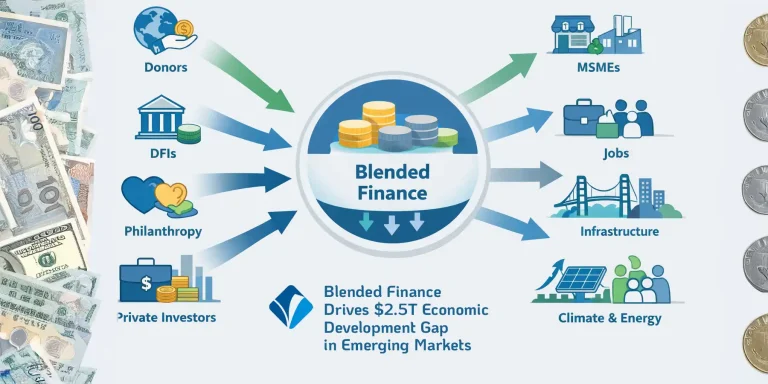

Smart municipal budgeting transforms cities from reactive spending to strategic investment, enabling sustainable growth through data-driven decisions and innovative financing approaches.
- Build collaborative foundations: Define clear roles for budget officers, department heads, and council members while aligning 3-9 year planning cycles with annual budgets for strategic coherence.
- Leverage innovative financing: Apply land value capture strategies and asset recycling to unlock capital – some regions generated $23 billion for new infrastructure through these approaches.
- Strengthen revenue collection: Digitize revenue systems and improve own-source collection – administrative reforms in Kampala increased revenues by over 100% between 2011-2015.
- Create enabling environments: Establish legal frameworks for municipal finance and build internal capacity while using credit ratings to access capital markets at lower costs.
- Use data to drive decisions: Shift from historical spending patterns to evidence-based budgeting that identifies trends, predicts demands, and aligns resources with actual community needs.
When implemented effectively, these strategies help municipalities move beyond administrative spending toward results-driven investment, creating financially resilient cities that can adapt to changing conditions and support long-term community development.
Cities need $4.5 to $5.4 trillion yearly through 2030 for infrastructure investment. This municipal budgeting challenge becomes more urgent each day.
More than half of the world’s population lives in cities today. By 2050, cities will house almost 70 percent of us. The costs of sustainable urban development are enormous. Small developing cities need $20 million to $50 million yearly to meet simple sustainability goals. Medium-sized cities require $140 million to over $500 million.
Municipal budgets are powerful tools that transform public resources into concrete development results. Many local governments still create budgets that don’t match their community’s actual needs. The private sector could provide 70% to 90% of the total funding needed to reach net zero globally. Getting access to these funds needs smart planning and fresh approaches.
Cities that adapt to change and rebuild their economic foundations show true resilience. Local governments can shift from administrative spending to result-focused investments through smart planning and budgeting. Some regions have raised $23 billion for new infrastructure by recycling assets. This shows how innovative municipal capital budgeting can create real value.
This piece shows practical municipal budgeting methods that cities can use to build stronger plans, allocate resources better, and speed up urban development. These challenges can become stepping stones toward sustainable growth.
Watch the short video below for practical insights on how strategic planning and municipal development shape sustainable city growth.
Lay the Groundwork for Smart Municipal Budgeting
Municipal budgeting success depends on a strong foundation that helps allocate resources strategically. Building this foundation requires careful focus on three elements: role definition, planning cycle alignment, and effective data use, as explored in our Municipal Development Training programs.
Define key role players in municipal budgeting process
The municipal budgeting process works best as a team effort with specific responsibilities for each participant. A Budget Officer leads the entire process from development to auditing. They compile department requests and make sure all financial standards are met. Department Heads submit their budget requests on time and support their funding needs with performance data. The City Manager/CAO looks at draft budgets and makes sure they match the governing body’s political aims.
The Mayor and Council set the priorities and review proposed budgets. They cast the final vote on the budget during public meetings. Public Input comes through citizen budget committees, workshops, and online surveys that show what the community wants and needs. When these stakeholders join budget talks, trust grows and people better understand complex money decisions, a core element of effective municipality services delivery and local governance.
Align municipal planning and budgeting cycles
Different municipal planning documents run on various schedules that need to work together for the best resource use. Comprehensive Development Plans last 6 years, while Executive Legislative Agendas match 3-year elected terms. The Local Development Investment Program lists projects for 3 years, and the Annual Investment Plan covers a single year. The Comprehensive Land Use Plan typically runs for at least 9 years.
Municipalities had no unified system for planning and budgeting before 2007. Joint Memorandum Circulars now give guidelines to blend planning, investment programming, and budgeting. This coordination helps short-term choices support the community’s long-term growth goals.
Use data to inform budget priorities
Data-driven budgeting lets officials make choices based on evidence rather than guesswork. Officials can spot trends, predict future needs, and back up their decisions with analyzed data. This method helps focus on strategic community investment instead of just balancing the books.
Data helps governments prepare for changing service needs caused by economic shifts, population changes, or emergencies. It also shows where current spending isn’t efficient, so funds can move from less-used programs to ones with better results. Community feedback helps ensure budget priorities match real needs, especially in the context of smart cities and urban transformation initiatives.
Innovative Financing Approaches in Municipal Budgeting
Cities now have powerful financial tools that go beyond traditional taxation, including investments in digital infrastructure and environmental monitoring systems, as seen in how smart cities are cutting pollution through IoT-based solutions. These innovative financing approaches help transform unused assets into revenue streams that fund critical infrastructure, a key component of smart city development strategies.
Municipal budgeting strategies must now integrate innovative financing tools to meet growing infrastructure demands.
Emerging Financing Models for Municipal Budgeting
Apply land value capture strategies
The basic contours of land value capture let cities recover and reinvest increases in land value that come from public investments and government actions. Public actions should benefit the public. Cities can employ several mechanisms to capture land value:
- Betterment contributions – Property owners pay fees that offset the cost of public improvements that benefit them directly
- Charges for building rights – Developers pay to get additional development rights and fund infrastructure improvements
- Inclusionary housing – Developers provide affordable housing to get construction rights
Land value capture creates a positive cycle when combined with good governance principles. Public investments generate value that funds future improvements. The Sabarmati Riverfront development in India shows this success. The project recovered its USD 17 million public investment by selling just 15% of reclaimed land.
Use asset recycling to discover capital
Asset recycling lets governments lease existing infrastructure to private investors. The proceeds then fund new infrastructure. This approach helps meet infrastructure investment needs that require between 2-8% of a country’s annual GDP until 2030.
India’s National Monetization Pipeline plans to raise 73 billion USD by leasing public infrastructure assets between 2022-2025. These funds will support India’s larger infrastructure investment plan. Indonesia launched its Limited Concession Scheme in 2020. Private investors can operate existing assets for up to 50 years in exchange for upfront payments.
Structure public-private partnerships effectively
The best PPPs distribute tasks, obligations, and risks between public and private partners optimally. Key commercial terms come first, followed by detailed contracts in this extended process.
Risk allocation forms the foundations of PPP structuring and determines how responsibilities and payments flow. To cite an instance, giving construction risk to private parties means they get decision-making authority over construction matters.
PPPs deliver quality infrastructure economically while using private capital to build more within existing budgets. This partnership model recognizes each sector’s strengths. The government provides capital, social responsibility, and political support. Private partners bring management expertise, operational efficiency, and innovation.
These partnerships play a critical role in strengthening municipal budgeting frameworks for long-term infrastructure investment.
Strengthening Municipal Revenue for Better Budgeting
A municipality’s financial position becomes stronger when it enhances existing revenue sources rather than creating new financing mechanisms. Strong municipal budgeting depends on reliable and sustainable revenue streams.
Optimizing Revenue Systems in Municipal Budgeting
Improve own-source revenue collection
Many local governments face significant challenges in revenue administration, which limits their own-source revenues. Administrative reforms in Kampala led to an own-source revenue increase of more than 100% between 2011 and 2015. The city achieved this success by fixing unreliable databases, outdated technology, unclear procedures, and limited tax bases.
Revenue improvement relies heavily on digitization. Kampala Capital City Authority’s electronic revenue management system (eCitie) automated their billing, reconciliation, and receipt generation. The city’s decision to manage previously outsourced collection internally doubled their road user fee revenues within a year.
Adopt asset management for underused properties
Underutilized public properties create financial burdens for municipalities. According to the Office of Management and Budget, maintaining and securing underutilized federal properties costs about 1.7 billion USD annually. Cities lose both potential property tax revenue and economic development chances when properties remain unused.
Data hubs like OpportunitySpace help municipalities standardize information about government-owned land, including square footage and assessed value. This transparency connects potential developers with public assets and expands the marketplace of development ideas.
Use municipal development funds strategically
Municipal Development Funds direct investments into urban infrastructure while building institutional capacity. These funds combine resources from donors and government counterpart contributions.
MDF assistance comes with specific conditions. Self-liquidating projects like markets, commercial refuse collection, and bus terminals must be fully financed by user charges that cover operations and debt amortization. Projects that aren’t self-liquidating require improvements in taxation.
Enabling Environment for Effective Municipal Budgeting
Cities need supportive environments that stimulate financial growth beyond specific financing mechanisms. The fundamental regulatory and institutional elements make these environments possible. These conditions are essential for effective municipal budgeting and long-term financial sustainability.
Establish legal frameworks for municipal finance
Strong legal frameworks are the life-blood of municipal finance systems that work well. These frameworks should include fiscal responsibility regulations, borrowing rules, guidelines to access financial markets, and procedures to issue bonds. They provide the legal foundation that lets municipalities gather resources on their own while they retain control of fiscal discipline.
Coordinate with national governments for support
National governments serve as vital partners in municipal development through financial assistance and policy support. National government programs have provided P8.15-billion in assistance to more than 547 municipalities. The Local Government Support Fund helps Local Development Councils become stronger partners in national development. This allows municipalities to deliver infrastructure projects that line up with national priorities.
Build internal capacity for financial planning
The core team needs proper training to ensure they can manage finances well. Capacity building covers human resource development, organizational restructuring, and institutional frameworks. Risk management helps municipalities spot financial threats and opportunities, which gives them competitive advantages.
Use credit ratings to access capital markets
Credit ratings give independent assessments of municipalities’ creditworthiness and lower borrowing costs by a lot. These standardized evaluations (using symbols like AAA) show a city’s ability to repay investors. This opens doors to global investment from international capital markets. Cities with strong ratings can access diverse funding sources and find better infrastructure development partnerships.
Conclusion
Municipal budgeting is the foundation of sustainable urban development. This piece shows how smart financial planning can turn limited resources into catalysts for city growth. Informed decision-making helps cities match their priorities with community needs instead of following historical patterns or political pressures. Cities can expand their financial capacity beyond traditional tax revenues through innovative financing tools like land value capture and asset recycling.
Budget officers, department heads, elected officials and community members must work together for effective municipal budgeting. Cities face major challenges, but well-planned cycles ensure that short-term budget decisions support long-term development goals. As a result, cities can do more than balance budgets – they can make strategic investments that create lasting value, supported by structured training in budgeting and cost control for public sector professionals.
Better municipal budgeting leads to long-term city growth. Local governments and development partners can boost their planning, fiscal management, and infrastructure readiness through structured training and support.
Reliable legal frameworks, better revenue collection, and smart asset management create conditions where cities can thrive financially. Financially strong cities adapt better to economic changes and can reinvent themselves when needed. Cities that follow these practices meet their current infrastructure needs and build financial foundations that support community development for generations.
FAQs
Q1. What are the key components of smart municipal budgeting?
Smart municipal budgeting involves defining key roles, aligning planning cycles, using data to inform priorities, tapping into innovative financing approaches, and strengthening local revenue sources. It also requires creating an enabling environment through legal frameworks, coordination with national governments, and building internal capacity.
Q2. How can cities improve their own-source revenue collection?
Cities can improve own-source revenue collection by implementing administrative reforms, digitizing revenue management systems, and addressing issues like unreliable databases and unclear procedures. For example, Kampala increased its own-source revenue by over 100% through such reforms.
Q3. What is asset recycling and how can it benefit municipalities?
Asset recycling is a strategy where governments lease or concession existing infrastructure assets to private investors and reinvest the proceeds into new infrastructure development. This approach can help municipalities unlock capital for critical infrastructure needs without increasing debt or taxes.
Q4. How do public-private partnerships (PPPs) contribute to municipal growth?
Well-designed PPPs can deliver high-quality, cost-efficient infrastructure by leveraging private capital and expertise. They allocate tasks, obligations, and risks optimally between public and private partners, allowing municipalities to increase infrastructure delivery within existing budgets.
Q5. Why are credit ratings important for municipalities?
Credit ratings provide independent assessments of a municipality’s creditworthiness, which can significantly lower borrowing costs. They offer access to global investment from international capital markets, diversify funding sources, and enhance marketability for infrastructure development partnerships.
Partners in project success since 2011, diagnostics, advisory support and applied learning for ministries, public agencies and project teams.
Need help putting this into practice?
Start with a free 10-minute diagnostic or talk to our experts.