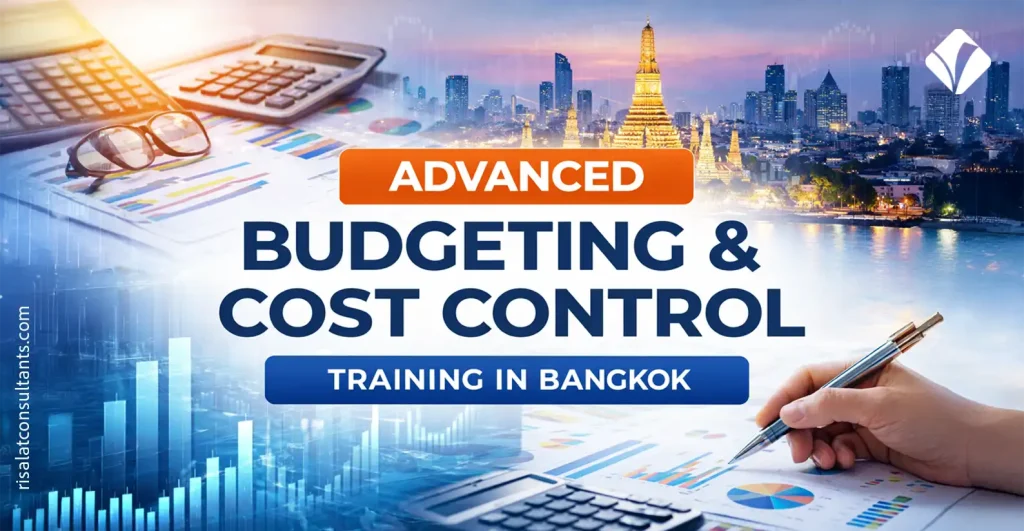
Programme Overview – Effective Budgeting and Cost Control for Strategic Planning & Financial Discipline
Practical Tools for Strategic Planning, Financial Discipline, and Performance Management
The Effective Budgeting and Cost Control Training equips finance professionals, planning officers, auditors, and programme managers with practical frameworks and tools to strengthen budgeting processes, enhance cost discipline, and align financial planning with organizational strategies.
In many public, private, and development contexts, weak budgeting, cost overruns, and lack of cost visibility hamper performance, constrain service delivery, and reduce impact. This programme bridges the gap by combining strategic budgeting concepts with applied cost control systems that support evidence-based resource allocation, performance tracking, and fiscal accountability.
Participants will learn how to design effective budget frameworks, implement cost control mechanisms, monitor spending against plans, and embed financial discipline into organizational planning cycles.
The programme reflects internationally recognized public financial management practices, including guidance promoted by the OECD’s Budgeting and Public Expenditures framework, supporting stronger fiscal governance and accountability.
For professionals focusing on integrated forecasting and multi-year planning, explore our Forecasting, Budgeting & Planning Process Training.
The training blends conceptual foundations with real-world scenarios, hands-on exercises, and tools that can be applied immediately within finance workflows and project planning systems.
Target Audience
This programme is designed for professionals across finance, planning, and operations, including:
- Budget analysts and planners
- Financial controllers and accountants
- Programme and project managers
- Internal audit and compliance officers
- Finance officers in local government and agencies
- Donor and development programme financial managers
- Heads of finance and strategic planning units
- Performance monitoring and evaluation professionals
Tick what your team needs to be able to do.
Programme Objectives – Effective Budgeting and Cost Control Skills
By the end of this Advanced Training, participants will be able to:
- Apply strategic budgeting frameworks aligned with organizational goals
- Prepare realistic and evidence-based budget plans
- Establish cost control techniques to prevent overspending
- Monitor budget execution and interpret financial reports
- Identify cost drivers and inefficiencies
- Use forecasting tools to anticipate financial pressures
- Align budgeting with performance indicators
- Strengthen coordination between planning, finance, and programme teams
- Improve institutional accountability and transparency
- Develop actionable cost control and budgeting improvement plans
Participants seeking deeper technical skills in budget drafting may also consider our Budget Preparation Skills Training.
Programme Structure & Content – Effective Budgeting and Cost Control Framework
- Budgeting theories and concepts
- Budget cycle and policy linkages
- Aligning budgets with strategic plans
- Stakeholder engagement in budgeting
- Participatory budgeting practices
- Baseline setting and expenditure profiling
- Cost driver analysis
- Zero-based vs incremental budgeting
- Forecasting and scenario planning
- Integrating multi-year budget perspectives
- Principles of cost control and fiscal discipline
- Internal control frameworks
- Budget authorization and variance monitoring
- Expense tracking systems
- Automated cost alerts and governance checkpoints
- Key budgeting and cost performance indicators
- Budget execution dashboards
- Linking financial data to programme outcomes
- Financial reporting for decision makers
- Using budget reports to improve accountability
- Case studies from public and development sector contexts
- Group work on participant budgeting challenges
- Designing institution-specific budgeting improvement plans
- Peer review and expert feedback
- Reflections and next steps
Full day-by-day contents
First Day – Strategic Budgeting & Planning Foundations
- Budgeting theories and concepts
- Budget cycle and policy linkages
- Aligning budgets with strategic plans
- Stakeholder engagement in budgeting
- Participatory budgeting practices
Second Day – Budget Formulation & Cost Estimation Techniques
- Baseline setting and expenditure profiling
- Cost driver analysis
- Zero-based vs incremental budgeting
- Forecasting and scenario planning
- Integrating multi-year budget perspectives
Third Day – Cost Control Mechanisms & Internal Controls
- Principles of cost control and fiscal discipline
- Internal control frameworks
- Budget authorization and variance monitoring
- Expense tracking systems
- Automated cost alerts and governance checkpoints
Fourth Day – Monitoring, Reporting & Performance Linkages
- Key budgeting and cost performance indicators
- Budget execution dashboards
- Linking financial data to programme outcomes
- Financial reporting for decision makers
- Using budget reports to improve accountability
Fifth Day – Applied Budgeting Lab & Institutional Action Planning
- Case studies from public and development sector contexts
- Group work on participant budgeting challenges
- Designing institution-specific budgeting improvement plans
- Peer review and expert feedback
- Reflections and next steps
Programme Methodology
This programme uses an applied and participatory learning approach combining:
- Practical facilitator-led sessions
- Financial planning case studies
- Group exercises and budgeting simulations
- Cost control scenario clinics
- Budget dashboard workshops
- Peer learning and guided discussion
- Take-home templates and checklists
Expected Outcomes of Effective Budgeting and Cost Control Training
Through this Effective Budgeting and Cost Control Training, participants enhance their ability to strengthen financial planning systems, enforce fiscal discipline, and align budgeting processes with organizational performance priorities.
- Improve budgeting accuracy and predictability
- Strengthen cost control and fiscal discipline
- Enhance budget monitoring and reporting quality
- Align financial planning with performance goals
- Reduce unplanned expenditures and variances
- Build confidence in budget execution and oversight
- Produce operational budget frameworks and improvement plans
£3,425 per participant · invoice and bank transfer · groups of 5 or more receive a discount
Five or more from one organisation: ask for the group rate on the invoice request.
Ten or more: an in-house version for your institution may cost less per person. Ask for an in-house quote.
Registration closes in 5 days (23 Oct 2026)
Institutional Application
Participants will return with practical tools, ready-to-use templates, and structured action plans that can be directly applied to improve budgeting systems, strengthen cost control mechanisms, and enhance financial accountability across departments and programmes.
See how structured budget execution reforms have improved financial discipline in our case example: Budget Execution Improved at the Local Level in Uganda.
Host City Profile – Bangkok, Thailand
Bangkok is a strategic location for regional professional development, with strong connectivity to Asia, Africa, and the Middle East. Thailand’s vibrant public and private sector ecosystems make Bangkok an ideal setting for financial management and budgeting programmes, supported by extensive expertise in public finance, governance, and regional training infrastructure.
Course Deliverables
Before the Programme
- Pre-training needs assessment
- Programme briefing and preparatory materials
- Budget readiness self-assessment tools
- Logistics and participation guidance
During the Programme
- Welcome networking session with facilitators and peers
- Accommodation with daily breakfast
- Comprehensive budgeting and cost control course manual
- Practical budgeting templates and cost control tools
- Group exercises and applied simulations
- Case study materials and worksheets
- Training stationery and branded programme materials
- Full access to learning resources and training facilities
- Peer group discussions and expert feedback sessions
- Draft budgeting frameworks and action plans
- Mini Pad / Tablet for accessing digital training materials (participants keep it)
- Daily lunch and refreshments
- Certificate of Completion
- Programme Participation Recognition Award
After the Programme
- Post-training reference materials
- Updated budgeting and cost control tools
- Guidance on implementing improved budgeting systems
- Practical recommendations for strengthening institutional budgeting processes
- Continued engagement through follow-up support
For participants managing donor-funded portfolios, our Advanced Project Cycle & Quality Assurance Training supports stronger financial oversight across project lifecycles.