Programme Overview
This intensive training is designed to strengthen the capabilities of public sector professionals in managing public finances efficiently and aligning financial resources with measurable development outcomes. It offers a comprehensive exploration of modern Public Financial Management (PFM) systems, while equipping participants with the technical and strategic skills required to implement robust Performance-Based Budgeting (PBB) frameworks. Through a blend of theory, practical tools, and real-world examples, the course emphasizes how to transition from traditional input-oriented budgeting to models that prioritize results, accountability, and value for money.
Participants will delve into global best practices in fiscal planning, budget formulation, execution, and control, along with mechanisms for enhancing transparency, expenditure efficiency, and public trust. Key focus areas include the integration of International Public Sector Accounting Standards (IPSAS), Medium-Term Expenditure Frameworks (MTEF), and Programme-Based Budgeting (PBB), alongside the use of digital solutions and dashboards for real-time data analysis and financial oversight. The course also explores cross-cutting themes such as gender-responsive budgeting, climate financing, and citizen engagement, enabling participants to craft more inclusive and impact-oriented public finance strategies.
Target Audience
This Public Financial Management and Performance Budgeting Training in Casablanca is ideal for:
- Budget Directors and Officers
- Finance Ministry and Treasury Staff
- Local Government Finance Managers
- Programme and Performance Analysts
- Auditors and Internal Controllers
- Public Sector Accountants and Planners
Programme Objectives
By the end of this Training, participants will be able to:
- Understand key components and stages of modern Public Financial Management
- Design and implement performance budgeting systems linked to development outcomes
- Apply tools such as MTEF, programme-based budgeting, and cost-benefit analysis
- Align fiscal policies with planning frameworks and national priorities
- Strengthen expenditure control, reporting, and audit readiness
- Leverage digital tools for budget tracking, forecasting, and performance reporting
Programme Contents
First Day: Foundations of Public Financial Management
- Overview of modern PFM systems and key institutional actors
- Principles of fiscal governance, transparency, and accountability
- Introduction to IPSAS and budget classification systems
- Role of internal controls and audit in the PFM cycle
Second Day: Principles and Design of Performance Budgeting
- Evolution from line-item to performance budgeting
- Results-Based Management (RBM) and performance architecture
- Setting outputs, outcomes, and indicators in budget planning
- Linking budgets to national development and SDG targets
Third Day: Strategic Budgeting Tools and MTEF
- Medium-Term Expenditure Framework (MTEF) setup and alignment
- Fiscal space analysis and revenue forecasting
- Programme-Based Budgeting (PBB) methodology
- Budget ceilings, reprioritization, and scenario planning
Fourth Day: Financial Analysis and Budget Execution
- Costing tools: cost-benefit and cost-effectiveness analysis
- Budget execution monitoring and cash management
- Variance analysis and expenditure control mechanisms
- Integration with IFMIS and treasury systems
Fifth Day: Reporting, Evaluation, and Institutionalization
- Performance reporting formats and dashboards
- Auditing performance vs. compliance
- Transparency portals and citizen engagement in budgeting
- Institutionalizing reforms: capacity, incentives, and change management
Programme Methodology
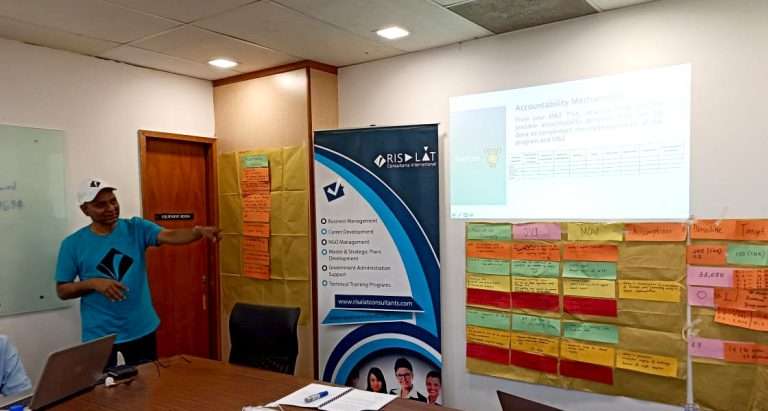
The course adopts a highly practical and participatory approach, blending expert-led presentations, interactive case studies, and group exercises. Participants will engage in hands-on simulations using widely adopted tools, including Excel-based templates, which remain foundational in many institutions for budget modeling, but also more advanced digital platforms such as Power BI, OpenGov, A1 ERP, and budget planning modules within Integrated Financial Management Information Systems (IFMIS). The training introduces participants to cloud-based dashboards, collaborative tools like Trello or Monday.com, and open-source solutions used by governments and donor agencies for performance tracking and reporting. Real-world scenarios from various countries will promote peer learning and contextual adaptation, ensuring participants leave with actionable and up-to-date tools for effective fiscal management.
£3,335 per participant · invoice and bank transfer · groups of 5 or more receive a discount
Five or more from one organisation: ask for the group rate on the invoice request.
Ten or more: an in-house version for your institution may cost less per person. Ask for an in-house quote.
Registration closes in 5 days (23 Oct 2026)
Host Country Profile
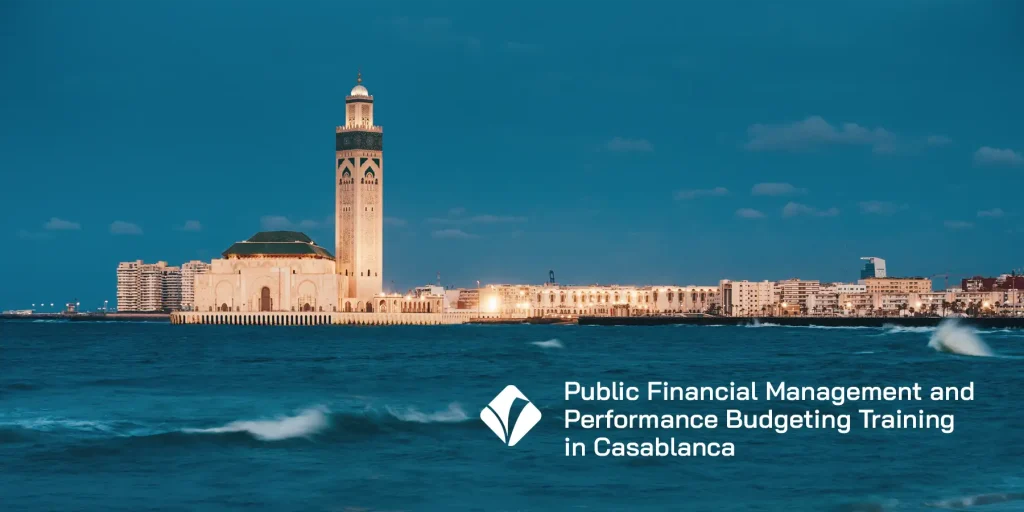
Morocco is an ideal host city for the Public Financial Management and Performance Budgeting Training due to its exceptional connectivity, modern infrastructure, and strategic position as the country’s economic hub. Home to Mohammed V International Airport the busiest in Morocco. Casablanca offers direct international flights from major cities across Africa, Europe, and the Middle East, ensuring easy access for participants. The city features world-class conference venues, a wide range of accommodation options, and reliable transport links, including high-speed rail to Rabat and Marrakech. As Morocco’s financial capital, Casablanca provides a dynamic setting for learning, networking, and engaging with public institutions, while also offering a vibrant cultural experience and coastal charm that enhances the overall training environment.
Course Deliverables
Participants will enjoy a full-service experience that covers everything needed before, during, and after the programme:
Before the Programme
- Participant Pre-Assessment to ensure effective preparation
- Complimentary Visa Support & Advisory (E-visa applications are fully processed by our team)
- Airport Pickup & Welcome Assistance
- Accommodation with Breakfast for the full duration
- Welcome Dinner for networking and connecting with fellow Participants & the Risalat Team
During the Programme
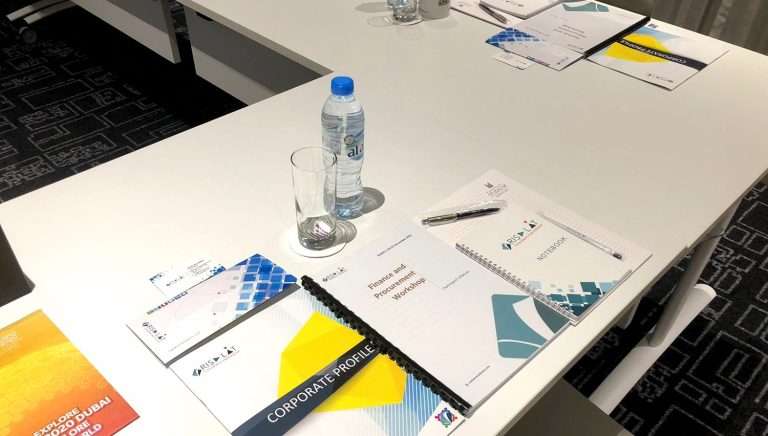
- Risalat Training Kit, including: bag, water bottle, coffee mug, t-shirt, cap, passport cover, pens, notebook, magnet, keychain
- Lunch Provided Daily during training days
- Comprehensive Course Manual & Training Materials
- Project-Based Templates, Tools, and Worksheets
- Mini Pad / Tablet for convenient access to digital resources
- Digital Case Studies, Reading Packs & Reference Materials
- Access to Sample Datasets & Practical Exercises
- Field Visit (where applicable)
- Complimentary Refreshments & Full Training Venue Facilities
- Access to Online Learning Resources
- Entertaining City Tour
- Certificate of Completion
- Risalat Programme Participation Recognition Award
After the Programme
- Post-Training Support & Follow-Up Guidance
- Programme Report