Risk-Based Financial Auditing – Programme Overview
The Risk-Based Financial Auditing & Internal Control Training in Chisinau is designed to strengthen the ability of auditors and finance professionals to move beyond checklist-driven audits toward a risk-focused, value-adding assurance approach. As organizations face increasing regulatory complexity, financial exposure, and heightened governance expectations, auditors must focus on areas of highest risk and assess whether internal controls are properly designed and operating effectively.
This programme equips participants with practical skills to identify and prioritize key financial and operational risks, evaluate internal control systems, and develop audit plans aligned with organizational objectives. Emphasis is placed on integrating risk assessment, control evaluation, audit execution, and reporting to support stronger governance, accountability, and informed decision-making. The programme also complements broader advanced public financial management practices by reinforcing audit, control, and assurance functions. The training approach reflects globally recognized risk-based auditing and internal control principles commonly applied in public sector financial oversight, including guidance issued by the International Federation of Accountants (IFAC). This training approach enables auditors to focus resources on high-impact risk areas while strengthening assurance, control effectiveness, and governance outcomes.
Target Audience
This Risk-Based Financial Auditing and Internal Control Training in Chișinău, Moldova is suitable for:
- Internal auditors and audit supervisors
- Financial and compliance auditors
- Risk management and internal control officers
- Governance, assurance, and inspection professionals
- Finance managers involved in audit coordination
- Public sector audit and control staff
- Professionals seeking to strengthen effective internal audit functions
Programme Objectives
Upon successful completion of this training programme, participants will gain a thorough understanding of:
- Understand the principles and practical application of risk-based financial auditing
- Identify and prioritize financial, operational, and compliance risks
- Integrate risk assessment into audit planning and scoping
- Evaluate the design and effectiveness of internal control systems
- Apply structured approaches to audit testing and evidence gathering
- Communicate audit findings clearly with a focus on risk and improvement
- Support management in strengthening controls and reducing exposure
- Apply risk-based financial auditing techniques to improve audit effectiveness and governance outcomes
Risk-Based Financial Auditing and Internal Control – Programme Contents
- Evolution from traditional compliance audits to risk-focused assurance
- Understanding organizational risk environments
- Key elements of effective internal control systems
- Relationship between risk management, controls, and audit planning
- Aligning audit objectives with organizational priorities
- Mapping financial and operational risks across the organization
- Assessing risk impact and likelihood
- Building a risk-based audit universe
- Prioritizing audit areas based on exposure, materiality, and risk-based supervision models
- Designing audit plans that focus on high-risk activities
- Control objectives and control activities
- Assessing control design versus control effectiveness
- Testing internal controls using practical techniques
- Identifying control weaknesses and root causes
- Linking control gaps to risk exposure
- Developing audit programmes aligned with identified risks
- Audit fieldwork techniques and documentation
- Evidence collection and audit trail management
- Addressing fraud risk and control breakdowns, including fraud risk detection and prevention
- Using audit tools to improve efficiency and consistency
- Writing audit reports that highlight risk and impact
- Formulating practical and actionable recommendations
- Communicating findings to management and oversight bodies
- Tracking implementation of corrective actions
- Embedding continuous risk review into audit activities
Full day-by-day contents
Day 1 – Fundamentals of Risk-Based Auditing and Internal Control
- Evolution from traditional compliance audits to risk-focused assurance
- Understanding organizational risk environments
- Key elements of effective internal control systems
- Relationship between risk management, controls, and audit planning
- Aligning audit objectives with organizational priorities
Day 2 – Risk Identification and Risk-Based Financial Audit Planning
- Mapping financial and operational risks across the organization
- Assessing risk impact and likelihood
- Building a risk-based audit universe
- Prioritizing audit areas based on exposure, materiality, and risk-based supervision models
- Designing audit plans that focus on high-risk activities
Day 3 – Evaluating Internal Controls
- Control objectives and control activities
- Assessing control design versus control effectiveness
- Testing internal controls using practical techniques
- Identifying control weaknesses and root causes
- Linking control gaps to risk exposure
Day 4 – Conducting Risk-Based Audit Engagements
- Developing audit programmes aligned with identified risks
- Audit fieldwork techniques and documentation
- Evidence collection and audit trail management
- Addressing fraud risk and control breakdowns, including fraud risk detection and prevention
- Using audit tools to improve efficiency and consistency
Day 5 – Reporting, Follow-Up, and Continuous Improvement
- Writing audit reports that highlight risk and impact
- Formulating practical and actionable recommendations
- Communicating findings to management and oversight bodies
- Tracking implementation of corrective actions
- Embedding continuous risk review into audit activities
Risk-Based Financial Auditing Training Methodology
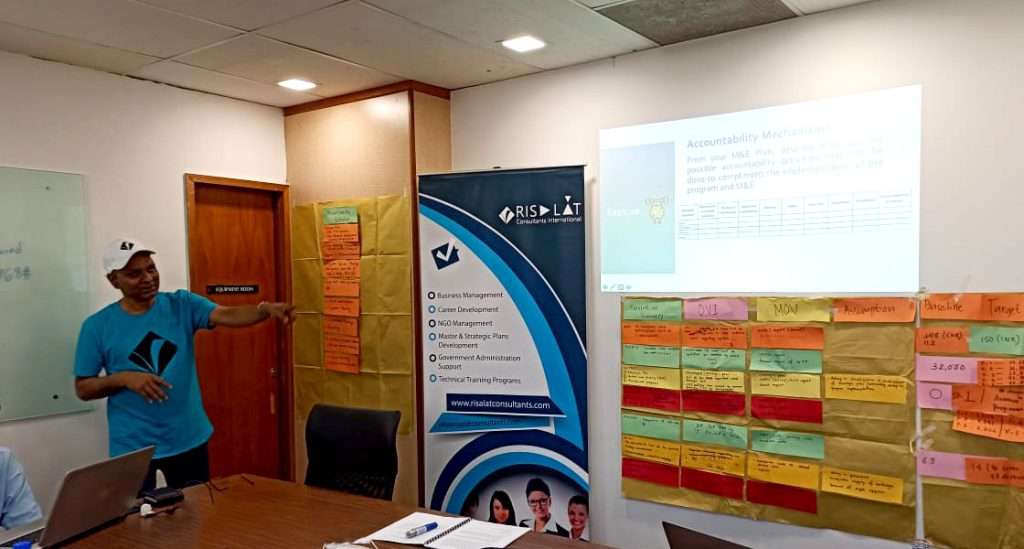
The programme uses an interactive, practice-oriented learning approach combining expert-led instruction, real-world scenarios, group discussions, and applied exercises focused on risk-based audit scenarios. Participants work through risk assessment simulations, control evaluation cases, and audit planning workshops to translate concepts into practical skills. Peer exchange and guided discussions ensure relevance to participants’ institutional environments and support immediate workplace application. This approach ensures participants can immediately apply risk-based audit techniques in their own audit and control environments.
Host Country Profile
Chisinau provides a relevant and practical setting for risk-based auditing and internal control training, reflecting the evolving governance and accountability needs of organizations across Eastern Europe and neighboring regions. As public institutions and private entities strengthen financial oversight and internal assurance functions, demand for modern audit approaches continues to grow particularly in risk-based audit and internal control reforms. Chisinau’s growing role as a regional hub for governance reform and financial oversight makes it a practical learning environment for both public and private sector professionals.
Hosting the programme in Moldova allows participants to engage in a regional context where strengthening internal controls, improving audit effectiveness, and managing financial risks are high priorities. The setting supports comparative learning and practical discussion applicable to both public and private sector environments.
Course Deliverables
Participants will enjoy a full-service experience that covers everything needed before, during, and after the programme:
Before the Programme
- Participant Pre-Assessment to ensure effective preparation
- Complimentary Visa Support & Advisory (E-visa applications are fully processed by our team)
- Airport Pickup & Welcome Assistance
- Accommodation with Breakfast for the full duration
- Welcome Dinner for networking and connecting with fellow Participants & the Risalat Team
During the Programme
- Risalat Training Kit, including: bag, water bottle, coffee mug, t-shirt, cap, passport cover, pens, notebook, magnet, keychain
- Lunch Provided Daily during training days
- Comprehensive Course Manual & Training Materials
- Project-Based Templates, Tools, and Worksheets
- Mini pad / tablet provided for convenient access to digital resources, which participants may keep after the programme.
- Digital Case Studies, Reading Packs & Reference Materials
- Access to Sample Datasets & Practical Exercises
- Field Visit (where applicable)
- Complimentary Refreshments & Full Training Venue Facilities
- Access to Online Learning Resources
- Entertaining City Tour
- Certificate of Completion
- Risalat Programme Participation Recognition Award
- All materials and exercises are tailored to support practical risk-based financial auditing and internal control implementation.
After the Programme
- Post-Training Support & Follow-Up Guidance
- Programme Report
Organizations may also request this Risk-Based Financial Auditing training as a customized in-house or regional programme.
£3,160 per participant · invoice and bank transfer · groups of 5 or more receive a discount
Five or more from one organisation: ask for the group rate on the invoice request.
Ten or more: an in-house version for your institution may cost less per person. Ask for an in-house quote.
Registration closes in 5 days (23 Oct 2026)