حقائق رئيسية
- المواعيد
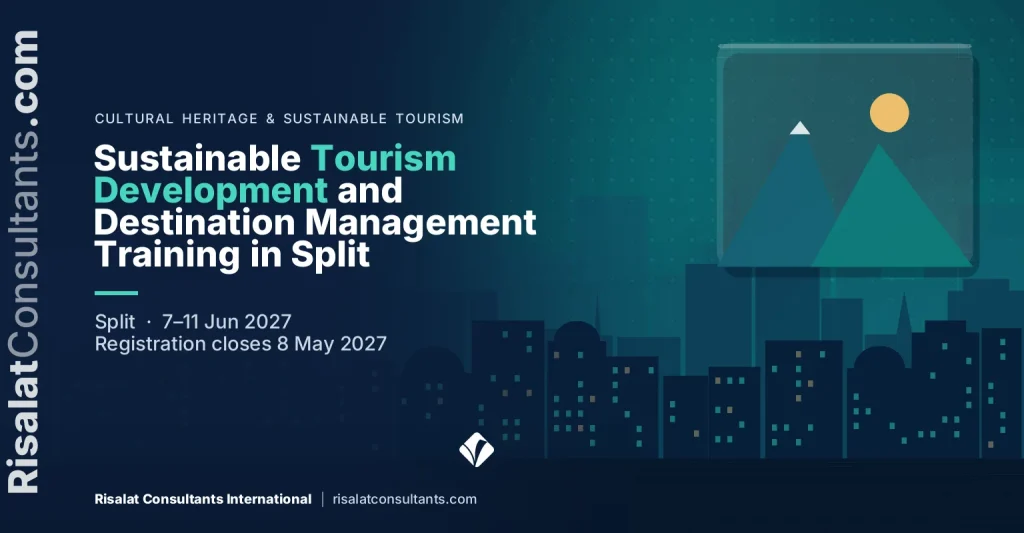
- 7–11 Jun 2027 (5 days)
- المكان
- Split, Croatia
- الرسوم لكل مشارك
- £3,100 (GBP)
- الدفع
- بالفاتورة والتحويل المصرفي
- إغلاق التسجيل
- 8 May 2027
- الشهادة
- شهادة إتمام
- الخيار المؤسسي
- نفّذه لفريقك، في المواعيد التي تناسبك
في هذه الصفحة 16 قسماً
نظرة عامة على البرنامج
Sustainable tourism development is essential for emerging destinations seeking economic diversification while protecting fragile natural and cultural assets. Public institutions, project implementation units, and municipal authorities often face intense pressures from rapid visitor growth, infrastructure deficits, and climate vulnerability. This five-day course equips participants with the analytical frameworks and technical capabilities needed to design, finance, and oversee sustainable tourism operations, balancing visitor economy expansion with ecological integrity and community wellbeing across diverse territories.
Delivered in Split, Croatia, an internationally recognised historic coastal hub balancing cultural preservation with high-volume tourism, the programme bridges destination policy and project execution. Participants examine international benchmarks, including the Global Sustainable Tourism Council Destination Criteria and European Tourism Indicator System. Through structured lectures, field observations, and applied policy reviews, the course addresses practical challenges such as visitor dispersion, stakeholder governance, procurement standards, and environmental safeguards relevant to international development operations.
The curriculum aligns directly with the operational priorities of major international financial institutions and multilateral development agencies. Attendees evaluate tourism development initiatives financed through World Bank, Asian Development Bank, African Development Bank, European Union, and United Nations facilities. The course emphasises institutional capacity, cross-sectoral coordination, and results-based monitoring, providing public sector leaders and project specialists with operational methods to ensure investments yield enduring socio-economic dividends without compromising community resilience or local heritage.
Emerging economies and transition regions are positioning tourism as a primary vehicle for post-pandemic economic recovery and regional regeneration, yet unmanaged growth threatens biodiversity, water security, and cultural integrity. Bilateral and multilateral donors now condition tourism infrastructure and enterprise finance on rigorous climate adaptation, social inclusion, and decarbonisation standards. Public institutions must urgently acquire the operational capacity to manage carrying capacity, implement international safeguards, and steer investments towards low-carbon, community-centred visitor economies before irreversible degradation occurs.
Delivered by Risalat Consultants International in Split, Croatia, it combines expert-led sessions, real cases and group work, so that participants can apply what they learn in their own institution.
The Programme Strengthens Institutional Capability
- International development agendas: Tourism in the UN Sustainable Development Goals and donor priorities
- The Global Sustainable Tourism Council (GSTC) Destination Criteria: Principles and operational application
- Institutional architectures: Structuring effective public-private-community Destination Management Organisations
- Policy integration: Aligning tourism plans with national climate commitments and spatial planning
- Case analysis: Legal and regulatory frameworks for sustainable tourism across European and emerging destinations
- Measuring and managing destination carrying capacity: Physical, ecological, and perceptual dimensions
- Visitor dispersion strategies: De-concentrating tourism flows in historic urban centres and coastal zones
- Heritage conservation: UNESCO World Heritage guidelines and cultural asset protection mechanisms
- تخطيط الوجهات السياحية وإدارتها
- مبادئ السياحة المستدامة
- صون التراث وإدارته
- التسويق وتجربة الزوار
It is designed for officials from ministries of tourism, environment, culture, and regional development, managers and technical specialists from donor-funded Project Implementation Units, staff from destination management organisations and regional tourism boards and others who want practical, current skills in tourism, culture and heritage.
The Growing Importance of Sustainable Tourism Development and Destination Management
تدعم السياحة والثقافة والتراث فرص العمل والمنشآت المحلية والهوية الوطنية. ولكي تنمو الوجهات على نحو مستدام، فإنها تحتاج إلى تخطيط يوازن بين الزوار والمجتمعات المحلية والبيئة.
تعمل الجهات العامة والمشغلون والمجتمعات المحلية معاً بشكل متزايد في إدارة الوجهات السياحية وتسويقها وحماية التراث. والفرق التي تمتلك هذه المهارات تساعد الأماكن على الاستفادة من السياحة دون أن تفقد ما يمنحها قيمتها.
تحتاج المؤسسات بشكل متزايد إلى مهنيين قادرين على:
- تخطيط وجهات سياحية توازن بين الزوار والمجتمعات المحلية
- حماية التراث وإدارته
- تسويق الوجهات السياحية وتحسين تجربة الزوار
- إشراك المجتمعات المحلية وتقاسم المنافع
- رصد أداء القطاع السياحي وآثاره
Strong tourism, culture and heritage systems help organisations:
- تنمية السياحة على نحو مستدام
- حماية التراث والبيئة
- خلق فرص عمل ومنشآت محلية
- استقطاب الاستثمارات والشركاء
This Sustainable Tourism Development and Destination Management programme brings these elements together in a practical format, so that participants understand not only what good practice looks like but also how to introduce it in their own setting, with the people and resources they have.
Who Should Attend This Sustainable Tourism Development and Destination Management Training?
صُمم هذا البرنامج من أجل:
- Officials from ministries of tourism, environment, culture, and regional development
- Managers and technical specialists from donor-funded Project Implementation Units
- Staff from destination management organisations and regional tourism boards
- Municipal urban planners and infrastructure development officers
- Task managers and programme analysts from international development agencies
- Professionals leading protected area authorities and national park administrations
- Investment promotion and public-private partnership unit specialists
- Environmental and social safeguard specialists supporting tourism operations
- Civil society leaders managing community-based tourism development programmes
- موظفو وزارات السياحة وهيئاتها
- مديرو الوجهات السياحية
- مسؤولو التراث والثقافة
يناسب البرنامج المهنيين ذوي الخبرة وكذلك من ينتقلون إلى مسؤوليات جديدة. ونشجع المجموعات التي تضم مؤسسات ودولاً مختلفة، لأن المشاركين يتعلمون الكثير من تجارب بعضهم بعضاً.
حدّد ما يحتاج فريقك إلى القدرة على إنجازه.
Sustainable Tourism Development and Destination Management Training Objectives
Upon successful completion of this Sustainable Tourism Development and Destination Management Training, participants will be able to:
- Evaluate destination carrying capacity and environmental limits using international indicator frameworks
- Design inclusive destination management strategies aligned with the Global Sustainable Tourism Council Criteria
- Apply donor safeguard policies and environmental impact screening to tourism infrastructure investments
- Structure collaborative destination governance models involving public, private, and community stakeholders
- Formulate visitor flow management and dispersion plans for sensitive cultural and natural sites
- Develop climate resilience and resource efficiency programmes for hospitality and transport value chains
- Establish results-based monitoring and evaluation frameworks for international tourism development projects
- شرح مبادئ السياحة المستدامة
- تخطيط الوجهة السياحية وإدارتها بالتعاون مع أصحاب المصلحة
- تطبيق ممارسات صون التراث وإدارته
يُطبَّق كل هدف خلال البرنامج من خلال التمارين أو دراسات الحالة أو العمل الجماعي، بحيث يغادر المشاركون وهم قادرون على تنفيذه، لا على وصفه فحسب.
محتوى البرنامج وهيكله
- International development agendas: Tourism in the UN Sustainable Development Goals and donor priorities
- The Global Sustainable Tourism Council (GSTC) Destination Criteria: Principles and operational application
- Institutional architectures: Structuring effective public-private-community Destination Management Organisations
- Policy integration: Aligning tourism plans with national climate commitments and spatial planning
- Case analysis: Legal and regulatory frameworks for sustainable tourism across European and emerging destinations
- Measuring and managing destination carrying capacity: Physical, ecological, and perceptual dimensions
- Visitor dispersion strategies: De-concentrating tourism flows in historic urban centres and coastal zones
- Heritage conservation: UNESCO World Heritage guidelines and cultural asset protection mechanisms
- Field assessment in Split: Analysing historic core management and cruise tourism impacts
- Digital tools and data-driven monitoring for crowd control and infrastructure pressure reduction
- Integrating tourism into protected area management: Revenue generation versus biodiversity protection
- Climate adaptation and mitigation strategies for vulnerable coastal and island destinations
- Resource efficiency: Circular economy approaches to water management, waste, and local energy systems
- Environmental and Social Impact Assessment (ESIA) for donor-financed tourism infrastructure
- Nature-based solutions and eco-tourism value chain development in rural territories
- Local economic multiplier models: Retaining tourism revenues within host communities
- Community-based tourism (CBT): Design, financing, and sustainable governance structures
- Gender mainstreaming and decent work standards in tourism service provision
- Micro, small, and medium enterprise (MSME) technical assistance and value chain linkage programmes
- Preventing tourism-driven displacement, gentrification, and cultural commodification
- Multilateral development bank financing mechanisms: Blended finance, grants, and sovereign loans
- Procurement and contractor management under World Bank, ADB, and EU funding guidelines
- Designing indicators: Applying the European Tourism Indicator System (ETIS) for ongoing monitoring
- Risk management and crisis preparedness for sustainable destination management
- Participant capstone presentation: Drafting an integrated destination management action plan
المحتوى الكامل يوماً بيوم
يمتد البرنامج على 5 أيام. ويجمع كل يوم بين مداخلات الخبراء والعمل التطبيقي وورشة عمل أو دراسة حالة ختامية:
- First Day: Global Standards, Policy Frameworks, and Destination Governance
- Second Day: Visitor Management, Carrying Capacity, and Cultural Heritage Preservation
- Third Day: Environmental Sustainability, Climate Resilience, and Protected Areas
- Fourth Day: Socio-Economic Inclusion, Value Chains, and Community Benefits
- اليوم الخامس: الزيارات الفنية والممارسات الدولية والتخطيط المؤسسي للعمل
المحتوى الكامل يوماً بيوم
First Day | Global Standards, Policy Frameworks, and Destination Governance
- International development agendas: Tourism in the UN Sustainable Development Goals and donor priorities
- The Global Sustainable Tourism Council (GSTC) Destination Criteria: Principles and operational application
- Institutional architectures: Structuring effective public-private-community Destination Management Organisations
- Policy integration: Aligning tourism plans with national climate commitments and spatial planning
- Case analysis: Legal and regulatory frameworks for sustainable tourism across European and emerging destinations
Workshop: Global Standards, Policy Frameworks, and Destination Governance: Applying It to Your Institution
يعمل المشاركون في مجموعات صغيرة على تطبيق أساليب اليوم على أمثلة من مؤسساتهم، ويتفقون على خطوات عملية تالية.
Second Day | Visitor Management, Carrying Capacity, and Cultural Heritage Preservation
- Measuring and managing destination carrying capacity: Physical, ecological, and perceptual dimensions
- Visitor dispersion strategies: De-concentrating tourism flows in historic urban centres and coastal zones
- Heritage conservation: UNESCO World Heritage guidelines and cultural asset protection mechanisms
- Field assessment in Split: Analysing historic core management and cruise tourism impacts
- Digital tools and data-driven monitoring for crowd control and infrastructure pressure reduction
Workshop: Visitor Management, Carrying Capacity, and Cultural Heritage Preservation: Applying It to Your Institution
يعمل المشاركون في مجموعات صغيرة على تطبيق أساليب اليوم على أمثلة من مؤسساتهم، ويتفقون على خطوات عملية تالية.
Third Day | Environmental Sustainability, Climate Resilience, and Protected Areas
- Integrating tourism into protected area management: Revenue generation versus biodiversity protection
- Climate adaptation and mitigation strategies for vulnerable coastal and island destinations
- Resource efficiency: Circular economy approaches to water management, waste, and local energy systems
- Environmental and Social Impact Assessment (ESIA) for donor-financed tourism infrastructure
- Nature-based solutions and eco-tourism value chain development in rural territories
Case Study: Environmental Sustainability, Climate Resilience, and Protected Areas in Practice
يحلل المشاركون حالة واقعية، ويقارنون الخيارات المتخذة بالممارسات الجيدة، ويستخلصون دروساً يمكنهم تطبيقها في بيئة عملهم.
Fourth Day | Socio-Economic Inclusion, Value Chains, and Community Benefits
- Local economic multiplier models: Retaining tourism revenues within host communities
- Community-based tourism (CBT): Design, financing, and sustainable governance structures
- Gender mainstreaming and decent work standards in tourism service provision
- Micro, small, and medium enterprise (MSME) technical assistance and value chain linkage programmes
- Preventing tourism-driven displacement, gentrification, and cultural commodification
Workshop: Socio-Economic Inclusion, Value Chains, and Community Benefits: Applying It to Your Institution
يعمل المشاركون في مجموعات صغيرة على تطبيق أساليب اليوم على أمثلة من مؤسساتهم، ويتفقون على خطوات عملية تالية.
اليوم الخامس | الزيارات الفنية والممارسات الدولية والتخطيط المؤسسي للعمل
- Multilateral development bank financing mechanisms: Blended finance, grants, and sovereign loans
- Procurement and contractor management under World Bank, ADB, and EU funding guidelines
- Designing indicators: Applying the European Tourism Indicator System (ETIS) for ongoing monitoring
- Risk management and crisis preparedness for sustainable destination management
- Participant capstone presentation: Drafting an integrated destination management action plan
Capstone Exercise: Sustainable Tourism Development and Destination Management Action Plan for Your Institution
يجمع المشاركون حصيلة الأسبوع في خطة عمل لمؤسساتهم، تتضمن الأولويات والمسؤولين والخطوات الأولى، ثم يعرضونها لتلقي ملاحظات الزملاء والميسّرين.
Sustainable Tourism Development and Destination Management Training Methodology
The training employs an interactive executive learning methodology combining technical presentations, comparative case analyses, and practical workshops. Participants review real-world project documents, procurement guidelines, and indicator systems from major development banks and UN bodies. Split serves as an active learning laboratory, incorporating a targeted site visit to examine urban heritage management and seasonal pressure points first hand. Facilitated peer discussions enable participants to benchmark national practices, test policy interventions, and collaboratively resolve project implementation challenges.
يجمع البرنامج بين:
- جلسات يقودها خبراء حول الممارسات الحالية
- دراسات حالة إقليمية ودولية
- عمل جماعي وتمارين عملية
- محاكاة ولعب أدوار حسب الحاجة
- مناقشة التحديات الخاصة بالمشاركين
- التعلم من الأقران عبر المؤسسات والدول
- زيارات فنية إلى مؤسسات ومواقع
- تأمل يومي وتخطيط للعمل
قبل البرنامج، يساعد تقييم مسبق قصير الميسّرين على فهم دور كل مشارك وأولوياته، بحيث يمكن تكييف الأمثلة والتمارين مع المجموعة. ويُختتم كل يوم بتأمل قصير يدوّن فيه المشاركون ما سيطبقونه في العمل.
الزيارات الفنية والبرنامج الميداني
The programme includes visits to institutions, projects or sites in and around Split where participants see current practice at first hand and meet the professionals responsible. Visits are confirmed with the host organisations before the programme and may change for operational reasons.
- إحاطات من المؤسسات المضيفة حول نهجها ونتائجها
- زيارات ميدانية موجهة مع وقت مخصص للأسئلة
- ملاحظات رصد منظمة لكل زيارة
- جلسة استخلاص جماعية تربط ما شوهد بمؤسسات المشاركين
النتائج المتوقعة
Upon completion of this Sustainable Tourism Development and Destination Management Training, participants will be able to:
- Capability to conduct comprehensive destination sustainability baselines using GSTC and ETIS frameworks
- Practical skill in designing institutional governance models that unite municipal, commercial, and local stakeholders
- Competence in drafting visitor management plans that safeguard natural and cultural heritage assets
- Proficiency in integrating multilateral environmental and social safeguards into tourism project pipelines
- Ability to formulate enterprise development interventions that maximise local economic retention and job creation
- Expertise in creating measurable, donor-compliant monitoring frameworks for sustainable tourism operations
- تخطيط الوجهات السياحية على نحو مستدام
- حماية التراث وإدارته
يغادر المشاركون بخطة عمل شخصية وأدوات عملية يمكنهم استخدامها في مؤسساتهم منذ الأسبوع الأول من عودتهم. ويمكن للمؤسسات التي ترسل عدة مشاركين الاستفادة من البرنامج للاتفاق على أساليب ونماذج مشتركة بين الفرق، مما يسهّل استدامة التحسينات.
£3,100 per participant · invoice and bank transfer · groups of 5 or more receive a discount
خمسة مشاركين أو أكثر من مؤسسة واحدة: اطلبوا سعر المجموعة عند طلب الفاتورة.
Ten or more: an in-house version for your institution may cost less per person. Ask for an in-house quote.
Registration closes in 170 days (8 May 2027)
Institutional Application of Sustainable Tourism Development and Destination Management Training
يدعم هذا البرنامج المؤسسات في تعزيز:
- إدارة الوجهات
- حماية التراث
- التسويق
- إشراك المجتمع المحلي
- رصد الأداء
يعود المشاركون بأدوات عملية لتحسين:
- خطط الوجهات السياحية
- إدارة الزوار
- خطط التسويق
- اتفاقيات الشراكة
- إحصاءات السياحة
صُمم البرنامج بحيث ينتقل التعلم من قاعة التدريب إلى المؤسسة. ويعمل المشاركون على عملياتهم ووثائقهم الخاصة كلما أمكن، ويغادرون بخطة عمل يمكن لمديريهم مراجعتها ودعمها.
الأهمية الإقليمية والتطبيق
أوروبا
European institutions apply tourism, culture and heritage within detailed regulatory frameworks and reform agendas. Participants from Europe can compare their practice with colleagues from other regions and test how established methods work under different conditions.
أفريقيا
Across Africa, ministries, agencies and project teams working in tourism, culture and heritage increasingly operate alongside donor-financed programmes that expect clear systems and evidence. The programme helps participants adapt good practice to the institutions and resources they work with.
الشرق الأوسط
In the Middle East, national development strategies and diversification plans place growing demands on tourism, culture and heritage. Participants explore how to build the capability these plans need inside public bodies and companies.
آسيا
تجمع المؤسسات في أنحاء آسيا بين النمو السريع وبرامج التحديث الطموحة. ويمكن للمشاركين من آسيا تبادل خبراتهم في التوسع السريع في الأنظمة والتعلم من المناهج المتبعة في أماكن أخرى.
المحيط الهادئ
Small island and Pacific states face particular constraints of size, distance and capacity. The programme highlights practical, proportionate approaches to tourism, culture and heritage that suit smaller institutions.
Holding the programme in Split, Croatia brings participants together away from their daily pressures, so they can compare how tourism, culture and heritage is handled in different settings. The same programme can also be delivered in-house for one institution, in its own country or online, with cases taken from its current work.
Host Country Profile – Croatia
Split, on Croatia’s Dalmatian coast, is the country’s second-largest city, built around the UNESCO-listed Diocletian’s Palace, with an international airport and ferry links to the islands. It suits programmes on sustainable tourism, heritage management, the blue economy and municipal services.
تمنح الدراسة خارج البلد الأصلي المشاركين وقتاً للتركيز، ونظرة جديدة إلى مؤسساتهم، وفرصة لبناء شبكة علاقات مع زملاء من دول أخرى.
Sustainable Tourism Development and Destination Management Training Deliverables
يحصل المشاركون على الدعم قبل البرنامج وأثناءه وبعده، بحيث يشكّل التحضير والتعلم والمتابعة تجربة واحدة متصلة.
قبل البرنامج
- التقييم المسبق للمشاركين
- Sustainable Tourism Development and Destination Management Readiness Assessment
- Sustainable Tourism Development and Destination Management Resource Pack
- مواد قراءة تحضيرية
- دعم واستشارات مجانية بشأن التأشيرة
أثناء البرنامج
- الاستقبال من المطار والمساعدة عند الوصول
- Accommodation with breakfast: 6 nights, check-in Sunday 6 June 2027, check-out Saturday 12 June 2027 (one night before and one night after the programme)
- عشاء ترحيبي للتعارف
- حقيبة Risalat التدريبية (حقيبة، وقارورة، وكوب، وقميص، وقبعة، وغلاف جواز سفر، وأقلام، ودفتر، ومغناطيس وميدالية مفاتيح)
- Comprehensive Sustainable Tourism Development and Destination Management Training Manual
- قائمة التحقق لتقييم الوجهات السياحية
- نموذج خطة إدارة الزوار
- نموذج خطة التسويق
- نموذج رصد الأداء السياحي
- ورش عمل عملية ومحاكاة
- مناقشات جماعية وتعلم من الأقران
- غداء ومرطبات يومية
- الاستفادة الكاملة من مرافق مكان التدريب
- جهاز Mini Pad / جهاز لوحي مزود بمواد تعليمية رقمية
- زيارة ميدانية (حسب الاقتضاء)
- جولة ترفيهية في المدينة
بعد البرنامج
- شهادة الإتمام
- جائزة Risalat تقديراً للمشاركة في البرنامج
- مواد مرجعية بعد التدريب
- قائمة التحقق لإدارة مواقع التراث
- نموذج خطة منافع المجتمع المحلي
- الدعم بعد التدريب وإرشادات المتابعة
- تقرير البرنامج
Institutions can also request a tailored in-house version of this programme, delivered at their premises or online. Request a proposal.
Common Challenges in Sustainable Tourism Development and Destination Management, And How This Training Helps
How can institutions plan destinations that balance visitors and communities?
The programme addresses this directly on the first day (Global Standards, Policy Frameworks, and Destination Governance), where participants practise the methods involved and adapt them to their own institution, then build it into their action plan.
How can institutions protect and manage heritage?
The programme addresses this directly on the second day (Visitor Management, Carrying Capacity, and Cultural Heritage Preservation), where participants practise the methods involved and adapt them to their own institution, then build it into their action plan.
How can institutions market destinations and improve visitor experience?
The programme addresses this directly on the third day (Environmental Sustainability, Climate Resilience, and Protected Areas), where participants practise the methods involved and adapt them to their own institution, then build it into their action plan.
How can institutions involve communities and share benefits?
The programme addresses this directly on the fourth day (Socio-Economic Inclusion, Value Chains, and Community Benefits), where participants practise the methods involved and adapt them to their own institution, then build it into their action plan.
How can institutions monitor tourism performance and impacts?
يتناول البرنامج هذا الأمر مباشرة في اليوم الخامس (الزيارات الفنية والممارسات الدولية والتخطيط المؤسسي للعمل)، حيث يتدرب المشاركون على الأساليب المعنية ويكيّفونها مع مؤسساتهم، ثم يُدرجونها في خطة عملهم.
الأسئلة الشائعة
When and where does the Sustainable Tourism Development and Destination Management programme take place?
It runs from 7 Jun 2027 to 11 Jun 2027, in Split, Croatia. The registration deadline is shown at the top of this page.
من ينبغي أن يحضر؟
The programme is designed for officials from ministries of tourism, environment, culture, and regional development, managers and technical specialists from donor-funded Project Implementation Units, staff from destination management organisations and regional tourism boards, municipal urban planners and infrastructure development officers, and others who want practical skills in tourism, culture and heritage.
هل سأحصل على شهادة؟
نعم. يحصل المشاركون الذين يُتمّون البرنامج على شهادة إتمام من Risalat Consultants International.
هل يمكن تقديم هذا البرنامج لمؤسستنا حصرياً؟
نعم. يمكننا تقديم نسخة مؤسسية مصممة خصيصاً في مقر مؤسستكم أو في مدينة أخرى أو عبر الإنترنت، مبنية حول حالاتكم الخاصة. استخدموا نموذج طلب العرض في هذه الصفحة.
هل أحتاج إلى خبرة سابقة في السياحة والثقافة والتراث؟
لا يُشترط أي تخصص سوى الخبرة في دور ذي صلة. ويساعد تقييم مسبق قصير الميسّرين على تكييف الجلسات مع المجموعة.
Who Will Deliver This Programme
Each date is delivered by a team assigned from Risalat's expert network for this subject. For this programme we assign:
How we choose them: Experience in the region of the participants or comparable settings; Command of the financier rules that apply (World Bank, ADB, AfDB, EU, UN) where relevant; Delivery in English; other languages on request for in-house groups; No conflict of interest with participants' institutions.
تتم مشاركة أسماء السير الذاتية المختصرة للخبراء المعينين مع المشاركين المسجلين والجهات الراعية قبل البرنامج، بناءً على الطلب. هل أنت خبير في هذا المجال؟ انضم إلى شبكة خبرائنا.
Training courses in SplitCultural Heritage & Sustainable Tourism training courses
Why Split for this programme
Split serves as a key administrative and maritime hub on the Adriatic coast. Visiting officials can study port infrastructure, urban planning, and heritage preservation at Diocletian's Palace, as well as academic initiatives at the University of Split. Split Airport provides direct international flights, making the city straightforward to reach for delegations.
The Sustainable Tourism Development and Destination Management Training in Split programme in June 2027 brings together officials and professionals from across Europe, Africa, the Middle East and Asia. Sessions combine short inputs, case studies and group work on participants' own files, and the city's institutions can be added as a study visit on request.
Getting there: Split Airport (SPU).
تحقق مما إذا كنت بحاجة إلى تأشيرة عبر أداة التحقق من التأشيرة المجانية، واطلب خطاب دعوة بعد إتمام تسجيلك.
الموضوع نفسه في مدن أخرى
- Sustainable Tourism Development and Destination Management Training in Opatija (Opatija)
- Sustainable Tourism Development and Destination Management Training in Zadar (Zadar)
- Sustainable Tourism Development and Destination Management Training in Dubrovnik (Dubrovnik)
- Youth Apprenticeship Frameworks & Tourism Sector Reskilling in Dubai (Dubai)
- إنتاج البستنة لصغار المزارعين والتبريد بعد الحصاد في بانكوك (بانكوك)
- Ecotourism Concession Management and Community Conservation Finance in Cape Town (Cape Town)
ذات صلة: السياحة وإدارة الوجهات · أداة مجانية: مخطط الزيارات الميدانية · جميع البرامج
For teams and institutions
Bring your team
Teams that learn together apply more at work. Tell us how many people and how you would like to take part: we reply with a group quote within two working days.
المزيد من الدورات التدريبية في كرواتيا · جميع البرامج في أوروبا · تقويم التدريب الكامل
تخطيط هذا البرنامج في خارطة طريق: لماذا هو مهم، ولماذا يجب الموافقة عليه، والتواريخ المراد التخطيط لها، والمسار المهني الذي يبنيه.