أبرز الخلاصات
- Embracing Autonomous and Connected Infrastructure. Transport infrastructure improvement relies on the adoption of autonomous and connected technologies.
- Implementing Nature-Based Solutions. The transport infrastructure improvement relies on nature-based solutions to address environmental challenges and enhance sustainability.
- Optimizing Asset Management through Digitalization for Transport…. The digital transformation of transport infrastructure improvement has ushered in a new era of asset management, leveraging cutting-edge technologies to enhance efficiency, transparency…
- Fostering Community Engagement and Inclusivity for Transport…. Transport infrastructure improvement has a significant impact on communities, shaping their way of life, culture, and social dynamics.
- Watch. Know people who should read this? Become an Ambassador or write with Risalat.
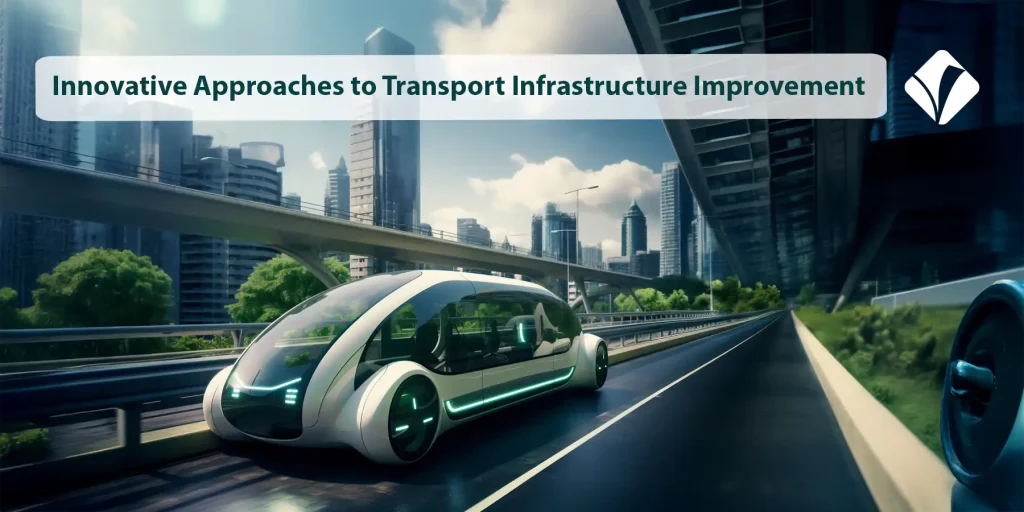
In short: Transport infrastructure improvement is unlocking new, efficient ways of transportation while easing traffic and enabling smart mobility.
The rapid evolution of transport infrastructure is reshaping the way we connect and move in our increasingly interconnected world. From bridges and wharves to road transport systems, the backbone of our societies is undergoing a profound transformation, driven by innovative approaches and cutting-edge technologies. This revolution in transport infrastructure improvement is not only enhancing connectivity but also addressing pressing challenges such as traffic management and the need for efficient multimodal transport solutions.
To tackle these complex issues, industry leaders are exploring groundbreaking strategies that support transport infrastructure improvement. These include the integration of autonomous and connected systems, the implementation of nature-based solutions, the use of digital tools to optimize asset management, and the fostering of community engagement in infrastructure development. By embracing these forward-thinking approaches, stakeholders aim to create more resilient, sustainable, and user-centric transport networks that can meet the demands of our ever-changing world.
Embracing Autonomous and Connected Infrastructure
Transport infrastructure improvement relies on the adoption of autonomous and connected technologies. These innovations are revolutionizing the way roads are maintained, vehicles communicate, and infrastructure is inspected, leading to enhanced safety, efficiency, and cost-effectiveness.
Self-Healing Roads
One of the most groundbreaking advancements in transport infrastructure improvement is the development of self-healing concrete (SHC). This innovative material has the ability to repair fractures without human intervention, significantly extending the operational life of roads and reducing maintenance expenses. The process involves encapsulation-based technology, where healing agents are contained within discrete microcapsules embedded in the concrete matrix.
عندما تتكاثر الشقوق وتصل إلى غلاف الكبسولة، يتم إطلاق عوامل الشفاء، مما يساهم بشكل فعال في إصلاح المنطقة التالفة. تُعد عملية الشفاء الذاتي هذه مفيدة بشكل خاص للبنية التحتية المعرضة للمياه والتآكل، مثل الأنفاق والجسور. يكون الشفاء أكثر تمركزاً مقارنة بطرق الشفاء الذاتي التقليدية، مما يوفر حلاً مستهدفاً لأضرار البنية التحتية.
Researchers have explored various healing agents, including polymers, bacteria, and sodium silicate, as well as different capsule shell materials like gelatin, silicon, and glass. These materials are designed to extend the life of the healing agent, accelerate the reaction after cracking, and enhance the overall healing capability of the concrete.
Vehicle-to-Infrastructure Communication
Vehicle-to-infrastructure (V2I) communication represents a significant leap forward in creating smarter, safer roads. This two-way exchange of information between vehicles and smart road infrastructure, such as traffic signals and lane markings, aims to improve road safety and support efficient traffic management.
Smart signals play a crucial role in this system. Unlike standard traffic lights that change at specific intervals, smart traffic lights are equipped with cameras and sensors that detect the number of waiting vehicles in each lane. They can calculate the time needed to clear each side of the street and communicate with nearby signals to maximize traffic efficiency. These intelligent systems can also respond to data received from connected vehicles and mobility apps, further optimizing traffic flow.
Another application of V2I technology is smart parking. Connected parking spaces communicate with vehicles, providing real-time information about available spots and streamlining the parking process. This system has already been implemented in several countries, improving the parking experience for drivers and simplifying management for lot attendants.
Drone-Based Inspections and Maintenance
Drones have emerged as a game-changing tool for infrastructure inspections, offering a safer, more efficient, and cost-effective alternative to traditional methods. Departments of Transportation across various states are increasingly adopting autonomous drones to monitor and inspect critical infrastructure such as bridges and highways.
These unmanned aircraft systems (UAS) can access hard-to-reach areas and provide real-time data without causing major disruptions. They capture highly detailed images and data, offering critical insights for maintenance planning and decision-making. Some advanced drones, like those developed by Skydio, feature autonomous capabilities and can be operated by less experienced pilots, further simplifying the inspection process.
Implementing Nature-Based Solutions
The transport infrastructure improvement relies on nature-based solutions to address environmental challenges and enhance sustainability. These innovative approaches leverage natural processes and elements to improve infrastructure resilience, manage stormwater, stabilize slopes, and protect wildlife.
Green Infrastructure for Stormwater Management
برزت البنية التحتية الخضراء كأداة قوية لتكامل أنظمة تصريف المياه التقليدية الأنابيب في الشوارع الحضرية. يستخدم هذا النهج الغطاء النباتي والتربة والعمليات الطبيعية لالتقاط المياه وتسللها وتبخيرها قبل دخولها إلى النظام الأنابيب. ومن خلال القيام بذلك، تساعد البنية التحتية الخضراء في الحد من الفيضانات وتلوث المياه مع تعزيز جماليات الشارع وتقديم فوائد للمجتمع في نفس الوقت.
One effective green infrastructure solution is the implementation of bioswales. These shallow, open, planted channels are designed to convey runoff and remove pollutants. Bioswales serve as an alternative to piped drainage systems where space and grade allow. They slow water flow and trap sediments, thereby improving water quality. Studies have shown that effective bioswales can capture and filter out as much as 90 percent of solids, 80 percent of trace metals, oil, and grease, and about 65 percent of phosphorus from the collected runoff.
تعد حدائق المطر، المعروفة أيضاً بنظام الاحتفاظ الحيوي، عنصراً قيماً آخر من البنية التحتية الخضراء. تتضمن أحواض الحدائق المصممة خصيصاً أو حفر الأشجار في الشوارع أنظمة ترشيح النباتات والتربة لمعالجة جريان مياه الأمطار. تسمح بعض حدائق المطر بتسرب المياه إلى التربة الأساسية، بينما تم تصميم البعض الآخر لجمع المياه المعالجة ونقلها إلى المصب.
Rالرصف النفودي هو حل مبتكر آخر يسمح لمياه الأمطار بالتسرب عبر الرصف إلى التربة تحتها. تقلل هذه التقنية من جريان مياه الأمطار وتساعد في تغذية المياه الجوفية. يمكن تبديل الرصف النفودي بالأسطح التقليدية لتعظيم فعاليته.
Bioengineered Slope Stabilization
Bioengineering techniques have proven to be effective and cost-efficient solutions for stabilizing slopes along roadsides, quarries, gullies, and stream banks. These methods utilize living vegetation, either standalone or in combination with civil engineering structures and non-living plant materials, to reduce shallow-seated instability and prevent erosion.
One commonly used plant in bioengineering is vetiver grass (Chrysopogon zizanioides). This hardy species is extremely resilient and can survive deep inundation of up to 6 meters. Vetiver grass has been successfully employed in many countries for side-slope protection against rain-cut and wind-induced erosion. Studies have shown that vetiver application is approximately eight times cheaper than masonry wall protection and five times more cost-effective than the revêtement stone-slope protection system.
تشمل تقنيات الهندسة الحيوية الأخرى البذر أو التغطية بالنشارة أو التنجيد لتخضير منحدرات الطرق. ويمكن تطبيق هذه الطرق عن طريق الرش بالشاحنة لمخلوط سائل من البذور النباتية والنشارة، أو تغطية التنجيد النباتي بالتكسيات الأرضية القابلة للتحلل الحيوي أو الشباك الجيوستاتيكية. وبالنسبة للمنحدرات التي يقل ارتفاعها عن ثلاثة أمتار، يمكن استخدام خليط من القش وقش وشرائح الخشب وروث البقر كنشارة وتطبيقه كطبقة سمكها 2.5 سم، وتثبيتها في مكانها بالخيزران لمنع انجرافها.
Wildlife Crossings and Eco-Bridges
Wildlife crossings have gained acceptance as an effective strategy to mitigate the dangers posed by roads to both animals and motorists. These human-made highway crossings, designed specifically for animals, come in various forms such as bridges, overpasses, tunnels, viaducts, and culverts.
When successfully implemented, wildlife crossings can significantly reduce the likelihood of collisions, provide safe corridors for animal transit, and help reconnect fragmented animal habitats. For instance, in Banff National Park, Canada, a system of 44 wildlife crossings (six bridges and 38 underpasses) along the Trans-Canada Highway has documented more than 150,000 mammal crossings over two decades. This initiative has contributed to an 80 percent reduction in motor accidents involving wildlife.
Optimizing Asset Management through Digitalization for Transport Infrastructure Improvement
أدى التحول الرقمي لتحسين البنية التحتية للنقل إلى حقبة جديدة من إدارة الأصول، مستفيدة من التقنيات المتطورة لتعزيز الكفاءة والشفافية وعمليات صنع القرار. لهذا التحول تأثير كبير على طريقة تصميم البنية التحتية وصيانتها وتشغيلها.
Building Information Modeling (BIM)
Building Information Modeling (BIM) has emerged as a powerful tool in the realm of asset management. When combined with Augmented Reality (AR) technologies, BIM transforms into a functional decision support system. This integration maximizes both AR’s visualization capabilities and BIM’s information management advantages, creating a synergistic approach to infrastructure management.
يقدم دمج الواقع المعزز (AR) ونمذجة معلومات البناء (BIM) فوائد عديدة طوال دورة حياة مشاريع البنية التحتية. فخلال مرحلة البناء، يقلل من العيوب وإعادة العمل، مما يضمن بقاء المشاريع في موعدها وضمن الميزانية المحددة. على سبيل المثال، ثبت أن تطبيقات نمذجة معلومات البناء ونظم المعلومات الجغرافية (BIM-GIS) في تصميم التصنيع المسبق توفر وقت البناء، وتزيد من الكفاءة، وتقلل من استهلاك الطاقة.
Post-construction, BIM continues to play a crucial role. The BIM-IKBMS application, for instance, has been suggested for building management after construction. This holistic lifecycle management approach extends the utility of BIM beyond the construction phase, ensuring optimal asset performance throughout its lifespan.
Augmented Reality for Maintenance
Augmented Reality (AR) has revolutionized equipment maintenance, repair, and overhaul (MRO) functions. AR applications overlay digital information and graphics onto the real-world environment, enhancing technicians’ perception and interaction with physical objects.
من الناحية العملية، تُمكّن الواقع المعزز موظفي الصيانة من:
- Examine and monitor engine parts with greater precision
- تحليل عمليات الصيانة بدقة وكفاءة أكبر
- Perform preventive and corrective maintenance on critical equipment
- Facilitate performance modeling and simulation
تطبيق الواقع المعزز في الصيانة يقدم العديد من المزايا الرئيسية:
- Augmented Visualization: AR overlays visual instructions and annotations onto equipment, guiding technicians through repair processes step by step.
- Real-Time Guidance: Technicians can access interactive virtual user manuals, providing relevant data for specific equipment faults.
- Equipment Simulations: AR creates detailed virtual representations of machinery, allowing technicians to practice troubleshooting procedures before working on real equipment.
- Digital Twin Integration: By integrating AR with digital twins of physical equipment, technicians can compare real-time performance data, identify discrepancies, and plan predictive maintenance.
Blockchain for Supply Chain Transparency
Blockchain technology has emerged as a game-changer in supply chain management, offering unprecedented levels of transparency and efficiency. This distributed ledger technology creates a tamper-evident record of transactions, providing a trusted shared view of data across complex systems with multiple participants.
The application of blockchain in supply chains addresses several critical challenges:
- Enhanced Traceability: Companies can demonstrate the provenance of their products, meeting regulatory requirements and customer demands.
- Improved Coordination: Blockchain enables seamless information exchange among partners, reducing execution and coordination problems.
- Streamlined Financing: The technology facilitates faster and more cost-efficient delivery of products by streamlining the financing process.
Real-world applications of blockchain in supply chain management are already yielding positive results. For instance, Walmart Canada has implemented blockchain with its trucking companies to synchronize logistics data, track shipments, and automate payments. This implementation has significantly improved supply chain visibility and efficiency.
As the transport infrastructure improvement continues to embrace these digital technologies, we can expect to see further improvements in asset management, maintenance efficiency, and supply chain transparency. These innovations are paving the way for more resilient, sustainable, and user-centric transport networks.
Fostering Community Engagement and Inclusivity for Transport Infrastructure Improvement
Transport infrastructure improvement has a significant impact on communities, shaping their way of life, culture, and social dynamics. To ensure that these projects align with the needs and values of the people they serve, fostering community engagement and inclusivity has become a crucial aspect of modern infrastructure planning.
Participatory Planning Processes
Participation has emerged as a powerful tool in sustainable development and public support for decisions. It has the potential to drive behavioral change among the populace and serves as an important strategic planning instrument. However, integrating the public into planning procedures remains a challenge in many cases.
يجادل الخبراء بأن إقناع السكان بجدوى المشروع دون النظر مسبقاً في احتياجاتهم وتوقعاتهم وتضمينها يؤدي غالباً إلى إخفاقات في كل من العملية التشاركية والمشروع نفسه. يكمن التحدي الرئيسي في غياب الترتيبات المؤسسية التي يمكنها توطيد العمليات التشاركية التداولية والتعاونية وجعلها جزءاً دائمأ من التخطيط اليومي للنقل.
To address this, some innovative approaches have been developed. For instance, a project aimed at enhancing the quality of consultations concerning transport and infrastructure used foresight methodology and IT tools. This approach took into account the spatial scope of interests and long-term effects of decisions, while limiting the negative impact of individual characteristics and group processes on participation.
Social Impact Assessments
Social Impact Assessments (SIAs) play a crucial role in understanding and mitigating the effects of infrastructure projects on communities. These assessments focus on impacts beyond natural resources, including people’s way of life, culture, community cohesion, political systems, and health and well-being.
During an SIA, proponents are expected to identify stakeholder groups, collect baseline data on key social issues, and engage communities in the development process. This involves explaining methods used to gather information, identifying potential direct social impacts, and proposing mitigation measures.
However, challenges persist in the practical application of SIAs. Social perspectives can sometimes be overshadowed by economic or political interests, and the complex nature of social impacts can limit their measurability. This often results in crucial social impacts being overlooked in the planning stage.
Cultural Heritage Preservation
يعتبر الحفاظ على التراث الثقافي اعتباراً أساسياً في عملية تحسين البنية التحتية للنقل. العديد من هياكل النقل التاريخية ليست مواقع تراث ثقافي فحسب، بل هي أيضاً مكونات نشطة للشبكات الحديثة. يحافظ الحفاظ عليها على صلة ملموسة بالماضي ويسهم في فهمنا وتقديرنا للتاريخ.
Preserving these structures poses a unique challenge as they must strike a balance between operational standards and historical significance. It requires an approach that respects their historical importance while ensuring their reliability and safety for current users.
Cultural approaches in public infrastructure policies can lead to successful implementation, fostering community involvement and cooperation in infrastructure development projects. However, it’s crucial to recognize that infrastructure development can either support or threaten cultural preservation efforts, highlighting the importance of strategic planning and sustainable practices in balancing development with heritage conservation.
شاهد



- اتفاقية الأمم المتحدة الإطارية بشأن تغير المناخ UNFCCC
- World Bank: Transport البنك الدولي
Know people who should read this? Become an Ambassador or write with Risalat.
شركاء في نجاح المشاريع منذ 2011، نقدم التشخيص والدعم الاستشاري والتعلم التطبيقي للوزارات والهيئات العامة وفرق المشاريع.
هل تحتاج إلى مساعدة في تطبيق ذلك عملياً؟
ابدأ بتشخيص مجاني مدته 10 دقائق أو تحدث إلى خبرائنا.