Ideas clave
- Embracing Autonomous and Connected Infrastructure. Transport infrastructure improvement relies on the adoption of autonomous and connected technologies.
- Implementing Nature-Based Solutions. The transport infrastructure improvement relies on nature-based solutions to address environmental challenges and enhance sustainability.
- Optimizing Asset Management through Digitalization for Transport…. The digital transformation of transport infrastructure improvement has ushered in a new era of asset management, leveraging cutting-edge technologies to enhance efficiency, transparency…
- Fostering Community Engagement and Inclusivity for Transport…. Transport infrastructure improvement has a significant impact on communities, shaping their way of life, culture, and social dynamics.
- Watch. Know people who should read this? Become an Ambassador or write with Risalat.
In short: Transport infrastructure improvement is unlocking new, efficient ways of transportation while easing traffic and enabling smart mobility.
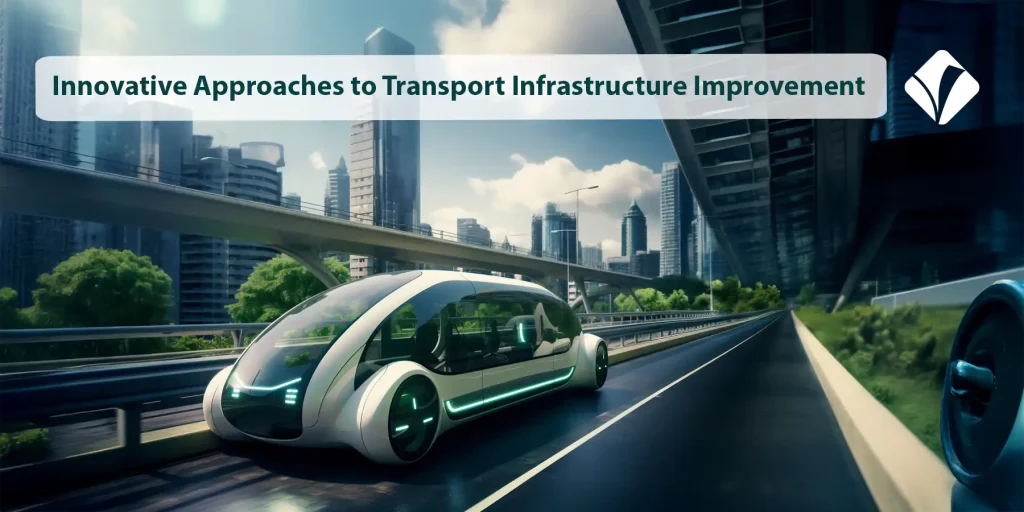
The rapid evolution of transport infrastructure is reshaping the way we connect and move in our increasingly interconnected world. From bridges and wharves to road transport systems, the backbone of our societies is undergoing a profound transformation, driven by innovative approaches and cutting-edge technologies. This revolution in transport infrastructure improvement is not only enhancing connectivity but also addressing pressing challenges such as traffic management and the need for efficient multimodal transport solutions.
To tackle these complex issues, industry leaders are exploring groundbreaking strategies that support transport infrastructure improvement. These include the integration of autonomous and connected systems, the implementation of nature-based solutions, the use of digital tools to optimize asset management, and the fostering of community engagement in infrastructure development. By embracing these forward-thinking approaches, stakeholders aim to create more resilient, sustainable, and user-centric transport networks that can meet the demands of our ever-changing world.
Embracing Autonomous and Connected Infrastructure
Transport infrastructure improvement relies on the adoption of autonomous and connected technologies. These innovations are revolutionizing the way roads are maintained, vehicles communicate, and infrastructure is inspected, leading to enhanced safety, efficiency, and cost-effectiveness.
Self-Healing Roads
One of the most groundbreaking advancements in transport infrastructure improvement is the development of self-healing concrete (SHC). This innovative material has the ability to repair fractures without human intervention, significantly extending the operational life of roads and reducing maintenance expenses. The process involves encapsulation-based technology, where healing agents are contained within discrete microcapsules embedded in the concrete matrix.
Cuando las grietas se propagan y llegan a la cápsula, los agentes curativos se liberan, reparando eficazmente la zona dañada. Este proceso de curación autónoma es especialmente beneficioso para infraestructuras expuestas al agua y la corrosión, como túneles y puentes. La curación está más localizada en comparación con los métodos tradicionales de curación autógena, lo que proporciona una solución específica para los daños en la infraestructura.
Researchers have explored various healing agents, including polymers, bacteria, and sodium silicate, as well as different capsule shell materials like gelatin, silicon, and glass. These materials are designed to extend the life of the healing agent, accelerate the reaction after cracking, and enhance the overall healing capability of the concrete.
Vehicle-to-Infrastructure Communication
Vehicle-to-infrastructure (V2I) communication represents a significant leap forward in creating smarter, safer roads. This two-way exchange of information between vehicles and smart road infrastructure, such as traffic signals and lane markings, aims to improve road safety and support efficient traffic management.
Smart signals play a crucial role in this system. Unlike standard traffic lights that change at specific intervals, smart traffic lights are equipped with cameras and sensors that detect the number of waiting vehicles in each lane. They can calculate the time needed to clear each side of the street and communicate with nearby signals to maximize traffic efficiency. These intelligent systems can also respond to data received from connected vehicles and mobility apps, further optimizing traffic flow.
Another application of V2I technology is smart parking. Connected parking spaces communicate with vehicles, providing real-time information about available spots and streamlining the parking process. This system has already been implemented in several countries, improving the parking experience for drivers and simplifying management for lot attendants.
Drone-Based Inspections and Maintenance
Drones have emerged as a game-changing tool for infrastructure inspections, offering a safer, more efficient, and cost-effective alternative to traditional methods. Departments of Transportation across various states are increasingly adopting autonomous drones to monitor and inspect critical infrastructure such as bridges and highways.
These unmanned aircraft systems (UAS) can access hard-to-reach areas and provide real-time data without causing major disruptions. They capture highly detailed images and data, offering critical insights for maintenance planning and decision-making. Some advanced drones, like those developed by Skydio, feature autonomous capabilities and can be operated by less experienced pilots, further simplifying the inspection process.
Implementing Nature-Based Solutions
The transport infrastructure improvement relies on nature-based solutions to address environmental challenges and enhance sustainability. These innovative approaches leverage natural processes and elements to improve infrastructure resilience, manage stormwater, stabilize slopes, and protect wildlife.
Green Infrastructure for Stormwater Management
La infraestructura verde ha surgido como una herramienta poderosa para complementar los sistemas tradicionales de drenaje de agua por tuberías en las calles urbanas. Este enfoque utiliza la vegetación, los suelos y los procesos naturales para capturar, infiltrar y evaporar el agua antes de que entre al sistema de tuberías. Al hacerlo, la infraestructura verde ayuda a reducir las inundaciones y la contaminación del agua, al tiempo que mejora la estética de la calle y aporta beneficios a la comunidad.
One effective green infrastructure solution is the implementation of bioswales. These shallow, open, planted channels are designed to convey runoff and remove pollutants. Bioswales serve as an alternative to piped drainage systems where space and grade allow. They slow water flow and trap sediments, thereby improving water quality. Studies have shown that effective bioswales can capture and filter out as much as 90 percent of solids, 80 percent of trace metals, oil, and grease, and about 65 percent of phosphorus from the collected runoff.
Los jardines de lluvia, también conocidos como sistemas de biorretención, son otro elemento valioso de infraestructura verde. Estos lechos de jardín o fosos para árboles urbanos especialmente diseñados incorporan sistemas de filtración de plantas y suelo para tratar la escorrentía de aguas pluviales. Algunos jardines de lluvia permiten que el agua se infiltre en los suelos subyacentes, mientras que otros están diseñados para recoger el agua tratada y transportarla aguas abajo.
Los pavimentos permeables son otra solución innovadora que permite que el agua de lluvia se filtre a través del pavimento hacia el suelo subyacente. Esta técnica reduce la escorrentía de aguas pluviales y ayuda a recargar el manto freático. Los pavimentos permeables se pueden alternar con superficies tradicionales para maximizar su eficacia.
Bioengineered Slope Stabilization
Bioengineering techniques have proven to be effective and cost-efficient solutions for stabilizing slopes along roadsides, quarries, gullies, and stream banks. These methods utilize living vegetation, either standalone or in combination with civil engineering structures and non-living plant materials, to reduce shallow-seated instability and prevent erosion.
One commonly used plant in bioengineering is vetiver grass (Chrysopogon zizanioides). This hardy species is extremely resilient and can survive deep inundation of up to 6 meters. Vetiver grass has been successfully employed in many countries for side-slope protection against rain-cut and wind-induced erosion. Studies have shown that vetiver application is approximately eight times cheaper than masonry wall protection and five times more cost-effective than the revêtement stone-slope protection system.
Other bioengineering techniques include seeding/mulching or turfing for grassing road embankments. These methods can be applied by truck-spraying a liquid mix of vegetative seeds and mulch, or by covering vegetative turfing with biodegradable geotextiles or geosynthetic nettings. For embankments less than three meters high, a mixture of straw/wood shavings and cow dung can be used as mulch and applied as a 2.5 cm layer, fixed in place with bamboo to prevent washing away.
Wildlife Crossings and Eco-Bridges
Wildlife crossings have gained acceptance as an effective strategy to mitigate the dangers posed by roads to both animals and motorists. These human-made highway crossings, designed specifically for animals, come in various forms such as bridges, overpasses, tunnels, viaducts, and culverts.
When successfully implemented, wildlife crossings can significantly reduce the likelihood of collisions, provide safe corridors for animal transit, and help reconnect fragmented animal habitats. For instance, in Banff National Park, Canada, a system of 44 wildlife crossings (six bridges and 38 underpasses) along the Trans-Canada Highway has documented more than 150,000 mammal crossings over two decades. This initiative has contributed to an 80 percent reduction in motor accidents involving wildlife.
Optimizing Asset Management through Digitalization for Transport Infrastructure Improvement
La transformación digital de la mejora de la infraestructura de transporte ha marcado el comienzo de una nueva era en la gestión de activos, aprovechando tecnologías de vanguardia para mejorar la eficiencia, la transparencia y los procesos de toma de decisiones. Este cambio tiene un impacto significativo en la forma en que se diseña, mantiene y opera la infraestructura.
Building Information Modeling (BIM)
Building Information Modeling (BIM) has emerged as a powerful tool in the realm of asset management. When combined with Augmented Reality (AR) technologies, BIM transforms into a functional decision support system. This integration maximizes both AR’s visualization capabilities and BIM’s information management advantages, creating a synergistic approach to infrastructure management.
La fusión de AR y BIM ofrece numerosos beneficios a lo largo del ciclo de vida de los proyectos de infraestructura. Durante la fase de construcción, minimiza los defectos y las repeticiones, lo que garantiza que los proyectos se mantengan dentro del cronograma y del presupuesto. Por ejemplo, se ha demostrado que las aplicaciones BIM-GIS en el diseño de prefabricación ahorran tiempo de construcción, aumentan la eficiencia y reducen el consumo de energía.
Post-construction, BIM continues to play a crucial role. The BIM-IKBMS application, for instance, has been suggested for building management after construction. This holistic lifecycle management approach extends the utility of BIM beyond the construction phase, ensuring optimal asset performance throughout its lifespan.
Augmented Reality for Maintenance
Augmented Reality (AR) has revolutionized equipment maintenance, repair, and overhaul (MRO) functions. AR applications overlay digital information and graphics onto the real-world environment, enhancing technicians’ perception and interaction with physical objects.
En términos prácticos, la RA permite al personal de mantenimiento:
- Examine and monitor engine parts with greater precision
- Analizar las operaciones de mantenimiento con mayor precisión y eficiencia
- Perform preventive and corrective maintenance on critical equipment
- Facilitate performance modeling and simulation
Aplicación de la RA en el mantenimiento ofrece varias ventajas clave:
- Augmented Visualization: AR overlays visual instructions and annotations onto equipment, guiding technicians through repair processes step by step.
- Real-Time Guidance: Technicians can access interactive virtual user manuals, providing relevant data for specific equipment faults.
- Equipment Simulations: AR creates detailed virtual representations of machinery, allowing technicians to practice troubleshooting procedures before working on real equipment.
- Digital Twin Integration: By integrating AR with digital twins of physical equipment, technicians can compare real-time performance data, identify discrepancies, and plan predictive maintenance.
Blockchain for Supply Chain Transparency
Blockchain technology has emerged as a game-changer in supply chain management, offering unprecedented levels of transparency and efficiency. This distributed ledger technology creates a tamper-evident record of transactions, providing a trusted shared view of data across complex systems with multiple participants.
The application of blockchain in supply chains addresses several critical challenges:
- Enhanced Traceability: Companies can demonstrate the provenance of their products, meeting regulatory requirements and customer demands.
- Improved Coordination: Blockchain enables seamless information exchange among partners, reducing execution and coordination problems.
- Streamlined Financing: The technology facilitates faster and more cost-efficient delivery of products by streamlining the financing process.
Real-world applications of blockchain in supply chain management are already yielding positive results. For instance, Walmart Canada has implemented blockchain with its trucking companies to synchronize logistics data, track shipments, and automate payments. This implementation has significantly improved supply chain visibility and efficiency.
As the transport infrastructure improvement continues to embrace these digital technologies, we can expect to see further improvements in asset management, maintenance efficiency, and supply chain transparency. These innovations are paving the way for more resilient, sustainable, and user-centric transport networks.
Fostering Community Engagement and Inclusivity for Transport Infrastructure Improvement
Transport infrastructure improvement has a significant impact on communities, shaping their way of life, culture, and social dynamics. To ensure that these projects align with the needs and values of the people they serve, fostering community engagement and inclusivity has become a crucial aspect of modern infrastructure planning.
Participatory Planning Processes
Participation has emerged as a powerful tool in sustainable development and public support for decisions. It has the potential to drive behavioral change among the populace and serves as an important strategic planning instrument. However, integrating the public into planning procedures remains a challenge in many cases.
Los expertos argumentan que convencer a los residentes sobre la utilidad de un proyecto sin considerar e incluir primero sus necesidades y expectativas a menudo conduce al fracaso tanto del proceso participativo como del proyecto en sí. El desafío principal radica en la falta de arreglos institucionales que puedan consolidar procesos participativos deliberativos y colaborativos y convertirlos en una parte permanente de la planificación diaria del transporte.
To address this, some innovative approaches have been developed. For instance, a project aimed at enhancing the quality of consultations concerning transport and infrastructure used foresight methodology and IT tools. This approach took into account the spatial scope of interests and long-term effects of decisions, while limiting the negative impact of individual characteristics and group processes on participation.
Social Impact Assessments
Social Impact Assessments (SIAs) play a crucial role in understanding and mitigating the effects of infrastructure projects on communities. These assessments focus on impacts beyond natural resources, including people’s way of life, culture, community cohesion, political systems, and health and well-being.
During an SIA, proponents are expected to identify stakeholder groups, collect baseline data on key social issues, and engage communities in the development process. This involves explaining methods used to gather information, identifying potential direct social impacts, and proposing mitigation measures.
However, challenges persist in the practical application of SIAs. Social perspectives can sometimes be overshadowed by economic or political interests, and the complex nature of social impacts can limit their measurability. This often results in crucial social impacts being overlooked in the planning stage.
Cultural Heritage Preservation
La preservación del patrimonio cultural es una consideración esencial en el proceso de mejora de la infraestructura de transporte. Muchas estructuras de transporte históricas no sólo son sitios de patrimonio cultural, sino también componentes activos de las redes modernas. Su preservación mantiene una conexión tangible con el pasado y contribuye a nuestra comprensión y apreciación de la historia.
Preserving these structures poses a unique challenge as they must strike a balance between operational standards and historical significance. It requires an approach that respects their historical importance while ensuring their reliability and safety for current users.
Cultural approaches in public infrastructure policies can lead to successful implementation, fostering community involvement and cooperation in infrastructure development projects. However, it’s crucial to recognize that infrastructure development can either support or threaten cultural preservation efforts, highlighting the importance of strategic planning and sustainable practices in balancing development with heritage conservation.
Ver



Know people who should read this? Become an Ambassador or write with Risalat.
Socios para el éxito de los proyectos desde 2011: diagnósticos, asesoría y aprendizaje aplicado para ministerios, organismos públicos y equipos de proyecto.
¿Necesita ayuda para llevar esto a la práctica?
Empiece con un diagnóstico gratuito de 10 minutos o hable con nuestros expertos.