要点总结
- Embracing Autonomous and Connected Infrastructure. Transport infrastructure improvement relies on the adoption of autonomous and connected technologies.
- Implementing Nature-Based Solutions. The transport infrastructure improvement relies on nature-based solutions to address environmental challenges and enhance sustainability.
- Optimizing Asset Management through Digitalization for Transport…. The digital transformation of transport infrastructure improvement has ushered in a new era of asset management, leveraging cutting-edge technologies to enhance efficiency, transparency…
- Fostering Community Engagement and Inclusivity for Transport…. Transport infrastructure improvement has a significant impact on communities, shaping their way of life, culture, and social dynamics.
- Watch. Know people who should read this? Become an Ambassador or write with Risalat.
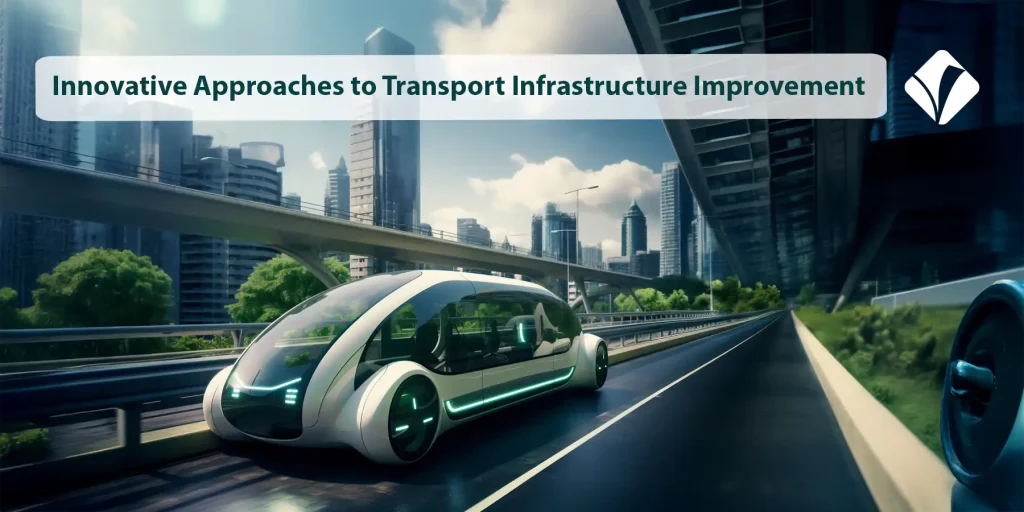
In short: Transport infrastructure improvement is unlocking new, efficient ways of transportation while easing traffic and enabling smart mobility.
The rapid evolution of transport infrastructure is reshaping the way we connect and move in our increasingly interconnected world. From bridges and wharves to road transport systems, the backbone of our societies is undergoing a profound transformation, driven by innovative approaches and cutting-edge technologies. This revolution in transport infrastructure improvement is not only enhancing connectivity but also addressing pressing challenges such as traffic management and the need for efficient multimodal transport solutions.
To tackle these complex issues, industry leaders are exploring groundbreaking strategies that support transport infrastructure improvement. These include the integration of autonomous and connected systems, the implementation of nature-based solutions, the use of digital tools to optimize asset management, and the fostering of community engagement in infrastructure development. By embracing these forward-thinking approaches, stakeholders aim to create more resilient, sustainable, and user-centric transport networks that can meet the demands of our ever-changing world.
Embracing Autonomous and Connected Infrastructure
Transport infrastructure improvement relies on the adoption of autonomous and connected technologies. These innovations are revolutionizing the way roads are maintained, vehicles communicate, and infrastructure is inspected, leading to enhanced safety, efficiency, and cost-effectiveness.
Self-Healing Roads
One of the most groundbreaking advancements in transport infrastructure improvement is the development of self-healing concrete (SHC). This innovative material has the ability to repair fractures without human intervention, significantly extending the operational life of roads and reducing maintenance expenses. The process involves encapsulation-based technology, where healing agents are contained within discrete microcapsules embedded in the concrete matrix.
当裂纹扩展并到达胶囊壳时,修复剂被释放,从而有效地修复受损区域。这种自主愈合过程对于暴露于水和腐蚀中的基础设施(如隧道和桥梁)特别有利。与传统的自愈合方法相比,这种愈合更加局部化,为基础设施损坏提供了有针对性的解决方案。
Researchers have explored various healing agents, including polymers, bacteria, and sodium silicate, as well as different capsule shell materials like gelatin, silicon, and glass. These materials are designed to extend the life of the healing agent, accelerate the reaction after cracking, and enhance the overall healing capability of the concrete.
Vehicle-to-Infrastructure Communication
Vehicle-to-infrastructure (V2I) communication represents a significant leap forward in creating smarter, safer roads. This two-way exchange of information between vehicles and smart road infrastructure, such as traffic signals and lane markings, aims to improve road safety and support efficient traffic management.
Smart signals play a crucial role in this system. Unlike standard traffic lights that change at specific intervals, smart traffic lights are equipped with cameras and sensors that detect the number of waiting vehicles in each lane. They can calculate the time needed to clear each side of the street and communicate with nearby signals to maximize traffic efficiency. These intelligent systems can also respond to data received from connected vehicles and mobility apps, further optimizing traffic flow.
Another application of V2I technology is smart parking. Connected parking spaces communicate with vehicles, providing real-time information about available spots and streamlining the parking process. This system has already been implemented in several countries, improving the parking experience for drivers and simplifying management for lot attendants.
Drone-Based Inspections and Maintenance
Drones have emerged as a game-changing tool for infrastructure inspections, offering a safer, more efficient, and cost-effective alternative to traditional methods. Departments of Transportation across various states are increasingly adopting autonomous drones to monitor and inspect critical infrastructure such as bridges and highways.
These unmanned aircraft systems (UAS) can access hard-to-reach areas and provide real-time data without causing major disruptions. They capture highly detailed images and data, offering critical insights for maintenance planning and decision-making. Some advanced drones, like those developed by Skydio, feature autonomous capabilities and can be operated by less experienced pilots, further simplifying the inspection process.
Implementing Nature-Based Solutions
The transport infrastructure improvement relies on nature-based solutions to address environmental challenges and enhance sustainability. These innovative approaches leverage natural processes and elements to improve infrastructure resilience, manage stormwater, stabilize slopes, and protect wildlife.
Green Infrastructure for Stormwater Management
绿色基础设施已成为补充城市街道传统管道排水系统的强大工具。这种方法利用植被、土壤和自然过程,在水进入管道系统之前对其进行收集、渗滤和蒸发。通过这样做,绿色基础设施有助于减少洪水和水污染,同时提升街道美观并为社区带来效益。
One effective green infrastructure solution is the implementation of bioswales. These shallow, open, planted channels are designed to convey runoff and remove pollutants. Bioswales serve as an alternative to piped drainage systems where space and grade allow. They slow water flow and trap sediments, thereby improving water quality. Studies have shown that effective bioswales can capture and filter out as much as 90 percent of solids, 80 percent of trace metals, oil, and grease, and about 65 percent of phosphorus from the collected runoff.
雨水花园(也称为生物滞留系统)是另一个有价值的绿色基础设施元素。这些专门设计的花坛或行道树坑结合了植物和土壤过滤系统来处理雨水径流。一些雨水花园允许水渗入底层土壤,而另一些则设计用于收集处理后的水并将其输送下游。
透水铺装是另一项创新解决方案,它允许雨水渗透通过路面进入下方土壤。这项技术减少了暴雨径流并有助于补充地下水。透水铺装可以与传统表面交替使用,以最大限度发挥其效用。
Bioengineered Slope Stabilization
Bioengineering techniques have proven to be effective and cost-efficient solutions for stabilizing slopes along roadsides, quarries, gullies, and stream banks. These methods utilize living vegetation, either standalone or in combination with civil engineering structures and non-living plant materials, to reduce shallow-seated instability and prevent erosion.
One commonly used plant in bioengineering is vetiver grass (Chrysopogon zizanioides). This hardy species is extremely resilient and can survive deep inundation of up to 6 meters. Vetiver grass has been successfully employed in many countries for side-slope protection against rain-cut and wind-induced erosion. Studies have shown that vetiver application is approximately eight times cheaper than masonry wall protection and five times more cost-effective than the revêtement stone-slope protection system.
Other bioengineering techniques include seeding/mulching or turfing for grassing road embankments. These methods can be applied by truck-spraying a liquid mix of vegetative seeds and mulch, or by covering vegetative turfing with biodegradable geotextiles or geosynthetic nettings. For embankments less than three meters high, a mixture of straw/wood shavings and cow dung can be used as mulch and applied as a 2.5 cm layer, fixed in place with bamboo to prevent washing away.
Wildlife Crossings and Eco-Bridges
Wildlife crossings have gained acceptance as an effective strategy to mitigate the dangers posed by roads to both animals and motorists. These human-made highway crossings, designed specifically for animals, come in various forms such as bridges, overpasses, tunnels, viaducts, and culverts.
When successfully implemented, wildlife crossings can significantly reduce the likelihood of collisions, provide safe corridors for animal transit, and help reconnect fragmented animal habitats. For instance, in Banff National Park, Canada, a system of 44 wildlife crossings (six bridges and 38 underpasses) along the Trans-Canada Highway has documented more than 150,000 mammal crossings over two decades. This initiative has contributed to an 80 percent reduction in motor accidents involving wildlife.
Optimizing Asset Management through Digitalization for Transport Infrastructure Improvement
交通基础设施改善的数字化转型开启了资产管理的新时代,利用尖端技术来提高效率、透明度和决策过程。这一转变对基础设施的设计、维护和运营方式产生了重大影响。
Building Information Modeling (BIM)
Building Information Modeling (BIM) has emerged as a powerful tool in the realm of asset management. When combined with Augmented Reality (AR) technologies, BIM transforms into a functional decision support system. This integration maximizes both AR’s visualization capabilities and BIM’s information management advantages, creating a synergistic approach to infrastructure management.
增强现实与建筑信息模型的融合为基础设施项目全生命周期带来了诸多益处。在施工阶段,它能最大程度地减少缺陷和返工,确保项目按时在预算内推进。例如,BIM与GIS在预制设计中的应用已被证明可以节省施工时间、提高效率并降低能耗。
Post-construction, BIM continues to play a crucial role. The BIM-IKBMS application, for instance, has been suggested for building management after construction. This holistic lifecycle management approach extends the utility of BIM beyond the construction phase, ensuring optimal asset performance throughout its lifespan.
Augmented Reality for Maintenance
Augmented Reality (AR) has revolutionized equipment maintenance, repair, and overhaul (MRO) functions. AR applications overlay digital information and graphics onto the real-world environment, enhancing technicians’ perception and interaction with physical objects.
In practical terms, AR enables maintenance personnel to:
- Examine and monitor engine parts with greater precision
- 更准确、更高效地分析维护运营
- Perform preventive and corrective maintenance on critical equipment
- Facilitate performance modeling and simulation
AR’s application in maintenance 具有以下几项关键优势:
- Augmented Visualization: AR overlays visual instructions and annotations onto equipment, guiding technicians through repair processes step by step.
- Real-Time Guidance: Technicians can access interactive virtual user manuals, providing relevant data for specific equipment faults.
- Equipment Simulations: AR creates detailed virtual representations of machinery, allowing technicians to practice troubleshooting procedures before working on real equipment.
- Digital Twin Integration: By integrating AR with digital twins of physical equipment, technicians can compare real-time performance data, identify discrepancies, and plan predictive maintenance.
Blockchain for Supply Chain Transparency
Blockchain technology has emerged as a game-changer in supply chain management, offering unprecedented levels of transparency and efficiency. This distributed ledger technology creates a tamper-evident record of transactions, providing a trusted shared view of data across complex systems with multiple participants.
The application of blockchain in supply chains addresses several critical challenges:
- Enhanced Traceability: Companies can demonstrate the provenance of their products, meeting regulatory requirements and customer demands.
- Improved Coordination: Blockchain enables seamless information exchange among partners, reducing execution and coordination problems.
- Streamlined Financing: The technology facilitates faster and more cost-efficient delivery of products by streamlining the financing process.
Real-world applications of blockchain in supply chain management are already yielding positive results. For instance, Walmart Canada has implemented blockchain with its trucking companies to synchronize logistics data, track shipments, and automate payments. This implementation has significantly improved supply chain visibility and efficiency.
As the transport infrastructure improvement continues to embrace these digital technologies, we can expect to see further improvements in asset management, maintenance efficiency, and supply chain transparency. These innovations are paving the way for more resilient, sustainable, and user-centric transport networks.
Fostering Community Engagement and Inclusivity for Transport Infrastructure Improvement
Transport infrastructure improvement has a significant impact on communities, shaping their way of life, culture, and social dynamics. To ensure that these projects align with the needs and values of the people they serve, fostering community engagement and inclusivity has become a crucial aspect of modern infrastructure planning.
Participatory Planning Processes
Participation has emerged as a powerful tool in sustainable development and public support for decisions. It has the potential to drive behavioral change among the populace and serves as an important strategic planning instrument. However, integrating the public into planning procedures remains a challenge in many cases.
专家认为,如果在不考虑并纳入居民需求和期望的情况下盲目说服居民相信项目的实用性,往往会导致参与过程和项目本身的双重失败。核心挑战在于缺乏能够巩固审议式、协作式参与过程并使其成为日常交通规划持久组成部分的体制安排。
To address this, some innovative approaches have been developed. For instance, a project aimed at enhancing the quality of consultations concerning transport and infrastructure used foresight methodology and IT tools. This approach took into account the spatial scope of interests and long-term effects of decisions, while limiting the negative impact of individual characteristics and group processes on participation.
Social Impact Assessments
Social Impact Assessments (SIAs) play a crucial role in understanding and mitigating the effects of infrastructure projects on communities. These assessments focus on impacts beyond natural resources, including people’s way of life, culture, community cohesion, political systems, and health and well-being.
During an SIA, proponents are expected to identify stakeholder groups, collect baseline data on key social issues, and engage communities in the development process. This involves explaining methods used to gather information, identifying potential direct social impacts, and proposing mitigation measures.
However, challenges persist in the practical application of SIAs. Social perspectives can sometimes be overshadowed by economic or political interests, and the complex nature of social impacts can limit their measurability. This often results in crucial social impacts being overlooked in the planning stage.
Cultural Heritage Preservation
保护文化遗产是交通基础设施改善过程中的一个重要考量。许多历史交通结构不仅是文化遗产场所,也是现代网络的活跃组成部分。保护这些结构维持了与过去的现实联系,并促进了我们对历史的理解和欣赏。
Preserving these structures poses a unique challenge as they must strike a balance between operational standards and historical significance. It requires an approach that respects their historical importance while ensuring their reliability and safety for current users.
Cultural approaches in public infrastructure policies can lead to successful implementation, fostering community involvement and cooperation in infrastructure development projects. However, it’s crucial to recognize that infrastructure development can either support or threaten cultural preservation efforts, highlighting the importance of strategic planning and sustainable practices in balancing development with heritage conservation.
观看



- 《联合国气候变化框架公约》 UNFCCC
- World Bank: Transport 世界银行
Know people who should read this? Become an Ambassador or write with Risalat.
自2011年以来始终是项目成功的合作伙伴,为政府部委、公共机构和项目团队提供诊断评估、咨询支持与应用型学习。