حقائق رئيسية
- المواعيد
- 1–5 فبراير 2027 (5 أيام)
- المكان
- Samnang Laor Hotel، بنوم بنه، كمبوديا
- الرسوم لكل مشارك
- £3,750 (GBP)
- الدفع
- بالفاتورة والتحويل المصرفي
- إغلاق التسجيل
- 23 ديسمبر 2026
- لمن هذا البرنامج
- Rural road infrastructure project planning heads, managers, and coordinators; Road engineers and designers; Environmental and Social Safeguards spe…
- الشهادة
- شهادة إتمام
- الخيار المؤسسي
- نفّذه لفريقك، في المواعيد التي تناسبك
نظرة عامة على البرنامج
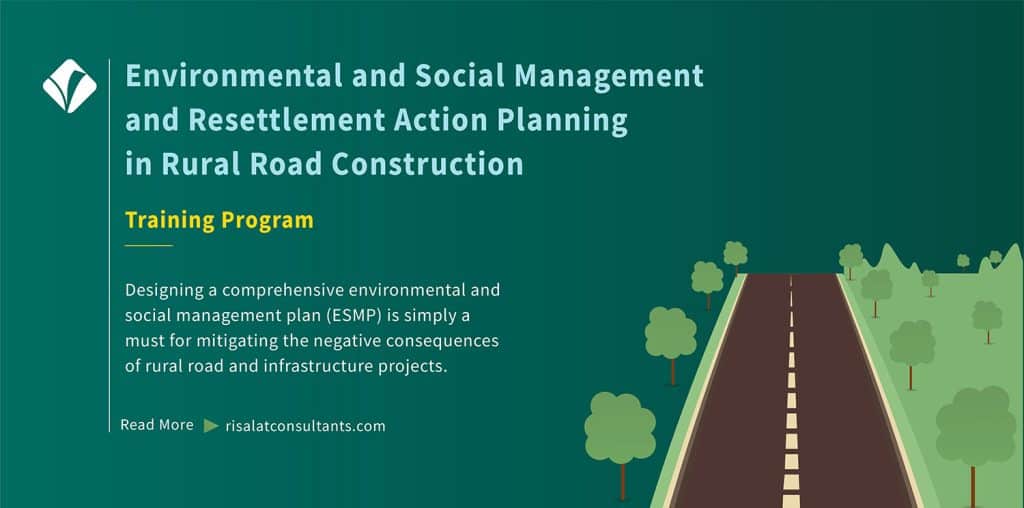
According to the ADB, nearly one billion people globally have limited access to road infrastructure. The absence of roads is particularly critical for the rural population. It not only impedes their mobility but also curbs their potential to benefit from development initiatives. Rural connectivity is a critical pathway to poverty alleviation, serving as the basis for inclusive socioeconomic growth. However, as rural areas frequently host fragile ecosystems and strong social patterns, construction activities might also result in undue harm. Therefore, designing a comprehensive environmental and social management plan (ESMP) is simply a must for the mitigation of such negative consequences.
This training programme has exclusively been developed by Risalat to aid governmental staff and development personnel in the design and implementation of rural road construction projects with environmental and social implications in mind. Programme content is aligned with the guidelines of major donor institutions financing infrastructure development. As a result of this programme, its delegates are expected to demonstrate a detailed understanding of environmental and social management and resettlement action planning. Moreover, they shall develop and enhance key skills required for responsible and sustainable infrastructure expansion groundwork.
الفئة المستهدفة
Training on Environmental and Social Management and Resettlement Action Planning has primarily been designed for governmental personnel and development practitioners. This is due to the role they play in initiating, coordinating, and implementing infrastructure projects. Having programmatic knowledge is essential for their work performance and is required and expected from international donor institutions. However, training content can prove highly beneficial for a diverse range of professionals including but not limited to:
- Rural road infrastructure project planning heads, managers, and coordinators
- Road engineers and designers
- Environmental and Social Safeguards specialists
- تنمية المجتمع specialists
- Governmental personnel
- العاملون في مجال التنمية
- Resettlement and livelihoods specialists
- أعضاء المنظمات غير الحكومية المحلية والدولية
- Financiers and Donor Agencies
- قادة المجتمع
- Contractors and construction workers
حدّد ما يحتاج فريقك إلى القدرة على إنجازه.
أهداف البرنامج
The programme intends to enable its delegates to effectively manage the environmental, social, and resettlement aspects of rural road projects. Its graduates shall form a part of a well-informed and skilled cohort of professionals who can contribute to responsible, sustainable, and inclusive rural development.
Specific objectives as below can speak for the performance of the programme. Upon the successful completion, delegates are expected to:
- Comprehend the significance of environmental and social management plans for infrastructure development initiatives, particularly rural road projects.
- Analyze potential impacts of rural road projects on the environment, communities, and their livelihoods.
- Understand the regulatory framework governing environmental and social aspects of infrastructure projects and learn how to align E&S and resettlement planning with international donor regulations.
- Employ best practices for avoidance and minimization of negative environmental impacts of rural road construction projects from erosion control, waste management, and habitat preservation to pollution prevention, sustainable use of water resources, and biodiversity preservation.
- Manage social impacts of rural road projects by understanding community dynamics and preserving cultural heritage.
- Develop effective resettlement action plans that support the active rebuilding of livelihoods.
- Engage stakeholders and define an effective communication plan.
- Assess the performance of E&S mitigation measures and plan for improvement.
محتوى البرنامج
- Rural connectivity, infrastructure, and development
- Implications of rural road development – What are the potential environmental and social impacts?
- Legal and regulatory framework for E&S management
- Social and cultural specificities of rural areas
- International standards and guidelines for E&S management
- تصنيف المخاطر البيئية والاجتماعية
- خطة الالتزامات البيئية والاجتماعية
- Overview of Environmental and Social Impact Assessment (ESIA)
- Environmental management in rural road construction
- Erosion control and sedimentation prevention
- Waste management
- Resource efficiency, pollution prevention, and abatement in rural road construction
- Labor and working conditions in rural road construction
- Community health and safety
- Land acquisition and restrictions on land use
- إعادة التوطين القسري
- Designing a resettlement action plan (RAP)
- Compensation, livelihood restoration, and community support
- Biodiversity conservation and sustainable management of living natural resources
- Indigenous peoples
- Local cultures, traditions, and cultural sensitivity
- Preservation of cultural heritage
- Information disclosure
- Addressing community concerns
- Stakeholder engagement planning and implementation
- The last day of the programme shall be dedicated to the exposure visit and study tour to a selected rural road construction site in the host country.
- Throughout the day, training delegates shall meet subject-matter experts working on the development of rural infrastructure and engage in panel…
المحتوى الكامل يوماً بيوم
First day
- Rural connectivity, infrastructure, and development
- Implications of rural road development – What are the potential environmental and social impacts?
- Legal and regulatory framework for E&S management
- Social and cultural specificities of rural areas
- International standards and guidelines for E&S management
- تصنيف المخاطر البيئية والاجتماعية
- خطة الالتزامات البيئية والاجتماعية
اليوم الثاني
- Overview of Environmental and Social Impact Assessment (ESIA)
- Environmental management in rural road construction
- Erosion control and sedimentation prevention
- Waste management
- Resource efficiency, pollution prevention, and abatement in rural road construction
- Labor and working conditions in rural road construction
Third day
- Community health and safety
- Land acquisition and restrictions on land use
- إعادة التوطين القسري
- Designing a resettlement action plan (RAP)
- Compensation, livelihood restoration, and community support
- Biodiversity conservation and sustainable management of living natural resources
اليوم الرابع
- Indigenous peoples
- Local cultures, traditions, and cultural sensitivity
- Preservation of cultural heritage
- Information disclosure
- Addressing community concerns
- Stakeholder engagement planning and implementation
Fifth Day – Full-day exposure visit and panel discussions
The last day of the programme shall be dedicated to the exposure visit and study tour to a selected rural road construction site in the host country. Throughout the day, training delegates shall meet subject-matter experts working on the development of rural infrastructure and engage in panel discussions around key challenges and best practices.
منهجية البرنامج
The programme focuses on enhancing practical skills and knowledge of Environmental and Social Management and Resettlement Action Planning. The presentation, exercises, simulations, case studies, and discussion questions are explicitly tailored to professionals working on E&S management in rural infrastructure development, specifically road projects.
تُوجّه منهجية تعليم الكبار المجرّبة ومبادئها العملية بأكملها، بهدف تعظيم فعالية التقديم وإحداث أثر طويل الأمد. وتستهدف الزيارات الميدانية والجولات الدراسية، إلى جانب حلقات النقاش، تعزيز القدرات في الواقع العملي.
نبذة عن البلد المضيف للبرنامج
The kingdom of Cambodia has showcased significant improvements in rural road systems throughout recent years. However, transportation costs are still on the higher end. As roads are the major transportation mode, intensive investments are needed, especially in rural areas. Rural roads represent over 75% of the entire network of which only slightly over 5% have been paved so far.
The Cambodian Government has been actively partnering with the World Bank, the ADB, the EIB, and JICA to accelerate investments in rural road connectivity. The country has accumulated substantial expertise in E&S management of rural road projects including the Resettlement Action Planning and has exhibited success stories over the last decade.
مخرجات الدورة
سيحظى المشاركون بتجربة متكاملة الخدمات تغطي كل ما يلزم قبل البرنامج وأثناءه وبعده:
قبل البرنامج
- تقييم مسبق للمشاركين لضمان تحضير فعّال
- دعم واستشارات مجانية بشأن التأشيرة (يتولى فريقنا معالجة طلبات التأشيرة الإلكترونية بالكامل)
أثناء البرنامج
- الاستقبال من المطار والمساعدة عند الوصول
- إقامة مع الإفطار طوال مدة البرنامج
- عشاء ترحيبي للتعارف والتواصل مع المشاركين الآخرين وفريق Risalat
- حقيبة Risalat التدريبية، وتشمل: حقيبة، وقارورة ماء، وكوب قهوة، وقميصاً، وقبعة، وغلاف جواز سفر، وأقلاماً، ودفتراً، ومغناطيساً، وميدالية مفاتيح
- وجبة غداء يومية خلال أيام التدريب
- دليل شامل للدورة ومواد تدريبية
- نماذج وأدوات وأوراق عمل قائمة على المشاريع
- جهاز Mini Pad / جهاز لوحي للوصول الميسّر إلى الموارد الرقمية
- دراسات حالة رقمية وحزم قراءة ومواد مرجعية
- الوصول إلى مجموعات بيانات نموذجية وتمارين عملية
- زيارة ميدانية (حسب الاقتضاء)
- مرطبات مجانية والاستفادة الكاملة من مرافق مكان التدريب
- الوصول إلى موارد التعلم عبر الإنترنت
- جولة ترفيهية في المدينة
- شهادة الإتمام
- جائزة Risalat تقديراً للمشاركة في البرنامج
بعد البرنامج
- الدعم بعد التدريب وإرشادات المتابعة
- تقرير البرنامج
جميع البرامج في بنوم بنهالمزيد من برامج تغير المناخ والبيئة
لماذا بنوم بنه لهذا البرنامج
اختيرت بنوم بنه، كمبوديا، لهذا البرنامج لسهولة الوصول إليها بالنسبة للمشاركين المتوقعين ولتوفر أماكن مناسبة للتدريب العملي والتفاعلي.
The Environmental and Social Management and Resettlement Action Planning in Rural Road Construction programme in February 2027 brings together officials and professionals. Sessions combine short inputs, case studies and group work on participants' own files, and the city's institutions can be added as a study visit on request.
تحقق مما إذا كنت بحاجة إلى تأشيرة عبر أداة التحقق من التأشيرة المجانية، واطلب خطاب دعوة بعد إتمام تسجيلك.
£3,750 لكل مشارك · فاتورة وتحويل مصرفي · تحصل المجموعات المكونة من 5 مشاركين أو أكثر على خصم
خمسة مشاركين أو أكثر من مؤسسة واحدة: اطلبوا سعر المجموعة عند طلب الفاتورة.
Ten or more: an in-house version for your institution may cost less per person. Ask for an in-house quote.
Registration closes in 51 days (23 Dec 2026)
الموضوع نفسه في مدن أخرى
- برنامج تدريبي في إدارة المخاطر البيئية والاجتماعية لإعادة الإعمار بعد الفيضانات في إسطنبول (إسطنبول)
- برنامج تدريبي في الحماية الاجتماعية الرقمية: الحماية الاجتماعية المدعومة بالذكاء الاصطناعي وإدارة الحالات المتكاملة (لشبونة)
- برنامج تدريبي في أساسيات إنشاء الطرق وصيانتها (هانوي)
- التفاوض والدبلوماسية مع أصحاب المصلحة للمسؤولين الحكوميين (جنيف)
- برنامج تدريبي في الحد من العنف القائم على النوع الاجتماعي والوقاية منه (الدوحة)
- برنامج تدريبي في النزوح والهجرة القسرية وحقوق الإنسان في برشلونة
برامج أخرى في بنوم بنه
- برنامج تدريبي في العمليات والإدارة المالية في بنوم بنه
- برنامج تدريبي في المساواة بين الجنسين والإدماج الاجتماعي والموازنة المراعية للنوع الاجتماعي
- برنامج تدريبي في الحد من مخاطر الكوارث والإنذار المبكر في بنوم بنه
- برنامج تدريبي في إدارة الطوارئ والتأهب للكوارث في كمبوديا
- برنامج تدريبي في مهارات إدارة الموارد البشرية والشؤون الإدارية في بنوم بنه
المزيد من الدورات التدريبية في كمبوديا · جميع البرامج في آسيا · تقويم التدريب الكامل