
The future of risk management looks grim – experts predict we’ll face 1.5 major disasters every day by 2030. This stark reality proves why disaster insurance needs to work better than ever before. The global insurance gap hit $7 trillion in 2021, which equals 730 basis points of global GDP.
Vulnerable regions feel the effects of this protection gap most severely. The European Union’s statistics paint a clear picture – only a quarter of climate-related losses have insurance coverage. Things look even worse in low and middle-income countries. These nations make up 90% of the 20 most vulnerable regions and struggle with an average national poverty rate of 34%. The insurance industry brings hope through disaster risk management strategies. Their rapid-payment systems deliver 3.5 times more value than delayed aid.
This piece will help you learn about the role disaster insurance in risk management. You’ll get a full picture of coverage types and practical steps to shield against catastrophic events.
Key Insurance Types for Disaster Protection
Disaster insurance solutions are a vital part of protecting against catastrophic events. The insurance industry has developed three different types of coverage that help manage disaster risks.
Traditional Indemnity Insurance Coverage
Standard homeowners policies protect against many natural disasters from tornadoes to lightning strikes. These policies also cover other dangers like windstorm, hail, explosion, riot, civil commotion, aircraft damage, and vandalism.
All the same, some catastrophic events don’t fall under standard coverage. People need separate disaster insurance for events such as flood via National Flood Insurance Programs or private insurers. The same goes for earthquake protection, which must be bought either as a standalone policy or added to existing coverage.
Parametric Insurance Solutions
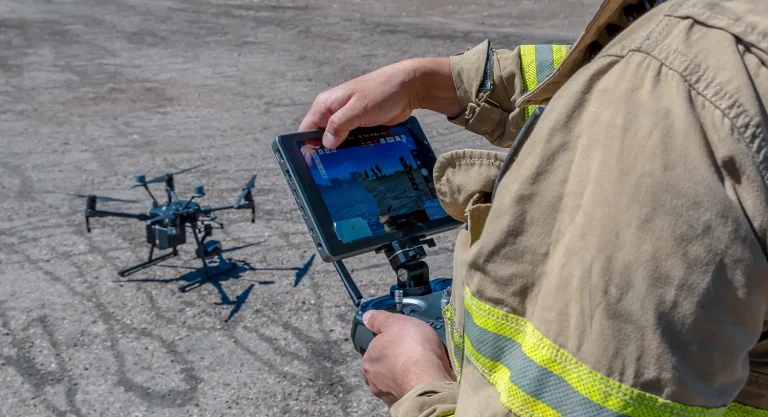
Parametric disaster insurance brings a fresh approach to protection. These policies work differently from traditional ones. Instead of evaluating actual losses, they pay out based on specific triggers like wind speeds or rainfall levels. They make use of information from satellite imagery, drones, and advanced weather stations.
The Caribbean Catastrophe Risk Insurance Facility (CCRIF) shows how well this works. It has given out more than 300 million USD to help countries bounce back from earthquakes, tropical storms, and heavy rainfall. Parametric insurance’s quick payment system works 3.5 times better than delayed aid.
Swiss Re teamed up with Guy Carpenter and ICEYE to create a trailblazing parametric flood insurance policy. This policy offers up to USD 1.1 million in emergency funding. The team also launched the Horn of Africa DRIVE project, which provides affordable disaster insurance to pastoralists in Ethiopia, Djibouti, Kenya, and Somalia.
Microinsurance for Vulnerable Communities
Microinsurance helps protect economically disadvantaged populations from disasters. This special coverage includes several types of protection:
- Life Insurance: Guards policyholders and their families against death and disability
- Health Insurance: Takes care of healthcare costs from illness and medical treatment
- Agricultural Insurance: Protects livestock, crops, and weather-related risks
- Property Insurance: Guards against damage to assets and property
Microinsurance has made a big difference in disaster-prone regions. The Pacific Insurance and Climate Adaptation Program (PICAP) launched a climate and disaster risk parametric micro-insurance product in Vanuatu, where small business owners can’t afford traditional insurance. This new solution provides coverage up to 1000 USD and processes payouts within 14-21 days after tropical cyclones.
Microinsurance does more than protect individuals. India’s experience shows how it helps transfer risks from poor households to insurance markets, which reduces recovery costs when millions face disaster-related poverty. This financial tool helps break the poverty cycle while reducing disaster impacts.
Microinsurance adapts to meet local needs in different regions. Asian programs support farming communities by protecting their work against unexpected events. Programs in Colombia and Sub-Saharan Africa focus on basic services like prenatal and maternal care, showing how microinsurance can serve different community needs.
How Insurance Companies Assess Disaster Risk
Risk assessment is the life-blood of how insurance companies handle disaster management. Insurance companies use sophisticated methods and data analysis to set coverage terms and pricing strategies that protect everyone’s interests.
Risk Assessment Methods
Insurance companies use complete risk assessment techniques that combine three essential components. They assess hazards by analyzing how catastrophic events spread across space and time. Next, they look at exposure by exploring assets that could face losses to find their location, value, and construction features. They also study vulnerability by finding links between hazard intensity and possible damage for different asset types.
These companies use probabilistic catastrophe models that changed everything since the 1980s. The models create systematic ways to price and manage complex risk portfolios. Historical data gives valuable insights, but insurers know its limits, especially with unrecorded past events.
Data Collection and Analysis
Good disaster risk data helps risk management strategies work better. Insurance companies get information from many sources to boost their assessment accuracy. The core team collects weather and climate forecasts from national and international agencies to get precise historical data about:
- Precipitation levels
- Temperature variations
- Tidal movements
- Wind speeds
- Soil moisture levels
- Ground shaking patterns
This data helps insurers develop risk assessment models that show how future weather events might affect finances. Insurance companies help countries create custom financial protection strategies through funding and expertise.
Risk Pricing Models
Catastrophe risk insurance pricing follows market patterns that switch between hard markets (demand exceeds supply) and soft markets (supply exceeds demand). Insurance premiums have several key parts:
- Annual Expected Loss (AEL)- Also called pure premium, this shows the average yearly loss calculated over a long time.
- Expense Load – This covers non-loss expenses that include:
- Start-up costs
- Operational expenses
- Marketing costs
- Claims adjustment expenses
- Monitoring costs
- Contingency Load – This part pays insurers to bear risks and includes:
- Cost of equity capital
- Risk transfer mechanisms
- Reinsurance premiums
- Alternative risk transfer instruments
Natural disaster risks create unique challenges because they often hit many policyholders at once, unlike car insurance risks. Insurance companies must keep substantial equity capital or get more reinsurance to process large payouts after major disasters.
Insurance companies don’t deal very well with indirect and downstream costs, especially business disruptions and chain reactions from power outages or water supply problems. They use sophisticated catastrophe risk-modeling techniques that simulate extreme losses based on frequency and severity patterns to address this challenge.
Insurance statistics rely on the law of large numbers – as more people get insured, the average loss per policy gets closer to what’s expected. But with catastrophic events, actual losses can be nowhere near expected losses. This is a big deal as it means that insurers need resilient risk assessment frameworks.
Insurance Claim Process During Disasters
Quick action in filing disaster insurance claims plays a vital role in managing disaster risks. You’ll find the recovery process much smoother if you know the right procedures and required documents beforehand.
Filing Emergency Claims
You should contact your insurance providers right after a disaster to start your claims. Start by getting these essential documents together:
- Policy information and claim numbers
- Detailed photographs of damaged property
- Lists of affected items with brand details, model numbers, and serial numbers
- Records of all expenses related to temporary repairs
Take photos or videos to document the damage before starting repairs. Keep damaged items in place until the insurance adjuster completes their assessment. Safety issues might force you to remove items – in such cases, take plenty of photos first.
Keep complete records of:
- All conversations with insurance representatives
- Emails from authorities regarding evacuation orders
- Proof of road closures affecting property access
- Documentation of service interruptions
Fast-Track Claim Settlement
Insurance companies will speed up claim processing when policyholders face urgent financial hardship. These situations require insurers to quickly assess and decide on claims. They often provide advance payments within five business days once urgent need is shown.
Insurance companies send specialized adjustment teams during catastrophic events. You might need multiple adjusters with specific expertise for different types of claims. State-run insurance pools might assign additional adjusters if you have flood insurance or separate wind damage coverage.
The settlement process moves faster when you:
- Set up dedicated accounting codes that line up with policy coverage
- Get written quotes for both temporary and permanent repairs
- Create tracking documents identifying insurer requests and response timelines
- Keep proof of all recovery-related expenses
Business interruption claims need:
- Financial records showing pre-disaster income
- Monthly sales tax returns
- Business contracts
- Budgets and financial statements
Policyholders can ask for a review up to 12 months after settlement if claims are finished within one month of a catastrophe. This option will give a full picture of all losses, even after the original claim is settled.
Your claims will process more efficiently if you:
- Set up clear communication protocols with adjustment teams
- Fix new problems quickly to avoid disputes later
- Work with forensic accountants on complex claims
Most policies cover reasonable expenses for temporary repairs that prevent further damage. Check with your insurer before making repairs since unauthorized work might not qualify for reimbursement.
The claims process needs a balance between immediate needs and proper documentation. Fast-track settlements help with quick financial relief, but detailed records are vital for complete recovery.
Technology Innovations in Disaster Insurance
Modern technology is reshaping how we manage disaster risks. New breakthroughs help us review risks more accurately and process claims faster. These developments give us better ways to protect people through affordable insurance tools.
Satellite-Based Risk Assessment
Earth observations from space now provide massive amounts of data that help make better disaster management decisions. Insurers use remote sensing to get vital information about Earth’s surface without physical contact, which leads to precise risk reviews.
Satellites help insurers in three main areas:
- Hazard assessment and crisis management
- Vulnerability and exposure mapping
- Post-disaster response coordination
The Copernicus rapid mapping service shows what satellites can do by delivering Earth Observation data within 24 hours to 5 days. Satellite monitoring spots structural risks in vital infrastructure. This helps insurers to:
- Spot potential hazards early
- Keep watch over assets
- Calculate climate change effects
This approach leads to better premium pricing and improved loss ratios. Satellite-based parametric insurance offers the quickest way to provide coverage against extreme weather in areas that lack environmental data.
Blockchain for Claims Processing
Blockchain brings secure and economical solutions to insurance operations. The global blockchain insurance market started at almost 200 million USD in 2020 and should reach nearly 1 billion USD in seven years.
Smart contracts are the life-blood of blockchain systems. They automate claims by:
- Making insurance claims transparent
- Creating permanent records that hold parties accountable
- Making cross-border payments instant
The Lemonade Crypto Climate Coalition shows blockchain at work by helping 7,000 Kenyan farmers through automated crop insurance based on rain data. The system calculates weather risks and handles claims through smart contracts, paying out quickly when weather events happen.
AI-Powered Risk Models
AI is changing how we review risks with advanced analytics. Machine learning systems analyze data from many sources to create detailed risk profiles. These models process information from:
- Claims reports
- Communication records
- Application forms
- Telematics data
- Social media inputs
The National Observatory of Athens pairs Earth Observation with AI to build machine learning models that predict fire risks. Project Sunny Lives in India uses AI and machine learning to review vulnerability by analyzing satellite images of homes in low-income areas.
AI makes disaster risk management better through:
- Improved risk assessment and fraud detection
- Faster claims processing
- Better customer services
- Automated underwriting
Natural Language Processing (NLP) reads customer sentiment in reviews and social media posts to help assess risk levels. Computer vision looks at images and videos of damaged properties to ensure fair claim reviews.
These technologies work together to create a full disaster management solution. Drones work with AI prediction models to create detailed hazard maps and find survivors with thermal imaging. Japanese systems now offer:
- Live traffic maps
- Flood sensor updates
- GPS population tracking
These breakthroughs help us get a full picture of disaster risks and effects. Cloud computing and big data analytics let insurers make use of information to spot patterns that improve risk management.
Public-Private Insurance Partnerships
Public and private sectors work together to create reliable frameworks for disaster insurance. These partnerships fill coverage gaps through new risk-sharing approaches that make insurance more available and affordable in communities of all types.
Government Insurance Programs
The National Flood Insurance Program (NFIP) shows how public-private partnerships succeed. It serves 4.7 million policyholders nationwide through more than 50 insurance companies. NFIP stands as the nation’s largest single-line insurance program and provides nearly 1.25 trillion USD in coverage against flood risks.
The Federal Insurance and Mitigation Administration (FIMA) runs these programs. Their focus includes:
- Breaking damage cycles that hurt homes and businesses
- Reducing loss of life and property
- Minimizing disaster suffering
The Federal crop insurance program gives vital protection to agricultural sectors, no matter the disaster’s size. The Risk Management Agency works with Approved Insurance Providers to settle claims quickly. Producers need to report crop damage within 72 hours of finding it and submit written documentation within 15 days.
Risk Sharing Mechanisms
Risk allocation in public-private partnerships follows a simple principle: risks go to parties that can handle them best. This creates:
- The most efficient risk allocation
- Lower project costs
- Better value for money
Insurance companies use several methods to handle catastrophic risks:
- Third-party liability coverage
- Contractors’ all-risk insurance
- Consequential loss protection
- Political risk safeguards
The Disaster Risk Financing and Insurance Program (DRFIP) shows how risk-sharing works through custom financial strategies. The program helps:
- National and local governments
- Homeowners and businesses
- Agricultural producers
- Low-income populations
Simple theory doesn’t always mean easy practice. Risk transfer costs must match potential benefits. Moving risks to unsuitable parties reduces value. A detailed risk assessment answers two basic questions:
- Which party controls risk occurrence better?
- Who handles risk outcomes more effectively?
Central Asian governments rely mostly on reserve funds and budget shifts to respond to disasters. The Kyrgyz Republic led the way by starting mandatory disaster insurance in 2015 with a public-private pool. Turkey’s Catastrophe Insurance Pool (TCIP) offers another success story by insuring about 50% of houses by 2023.
The Insurance Development Forum (IDF) makes these partnerships stronger by:
- Making better use of insurance
- Creating greater resilience
- Protecting communities and businesses
IDF learns more about natural hazard risks through its work with RenaissanceRe. Their Risk Modeling Steering Group tackles:
- Building catastrophe risk modeling capabilities
- Sharing useful datasets
- Making sure results stay reliable
The International Cooperative and Mutual Insurance Federation teams up with UNDRR to build insurance sectors that follow Sendai guidelines. They focus on:
- Making business cases about resilience
- Creating implementation guidelines
- Setting up regulatory frameworks
Public and private sectors can’t handle major disaster effects alone. Economic growth and city expansion make these partnerships more important than ever for managing risks sustainably.
Practical Steps to Choose Disaster Insurance
The right disaster insurance needs a careful look at several factors to get complete protection against catastrophic events. A step-by-step review of policies helps people make smart decisions about their coverage needs.
Assessing Coverage Needs
Your disaster insurance coverage should start with a detailed look at potential risks and assets. Take a good look at your property’s location to spot region-specific hazards that could shape your coverage needs. The next step is to make a complete inventory of your belongings. This should list:
- Brand details and model numbers
- Serial numbers of valuable items
- Purchase receipts and estimated values
- Photos or videos of possessions
Keep this inventory documentation safe away from your home. You can leave it with trusted family members or save it digitally. Your property’s replacement cost is vital since the insurance-to-value ratio directly shapes how claims get settled.
Comparing Policy Options
Once you know your coverage needs, take time to review available disaster insurance options. Here are the key things to think about:
Coverage Types:
- Named-perils coverage: Protects against specifically listed events
- All-risk coverage: Gives broader protection and excludes only listed perils
Settlement Options:
- Actual Cash Value (ACV): Pays replacement cost minus depreciation
- Replacement Cost: Covers full replacement without depreciation
- Extended Replacement Cost: Has additional coverage beyond policy limits
Look at several disaster insurance providers because premium costs can vary a lot. Focus on policies that give enough protection against disasters common in your area. Remember that standard homeowner policies usually don’t cover flood, earthquake, and nuclear radiation damage.
Understanding Policy Terms
A good grasp of policy terms is vital for managing disaster risk well. Every insurance contract has four basic parts:
Declaration Page:
- Shows who’s insured
- Lists covered risks
- States policy limits
- Shows coverage period
Insuring Agreement:
- Spells out what the insurance company promises
- Lists covered services
- Explains liability protection
Exclusions:
- Shows uncovered perils
- Lists excluded losses
- Names exempt property
Conditions:
- Lists claim filing requirements
- Sets property protection guidelines
- Explains investigation cooperation terms
Most policies come with endorsements and riders that change the original contract terms. Take time to review these changes to see how they affect your coverage. Check if your policy includes building code upgrade coverage, which usually gives 10% for required community standards during repairs.
When reviewing your policy, pay special attention to deductibles. These can be different for various types of disasters. Look at coverage limits for personal property, which are usually set at 50% of the dwelling limit. Your coverage needs yearly reviews since changing circumstances might mean you need different coverage.
Key Takeaways
Insurance companies must provide detailed coverage as catastrophic events become more frequent and severe. The insurance industry has evolved substantially. Now it offers specialized products like parametric insurance and microinsurance along with traditional coverage options.
Technology has transformed this field completely. Insurance is now available and quick to process thanks to satellite-based assessment, blockchain solutions, and AI-powered models. These innovations and public-private partnerships build stronger protection frameworks for communities worldwide.
Good disaster risk management needs careful evaluation of coverage needs. Companies should compare policies thoroughly and review insurance terms regularly. Risk assessment techniques have become more sophisticated. This helps insurance companies create better-targeted solutions for specific disaster scenarios.
Smart disaster preparation begins with a clear understanding of insurance options and their limits. Professionals who want to learn more should join advanced international programs. These programs focus on disaster risk management strategies and new insurance solutions.
Technology, innovative insurance products, and strategic collaborations shape the future of disaster risk management. These elements work together to create resilient communities that can handle natural disasters and catastrophic events better.
Partners in project success since 2011, diagnostics, advisory support and applied learning for ministries, public agencies and project teams.
Need help putting this into practice?
Start with a free 10-minute diagnostic or talk to our experts.