Programme Overview
Organizations today face an increasingly complex risk landscape where crises can emerge suddenly and escalate rapidly. Whether driven by operational failures, security incidents, reputational damage, regulatory breaches, or external shocks, crises test leadership, systems, and decision-making under pressure.
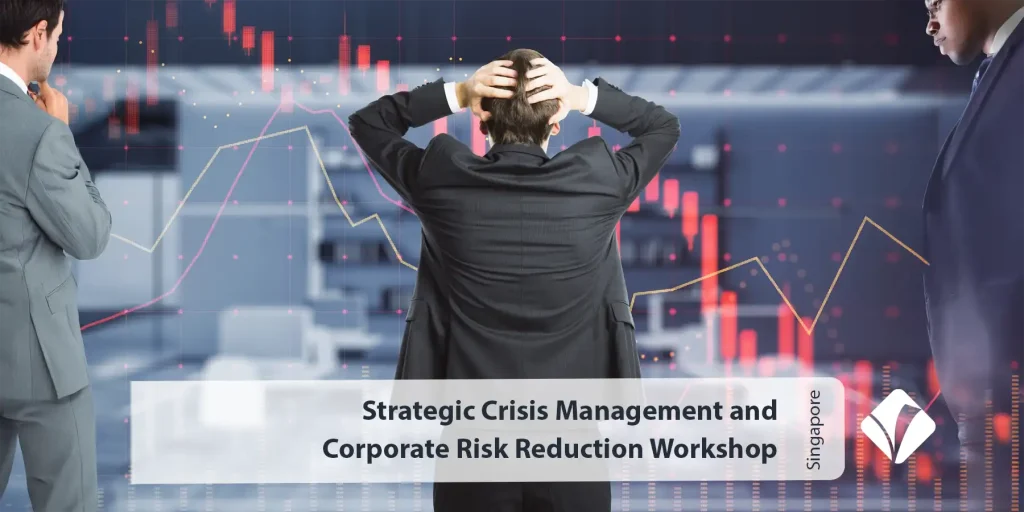
The Strategic Crisis Management & Corporate Risk Reduction Training is a comprehensive, scenario-based capacity-building programme designed to strengthen organizational preparedness, response capability, and resilience. The training focuses on anticipating risks, managing crises effectively, reducing organizational exposure, and sustaining continuity before, during, and after critical incidents.
Delivered over five intensive days, the programme equips participants with practical frameworks, tools, and decision-making approaches used in complex corporate, public sector, and development environments.
This training also complements our Crisis Organization Resilience & Business Continuity Planning Course, which focuses on continuity frameworks, response coordination, and post-crisis recovery planning.
The short video below highlights why structured crisis preparedness, clear decision-making, and coordinated response mechanisms are critical to organizational resilience.
Explore This Programme
Interactive overview
- Defining crises: risk, disruption, and emergency distinctions
- Types of organizational crises and their impacts
- Strategic importance of crisis preparedness and resilience
- Risk identification and vulnerability assessment
- Introduction to business continuity and emergency planning frameworks
- Crisis lifecycle: prevention, preparedness, response, recovery
- Risk assessment tools and early warning indicators
- Scenario planning and stress testing
- Crisis preparedness and mitigation strategies
- Stakeholder mapping and crisis communication planning
- Crisis leadership roles and responsibilities
- Structuring crisis management teams and escalation pathways
- Coordination between operational, tactical, and strategic levels
- Decision-making under pressure
- Documentation, protocols, and crisis playbooks
- Activating crisis response plans
- Setting up and managing command and control centers
- Information management and situation reporting
- Managing operations, communications, and stakeholders during a crisis
- Simulations and scenario-based response exercises
- Post-crisis evaluation and lessons learned
- Recovery planning and business resumption
- Rebuilding trust, reputation, and stakeholder confidence
- Integrating crisis lessons into risk governance and controls
- Strengthening organizational resilience and continuous improvement
Tick what your team needs to be able to do.
Target Audience
This training is designed for professionals responsible for risk oversight, organizational resilience, and crisis response, including:
- Senior and middle managers with operational or strategic responsibilities
- Risk management, compliance, and governance professionals
- Crisis management and business continuity officers
- Security, safety, and facilities managers
- Internal audit and control professionals
- Public sector officials and SOE leaders
- Project, programme, and operations managers
The programme is suitable for participants from public institutions, corporations, donor-funded entities, and critical infrastructure organizations.
Practical disaster risk frameworks applied in public sector contexts are also explored in our Nepal’s Disaster Risk Reduction Model programme, which provides a real-world perspective on national-level preparedness and resilience.
Programme Objectives
By the end of the training, participants will be able to:
- Understand the full lifecycle of crisis management and risk reduction
- Identify and assess key organizational risks and crisis triggers
- Design and strengthen crisis management and business continuity frameworks
- Establish clear crisis governance structures and response roles
- Develop practical crisis communication and coordination protocols
- Operate command and control mechanisms during crisis situations
- Integrate crisis response with broader risk management systems
- Apply post-crisis evaluation and continuous improvement practices
Programme Structure and Contents
Day 1 – Crisis Management Foundations and Risk Context
- Defining crises: risk, disruption, and emergency distinctions
- Types of organizational crises and their impacts
- Strategic importance of crisis preparedness and resilience
- Risk identification and vulnerability assessment
- Introduction to business continuity and emergency planning frameworks
Day 2 – Risk Assessment and Pre-Crisis Planning
- Crisis lifecycle: prevention, preparedness, response, recovery
- Risk assessment tools and early warning indicators
- Scenario planning and stress testing
- Crisis preparedness and mitigation strategies
- Stakeholder mapping and crisis communication planning
Day 3 – Crisis Governance, Teams, and Coordination
- Crisis leadership roles and responsibilities
- Structuring crisis management teams and escalation pathways
- Coordination between operational, tactical, and strategic levels
- Decision-making under pressure
- Documentation, protocols, and crisis playbooks
Day 4 – Crisis Response, Command Centers, and Execution
- Activating crisis response plans
- Setting up and managing command and control centers
- Information management and situation reporting
- Managing operations, communications, and stakeholders during a crisis
- Simulations and scenario-based response exercises
Day 5 – Recovery, Risk Reduction, and Organizational Learning
- Post-crisis evaluation and lessons learned
- Recovery planning and business resumption
- Rebuilding trust, reputation, and stakeholder confidence
- Integrating crisis lessons into risk governance and controls
- Strengthening organizational resilience and continuous improvement
Programme Methodology
This training is delivered using a practical, scenario-based adult-learning approach designed to build real crisis management capability rather than theoretical knowledge. Expert-led sessions introduce core frameworks for crisis management, risk reduction, and organizational resilience, which are applied through case analysis, group exercises, and guided discussions. Participants engage in realistic crisis scenarios and response simulations, including decision-making under pressure, coordination of crisis teams, and command-and-control practices. Practical tools, templates, and playbooks are used throughout the programme to ensure learning outcomes can be immediately applied within participants’ own organizations.
Without structured preparedness and coordinated response, even well-run institutions can suffer disruption, financial loss, and erosion of stakeholder trust. This training strengthens the practical capabilities needed to anticipate risk, respond decisively, and recover effectively, aligned with internationally recognized disaster risk management and resilience principles promoted by the World Bank.
Host Country Profile
Singapore provides an ideal setting for strategic crisis management and corporate risk reduction training. As a global financial, logistics, and business hub, the country places strong emphasis on risk governance, business continuity, emergency preparedness, and institutional resilience across both public and private sectors.
Hosting the training in Singapore allows participants to engage in applied learning within an environment recognized for its high standards of operational readiness, regulatory discipline, and crisis response coordination. The setting supports meaningful peer exchange and practical discussion relevant to organizations operating in complex, high-risk, and fast-moving environments.
Course Deliverables
Participants will enjoy a full-service experience that covers everything needed before, during, and after the programme:
Before the Programme
- Participant Pre-Assessment to ensure effective preparation
- Complimentary Visa Support & Advisory (E-visa applications are fully processed by our team)
During the Programme
- Airport Pickup & Welcome Assistance
- Accommodation with Breakfast for the full duration
- Welcome Dinner for networking and connecting with fellow Participants & the Risalat Team
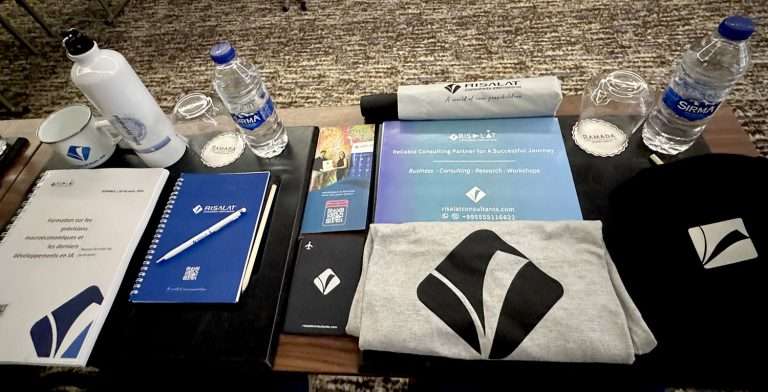
- Risalat Training Kit, including: bag, water bottle, coffee mug, t-shirt, cap, passport cover, pens, notebook, magnet, keychain
- Lunch Provided Daily during training days
- Comprehensive Course Manual & Training Materials
- Project-Based Templates, Tools, and Worksheets
- Mini Pad / Tablet for convenient access to digital resources
- Digital Case Studies, Reading Packs & Reference Materials
- Access to Sample Datasets & Practical Exercises
- Field Visit (where applicable)
- Complimentary Refreshments & Full Training Venue Facilities
- Access to Online Learning Resources
- Entertaining City Tour
- Certificate of Completion
- Risalat Programme Participation Recognition Award
After the Programme
- Post-Training Support & Follow-Up Guidance
- Programme Report
All deliverables are designed to reinforce hands-on application of crisis management, risk reduction, and organizational resilience frameworks in real-world operational environments.
Organizations may also request this Strategic Crisis Management & Corporate Risk Reduction Training as a customized in-house or regional programme, delivered on dates aligned with their operational, sectoral, and risk management needs.