Ключевые факты
- Даты
- 15–19 февр. 2027 (5 дней)
- Где
- TBD, Luxembourg
- Стоимость на одного участника
- £4 860 (GBP)
- Оплата
- По счету банковским переводом
- Регистрация закрывается
- 6 янв. 2027
- Формат
- 5-day short course: a practical capacity-building programme for government, NGO and project teams in Luxembourg
- Сертификат
- Сертификат о прохождении
- Корпоративный формат
- Проведите ее для своей команды в удобные вам даты
На этой странице 14 разделов
Обзор программы
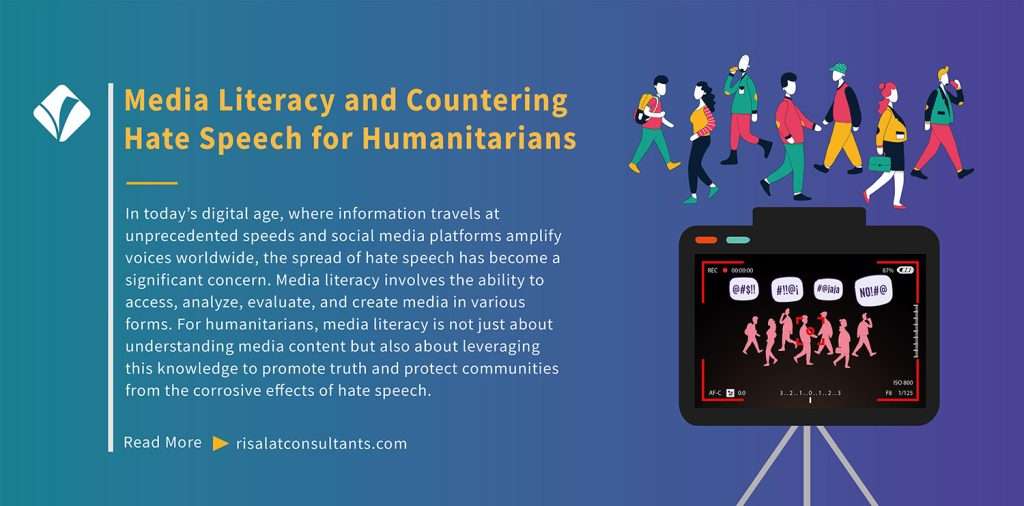
Humanitarian organisations now work inside two environments at once: the physical crisis and the information space around it. Rumours about who receives aid, manipulated images, false claims about vaccines or registration, and hateful narratives against displaced people or minorities can move faster than any field team. They shape whether communities trust aid workers, whether people seek services, and in the worst cases whether tension turns into violence.
Международный комитет Красного Креста (МККК) объединяет эти проблемы под термином вредная информация: дезинформация, дезинформация, язык вражды и контент, который подвергается манипуляциям или распространяется в нарушение норм международного гуманитарного права. В своем подходе он меньше внимания уделяет тому, является ли утверждение истинным или ложным, и больше сосредоточен на вреде, который оно может нанести безопасности и достоинству людей, а также гуманитарному доступу. В январе 2025 года МККК опубликовал основу реагирования для гуманитарных организаций, построенную на этом подходе, основанном на оценке вреда.
The wider policy landscape has also moved. The UN Strategy and Plan of Action on Hate Speech (June 2019) set a system-wide approach based on freedom of expression and “more speech, not less”. The UN Global Principles for Information Integrity, launched on 24 June 2024, added five principles covering trust and resilience, healthy incentives, public empowerment, independent media, and transparency and research. In Europe, the Digital Services Act has applied to all online platforms since 17 February 2024.
This five-day programme in Luxembourg helps humanitarian, communication, protection and community engagement teams apply these frameworks in practice. Participants build media literacy skills, learn to assess hate speech against recognised thresholds, monitor their information environment and design responses that protect communities without restricting legitimate expression.
Luxembourg is a practical setting for this work: a country that commits close to 1% of gross national income to development cooperation, funds humanitarian action under a dedicated strategy, and runs a national reporting and awareness service for online hate speech.
The Programme Strengthens Institutional Capability
- Media and information literacy for field and headquarters staff
- Проверка источников и аутентификация контента
- Разграничение дезинформации, недостоверной информации и вредоносной информации
- Выявление языка вражды с использованием рабатского теста из шести критериев
- Harm-based assessment of information risks to communities
- Information ecosystem and situation analysis
- Социальный мониторинг и мониторинг СМИ
- Rumour tracking and community feedback mechanisms
- Конфликточувствительная коммуникация по принципу «не навреди»
- Counter-messaging and positive alternative narratives
- Prebunking and community resilience activities
- Crisis communication planning
- Protection of staff targeted by online hostility
- Engagement with platforms and trusted flagger channels
- Coordination with UN, Red Cross and NGO partners
- Ethical standards for sharing images and personal data
- Data protection in monitoring activities
- Early warning links between hate speech and atrocity risk
- Internal policies on harmful information
- Measuring the effect of communication responses
The programme is practical throughout. Each day closes with an exercise based on real frameworks and published humanitarian experience, so teams leave with tools they can adapt to their own operations.
The Growing Importance of Media Literacy and Countering Hate Speech
The ICRC has warned that harmful information can fuel violence and displacement, lead to violations of international humanitarian law, steer people away from safety or health care, and put aid workers at risk. Its message is direct: trust is the currency of humanitarian work, and when trust erodes, access and protection suffer.
UN agencies have responded with practical guidance. UNHCR has published a toolkit for humanitarians on information integrity on digital platforms, built around a situation analysis, an “ABCDE” framework for assessing potential harm, and community-based approaches that treat organisations led by displaced and stateless people as key partners. UNESCO issued Guidelines for the Governance of Digital Platforms in November 2023, setting out how regulation can address harmful content while protecting freedom of expression.
Regulation is also changing what organisations can ask of platforms. Under the EU Digital Services Act, very large online platforms have carried out systemic risk assessments since August 2023, and hate speech is cited as an example of illegal content that platforms must handle through notice and action procedures.
Организациям все больше нужны специалисты, способные:
- Assessing the credibility of sources, images and video
- Separating legitimate criticism from manipulative narratives
- Applying recognised thresholds to decide when speech becomes incitement
- Mapping who communities trust and how information travels
- Running ethical social listening without collecting excess personal data
- Отслеживание слухов и замыкание контуров обратной связи с общинами
- Writing accurate, respectful messages in local languages
- Planning communication for fast-moving crises
- Supporting colleagues who face online harassment
- Reporting content to platforms and authorities through proper channels
- Coordinating responses with partners and clusters
- Консультирование руководителей относительно рисков молчания и рисков чрезмерной реакции
Высокий уровень медиаграмотности и системы реагирования на язык вражды помогают организациям:
- Protect communities from harm linked to false or hateful content
- Поддержание принятия и безопасного доступа в зонах повышенного риска
- Reduce security risks to staff and partners
- Respond quickly and consistently to rumours about aid
- Uphold the principles of humanity, neutrality, impartiality and independence
- Strengthen accountability to affected people
- Раннее предупреждение о нарастании напряженности
- Meet donor and regulatory expectations on information integrity
- Avoid amplifying hateful content by mistake
Для руководителей вопрос заключается уже не в том, влияют ли информационные риски на программы, а в том, есть ли у организации люди, процедуры и партнерские отношения для управления ими.
Source: ministerial answers to a parliamentary question, reported by Luxtoday (April 2025)
1. How does the ICRC approach harmful information?
ICRC guidance describes harmful information as an umbrella term and focuses on harm to life, safety, dignity and operations rather than only on truth or falsehood.
2. What does the Rabat Plan of Action provide?
Рабатский план действий (2012 г.) определяет шесть факторов: контекст, оратор, намерение, содержание и форма, охват и вероятность причинения вреда.
3. Since when has the EU Digital Services Act applied to all online platforms?
Very large platforms were covered from August 2023 and all other providers from 17 February 2024.
Who Should Attend This Media Literacy and Hate Speech Training?
Программа предназначена для:
- Humanitarian programme managers and coordinators
- Сотрудники по коммуникациям и работе со СМИ
- Community engagement and accountability (CEA/AAP) officers
- Protection officers and protection cluster staff
- Полевые сотрудники и специалисты по работе с местным населением
- Сотрудники по вопросам социальной сплоченности и миростроительства
- Advocacy and policy officers
- Советники по безопасности и охране труда
- Специалисты по информационному менеджменту и работе с данными
- Monitoring, evaluation and learning staff
- Сотрудники национальных обществ Красного Креста и Красного Полумесяца
- NGO and INGO country directors
- Officials from ministries and agencies responsible for disaster response, refugees or social cohesion
- Staff of national human rights institutions
- Community leaders and representatives of community-based organisations
- Сотрудники сотрудничества в целях развития, работающие в хрупких условиях
Mixed teams from headquarters and the field gain the most, because the exercises connect policy decisions with day-to-day communication.
Отметьте, что должна уметь ваша команда.
Media Literacy and Hate Speech Training Objectives
По успешном завершении данного тренинга по медиаграмотности и языку вражды участники смогут:
- Explain how harmful information affects communities and humanitarian operations
- Assess the reliability of sources and verify images and video using open tools
- Distinguish misinformation, disinformation, malinformation and hate speech
- Apply the Rabat six-part threshold test to real examples
- Проведение ситуационного анализа информации для операции
- Design a proportionate monitoring and rumour-tracking system
- Develop accurate, respectful and conflict-sensitive messages
- Prepare a crisis communication plan for information incidents
- Use reporting channels with platforms and authorities appropriately
- Apply ethical and data protection standards to media work
- Coordinate responses with partners and communities
- Contribute to organisational policy on harmful information
The objectives follow the ICRC response framework, the UN Global Principles and UNHCR guidance, so they align with what partners and donors already expect.
Содержание и структура программы
- How the information environment shapes humanitarian outcomes
- Базовые навыки медиаграмотности: оценка источников, целей и доказательств
- Виды СМИ и способы получения информации сообществами в кризисных ситуациях
- Assessing source credibility and recognising bias
- Basic verification of images, video and claims
- Misinformation, disinformation and malinformation explained
- The ICRC concept of harmful information and its harm-based lens
- The UN Strategy and Plan of Action on Hate Speech (2019)
- Freedom of expression and its permitted limits
- Рабатский план действий и его пороговый тест из шести частей
- Forms of hate speech: online, offline, coded and visual
- Hate speech against displaced people, minorities and aid workers
- Hate speech as an early warning sign of atrocity risk
- Impact on access, acceptance and staff security
- Information situation analysis for an operation
- Использование подхода UNHCR ABCDE для оценки потенциального вреда
- Social listening tools and their ethical limits
- Rumour tracking linked to community feedback mechanisms
- Choosing a response: ignore, monitor, correct, prebunk or report
- Написание точных и корректных контрсообщений
- Working with trusted messengers and local media
- Crisis communication plans for information incidents
- Роли, цепочки утверждения и время отклика
- Protecting staff targeted by online hostility
- Ethical sharing of images, stories and personal data
- The ICRC response framework and its 360-degree approach
- Координация с агентствами ООН, Движением Красного Креста и Красного Полумесяца и НПО
- Advocacy for media literacy with authorities and communities
- Simulation briefing and team roles
- Analysing a multi-channel information incident
- Applying verification and threshold assessment under time pressure
- Selecting proportionate responses for each audience
- Activating the crisis communication plan
- Coordinating with partners and reporting channels
- Debrief: what worked and what to change
Полное содержание по дням
The programme runs over five days and moves from core skills to analysis, response and a full simulation.
- День 1: основы информационной грамотности и верификация
- День 2: распознавание и оценка языка вражды
- Day 3: monitoring, analysis and response strategies
- Day 4: crisis communication, ethics and coordination
- Day 5: capstone simulation and organisational action
Полное содержание по дням
First Day | Media Literacy Foundations for Humanitarian Work
- How the information environment shapes humanitarian outcomes
- Базовые навыки медиаграмотности: оценка источников, целей и доказательств
- Виды СМИ и способы получения информации сообществами в кризисных ситуациях
- Assessing source credibility and recognising bias
- Basic verification of images, video and claims
- Misinformation, disinformation and malinformation explained
- The ICRC concept of harmful information and its harm-based lens
- The UN Global Principles for Information Integrity (2024)
- Mapping trusted messengers and information flows
Workshop: Verifying a Crisis Rumour
Teams receive a set of posts, images and messages about an aid distribution. They trace the origin of each item, test its credibility with open verification techniques, and decide which claims are false, which are misleading and which are accurate but harmful. Each team presents a short verification log and a recommendation for the field team.
Second Day | Recognising Hate Speech and Its Impact
- The UN Strategy and Plan of Action on Hate Speech (2019)
- Freedom of expression and its permitted limits
- Рабатский план действий и его пороговый тест из шести частей
- Forms of hate speech: online, offline, coded and visual
- Hate speech against displaced people, minorities and aid workers
- Hate speech as an early warning sign of atrocity risk
- Impact on access, acceptance and staff security
- Fact-checking and its limits for hateful content
- Luxembourg’s legal approach and reporting channels as a benchmark
Case Study: Applying the Threshold Test
Working with anonymised, published examples, participants score each item against the six Rabat factors: context, speaker, intent, content and form, reach, and likelihood of harm. Groups compare their judgements, discuss where they disagree, and agree what response is proportionate in each case, from monitoring only to reporting and protection action.
Третий день | Стратегии мониторинга, анализа и реагирования
- Information situation analysis for an operation
- Использование подхода UNHCR ABCDE для оценки потенциального вреда
- Social listening tools and their ethical limits
- Rumour tracking linked to community feedback mechanisms
- Choosing a response: ignore, monitor, correct, prebunk or report
- Написание точных и корректных контрсообщений
- Working with trusted messengers and local media
- Avoiding amplification of harmful content
- Platform reporting under the EU Digital Services Act
Workshop: Building a Monitoring Plan
Each group designs a monitoring plan for a fictional displacement setting, labelled as an illustrative scenario. The plan sets out which channels to watch, what keywords and indicators to track, how to protect personal data, who reviews alerts, and how findings reach programme and security managers. Plans are reviewed by another group against a checklist.
Fourth Day | Crisis Communication, Ethics and Coordination
- Crisis communication plans for information incidents
- Роли, цепочки утверждения и время отклика
- Protecting staff targeted by online hostility
- Ethical sharing of images, stories and personal data
- The ICRC response framework and its 360-degree approach
- Координация с агентствами ООН, Движением Красного Креста и Красного Полумесяца и НПО
- Advocacy for media literacy with authorities and communities
- Engaging platforms and regulators constructively
- Measuring whether responses work
Workshop: Drafting a Crisis Communication Plan
Teams draft a crisis communication plan for a sudden surge of false claims and hateful content targeting a partner organisation. They define triggers, spokespeople, holding statements, community channels, staff care measures and coordination steps, then test the plan against a timed injection of new developments run by the facilitator.
Fifth Day | Integrated Response and Organisational Action
- Simulation briefing and team roles
- Analysing a multi-channel information incident
- Applying verification and threshold assessment under time pressure
- Selecting proportionate responses for each audience
- Activating the crisis communication plan
- Coordinating with partners and reporting channels
- Debrief: what worked and what to change
- Drafting an organisational policy outline on harmful information
- Личные планы действий и экспертная оценка коллег
Capstone Exercise: Information Incident Simulation
The final day runs a full simulation in which teams manage a developing information incident across social media, radio and community meetings. They verify content, assess hate speech, choose responses, coordinate with partners and brief senior management. Each team closes by presenting a one-page policy outline and a 90-day action plan for its own organisation.
Media Literacy and Hate Speech Training Methodology
The programme follows adult learning principles. Short inputs are followed at once by practice on realistic material, and participants are encouraged to bring their own anonymised examples.
Программа сочетает:
- Short expert presentations on frameworks and tools
- Verification exercises with open tools
- Threshold scoring of published hate speech examples
- Case studies drawn from ICRC, UN and NGO publications
- Групповая разработка планов мониторинга и реагирования
- Role plays for spokespeople and community meetings
- Timed simulations with facilitator injections
- Peer review using structured checklists
- Discussion of ethical dilemmas
- Reflection on participants’ own operations
- Personal and organisational action planning
Before the programme, participants complete a short pre-assessment so the facilitator can adjust examples and depth. Organisations can also use the free training needs assessment to identify team priorities.
Ожидаемые результаты
Upon completion of this Media Literacy and Hate Speech Training, participants will be able to:
- Verify content and judge source credibility with confidence
- Последовательная оценка языковых высказываний, разжигающих ненависть, с использованием признанного теста
- Run an information situation analysis for their operation
- Set up proportionate and ethical monitoring
- Выбор и реализация мер реагирования, снижающих ущерб
- Lead or support a crisis communication plan
- Protect staff and communities during information incidents
- Coordinate effectively with partners and reporting channels
- Propose policy improvements to senior management
Participants return with completed templates and a tested plan that can be adapted for their own country operations.
£4 860 за участника · оплата по счету банковским переводом · для групп от 5 человек предусмотрена скидка
Пять и более участников от одной организации: укажите групповой тариф в запросе счета.
Ten or more: an in-house version for your institution may cost less per person. Ask for an in-house quote.
Registration closes in 45 days (6 Jan 2027)
Институциональное применение обучения медиаграмотности и борьбе с языком вражды
Программа помогает организациям укрепить:
- Policies on harmful information and hate speech
- Community engagement and accountability systems
- Protection analysis and early warning
- Security risk management linked to information threats
- Communication approval and crisis procedures
- Защита данных при мониторинге и обратной связи
- Координация с кластерами и партнерами
- Забота о сотрудниках, подвергающихся преследованиям в интернете
- Relations with platforms and regulators
- Monitoring and evaluation of communication work
- Induction and training for new staff
Участники возвращаются с практическими инструментами для улучшения:
- Verification checklists
- Таблицы оценки пороговых значений языка вражды
- Information situation analysis templates
- Журналы отслеживания слухов
- Планы мониторинга
- Crisis communication plans
- Message testing guides
- Проект политических ориентиров в отношении вредоносной информации
Organisations that want to see where these tools fit can start with the free institutional capacity assessment.
Региональная актуальность и применение
Европа
European humanitarian and migration actors operate under the Digital Services Act, which since February 2024 gives users and trusted flaggers clearer routes to report illegal hate speech. Teams working with refugees and migrants can use these channels alongside national reporting services such as Luxembourg’s.
Африка
In several conflict settings in Africa, humanitarian organisations face rumours about aid and hostility towards displaced groups. ICRC guidance on harmful information stresses community relationships and confidential dialogue with parties to conflict as the main protective tools.
Ближний Восток
Затяжные кризисы на Ближнем Востоке показали, как манипулирование изображениями и нарративами может подвергнуть риску гуманитарных работников и гражданское население. Этичное обращение с изображениями и защита персональных данных имеют центральное значение для реагирования в подобных условиях.
Азия
Across Asia, displaced and stateless communities are often targeted online. UNHCR’s information integrity toolkit was designed with such settings in mind and places organisations led by displaced people at the centre of the response.
Латинская Америка
Смешанная миграция в Латинской Америке сопровождается ксенофобскими нарративами в сети. Медиаграмотность, надежные местные вестники и точная информация об услугах помогают снизить вред для людей в движении.
Участники из всех регионов адаптируют одни и те же инструменты к своим правовым условиям, языкам и платформам.
Host Country Profile – Luxembourg
Luxembourg, a founding member of the European Union, offers a multilingual and international setting for professional learning. Its capital hosts EU institutions and many international organisations, and its compact size makes it easy for participants to move between sessions and visits.
The country is a useful benchmark for this topic. Luxembourg has kept official development assistance close to 1% of gross national income since 2009, and in 2023 directed nearly EUR 99.78 million, more than 15% of its aid, to humanitarian action under its humanitarian strategy. At home, Article 457-1 of the Criminal Code makes public incitement to hatred an offence. The BEE SECURE initiative, coordinated by the national youth service, runs awareness training integrated into schools and a Stopline for reporting hate speech and terrorist content; in 2024 the Stopline flagged 448 URLs with racist, discriminatory or radical content and 127 with terrorist material, up from 41 in 2023. Prevention campaigns such as #NOHATEONLINE add a media literacy dimension.
Люксембург входит в Шенгенскую зону. Участникам из многих стран необходима шенгенская виза, о получении которой следует позаботиться заблаговременно через компетентное консульство; Risalat предоставляет пригласительные письма и консультации по визовым вопросам. Аэропорт Люксембурга предлагает сообщение с крупными европейскими хабами, а до города также можно добраться на поезде.
Media Literacy and Hate Speech Training Deliverables
Risalat поддерживает участников до, во время и после программы, чтобы полученные знания превращались в практику.
До программы
- Предварительная оценка участников
- Оценка готовности к медиаграмотности и языку вражды
- Media Literacy and Hate Speech Resource Pack
- Материалы для предварительного чтения
- Бесплатная визовая поддержка и консультации
Во время программы
- Встреча в аэропорту и приветственное сопровождение
- Accommodation with breakfast: 6 nights, check-in Sunday 14 February 2027, check-out Saturday 20 February 2027 (one night before and one night after the programme)
- Приветственный ужин для нетворкинга
- Комплект участника Risalat (сумка, бутылка, кружка, футболка, кепка, обложка для паспорта, ручки, блокнот, магнит и брелок)
- Comprehensive Media Literacy and Hate Speech Training Manual
- Source Verification Checklist
- Пороговая оценочная ведомость Рабата
- Information Situation Analysis Template
- Rumour Tracking Log
- Crisis Communication Plan Template
- Практические семинары и симуляции
- Групповые дискуссии и обмен опытом
- Ежедневный обед и кофе-брейки
- Полный доступ к инфраструктуре места проведения
- Мини-планшет с цифровыми учебными материалами
- Выездной визит (при наличии)
- Развлекательная экскурсия по городу
После программы
- Сертификат о прохождении
- Награда Risalat за участие в программе
- Справочные материалы после обучения
- Harmful Information Policy Outline
- 90-Day Team Action Plan
- Поддержка и консультации после обучения
- Отчет по программе
Учреждения, желающие обучить всю команду, могут запросить индивидуальную корпоративную версию этой программы, адаптированную под их страны, языки и платформы.
Распространенные проблемы противодействия языку вражды и вредоносной информации, и чем помогает этот тренинг
How can staff tell harmful content from legitimate criticism?
Day 1 introduces the ICRC harm-based lens and verification skills, and Day 2 applies the Rabat threshold test, so teams can respond to genuine complaints openly while treating manipulative or hateful narratives differently.
How do we decide when hate speech needs action?
The threshold scoring exercise on Day 2 gives a structured way to weigh context, speaker, intent, content, reach and likelihood of harm, and to match each case to a proportionate response.
How can we monitor online spaces without breaching privacy?
День 3 охватывает этичный социальный мониторинг, минимизацию данных и процедуры проверки, при этом каждая группа разрабатывает план мониторинга с четкими правилами защиты данных.
How do we avoid amplifying the content we want to counter?
Day 3 sessions on response choices explain when to stay silent, when to prebunk and when to correct, and how to frame messages without repeating harmful claims.
How should we protect staff who are targeted online?
Day 4 links information incidents to security management and staff care, and the crisis communication plan includes protection measures for named colleagues.
How can we coordinate with partners instead of acting alone?
Day 4 covers coordination with UN agencies, the Red Cross and Red Crescent Movement, NGOs and platforms, and the Day 5 simulation tests these links under pressure.
Как превратить обучение в организационную политику?
The capstone on Day 5 ends with a policy outline and a 90-day action plan that participants present to peers and take back to management.
Часто задаваемые вопросы
Для кого предназначена программа?
Humanitarian managers, communication, community engagement, protection and security staff, plus officials and community leaders who deal with rumours or hate speech affecting crisis-affected people.
Does the course teach content removal or censorship?
Нет. Это соответствует подходу ООН, согласно которому борьба с языком вражды не означает ограничение свободы выражения мнения. Основное внимание уделяется верификации, соразмерной оценке, точному информированию, защите и надлежащим каналам отчетности.
Какие методологические рамки используются в программе?
Стратегия и план действий ООН по борьбе с языком вражды, Глобальные принципы информационной целостности ООН, пороговый тест Рабатского плана действий, руководство МККК по вредоносной информации, инструментарий УВКБ ООН по информационной целостности и Закон ЕС о цифровых услугах.
Требуются ли участникам технические навыки?
No. Verification and monitoring tools are introduced step by step, and the exercises are designed for managers and field staff as well as communication specialists.
Можно ли провести программу в корпоративном формате?
Yes. Institutions can request a tailored version adapted to their countries, languages and platforms through Risalat's request for proposal form.
Who Will Deliver This Programme
Each date is delivered by a team assigned from Risalat's expert network for this subject. For this programme we assign:
How we choose them: Experience in the region of the participants or comparable settings; Command of the financier rules that apply (World Bank, ADB, AfDB, EU, UN) where relevant; Delivery in English; other languages on request for in-house groups; No conflict of interest with participants' institutions.
Учебные курсы в ЛюксембургеHumanitarians training courses
Why Luxembourg for this programme
Luxembourg, was chosen for this programme because it is easy to reach for the participants we expect and has suitable venues for practical, interactive training.
The Humanitarian Media Literacy & Countering Hate Speech in Luxembourg programme in February 2027 brings together officials and professionals. Sessions combine short inputs, case studies and group work on participants' own files, and the city's institutions can be added as a study visit on request.
Узнайте, нужна ли вам виза, с помощью бесплатного сервиса «Проверка визы» и запросите приглашение после регистрации.
Для команд и организаций
Bring your team
Teams that learn together apply more at work. Tell us how many people and how you would like to take part: we reply with a group quote within two working days.
Other dates and cities for this subject: Education Management and TVET training courses (91 upcoming dates).
More training courses in Luxembourg · Все программы в Европе · Полный календарь обучения
Запланировать эту программу в дорожной карте: почему это важно, зачем это утверждать, даты планирования и карьера, которую это создает.