关键信息
- 日期
- 2027年2月15–19日(5天)
- 地点
- TBD, Luxembourg
- 每位学员费用
- £4,860(英镑)
- 付款
- 通过发票和银行转账付款
- 报名截止
- 2027年1月6日
- 形式
- 5-day short course: a practical capacity-building programme for government, NGO and project teams in Luxembourg
- 证书
- 结业证书
- 内训选项
- 按您的日期,为您的团队专场举办
本页内容14个部分
培训项目概述
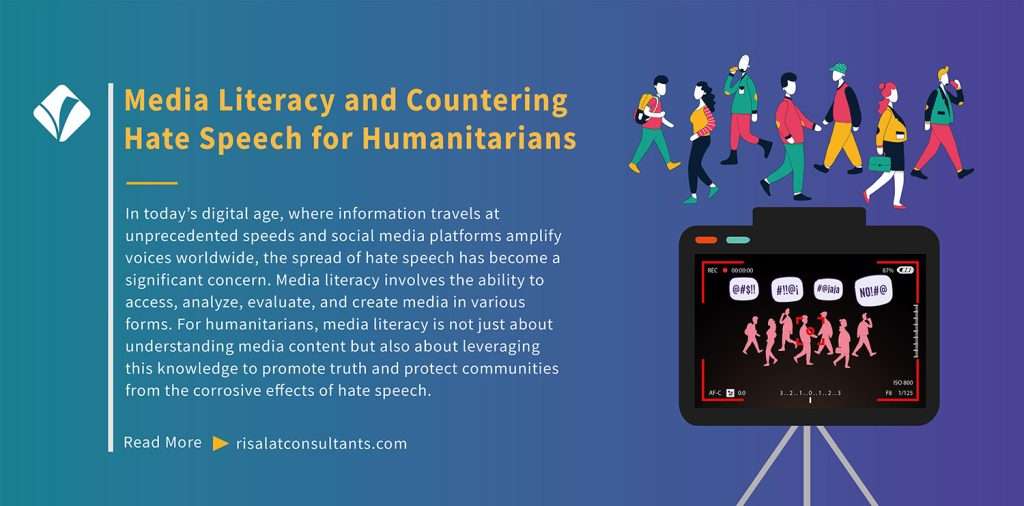
Humanitarian organisations now work inside two environments at once: the physical crisis and the information space around it. Rumours about who receives aid, manipulated images, false claims about vaccines or registration, and hateful narratives against displaced people or minorities can move faster than any field team. They shape whether communities trust aid workers, whether people seek services, and in the worst cases whether tension turns into violence.
红十字国际委员会(ICRC)将这些问题统称为有害信息:错误信息、虚假信息、仇恨言论以及违反国际人道法的被篡改或传播的内容。其方法较少关注某个说法的真伪,而是更多地关注其对人们安全与尊严以及人道主义准入可能造成的危害。2025年1月,红十字国际委员会发布了一个基于这种防范危害视角的面向人道主义机构的应对框架。
The wider policy landscape has also moved. The UN Strategy and Plan of Action on Hate Speech (June 2019) set a system-wide approach based on freedom of expression and “more speech, not less”. The UN Global Principles for Information Integrity, launched on 24 June 2024, added five principles covering trust and resilience, healthy incentives, public empowerment, independent media, and transparency and research. In Europe, the Digital Services Act has applied to all online platforms since 17 February 2024.
This five-day programme in Luxembourg helps humanitarian, communication, protection and community engagement teams apply these frameworks in practice. Participants build media literacy skills, learn to assess hate speech against recognised thresholds, monitor their information environment and design responses that protect communities without restricting legitimate expression.
Luxembourg is a practical setting for this work: a country that commits close to 1% of gross national income to development cooperation, funds humanitarian action under a dedicated strategy, and runs a national reporting and awareness service for online hate speech.
The Programme Strengthens Institutional Capability
- Media and information literacy for field and headquarters staff
- Source verification and content authentication
- 区分错误信息、虚假信息和恶意信息
- Hate speech identification using the Rabat six-part threshold test
- Harm-based assessment of information risks to communities
- Information ecosystem and situation analysis
- Social listening and media monitoring
- Rumour tracking and community feedback mechanisms
- Conflict-sensitive and do-no-harm communication
- Counter-messaging and positive alternative narratives
- Prebunking and community resilience activities
- Crisis communication planning
- Protection of staff targeted by online hostility
- Engagement with platforms and trusted flagger channels
- Coordination with UN, Red Cross and NGO partners
- Ethical standards for sharing images and personal data
- Data protection in monitoring activities
- Early warning links between hate speech and atrocity risk
- Internal policies on harmful information
- Measuring the effect of communication responses
The programme is practical throughout. Each day closes with an exercise based on real frameworks and published humanitarian experience, so teams leave with tools they can adapt to their own operations.
The Growing Importance of Media Literacy and Countering Hate Speech
The ICRC has warned that harmful information can fuel violence and displacement, lead to violations of international humanitarian law, steer people away from safety or health care, and put aid workers at risk. Its message is direct: trust is the currency of humanitarian work, and when trust erodes, access and protection suffer.
UN agencies have responded with practical guidance. UNHCR has published a toolkit for humanitarians on information integrity on digital platforms, built around a situation analysis, an “ABCDE” framework for assessing potential harm, and community-based approaches that treat organisations led by displaced and stateless people as key partners. UNESCO issued Guidelines for the Governance of Digital Platforms in November 2023, setting out how regulation can address harmful content while protecting freedom of expression.
Regulation is also changing what organisations can ask of platforms. Under the EU Digital Services Act, very large online platforms have carried out systemic risk assessments since August 2023, and hate speech is cited as an example of illegal content that platforms must handle through notice and action procedures.
各机构日益需要具备以下能力的专业人员:
- Assessing the credibility of sources, images and video
- Separating legitimate criticism from manipulative narratives
- Applying recognised thresholds to decide when speech becomes incitement
- Mapping who communities trust and how information travels
- Running ethical social listening without collecting excess personal data
- 追踪谣言并闭合与社区的反馈回路
- Writing accurate, respectful messages in local languages
- Planning communication for fast-moving crises
- Supporting colleagues who face online harassment
- Reporting content to platforms and authorities through proper channels
- Coordinating responses with partners and clusters
- 就沉默的风险和过度反应的风险向管理者提供建议
强大的媒体素养和仇恨言论响应系统有助于组织:
- Protect communities from harm linked to false or hateful content
- 在敏感地区维持接纳度与安全通行
- Reduce security risks to staff and partners
- Respond quickly and consistently to rumours about aid
- Uphold the principles of humanity, neutrality, impartiality and independence
- Strengthen accountability to affected people
- Give early warning of rising tension
- Meet donor and regulatory expectations on information integrity
- Avoid amplifying hateful content by mistake
For managers, the question is no longer whether information risks affect programmes, but whether the organisation has the people, procedures and partnerships to manage them.
Source: ministerial answers to a parliamentary question, reported by Luxtoday (April 2025)
1. How does the ICRC approach harmful information?
ICRC guidance describes harmful information as an umbrella term and focuses on harm to life, safety, dignity and operations rather than only on truth or falsehood.
2. What does the Rabat Plan of Action provide?
The Rabat Plan of Action (2012) sets out six factors: context, speaker, intent, content and form, reach, and likelihood of harm.
3. Since when has the EU Digital Services Act applied to all online platforms?
Very large platforms were covered from August 2023 and all other providers from 17 February 2024.
Who Should Attend This Media Literacy and Hate Speech Training?
本培训项目适合:
- Humanitarian programme managers and coordinators
- 传讯和媒体官员
- Community engagement and accountability (CEA/AAP) officers
- Protection officers and protection cluster staff
- 现场工作人员与社区动员人员
- Social cohesion and peacebuilding officers
- Advocacy and policy officers
- 安保与安全顾问
- 信息管理和数据官员
- Monitoring, evaluation and learning staff
- 各国红十字会与红新月会工作人员
- NGO and INGO country directors
- Officials from ministries and agencies responsible for disaster response, refugees or social cohesion
- Staff of national human rights institutions
- Community leaders and representatives of community-based organisations
- 在脆弱环境中工作的发展合作人员
Mixed teams from headquarters and the field gain the most, because the exercises connect policy decisions with day-to-day communication.
勾选您的团队需要具备的能力。
Media Literacy and Hate Speech Training Objectives
成功完成本媒体素养与仇恨言论培训后,学员将能够:
- Explain how harmful information affects communities and humanitarian operations
- Assess the reliability of sources and verify images and video using open tools
- Distinguish misinformation, disinformation, malinformation and hate speech
- Apply the Rabat six-part threshold test to real examples
- 为一项行动开展信息形势分析
- Design a proportionate monitoring and rumour-tracking system
- Develop accurate, respectful and conflict-sensitive messages
- Prepare a crisis communication plan for information incidents
- Use reporting channels with platforms and authorities appropriately
- Apply ethical and data protection standards to media work
- Coordinate responses with partners and communities
- Contribute to organisational policy on harmful information
The objectives follow the ICRC response framework, the UN Global Principles and UNHCR guidance, so they align with what partners and donors already expect.
培训项目内容与结构
- How the information environment shapes humanitarian outcomes
- 核心媒介素养技能:质疑来源、目的与证据
- 媒体类型及危机中的社区如何获取信息
- Assessing source credibility and recognising bias
- Basic verification of images, video and claims
- Misinformation, disinformation and malinformation explained
- The ICRC concept of harmful information and its harm-based lens
- The UN Strategy and Plan of Action on Hate Speech (2019)
- Freedom of expression and its permitted limits
- The Rabat Plan of Action and its six-part threshold test
- Forms of hate speech: online, offline, coded and visual
- Hate speech against displaced people, minorities and aid workers
- Hate speech as an early warning sign of atrocity risk
- Impact on access, acceptance and staff security
- Information situation analysis for an operation
- Using the UNHCR ABCDE approach to assess potential harm
- Social listening tools and their ethical limits
- Rumour tracking linked to community feedback mechanisms
- Choosing a response: ignore, monitor, correct, prebunk or report
- 编写准确且尊重的反制信息
- Working with trusted messengers and local media
- Crisis communication plans for information incidents
- 角色、审批链和响应时间
- Protecting staff targeted by online hostility
- Ethical sharing of images, stories and personal data
- The ICRC response framework and its 360-degree approach
- 与联合国机构、红十字会与红新月会运动及非政府组织协调
- Advocacy for media literacy with authorities and communities
- Simulation briefing and team roles
- Analysing a multi-channel information incident
- Applying verification and threshold assessment under time pressure
- Selecting proportionate responses for each audience
- Activating the crisis communication plan
- Coordinating with partners and reporting channels
- Debrief: what worked and what to change
完整的每日课程内容
The programme runs over five days and moves from core skills to analysis, response and a full simulation.
- Day 1: media literacy foundations and verification
- Day 2: recognising and assessing hate speech
- Day 3: monitoring, analysis and response strategies
- Day 4: crisis communication, ethics and coordination
- Day 5: capstone simulation and organisational action
完整的每日课程内容
First Day | Media Literacy Foundations for Humanitarian Work
- How the information environment shapes humanitarian outcomes
- 核心媒介素养技能:质疑来源、目的与证据
- 媒体类型及危机中的社区如何获取信息
- Assessing source credibility and recognising bias
- Basic verification of images, video and claims
- Misinformation, disinformation and malinformation explained
- The ICRC concept of harmful information and its harm-based lens
- The UN Global Principles for Information Integrity (2024)
- Mapping trusted messengers and information flows
Workshop: Verifying a Crisis Rumour
Teams receive a set of posts, images and messages about an aid distribution. They trace the origin of each item, test its credibility with open verification techniques, and decide which claims are false, which are misleading and which are accurate but harmful. Each team presents a short verification log and a recommendation for the field team.
Second Day | Recognising Hate Speech and Its Impact
- The UN Strategy and Plan of Action on Hate Speech (2019)
- Freedom of expression and its permitted limits
- The Rabat Plan of Action and its six-part threshold test
- Forms of hate speech: online, offline, coded and visual
- Hate speech against displaced people, minorities and aid workers
- Hate speech as an early warning sign of atrocity risk
- Impact on access, acceptance and staff security
- Fact-checking and its limits for hateful content
- Luxembourg’s legal approach and reporting channels as a benchmark
Case Study: Applying the Threshold Test
Working with anonymised, published examples, participants score each item against the six Rabat factors: context, speaker, intent, content and form, reach, and likelihood of harm. Groups compare their judgements, discuss where they disagree, and agree what response is proportionate in each case, from monitoring only to reporting and protection action.
第三天 | 监测、分析与响应策略
- Information situation analysis for an operation
- Using the UNHCR ABCDE approach to assess potential harm
- Social listening tools and their ethical limits
- Rumour tracking linked to community feedback mechanisms
- Choosing a response: ignore, monitor, correct, prebunk or report
- 编写准确且尊重的反制信息
- Working with trusted messengers and local media
- Avoiding amplification of harmful content
- Platform reporting under the EU Digital Services Act
Workshop: Building a Monitoring Plan
Each group designs a monitoring plan for a fictional displacement setting, labelled as an illustrative scenario. The plan sets out which channels to watch, what keywords and indicators to track, how to protect personal data, who reviews alerts, and how findings reach programme and security managers. Plans are reviewed by another group against a checklist.
Fourth Day | Crisis Communication, Ethics and Coordination
- Crisis communication plans for information incidents
- 角色、审批链和响应时间
- Protecting staff targeted by online hostility
- Ethical sharing of images, stories and personal data
- The ICRC response framework and its 360-degree approach
- 与联合国机构、红十字会与红新月会运动及非政府组织协调
- Advocacy for media literacy with authorities and communities
- Engaging platforms and regulators constructively
- Measuring whether responses work
Workshop: Drafting a Crisis Communication Plan
Teams draft a crisis communication plan for a sudden surge of false claims and hateful content targeting a partner organisation. They define triggers, spokespeople, holding statements, community channels, staff care measures and coordination steps, then test the plan against a timed injection of new developments run by the facilitator.
Fifth Day | Integrated Response and Organisational Action
- Simulation briefing and team roles
- Analysing a multi-channel information incident
- Applying verification and threshold assessment under time pressure
- Selecting proportionate responses for each audience
- Activating the crisis communication plan
- Coordinating with partners and reporting channels
- Debrief: what worked and what to change
- Drafting an organisational policy outline on harmful information
- 个人行动计划与同行评审
Capstone Exercise: Information Incident Simulation
The final day runs a full simulation in which teams manage a developing information incident across social media, radio and community meetings. They verify content, assess hate speech, choose responses, coordinate with partners and brief senior management. Each team closes by presenting a one-page policy outline and a 90-day action plan for its own organisation.
Media Literacy and Hate Speech Training Methodology
The programme follows adult learning principles. Short inputs are followed at once by practice on realistic material, and participants are encouraged to bring their own anonymised examples.
本培训项目融合了:
- Short expert presentations on frameworks and tools
- Verification exercises with open tools
- Threshold scoring of published hate speech examples
- Case studies drawn from ICRC, UN and NGO publications
- 小组设计监测和响应计划
- Role plays for spokespeople and community meetings
- Timed simulations with facilitator injections
- Peer review using structured checklists
- Discussion of ethical dilemmas
- Reflection on participants’ own operations
- Personal and organisational action planning
Before the programme, participants complete a short pre-assessment so the facilitator can adjust examples and depth. Organisations can also use the free training needs assessment to identify team priorities.
预期成果
Upon completion of this Media Literacy and Hate Speech Training, participants will be able to:
- Verify content and judge source credibility with confidence
- 使用公认的测试一致性评估仇恨言论
- Run an information situation analysis for their operation
- Set up proportionate and ethical monitoring
- 选择并实施可减少危害的应对措施
- Lead or support a crisis communication plan
- Protect staff and communities during information incidents
- Coordinate effectively with partners and reporting channels
- Propose policy improvements to senior management
Participants return with completed templates and a tested plan that can be adapted for their own country operations.
每位学员£4,860 · 通过发票和银行转账付款 · 5人及以上团体报名可享优惠
同一机构五人及以上:请在申请发票时索取团体价。
Ten or more: an in-house version for your institution may cost less per person. Ask for an in-house quote.
注册截止于 44天后 (2027年1月6日)
媒介素养与仇恨言论培训的机构应用
本培训项目帮助机构加强:
- Policies on harmful information and hate speech
- Community engagement and accountability systems
- Protection analysis and early warning
- Security risk management linked to information threats
- Communication approval and crisis procedures
- 监督和反馈中的数据保护
- Coordination with clusters and partners
- Staff care for those targeted online
- Relations with platforms and regulators
- Monitoring and evaluation of communication work
- Induction and training for new staff
学员将带着实用工具回到工作岗位,以提升:
- Verification checklists
- 仇恨言论门槛评分表
- Information situation analysis templates
- 谣言追踪记录
- 监督计划
- Crisis communication plans
- Message testing guides
- 关于有害信息的政策大纲
Organisations that want to see where these tools fit can start with the free institutional capacity assessment.
区域相关性与应用
欧洲
European humanitarian and migration actors operate under the Digital Services Act, which since February 2024 gives users and trusted flaggers clearer routes to report illegal hate speech. Teams working with refugees and migrants can use these channels alongside national reporting services such as Luxembourg’s.
非洲
In several conflict settings in Africa, humanitarian organisations face rumours about aid and hostility towards displaced groups. ICRC guidance on harmful information stresses community relationships and confidential dialogue with parties to conflict as the main protective tools.
中东
中东地区的长期危机表明,被操纵的图像和叙事如何将援助人员和平民置于危险之中。对图像的合乎道德的处理以及对个人数据的保护是应对这些情况的核心。
亚洲
Across Asia, displaced and stateless communities are often targeted online. UNHCR’s information integrity toolkit was designed with such settings in mind and places organisations led by displaced people at the centre of the response.
拉丁美洲
拉美地区的混合移民伴随着网络上的仇外叙事。媒体素养、值得信赖的本地信使和准确的服务信息有助于减少对流动人口的伤害。
来自所有地区的参与者将相同的工具调整适用于他们自己的法律环境、语言和平台。
Host Country Profile – Luxembourg
Luxembourg, a founding member of the European Union, offers a multilingual and international setting for professional learning. Its capital hosts EU institutions and many international organisations, and its compact size makes it easy for participants to move between sessions and visits.
The country is a useful benchmark for this topic. Luxembourg has kept official development assistance close to 1% of gross national income since 2009, and in 2023 directed nearly EUR 99.78 million, more than 15% of its aid, to humanitarian action under its humanitarian strategy. At home, Article 457-1 of the Criminal Code makes public incitement to hatred an offence. The BEE SECURE initiative, coordinated by the national youth service, runs awareness training integrated into schools and a Stopline for reporting hate speech and terrorist content; in 2024 the Stopline flagged 448 URLs with racist, discriminatory or radical content and 127 with terrorist material, up from 41 in 2023. Prevention campaigns such as #NOHATEONLINE add a media literacy dimension.
卢森堡是申根区的一部分。许多国家的参与者需要申根签证,应通过主管领事馆尽早申请;Risalat提供邀请函和签证建议。卢森堡机场提供连接欧洲主要枢纽的航班,该市也可乘火车到达。
Media Literacy and Hate Speech Training Deliverables
Risalat在项目开展前、进行中以及结束后为学员提供支持,确保学习转化为实践。
培训开始前
- 学员课前评估
- 媒体素养与仇恨言论就绪评估
- Media Literacy and Hate Speech Resource Pack
- 课前阅读资料
- 免费签证支持与咨询
培训期间
- 机场接机与欢迎协助
- Accommodation with breakfast: 6 nights, check-in Sunday 14 February 2027, check-out Saturday 20 February 2027 (one night before and one night after the programme)
- 欢迎交流晚宴
- Risalat培训礼包(背包、水瓶、马克杯、T恤、帽子、护照套、笔、笔记本、冰箱贴及钥匙扣)
- Comprehensive Media Literacy and Hate Speech Training Manual
- Source Verification Checklist
- Rabat Threshold Scoring Sheet
- Information Situation Analysis Template
- Rumour Tracking Log
- Crisis Communication Plan Template
- 实践研讨与模拟演练
- 小组讨论与同伴学习
- 每日午餐与茶歇
- 全面使用培训场地设施
- 装有数字学习资料的迷你平板电脑
- 实地考察(如适用)
- 城市休闲观光
培训结束后
- 结业证书
- Risalat培训项目参与表彰奖
- 培训后参考资料
- Harmful Information Policy Outline
- 90-Day Team Action Plan
- 培训后支持与跟进指导
- 培训项目报告
希望培训整个团队的机构可以申请该项目的量身定制内部版本,以适应其国家、语言和平台。
打击仇恨言论和有害信息的常见挑战,以及本培训如何提供帮助
How can staff tell harmful content from legitimate criticism?
Day 1 introduces the ICRC harm-based lens and verification skills, and Day 2 applies the Rabat threshold test, so teams can respond to genuine complaints openly while treating manipulative or hateful narratives differently.
How do we decide when hate speech needs action?
The threshold scoring exercise on Day 2 gives a structured way to weigh context, speaker, intent, content, reach and likelihood of harm, and to match each case to a proportionate response.
How can we monitor online spaces without breaching privacy?
Day 3 covers ethical social listening, data minimisation and review procedures, and each group builds a monitoring plan with clear data protection rules.
How do we avoid amplifying the content we want to counter?
Day 3 sessions on response choices explain when to stay silent, when to prebunk and when to correct, and how to frame messages without repeating harmful claims.
How should we protect staff who are targeted online?
Day 4 links information incidents to security management and staff care, and the crisis communication plan includes protection measures for named colleagues.
How can we coordinate with partners instead of acting alone?
Day 4 covers coordination with UN agencies, the Red Cross and Red Crescent Movement, NGOs and platforms, and the Day 5 simulation tests these links under pressure.
我们如何将培训转化为组织政策?
The capstone on Day 5 ends with a policy outline and a 90-day action plan that participants present to peers and take back to management.
常见问题
本培训项目适合哪些人参加?
Humanitarian managers, communication, community engagement, protection and security staff, plus officials and community leaders who deal with rumours or hate speech affecting crisis-affected people.
Does the course teach content removal or censorship?
不。它遵循联合国的方针,即打击仇恨言论并不意味着限制言论自由。重点是核查、相称评估、准确传达信息、保护和适当的报告渠道。
本培训项目采用哪些框架?
联合国关于仇恨言论的战略和行动计划、联合国信息完整性全球原则、拉巴特行动计划门槛测试、红十字国际委员会关于有害信息的指导、难民署的信息完整性工具包以及欧盟《数字服务法》。
学员需要具备技术技能吗?
No. Verification and monitoring tools are introduced step by step, and the exercises are designed for managers and field staff as well as communication specialists.
本培训项目能否以内训形式举办?
Yes. Institutions can request a tailored version adapted to their countries, languages and platforms through Risalat's request for proposal form.
Who Will Deliver This Programme
Each date is delivered by a team assigned from Risalat's expert network for this subject. For this programme we assign:
How we choose them: Experience in the region of the participants or comparable settings; Command of the financier rules that apply (World Bank, ADB, AfDB, EU, UN) where relevant; Delivery in English; other languages on request for in-house groups; No conflict of interest with participants' institutions.
Why Luxembourg for this programme
Luxembourg, was chosen for this programme because it is easy to reach for the participants we expect and has suitable venues for practical, interactive training.
The Humanitarian Media Literacy & Countering Hate Speech in Luxembourg programme in February 2027 brings together officials and professionals. Sessions combine short inputs, case studies and group work on participants' own files, and the city's institutions can be added as a study visit on request.
- 经济合作与发展组织(OECD) OECD
- 联合国开发计划署(UNDP) 联合国开发计划署
For teams and institutions
Bring your team
Teams that learn together apply more at work. Tell us how many people and how you would like to take part: we reply with a group quote within two working days.
Other dates and cities for this subject: Education Management and TVET training courses (91 upcoming dates).
More training courses in Luxembourg · 欧洲所有培训项目 · 完整培训日历
在路线图中规划此项目:为什么重要、为什么要批准它、要计划的日期以及它所构建的职业生涯。