مواجهة المستقبل: تحديات حاسمة لتنمية جنوب شرق آسيا
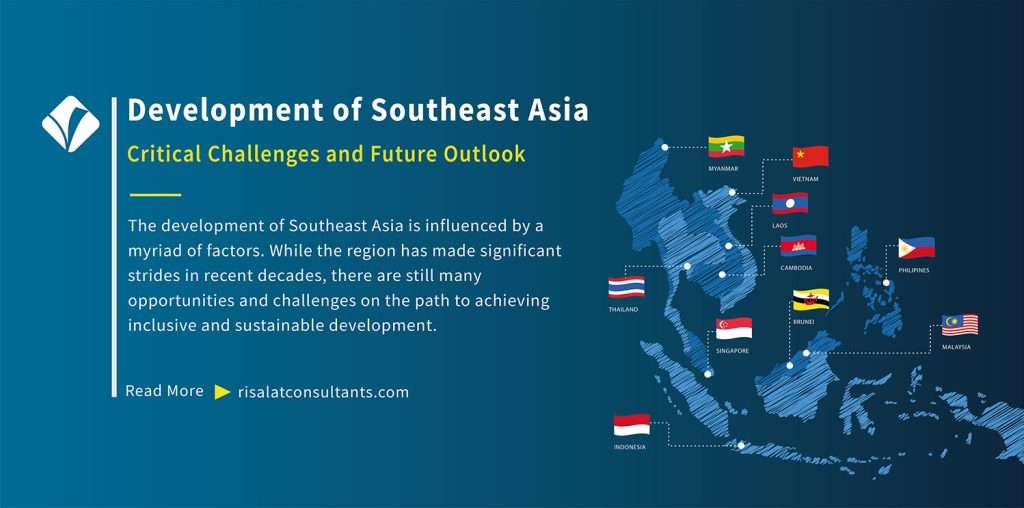
The development of Southeast Asia is influenced by a myriad of factors. While the region has made significant strides in recent decades, there are still many opportunities and challenges on the path to achieving inclusive and sustainable development.
Economic Growth Trends Across Major Southeast Asian Economies
- Indonesia: The economic landscape in Indonesia exhibited a robust growth of 5.04% year-over-year in Q4 2023. This growth was supported by a significant recovery in exports, which grew during this quarter, countering the contraction from the previous period. Despite a slight contraction in imports by 0.2% and a slowdown in industrial production growth to 1.9%, the overall economic momentum remained positive, with inflation trending downward to 2.7%.
- Malaysia: Malaysia’s economy grew by 3.0% year-over-year in Q4 2023. The country faced a contraction in exports by 6.9%, but imports saw a rise of 1.3%. The industrial sector showed signs of recovery with an expected improvement in production growth to 3.6%. Additionally, the unemployment rate declined to 3.3%, and inflation decreased to 1.6%.
- Philippines: The Philippines reported a GDP growth of 5.6% year-over-year in Q4 2023. The export sector contracted by 2.6%, while imports rebounded with a growth of 2.9%. The inflation rate in January 2024 was at a near two-year low of 2.8%.
- Singapore: Singapore’s economy grew by 2.2% year-over-year in Q4 2023. The export growth was minimal at 0.2%, but industrial production saw a significant improvement, achieving a 3.2% growth. Inflation, however, rose by 4.0%.
- Thailand: Thailand experienced a modest GDP growth of 1.7% year-over-year in Q4 2023. Exports showed a positive trend, growing by 4.9%, although industrial production contracted by 4.7%. Inflation was at its lowest in nearly three years, decreasing by 1.11% year-over-year in January 2024.
- فيتنام: برزت فيتنام بنمو قوي في الناتج المحلي الإجمالي بلغ 6.7% على أساس سنوي في الربع الرابع من عام 2023 (Q4 2023)، وشهدت توسعاً مستمراً في الصادرات ونمواً أسرع في الإنتاج الصناعي بلغ 7.8%. وارتفع التضخم ارتفاعاً طفيفاً بنسبة 3.37% على أساس شهري في يناير 2024.
الآفاق الاقتصادية الإقليمية والعوامل المؤثرة فيها
- Forecasted Growth: The Asian Development Bank and the International Monetary Fund predict Southeast Asia to lead in global economic growth over the next two years. However, the economic growth rates of six key ASEAN countries were lower in 2023 compared to 2022, with an average growth rate of 4.7% predicted for Southeast Asia in 2023, not returning to the pre-pandemic momentum of 5.6% in 2022.
- China’s Influence: China’s economic standing significantly impacts the development of Southeast Asia. Holding the largest proportion of trade among the ASEAN countries at about 20%, the slowdown in China’s economy has notably affected the import-export and tourism industries across the region.
- Digital and Economic Integration: The Regional Comprehensive Economic Partnership (RCEP) is set to enhance local economies further. Southeast Asia’s digitalization efforts have also seen significant growth, with a 21% increase in e-commerce worth USD 90 billion, marking the fastest growth globally.
- السياحة والاستثمار الأجنبي المباشر (FDI): تظل السياحة قطاعاً حيوياً، إذ شكّل السياح الصينيون 22% من الزوار قبل الجائحة. ويُتوقع أن تبقى تدفقات الاستثمار الأجنبي المباشر قوية، مع توقعات بأن يصبح جنوب شرق آسيا أكبر سوق موحدة في العالم بحلول عام 2030، بما يسهم إسهاماً كبيراً في الصادرات العالمية والاستثمار الأجنبي المباشر.
يُبرز هذا التحليل المفصل للتحولات الديموغرافية والاقتصادية المشهد الاقتصادي الحيوي والمتطور في جنوب شرق آسيا، المتأثر بالتطورات الداخلية والروابط الاقتصادية الخارجية، ولا سيما مع الاقتصادات الكبرى كالصين. ويؤكد انخراط المنطقة الاستباقي في التحول الرقمي واتفاقيات التجارة الدولية مثل RCEP توجهاتها الاستراتيجية نحو نمو اقتصادي مستدام واندماج في الاقتصاد العالمي.
المشهد السياسي وقضايا الحوكمة المتعلقة بتنمية جنوب شرق آسيا
الديناميكيات الانتخابية وتحديات الحوكمة
- Indonesia’s Political Climate
In February 2024, Indonesia is poised to conduct pivotal presidential and parliamentary elections. The electoral atmosphere is heavily influenced by identity politics and the role of Islam, which are expected to play significant roles in shaping leadership and policy directions.
- التأثير الانتخابي في الفلبين
The 2022 presidential election in the Philippines highlighted the substantial impact of social media in swaying public opinion and electoral outcomes, reflecting a modern challenge in governance where digital platforms become battlegrounds for political influence.
- مخاوف تتعلق بالحوكمة في كمبوديا
July 2023 marked a significant political event in Cambodia as the Cambodian People’s Party took oath, amidst controversies. The exclusion of the main opposition, the Candlelight Party, from the political arena raises critical concerns about the health of democracy in the country.
- Anti-Corruption Efforts in Vietnam
تتصدى فيتنام بنشاط لفضائح فساد رفيعة المستوى، أدت إلى تغييرات كبيرة في المناصب داخل هرمها السياسي. وتكتسي قضايا الحوكمة هذه أهمية بالغة لأنها تؤثر مباشرة في الاستقرار السياسي وثقة الجمهور بالقيادة.
- Political Fragmentation in Malaysia
شهد المشهد السياسي في ماليزيا نشاطاً مكثفاً مع الانتخابات البرلمانية في نوفمبر 2022 وانتخابات الولايات في أغسطس 2023. وقد طرحت المنافسة الشديدة على أصوات الملايو وتشرذم الأحزاب السياسية تحديات أمام الاستقرار الاقتصادي.
- Thailand’s Political Instability
اتسمت تايلاند بتغيرات متكررة في الحكومات بسبب الاحتجاجات والانقلابات والمناورات البرلمانية، ولا يزال عدم الاستقرار السياسي هذا يؤثر في الحوكمة واتساق السياسات في البلاد.
- Singapore’s Presidential Election
In September 2023, Singapore conducted its third contested Presidential Election since 1991, which demonstrated the electorate’s mature understanding of the non-partisan nature of the head of state’s role, reflecting a stable and informed political environment.
Institutional Challenges and Political Pressures affecting the development of Southeast Asia
Southeast Asian countries display a diverse array of domestic institutions that critically shape their capabilities to address coordination, commitment, and collective action problems. The effectiveness of these institutions often determines the trajectory of sustainable economic development.
Political responses to internal and external geopolitical changes are influenced by various pressures including demands for greater redistribution, reevaluation of export-driven economies, poverty alleviation, and addressing the environmental limits of extractive growth strategies. The political elite’s response varies significantly across the region, ranging from efforts to increase inclusivity to the mobilization of vertical allegiances that politicize race, religion, or royalty to manage material grievances.
Impact of Political Stability on Regional Challenges
يظل الاستقرار السياسي في جنوب شرق آسيا غير مؤكد في ظل الانتخابات الأخيرة والمقبلة في ماليزيا والفلبين وتايلاند. وفضلاً عن ذلك، يقيّد الانقلاب العسكري المستمر في ميانمار الاستثمار الأجنبي والسياحة تقييداً شديداً، مما يزيد المشهد السياسي الإقليمي تعقيداً.
Governments’ ability to effectively address and mitigate the impacts of climate change is also intertwined with political stability. While many countries have established environmental laws and climate change frameworks, the real challenge lies in moving from policy frameworks to actionable and effective implementation.
Economic Integration and Dependency
Overview of Southeast Asia’s Economic Integration
تعتمد تنمية جنوب شرق آسيا اعتماداً كبيراً على الشراكات الاستراتيجية وأطر التعاون الإقليمي. ويؤدي البرنامج الإقليمي لجنوب شرق آسيا التابع لمنظمة OECD (SEARP) دوراً محورياً في هذا السياق، إذ يعزز التكامل والترابط من خلال مسارات عمله الـ 13. وتشمل هذه المسارات مجالات حيوية مثل السياسة الضريبية والممارسات التنظيمية الجيدة والبنية التحتية المستدامة، وهي ضرورية لمواءمة السياسات الاقتصادية الإقليمية وتعزيز التعلم المتبادل بين جنوب شرق آسيا ودول OECD.
ASEAN’s Strategic Economic Initiatives
- مخطط الجماعة الاقتصادية لآسيان (AEC) 2025: يدعم برنامج SEARP تنفيذ هذا المخطط الذي يهدف إلى بناء اقتصاد آسيوي متكامل بعمق وشديد التماسك على مستوى الرابطة.
- ASEAN Comprehensive Recovery Framework (ACRF): SEARP’s involvement as an implementation partner underscores its commitment to aiding ASEAN’s post-pandemic recovery efforts.
- Digital Economy Promotion: Under Indonesia’s 2023 chairmanship, ASEAN leaders signed a digital economy agreement, prioritizing digital innovation to bolster the creative economy and SMEs.
- الاتفاقية الإطارية للاقتصاد الرقمي (DEFA): من المقرر تنفيذها بالكامل بحلول عام 2025، وتسعى إلى توحيد اللوائح بين أعضاء آسيان، بما يعزز تماسك الاقتصاد الرقمي الإقليمي وتكامله.
التبعيات الاقتصادية والتأثيرات الخارجية
تتشكل تنمية جنوب شرق آسيا أيضاً بفعل تفاعلاتها مع الاقتصادات العالمية الكبرى، ولا سيما الصين والولايات المتحدة. وتقوم استراتيجية المنطقة على الموازنة بين هذه العلاقات لتعزيز النمو الاقتصادي والاستقرار.
- البصمة الاقتصادية للصين: تظل الصين شريكاً تجارياً مهيمناً ومصدراً رئيسياً للاستثمار الأجنبي المباشر في رابطة آسيان. وتؤكد مبادرة الحزام والطريق استثمارات الصين الاستراتيجية في البنية التحتية لدول آسيان، بما يعزز الترابط والاعتماد الاقتصادي المتبادل.
- S. Economic Policies: The U.S. has opted out of major regional trade agreements like RCEP and CPTPP, instead promoting the Indo-Pacific Economic Framework. This strategy, coupled with protectionist measures, influences ASEAN’s economic alignments and necessitates a nuanced approach to maintaining balanced economic relations with both China and the U.S.
أثر التحولات الاقتصادية العالمية في تنمية جنوب شرق آسيا
The development of Southeast Asia has historically been influenced by economic shifts resulting from the U.S.-China trade tensions. By leveraging these geopolitical dynamics, ASEAN countries have attracted increased foreign direct investment as businesses diversify their supply chains away from China. This strategic positioning is supported by initiatives like the Master Plan on ASEAN Connectivity (MPAC) and the digital economy’s projected growth to $1 trillion by 2030, highlighting the region’s proactive stance in global economic integration.
الاتفاقيات الاقتصادية الإقليمية وأثرها
- الشراكة الاقتصادية الإقليمية الشاملة (RCEP): من المنتظر أن تعزز هذه الاتفاقية اندماج جنوب شرق آسيا مع شرق آسيا والمحيط الهادئ، بما يزيد تدفقات التجارة والاستثمار.
- ASEAN Trade in Goods Agreement (ATIGA)and ASEAN Comprehensive Investment Agreement (ACIA): These agreements significantly reduce intra-ASEAN tariffs and position ASEAN as a preferred hub for production and investment, reflecting the region’s commitment to deepening economic integration.
The development of Southeast Asia features a complex interplay of regional cooperation, strategic economic policies, and external influences. By navigating these dynamics, Southeast Asia not only strengthens its economic resilience but also positions itself as a pivotal player in the global economic arena.
The Rise of China and its Impact on the Development of Southeast Asia
Strategic and Economic Dominance
China’s influence on the development of Southeast Asia is profound and multifaceted. As the preferred alignment choice for over half of the regional respondents, China surpasses the United States in perceived strategic significance. This preference not only underscores China’s pivotal role but also highlights its deep economic entrenchment within the region.
الاستثمار وتطوير البنية التحتية
تنخرط الصين مالياً على نطاق واسع في جنوب شرق آسيا، ولا سيما من خلال مبادرات مثل مبادرة الحزام والطريق (BRI). ولم يعزز هذا المشروع الطموح للبنية التحتية الروابط الاقتصادية للصين فحسب، بل ولّد أيضاً قدراً كبيراً من حسن النية لدى دول جنوب شرق آسيا. وبوصف الصين أكبر أو ثاني أكبر مستثمر أجنبي في بلدان مثل لاوس وتايلاند وماليزيا وبروناي، فإن لاستراتيجياتها الاستثمارية انعكاسات محورية على التنمية الاقتصادية الإقليمية.
العلاقات التجارية
The volume of trade between China and ASEAN nations reached a record high of US$722 billion in 2022, cementing China as ASEAN’s largest trading partner for the fourteenth consecutive year. This robust trade relationship is a testament to the intertwined economic destinies of China and Southeast Asia, where mutual benefits drive sustained engagement.
النفوذ السياسي والاستقرار الإقليمي
رغم الجاذبية الاقتصادية للصين، يُقابَل نفوذها المتنامي في جنوب شرق آسيا بمزيج من الثقة والتوجس. فبينما تعترف غالبية المستطلَعين في المنطقة بالصين قوة اقتصادية رائدة، ثمة قلق كبير بشأن دورها في الحوكمة العالمية والسلام. وتؤكد رغبة دول آسيان في أن تحل الصين النزاعات الإقليمية والبحرية سلمياً التوازن الدقيق بين الاعتماد الاقتصادي وصون السيادة.
الاعتماد الاقتصادي ومخاطره
ينطوي الاعتماد على اقتصاد الصين على مخاطر، يبرزها التباطؤ الاقتصادي في الصين الذي أثر تأثيراً كبيراً في تجارة السلع لدى رابطة آسيان. ويكشف هذا الوضع مواطن الضعف الناجمة عن الإفراط في الاعتماد على قوة اقتصادية واحدة، لا سيما في منطقة تسعى إلى نمو متوازن واستقرار.
التعامل مع تحديات المستقبل
مع مواجهة جنوب شرق آسيا مرحلة حاسمة من تحول موازين القوى في شرق آسيا، يتوقف ازدهار المنطقة على قدرتها على الاندماج في اقتصاد تتمحور حوله الصين، مع الحد من المخاطر المرتبطة بالاعتماد المتبادل غير المتكافئ. وستؤدي السياسات الاقتصادية الاستراتيجية وأطر التعاون الإقليمي أدواراً حاسمة في تشكيل استجابة جنوب شرق آسيا لهذه الديناميكيات المتطورة.
تحدد هذه الشبكة المعقدة من الروابط الاقتصادية والنفوذ السياسي والاصطفافات الاستراتيجية الأثر العميق للصين في جنوب شرق آسيا، بما تطرحه من فرص وتحديات سترسم مستقبل هذه المنطقة الحيوية.
التطورات التكنولوجية والفجوة الرقمية
الفجوة الرقمية في جنوب شرق آسيا
The digital divide remains a significant barrier for the development of Southeast Asia, where over one-fourth of the population lacks internet access. This disparity not only limits access to information and opportunities but also exacerbates social and economic inequalities. Despite being home to more than 480 million internet users and recognized as the world’s third-largest internet-based economy, the challenge persists in bridging this gap.
Growth of the Digital Economy
ارتفعت قيمة الاقتصاد الرقمي في رابطة آسيان إلى 300 مليار دولار في عام 2022، مع توقعات ببلوغها 1 تريليون دولار بحلول عام 2030. وفي عام 2023 وحده، يُتوقع أن يحقق الاقتصاد الرقمي قيمة إجمالية للبضائع تبلغ 218 مليار دولار أمريكي، بنمو سنوي نسبته 11%. ويؤكد هذا التوسع السريع قدرة التحول الرقمي على دفع النمو الاقتصادي في أنحاء المنطقة.
معالجة الفجوة الرقمية من خلال تنمية الموارد البشرية
To combat the widening digital divide, enhancing human resources through targeted digital re-skilling and upskilling initiatives has become crucial. These programs are designed to equip the workforce with necessary digital skills, preparing them for the evolving job market and ensuring that more individuals can benefit from technological advancements.
Technological Advancements and Their Dual-Edged Impact
رغم أن التطورات التكنولوجية تعزز النمو الاقتصادي والابتكار، فإنها تفرز أيضاً تحديات مثل انتشار المعلومات المضللة واتساع الفجوة الرقمية. ولمعالجة هذه القضايا، تعمل الحكومات في أنحاء جنوب شرق آسيا على تعديل القوانين واللوائح لمواكبة التقنيات الناشئة ونماذج الأعمال المبتكرة.
Satellite Communication (SatCom) as a Solution
تقدم خدمات الاتصالات عبر الأقمار الصناعية (SatCom) حلاً واعداً لسد الفجوة الرقمية في جنوب شرق آسيا. فهذه الخدمات، التي لا تقيدها العوائق المادية، توفر خياراً فعالاً من حيث التكلفة للمناطق الريفية الشاسعة. ويُتوقع أن ينمو عدد اشتراكات SatCom في المنطقة بمعدل نمو سنوي مركب قدره 20% بين عامي 2023 و2028، ليتجاوز 1.8 مليون اشتراك بحلول عام 2028.
دور SatCom في القدرة على الصمود أمام الكوارث
تضرر أكثر من 9 ملايين شخص في إندونيسيا وفيتنام والفلبين من الكوارث الطبيعية في عام 2020، مما عطّل الوصول إلى الإنترنت. وتوفر خدمات SatCom قدرة أكبر على الصمود خلال هذه الكوارث، بما يضمن استمرار الاتصال والوصول إلى المعلومات الحيوية حين تتعطل البنى التحتية التقليدية للاتصالات.
Integration of Advanced Technologies in SatCom
Innovations such as Gemma models, which share infrastructure components with Gemini, are enhancing SatCom’s performance. These models are designed with Google’s AI Principles in mind, incorporating automated data filtering and reinforcement learning from human feedback (RLHF) for enhanced safety and reliability.
Through these multifaceted approaches, Southeast Asia is not only addressing its current technological and digital challenges but is also laying the groundwork for a more connected and resilient digital future.
Environmental Concerns and Climate Change influencing the development of Southeast Asia
تصاعد التحديات البيئية في جنوب شرق آسيا
تهدد المخاوف البيئية تنمية جنوب شرق آسيا، مدفوعة أساساً بالنمو الصناعي السريع وإزالة الغابات والآثار الملحة لتغير المناخ. فهذه المنطقة، وهي من أكثر مناطق العالم هشاشة، تشهد ارتفاعاً في مستوى سطح البحر وتزايداً في موجات الحر وظواهر جوية أكثر تواتراً وشدة كالفيضانات والجفاف.
الهشاشة أمام تغير المناخ
- المخاطر الجغرافية والديموغرافية: يعيش أكثر من 77% من سكان جنوب شرق آسيا في المناطق الساحلية، مما يجعلهم شديدي التأثر بارتفاع مستوى سطح البحر وتآكل السواحل.
- Agricultural Impact: Prolonged droughts and erratic rainfall patterns severely affect riverine communities, leading to crop failures and water scarcity.
- مخاطر البحار ومصايد الأسماك: تعطّل الظروف الجوية القاسية سبل عيش الصيادين الذين يسهمون إسهاماً كبيراً في الإنتاج العالمي لمصايد الأسماك البحرية.
استراتيجيات ومبادرات للقدرة على الصمود في وجه تغير المناخ
- USAID/RDMA Initiatives: Efforts include strengthening the region’s power systems, increasing regional energy trade, and accelerating the deployment of clean energy technologies.
- برنامج Smart Power: يهدف إلى ضمان قطاعات طاقة آمنة وقائمة على السوق ومنخفضة الكربون، بما يسهم في النمو الاقتصادي وتحقيق أهداف التخفيف من تغير المناخ.
Pollution and Waste Management
The rapid urbanization and industrialization of Southeast Asia have led to increased pollution and waste management challenges. Initiatives in Jakarta, such as the Clean Cities Blue Ocean (CCBO) project, focus on analyzing and improving waste collection and transportation efficiency.
Key Projects and Research
- رصد جودة الهواء في جاكرتا: تعاون مع شبكة C40 Cities لتحسين جودة الهواء من خلال ورش العمل ومبادرات بناء القدرات.
- River Waste Flow Analysis: Studies on waste management practices in Jakarta to understand the composition and flow of river waste, aiming for more effective pollution control measures.
Deforestation and Its Impact on Carbon Emissions
Deforestation remains a critical issue, particularly in Indonesia and Malaysia, where it significantly contributes to carbon emissions. Draining peat swamps, often cleared for agricultural use, releases vast amounts of carbon dioxide, exacerbating global warming.
التدابير الوقائية والحوافز الاقتصادية
- أرصدة الكربون: قد يتيح منع إزالة الغابات في مناطق رئيسية لبلدان مثل إندونيسيا وماليزيا تحقيق إيرادات كبيرة من أرصدة الكربون.
- Renewable Energy Incentives: Proposals for tax breaks, duty-free imports, and preferential loans to boost investment in renewable energy sources and technologies.
الطلب على الطاقة وتحديات الاستدامة
يقف قطاع الطاقة في جنوب شرق آسيا عند مفترق طرق، إذ يُتوقع أن ينمو الطلب بنسبة 66% بحلول عام 2040. ورغم التزام جميع دول آسيان باتفاق باريس، لا يزال الاعتماد على الفحم والوقود الأحفوري مرتفعاً.
Conflicting National Goals
- Fossil Fuel Subsidies: National policies often subsidize the cost of petroleum products and electricity, conflicting with goals to reduce fossil fuel use.
- سياسات الطاقة المتجددة: تحتاج السياسات الحالية إلى أن تكون أكثر فعالية في قيادة تحول حقيقي في الطاقة، إذ تكتفي غالباً بإضافة مكونات صديقة للمناخ إلى أنظمة يهيمن عليها الوقود الأحفوري.
Economic Implications of Environmental Policies
لا يقتصر الاستثمار في الطاقة المتجددة على معالجة تغير المناخ، بل يحقق أيضاً فوائد اقتصادية كبيرة. فعلى سبيل المثال، يمكن أن يخلق الإنفاق الحكومي على الطاقة المتجددة ما يصل إلى خمسة أضعاف فرص العمل مقارنة بالاستثمار في الوقود الأحفوري.
التقدم في الطاقة الشمسية والطاقة الحرارية الجوفية
- Solar Energy: Rapid expansion of solar farms across the region, with countries like Vietnam leading in solar energy production.
- الطاقة الحرارية الجوفية: تُصنَّف إندونيسيا والفلبين ضمن أكبر المنتجين في العالم، بما يبرز إمكانات الاستغلال المستدام للطاقة.
تُعد آثار التحديات البيئية وتغير المناخ على تنمية جنوب شرق آسيا عميقة، وتستلزم نهجاً متعدد الأبعاد يشمل الابتكار في السياسات والتعاون الدولي وإشراك المجتمعات لتعزيز القدرة على الصمود والتنمية المستدامة.
التحديات الاجتماعية والثقافية وسياسات الهوية المؤثرة في تنمية جنوب شرق آسيا
The Dynamics of Identity Politics in Southeast Asia
تكتسي سياسات الهوية أهمية بالغة لتنمية جنوب شرق آسيا، وتتشكل من خلال النسيج الغني للتنوع العرقي والديني والثقافي في المنطقة. وهذا التنوع، وإن كان مصدر قوة، أفرز أيضاً تحديات اجتماعية وسياسية كبيرة تؤثر في استقرار المنطقة وتنميتها.
- التوترات الدينية والعرقية
كثيراً ما يصبح تداخل المعتقدات الدينية المختلفة، ومنها الإسلام والبوذية والمسيحية والهندوسية والإحيائية، محوراً للتعبئة السياسية. ففي إندونيسيا، لا تزال الجماعة الأحمدية تواجه اضطهاداً وعنفاً كبيرين، بما يعكس تحديات إقليمية أوسع تكون فيها الهوية الدينية أداة تعبئة قوية للسلطة السياسية وللمقاومة على حد سواء. وبالمثل، تكشف الأزمة الحادة التي يعيشها مجتمع الروهينغا في ميانمار عن الأثر المدمر لسياسات الهوية، إذ أجبرت العمليات العسكرية مئات الآلاف على الفرار، مما فاقم المخاوف المتعلقة بحقوق الإنسان.
- Political Utilization of Identity
Countries across Southeast Asia have adopted divergent strategies in managing the complexities of identity politics. While some nations strive to foster national unity and inclusiveness, others have resorted to more authoritarian measures, suppressing dissent and imposing stringent controls on civil society and media. This variance highlights the need for nuanced approaches that consider the unique cultural and historical contexts of each country.
- Case Studies: Nationalistic Movements and Their Impact
- Cambodia and Laos: The rise in nationalistic sentiments complicates the socio-political landscape, potentially sidelining minority groups and exacerbating tensions.
- فيتنام: يتغير الخطاب هنا تدريجياً مع صعود المجتمعات الإلكترونية والمؤثرين على وسائل التواصل الاجتماعي الذين يدعون إلى مزيد من الاعتراف بالأقليات العرقية والدينية وحقوقها.
- سنغافورة: رغم سمعتها العالمية في الوئام الديني، تكشف التوترات الأخيرة بين المجتمع المسلم ومجتمع LGBTQ+ عن تحديات ناشئة في إدارة مجموعات الهوية المتنوعة في سياق شديد التحضر.
- The Role of Socio-Cultural Identity in Conflict
The ongoing Moro conflict in the Philippines, which has resulted in significant loss of life and displacement, and the resurgence of violence in Thailand’s southern provinces, where identity politics between the Malay-Muslim minority and the Thai Buddhist majority are pronounced, are indicative of the deep-seated issues that can destabilize regional peace and security.
Strategic Approaches to Managing Identity Politics
Understanding the underlying factors that contribute to identity-based conflicts is crucial for developing effective strategies to mitigate these challenges. A context-specific approach, sensitive to the historical, cultural, and religious nuances of each area, is essential in promoting sustainable peace and stability. Balancing the interests of various identity groups with the broader goals of regional cohesion and economic transformation remains a pivotal challenge for the development of Southeast Asia.
استجابة جنوب شرق آسيا للتوترات الأمريكية الصينية
Navigating the US-China Rivalry
يجد جنوب شرق آسيا نفسه في موقف حرج وسط تصاعد التوترات الأمريكية الصينية التي تهدد استقرار المنطقة الاقتصادي وآفاق نموها. ويتطلب المشهد الجيوسياسي من دول آسيان نهجاً دقيقاً في الدبلوماسية والعلاقات الدولية.
- عدم الانحياز الاستراتيجي
تشدد دول جنوب شرق آسيا على أهمية ألا تُجبر على الانحياز إلى أحد الطرفين، الولايات المتحدة أو الصين. ويُعد هذا الموقف حاسماً للحفاظ على السيادة والاستقرار الإقليمي في ظل تحولات موازين القوى العالمية.
- التنويع الاقتصادي
تتضح جهود تنويع الشركاء الاقتصاديين، إذ تعزز دول آسيان روابطها مع اقتصادات عالمية أخرى للحد من اعتمادها على الصين والولايات المتحدة. وتشمل هذه الاستراتيجية تعزيز الأنشطة الاقتصادية داخل آسيان واستكشاف اتفاقيات تجارية جديدة مع مناطق أخرى.
- الاستفادة من «التوريد من الدول الصديقة»
تستفيد بعض دول جنوب شرق آسيا من ممارسات «التوريد من الدول الصديقة» في سلاسل الإمداد، التي تهدف إلى الحد من مواطن الضعف المرتبطة بالاعتماد الاقتصادي على القوى الكبرى. وقد أدى هذا النهج إلى زيادة الاستثمار والتجارة داخل المنطقة.
الاستراتيجيات الأمريكية وتوقعات جنوب شرق آسيا
The US has proposed several strategies to reassert its economic influence on the development of Southeast Asia, aiming to provide a counterbalance to China’s growing dominance.
- أجندة اقتصادية إيجابية
Southeast Asian leaders advocate for US engagement based on a positive economic and political agenda, focusing on mutual benefits rather than viewing the region solely through the lens of US-China competition.
- Support for Regional Initiatives
ثمة دعوات إلى أن تدعم الولايات المتحدة المبادرات التي تقودها رابطة آسيان، اعترافاً بأهمية الاستقلالية والقيادة الإقليميتين في رسم مستقبل جنوب شرق آسيا.
- الانخراط المباشر في القضايا العالمية
Collaboration on global challenges such as climate change is seen as a productive area for US-China cooperation, which could also benefit Southeast Asia by addressing critical regional and global environmental concerns.
Balancing Economic and Strategic Interests for the development of Southeast Asia
Southeast Asian nations employ various strategies to balance their economic and strategic interests in the face of US-China tensions.
- Engaging Both Powers
Maintaining constructive relations with both China and the US is a key strategy, ensuring that Southeast Asia remains a significant player on the international stage without overly aligning with either of the superpowers.
- تشكيل الديناميكيات الإقليمية
Through diplomatic and economic actions, ASEAN aims to shape regional dynamics that favor stability and prosperity, even as global powers exert influence in the region.
- Balancing and Hedging
تُعتمد استراتيجيات الموازنة والتحوط للتعامل مع التداخل المعقد بين المكاسب الاقتصادية والمخاطر الاستراتيجية التي تمثلها الولايات المتحدة والصين معاً.
Perceptions and Realities
تتباين تصورات التنافس الأمريكي الصيني في جنوب شرق آسيا تبايناً واسعاً بين القادة الوطنيين وعامة الناس، مما يؤثر في القرارات السياسية الوطنية والإقليمية.
- Elite vs. Public Perceptions
كثيراً ما توجد فجوة بين تصورات النخب السياسية وعامة السكان بشأن أثر التنافس الأمريكي الصيني وتداعياته، وهو ما قد ينعكس على الاستراتيجيات والاستجابات الوطنية.
- تأثير وسائل الإعلام
تؤدي وسائل الإعلام دوراً مهماً في تشكيل الرأي العام والخطاب المتعلق بالعلاقات الأمريكية الصينية، إذ كثيراً ما تعكس وسائل الإعلام الوطنية التفضيلات الاستراتيجية لحكوماتها وانحيازاتها.
- الاستجابات على صعيد السياسات
تُصاغ الاستجابات السياسية للتوترات الأمريكية الصينية بعناية لتعكس المصالح الوطنية والرغبة الإقليمية الأوسع في الاستقرار والازدهار، مع تجنب أي انحياز صريح قد يزعزع النظام الإقليمي.
من خلال التعامل مع هذه الديناميكيات المعقدة، يواصل جنوب شرق آسيا تأكيد حضوره الفاعل على الساحة العالمية، ساعياً إلى نهج متوازن يعزز الاستقرار الإقليمي والنمو الاقتصادي وسط التحديات التي تفرضها التوترات الأمريكية الصينية.
أثر القوى الخارجية في تنمية جنوب شرق آسيا
القدرة التفاوضية والوصول إلى التمويل
The strategic competition among external powers for influence in Southeast Asia has notably provided regional elites with significant bargaining leverage, particularly in infrastructure projects and financial access. This geopolitical dynamic has enabled countries within the region to negotiate more favorable terms and secure enhanced investments from major global players, keen on establishing or expanding their influence.
الآفاق الاقتصادية وتوقعات النمو
- Optimistic Growth Forecasts: Southeast Asia is poised to lead Developing Asia in economic growth over the next two years, reflecting a robust regional economic framework that continues to attract global attention and investment.
- Cautious Optimism for 2024: Despite potential challenges including geopolitical tensions and economic uncertainties in major economies like China, Southeast Asia’s economic outlook remains cautiously optimistic.
Foreign Direct Investment (FDI) Trends
أعادت التوترات التجارية المستمرة بين الولايات المتحدة والصين تشكيل خريطة التصنيع، ودفعت شركات عدة إلى نقل إنتاجها خارج الصين. وقد أفاد هذا التحول دول جنوب شرق آسيا مثل سنغافورة وفيتنام وماليزيا وإندونيسيا، التي شهدت تدفقات قوية من الاستثمار الأجنبي المباشر. وتؤكد هذه التحركات الأهمية المتزايدة للمنطقة بوصفها مركزاً استراتيجياً للتصنيع والاستثمار.
Currency Performance
The performance of regional currencies highlights the economic narratives unfolding within Southeast Asia:
- الروبية الإندونيسية: سجلت ارتفاعاً ملحوظاً أمام الدولار، بما يعكس تفاؤل المستثمرين والاستقرار الاقتصادي.
- Malaysian Ringgit: Continued its decline, suggesting economic challenges and investor caution.
- Philippine Peso and Thai Baht: These currencies experienced fluctuations that mirror the ongoing economic adjustments and external influences impacting the region.
القدرة على الصمود في خضم التحديات العالمية
أظهرت دول آسيان العشر (ASEAN-10)، إلى جانب الصين والهند، قدرة على الصمود في مواجهة تحديات عالمية كبيرة، منها جائحة COVID-19 والتوترات الجيوسياسية. وتكتسي هذه القدرة أهمية محورية لأنها تؤكد قدرة المنطقة على التعامل مع الديناميكيات العالمية المعقدة والتكيف معها مع الحفاظ على الاستقرار الاقتصادي والنمو.
يُبرز هذا التحليل لأثر القوى الخارجية في تنمية جنوب شرق آسيا مشهداً تتشابك فيه المنافسة الجيوسياسية والاستراتيجيات الاقتصادية تشابكاً عميقاً، بما يؤثر في مسار المنطقة نحو نمو وتنمية مستدامين.
Geopolitical Challenges
Pakistan’s Internal Security and Regional Impact
في عام 2023، واجه المشهد الأمني الداخلي في باكستان تحديات كبيرة بسبب تفاقم الإرهاب. وشملت استجابة الحكومة الإعلان عن خطط لترحيل أكثر من 1.7 مليون مهاجر أفغاني غير موثق. ويؤكد هذا الإجراء التداخل المعقد بين تدابير الأمن الوطني والاعتبارات الإنسانية، ويسلط الضوء على تداعياته الجيوسياسية على الاستقرار الإقليمي، ولا سيما من حيث النزوح واحتمال توتر العلاقات الدبلوماسية مع أفغانستان.
Electoral Shifts in the Maldives
شهد المشهد السياسي في جزر المالديف تحولاً محورياً بانتخاب محمد معز من حزب المؤتمر الوطني الشعبي (PNC). وقد مثّل فوزه تحولاً كبيراً في توجهات السياسة الخارجية للبلاد، ولا سيما في علاقاتها مع الهند. ويعكس تركيز الرئيس معز على مناهضة ما يُنظر إليه على أنه تبعية المالديف للهند ديناميكيات إقليمية أوسع، تسعى فيها الدول الصغيرة إلى صون استقلاليتها الاستراتيجية وسط القوى الكبرى.
تطور الدور الأمني الأمريكي في جنوب شرق آسيا
The traditional security role of the United States in Southeast Asia is experiencing unprecedented pressures. These challenges stem not only from domestic political and economic constraints within the US but also from the increasing military and technological capacities of China. This evolving scenario presents a dual-edged sword for Southeast Asian nations, which have historically relied on the US for security assurances against regional hegemonies.
مخاطر تصاعد صراعات القوى الخارجية
The intricate web of security alliances and economic dependencies in Southeast Asia faces potential upheaval due to escalating concerns involving major external powers. An increase in security tensions could lead to severe repercussions for the region, including reprisals, blacklists, and sanctions. These measures could significantly disrupt cross-border collaborations involving a wide array of institutions from firms to universities, posing substantial risks to the region’s economic and academic landscapes.
These geopolitical challenges not only reflect the immediate concerns of individual nations but also illustrate the broader strategic uncertainties facing Southeast Asia. The region’s ability to navigate these complexities will be crucial in shaping its future stability and prosperity.
الاستجابات والاستراتيجيات لتعزيز القدرة على الصمود
Framework for Sustainable Resilience
- تعزيز القدرة المستدامة على الصمود: يركز جنوب شرق آسيا على تعزيز التعاون في مجالي المناخ والحد من مخاطر الكوارث بوصفه حجر الزاوية للتنمية المستدامة. ويتطلب ذلك إطاراً شاملاً لا يقتصر على التعامل مع الكوارث الآنية، بل يستعد أيضاً لتحديات المناخ المستقبلية من خلال تدابير استباقية.
- تعزيز الشراكات: من خلال بناء شراكات أقوى مع شركاء آسيان وأصحاب المصلحة، تسعى المنطقة إلى وضع أطر متينة تيسّر القدرة المستدامة على الصمود، بما يشمل إشراك طيف واسع من المنظمات الدولية والمنظمات غير الحكومية المحلية والمؤسسات المجتمعية لتعزيز نهج موحد للصمود.
- Knowledge Sharing and Technical Assistance: Addressing sustainable resilience challenges is pivotal, involving extensive knowledge and information sharing, alongside technical assistance. This approach is geared towards building local capacities and empowering communities to manage and mitigate disaster risks effectively.
البناء المؤسسي وبناء القدرات من أجل تنمية جنوب شرق آسيا
- تعزيز قدرات آسيان: تُبذل جهود لمواءمة الأطر المؤسسية الوطنية والإقليمية بما يعزز قدرة آسيان على تحقيق القدرة المستدامة على الصمود، ويشمل ذلك إنشاء هياكل متعددة المستويات لحوكمة مخاطر الكوارث وتعزيز قدرات إدارة الكوارث.
- تعزيز القدرات المحلية: ينصبّ تركيز كبير على تحسين القدرات الوطنية والمحلية على اتخاذ تدابير الوقاية من الكوارث والتخفيف من آثارها والتأهب لها والاستجابة لها والتعافي منها. ويضمن هذا النهج الشامل جاهزية جميع مستويات الحوكمة وتجهيزها للتعامل مع الأزمات المحتملة.
التكامل التكنولوجي والاستراتيجيات المالية
- Early Warning and Response Systems: Improving early warning systems and comprehensive disaster response mechanisms are crucial. These systems are essential for timely information dissemination and effective management of disaster situations.
- Financial Resilience: Increasing financial resilience involves a multifaceted approach including risk financing, contingency planning, and the establishment of public-private partnerships. These strategies are designed to prepare for, deal with, and recover from disasters while promoting sustainable development practices.
- الاستخدام المبتكر للتكنولوجيا: يُعد توظيف العلوم والتكنولوجيا والابتكار أساسياً لتعزيز قدرة البنية التحتية على تحمل آثار المناخ والكوارث، ويشمل ذلك اعتماد أحدث التقنيات التي تعزز صمود البنية التحتية الحيوية والتخطيط الحضري.
الشمول والمقاربات المتمحورة حول المجتمع
- Promoting Inclusive Resilience: Ensuring that resilience strategies are inclusive is critical. Special attention is given to vulnerable groups such as women, children, the elderly, and people with disabilities to ensure that no one is left behind in resilience planning and implementation.
- تمكين المجتمعات المحلية: يُعد دعم المجتمعات المحلية أمراً جوهرياً، من خلال الاستفادة من ثقافاتها وحكمتها الفريدة بوصفها خط الدفاع الأول في مواجهة المخاطر الناشئة. ولا يعزز هذا النهج قدرة المجتمعات على الصمود فحسب، بل يضمن أيضاً إدماج المعارف والممارسات المحلية في الاستراتيجيات الأوسع لإدارة مخاطر الكوارث.
الرؤية الاستراتيجية والتعاون الدولي من أجل تنمية جنوب شرق آسيا
- ASEAN’s Global Leadership in Disaster Management: Reiterating ASEAN’s vision to be a global leader in disaster management is central to these strategies. This vision is supported by ensuring collaboration, innovation, and a people-centered approach in all initiatives.
- استراتيجيات شاملة للقدرة على الصمود: يشرف الاجتماع الوزاري لرابطة آسيان المعني بإدارة الكوارث (AMMDM) على وضع استراتيجية شاملة لتعزيز قدرة مجتمع آسيان على الصمود، وتتولى لجنة آسيان لإدارة الكوارث (ACDM) تنفيذها.
- التقدم نحو الحياد الكربوني: يتطلب استكشاف تدابير التقدم نحو الحياد الكربوني اعتماد حلول تكنولوجية جديدة، وتسريع إتاحة التمويل، وتطبيق تدابير فعالة لخفض البصمة الكربونية.
Regional Initiatives and Collaborations
- إطلاق تحالف SEACAR: يمثل تحالف جنوب شرق آسيا للتكيف مع المناخ والقدرة على الصمود (SEACAR) دعوة إلى العمل موجهة إلى أصحاب المصلحة في أنحاء المنطقة لتسخير القوة المشتركة للطبيعة والتكنولوجيا في مواجهة تحديات المناخ.
- Collaboration with International Bodies: Collaborative efforts with organizations like UNICEF and Indonesia’s Ministry of Finance highlight the region’s commitment to integrating disaster risk financing and insurance (DRFI) and adaptive social protection (ASP) strategies at various levels.
تُجسّد هذه الاستجابات الاستراتيجية وتدابير بناء القدرة على الصمود النهج الشامل الذي يتبعه جنوب شرق آسيا لمواجهة التحديات المتعددة الأوجه التي يفرضها تغير المناخ وغيره من المخاطر البيئية. ومن خلال دمج التكنولوجيا وتعزيز الاستراتيجيات المالية وتشجيع المشاركة المجتمعية الشاملة، تسعى المنطقة إلى بناء مستقبل قادر على الصمود، مستدام ومنصف لجميع سكانها.
آفاق المستقبل لتنمية جنوب شرق آسيا
تتهيأ تنمية جنوب شرق آسيا لتطور حيوي في السنوات المقبلة، يتسم بنمو قوي واستثمارات استراتيجية ونظرة متفائلة لعام 2024 وما بعده. فاقتصادات المنطقة، التي أبدت أداءً قوياً في النصف الثاني من عام 2023، مدعومة بمزيج من الطلب المحلي وآفاق التوظيف المستقرة وقطاع خدمات مزدهر. ونتناول هنا الآفاق الاقتصادية المتعددة الأوجه التي ترسم مستقبل هذه المنطقة النابضة بالحياة.
توقعات النمو والاستقرار الاقتصادي
- اتجاهات نمو الناتج المحلي الإجمالي: يُتوقع أن يبلغ نمو الناتج المحلي الإجمالي الحقيقي في جنوب شرق آسيا 4.6% في عام 2024 و4.7% في عام 2025، في إشارة إلى انتعاش اقتصادي مطرد.
- Stable Employment and Domestic Demand: The employment landscape has gradually recovered, with ongoing challenges being mitigated through strategic policy interventions. Domestic demand remains a critical pillar supporting the region’s economic growth.
- Services Sector Revival: Particularly noteworthy is the recovery of the tourism sector, which is expected to see a rebound as global travel restrictions ease further.
مبادرات اقتصادية استراتيجية
- Government Stimulus Programs: Various Southeast Asian governments have launched stimulus programs to catalyze economic activity and cushion the impacts of global economic uncertainties.
- الاستهلاك الخاص والطلب الخارجي: يُتوقع أن يدفع الاستهلاك الخاص القوي، إلى جانب انتعاش الطلب الخارجي، ولا سيما في سوق الإلكترونيات، نشاطاً اقتصادياً كبيراً.
التحديات والاستجابات الاستراتيجية
- Financial Conditions: The second half of 2022 presented challenging financial conditions due to aggressive monetary policy tightening by major advanced economies. Despite these challenges, the banking sector’s stability has been robust, although it requires vigilant monitoring in the current high-inflation, high-interest environment.
- تدفقات الاستثمار الأجنبي: رغم تشدد أوضاع الائتمان العالمية وتأثيرها في تدفقات الاستثمار الأجنبي، شهد عام 2023 تعافياً ملحوظاً، إذ يواصل جنوب شرق آسيا جذب الاستثمار الأجنبي المباشر، مؤكداً جاذبيته وجهةً رئيسية للاستثمار.
Economic Dependencies and Opportunities
- Export Dynamics: Although exports have supported growth in 2022, there are signs of weakening due to slowing global economic growth. This calls for strategic adjustments to enhance the resilience of export-dependent economies.
- صدمات جانب العرض: لا تزال المنطقة تواجه صدمات في جانب العرض، تتأثر أساساً بأحداث عالمية مثل الحرب في أوكرانيا وضغوط التضخم المستمرة. وتستلزم هذه العوامل سياسات اقتصادية مرنة لضمان استمرار النمو.
Table: Economic Forecast and Key Indicators for the Development of Southeast Asia (2024-2025)
| البلد | GDP Growth 2024 | نمو الناتج المحلي الإجمالي 2025 | Key Economic Drivers |
| إندونيسيا | 5.1% | 5.3% | Domestic demand, tourism, export recovery |
| ماليزيا | 4.3% | 4.5% | الاستهلاك الخاص، الصادرات التقنية |
| الفلبين | 6.0% | 6.2% | Government spending, remittances |
| سنغافورة | 3.5% | 3.7% | Financial services, international trade |
| تايلاند | 4.8% | 5.0% | Tourism, agriculture, electronics |
| فيتنام | 7.2% | 7.4% | التصنيع، الصادرات، الاستثمار الأجنبي المباشر |
The future prospects for Southeast Asia are intricately linked to both regional initiatives and global economic trends. By navigating these dynamics thoughtfully, the region not only enhances its economic resilience but also solidifies its role as a pivotal player in the global economic arena. The strategic foresight demonstrated by ASEAN countries in managing economic challenges and capitalizing on opportunities will undoubtedly influence their trajectory towards sustained growth and development.
تابعوا صفحات Risalat على مواقع التواصل
LinkedIn | Twitter | Facebook | YouTube
هل تعرف أشخاصاً ينبغي أن يقرؤوا هذا؟ كن سفيراً لـ Risalat أو اكتب مقالاً مع Risalat باسمك الشخصي.
شركاء في نجاح المشاريع منذ 2011، نقدم التشخيص والدعم الاستشاري والتعلم التطبيقي للوزارات والهيئات العامة وفرق المشاريع.
هل تحتاج إلى مساعدة في تطبيق ذلك عملياً؟
ابدأ بتشخيص مجاني مدته 10 دقائق أو تحدث إلى خبرائنا.