面向未来:关乎东南亚发展的关键挑战
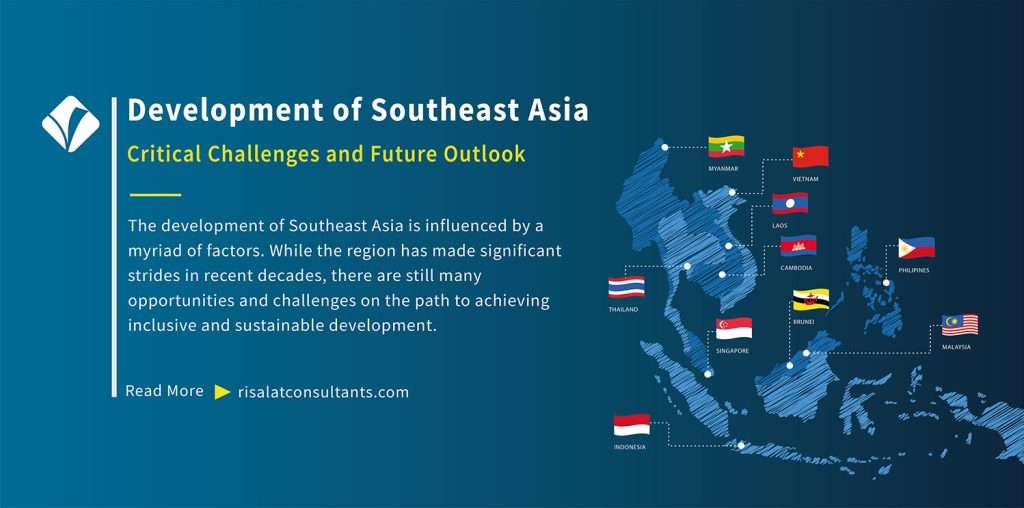
The development of Southeast Asia is influenced by a myriad of factors. While the region has made significant strides in recent decades, there are still many opportunities and challenges on the path to achieving inclusive and sustainable development.
Economic Growth Trends Across Major Southeast Asian Economies
- Indonesia: The economic landscape in Indonesia exhibited a robust growth of 5.04% year-over-year in Q4 2023. This growth was supported by a significant recovery in exports, which grew during this quarter, countering the contraction from the previous period. Despite a slight contraction in imports by 0.2% and a slowdown in industrial production growth to 1.9%, the overall economic momentum remained positive, with inflation trending downward to 2.7%.
- Malaysia: Malaysia’s economy grew by 3.0% year-over-year in Q4 2023. The country faced a contraction in exports by 6.9%, but imports saw a rise of 1.3%. The industrial sector showed signs of recovery with an expected improvement in production growth to 3.6%. Additionally, the unemployment rate declined to 3.3%, and inflation decreased to 1.6%.
- Philippines: The Philippines reported a GDP growth of 5.6% year-over-year in Q4 2023. The export sector contracted by 2.6%, while imports rebounded with a growth of 2.9%. The inflation rate in January 2024 was at a near two-year low of 2.8%.
- Singapore: Singapore’s economy grew by 2.2% year-over-year in Q4 2023. The export growth was minimal at 0.2%, but industrial production saw a significant improvement, achieving a 3.2% growth. Inflation, however, rose by 4.0%.
- Thailand: Thailand experienced a modest GDP growth of 1.7% year-over-year in Q4 2023. Exports showed a positive trend, growing by 4.9%, although industrial production contracted by 4.7%. Inflation was at its lowest in nearly three years, decreasing by 1.11% year-over-year in January 2024.
- 越南:越南表现突出,2023年第4季度GDP同比增长6.7%,增势强劲。该国出口持续扩张,工业生产增速加快至7.8%。2024年1月,通胀环比小幅上升3.37%。
地区经济展望及影响因素
- Forecasted Growth: The Asian Development Bank and the International Monetary Fund predict Southeast Asia to lead in global economic growth over the next two years. However, the economic growth rates of six key ASEAN countries were lower in 2023 compared to 2022, with an average growth rate of 4.7% predicted for Southeast Asia in 2023, not returning to the pre-pandemic momentum of 5.6% in 2022.
- China’s Influence: China’s economic standing significantly impacts the development of Southeast Asia. Holding the largest proportion of trade among the ASEAN countries at about 20%, the slowdown in China’s economy has notably affected the import-export and tourism industries across the region.
- Digital and Economic Integration: The Regional Comprehensive Economic Partnership (RCEP) is set to enhance local economies further. Southeast Asia’s digitalization efforts have also seen significant growth, with a 21% increase in e-commerce worth USD 90 billion, marking the fastest growth globally.
- 旅游业与外国直接投资(FDI):旅游业仍是重要行业,疫情前中国游客占游客总数的22%。外国直接投资流入预计将保持强劲,预计到2030年东南亚将成为全球最大的单一市场,为全球出口和外国直接投资作出重大贡献。
以上对人口变化和经济转型的详细分析,展现了东南亚充满活力、不断演变的经济格局,这一格局既受内部发展影响,也受对外经济联系,尤其是与中国等主要经济体联系的影响。该地区积极推进数字化转型,并参与RCEP等国际贸易协定,进一步彰显了其实现持续经济增长、融入全球经济的战略举措。
东南亚发展中的政治格局与治理问题
选举态势与治理挑战
- Indonesia’s Political Climate
In February 2024, Indonesia is poised to conduct pivotal presidential and parliamentary elections. The electoral atmosphere is heavily influenced by identity politics and the role of Islam, which are expected to play significant roles in shaping leadership and policy directions.
- 菲律宾的选举影响
The 2022 presidential election in the Philippines highlighted the substantial impact of social media in swaying public opinion and electoral outcomes, reflecting a modern challenge in governance where digital platforms become battlegrounds for political influence.
- 柬埔寨的治理问题
July 2023 marked a significant political event in Cambodia as the Cambodian People’s Party took oath, amidst controversies. The exclusion of the main opposition, the Candlelight Party, from the political arena raises critical concerns about the health of democracy in the country.
- Anti-Corruption Efforts in Vietnam
越南一直在积极查处高层腐败丑闻,导致其政治体系内部发生重大人事变动。这些治理问题至关重要,因为它们直接影响政治稳定和公众对领导层的信任。
- Political Fragmentation in Malaysia
马来西亚政坛活动频繁,2022年11月举行了议会选举,2023年8月举行了州选举。争夺马来族选票的激烈竞争和政党的分化给经济稳定带来了挑战。
- Thailand’s Political Instability
泰国因抗议活动、政变和议会博弈而频繁更换政府。这种持续的政治不稳定继续影响着该国的治理和政策连续性。
- Singapore’s Presidential Election
In September 2023, Singapore conducted its third contested Presidential Election since 1991, which demonstrated the electorate’s mature understanding of the non-partisan nature of the head of state’s role, reflecting a stable and informed political environment.
Institutional Challenges and Political Pressures affecting the development of Southeast Asia
Southeast Asian countries display a diverse array of domestic institutions that critically shape their capabilities to address coordination, commitment, and collective action problems. The effectiveness of these institutions often determines the trajectory of sustainable economic development.
Political responses to internal and external geopolitical changes are influenced by various pressures including demands for greater redistribution, reevaluation of export-driven economies, poverty alleviation, and addressing the environmental limits of extractive growth strategies. The political elite’s response varies significantly across the region, ranging from efforts to increase inclusivity to the mobilization of vertical allegiances that politicize race, religion, or royalty to manage material grievances.
Impact of Political Stability on Regional Challenges
随着马来西亚、菲律宾和泰国近期已举行和即将举行的选举,东南亚的政治稳定仍存在不确定性。此外,缅甸持续的军事政变严重限制了外国投资和旅游业,使地区政治格局更加复杂。
Governments’ ability to effectively address and mitigate the impacts of climate change is also intertwined with political stability. While many countries have established environmental laws and climate change frameworks, the real challenge lies in moving from policy frameworks to actionable and effective implementation.
Economic Integration and Dependency
Overview of Southeast Asia’s Economic Integration
东南亚的发展在很大程度上依赖于战略伙伴关系和区域合作框架。经合组织东南亚区域项目(SEARP)在这方面发挥着关键作用,通过13个工作领域促进一体化和互联互通。这些领域涵盖税收政策、良好监管实践和可持续基础设施等重要方面,对于协调区域经济政策、促进东南亚与经合组织国家之间的相互学习至关重要。
ASEAN’s Strategic Economic Initiatives
- 《东盟经济共同体蓝图2025》:SEARP支持该蓝图的实施,其目标是建立一个深度一体化、高度凝聚的东盟经济体。
- ASEAN Comprehensive Recovery Framework (ACRF): SEARP’s involvement as an implementation partner underscores its commitment to aiding ASEAN’s post-pandemic recovery efforts.
- Digital Economy Promotion: Under Indonesia’s 2023 chairmanship, ASEAN leaders signed a digital economy agreement, prioritizing digital innovation to bolster the creative economy and SMEs.
- 《数字经济框架协议》(DEFA):该协议计划于2025年全面实施,旨在统一东盟成员国的相关法规,增强区域数字经济的协调性和一体化程度。
经济依赖与外部影响
东南亚的发展还受到其与全球主要经济体,尤其是中国和美国之间互动的影响。该地区的战略是平衡好这些关系,以促进经济增长与稳定。
- 中国的经济足迹:中国仍是东盟的主要贸易伙伴和重要的外国直接投资来源。“一带一路”倡议突显了中国对东盟基础设施的战略投资,增强了互联互通和经济上的相互依存。
- S. Economic Policies: The U.S. has opted out of major regional trade agreements like RCEP and CPTPP, instead promoting the Indo-Pacific Economic Framework. This strategy, coupled with protectionist measures, influences ASEAN’s economic alignments and necessitates a nuanced approach to maintaining balanced economic relations with both China and the U.S.
全球经济变化对东南亚发展的影响
The development of Southeast Asia has historically been influenced by economic shifts resulting from the U.S.-China trade tensions. By leveraging these geopolitical dynamics, ASEAN countries have attracted increased foreign direct investment as businesses diversify their supply chains away from China. This strategic positioning is supported by initiatives like the Master Plan on ASEAN Connectivity (MPAC) and the digital economy’s projected growth to $1 trillion by 2030, highlighting the region’s proactive stance in global economic integration.
区域经济协定及其影响
- 《区域全面经济伙伴关系协定》(RCEP):该协定将进一步推动东南亚与东亚及太平洋地区的一体化,促进贸易和投资往来。
- ASEAN Trade in Goods Agreement (ATIGA)and ASEAN Comprehensive Investment Agreement (ACIA): These agreements significantly reduce intra-ASEAN tariffs and position ASEAN as a preferred hub for production and investment, reflecting the region’s commitment to deepening economic integration.
The development of Southeast Asia features a complex interplay of regional cooperation, strategic economic policies, and external influences. By navigating these dynamics, Southeast Asia not only strengthens its economic resilience but also positions itself as a pivotal player in the global economic arena.
The Rise of China and its Impact on the Development of Southeast Asia
Strategic and Economic Dominance
China’s influence on the development of Southeast Asia is profound and multifaceted. As the preferred alignment choice for over half of the regional respondents, China surpasses the United States in perceived strategic significance. This preference not only underscores China’s pivotal role but also highlights its deep economic entrenchment within the region.
投资与基础设施建设
中国在东南亚的资金参与范围广泛,尤其是通过“一带一路”倡议(BRI)。这一宏大的基础设施计划不仅加强了中国的经济联系,还在东南亚各国赢得了相当多的好感。作为老挝、泰国、马来西亚和文莱等国最大或第二大外国投资者,中国的投资战略对地区经济发展具有举足轻重的影响。
贸易关系
The volume of trade between China and ASEAN nations reached a record high of US$722 billion in 2022, cementing China as ASEAN’s largest trading partner for the fourteenth consecutive year. This robust trade relationship is a testament to the intertwined economic destinies of China and Southeast Asia, where mutual benefits drive sustained engagement.
政治影响与地区稳定
尽管中国具有经济吸引力,但其在东南亚日益增长的影响力引发了信任与担忧交织的复杂反应。虽然多数地区受访者认可中国是领先的经济强国,但对其在全球治理与和平中的作用存在明显担忧。东盟国家希望中国以和平方式解决领土和海洋争端,这凸显了经济依赖与主权完整之间的微妙平衡。
经济依赖与风险
对中国经济的依赖也伴随着风险,中国经济放缓已对东盟的货物贸易造成显著影响。这一情况暴露了过度依赖单一经济强国的脆弱性,对于一个力求实现均衡增长与稳定的地区而言尤其如此。
应对未来挑战
在东亚权力格局转变的关键阶段,东南亚的繁荣取决于其能否在融入以中国为中心的经济体系的同时,降低不对称相互依赖带来的风险。战略性经济政策和区域合作框架将在塑造东南亚应对这些演变态势的过程中发挥关键作用。
经济联系、政治影响和战略取向交织成一张错综复杂的网络,决定了中国对东南亚的深远影响,既带来机遇,也带来挑战,将塑造这一活力地区的未来。
技术进步与数字鸿沟
东南亚的数字鸿沟
The digital divide remains a significant barrier for the development of Southeast Asia, where over one-fourth of the population lacks internet access. This disparity not only limits access to information and opportunities but also exacerbates social and economic inequalities. Despite being home to more than 480 million internet users and recognized as the world’s third-largest internet-based economy, the challenge persists in bridging this gap.
Growth of the Digital Economy
东盟数字经济规模在2022年猛增至3000亿美元,预计到2030年将达到1万亿美元。仅2023年,数字经济商品交易总额预计就将达到2180亿美元,同比增长11%。这一快速扩张凸显了数字化转型推动整个地区经济增长的潜力。
通过人力资源开发弥合数字鸿沟
To combat the widening digital divide, enhancing human resources through targeted digital re-skilling and upskilling initiatives has become crucial. These programs are designed to equip the workforce with necessary digital skills, preparing them for the evolving job market and ensuring that more individuals can benefit from technological advancements.
Technological Advancements and Their Dual-Edged Impact
技术进步在促进经济增长和创新的同时,也带来了虚假信息泛滥和数字鸿沟扩大等挑战。为应对这些问题,东南亚各国政府正在修订法律法规,以适应新兴技术和创新商业模式。
Satellite Communication (SatCom) as a Solution
卫星通信(SatCom)服务为弥合东南亚数字鸿沟提供了一个颇具前景的解决方案。这类服务不受物理障碍限制,可为广大农村地区提供具有成本效益的选择。预计2023年至2028年间,该地区卫星通信用户数将以20%的年复合增长率增长,到2028年超过180万户。
卫星通信在抗灾韧性中的作用
2020年,印度尼西亚、越南和菲律宾有900多万人受到自然灾害影响,互联网接入也因此中断。卫星通信服务在此类灾害中具有更强的韧性,可在传统通信基础设施失灵时确保持续连接和获取关键信息。
Integration of Advanced Technologies in SatCom
Innovations such as Gemma models, which share infrastructure components with Gemini, are enhancing SatCom’s performance. These models are designed with Google’s AI Principles in mind, incorporating automated data filtering and reinforcement learning from human feedback (RLHF) for enhanced safety and reliability.
Through these multifaceted approaches, Southeast Asia is not only addressing its current technological and digital challenges but is also laying the groundwork for a more connected and resilient digital future.
Environmental Concerns and Climate Change influencing the development of Southeast Asia
东南亚日益严峻的环境挑战
东南亚的发展正受到环境问题的威胁,这些问题主要源于工业快速增长、森林砍伐以及气候变化带来的紧迫影响。作为全球最脆弱的地区之一,该地区正面临海平面上升、热浪增多以及洪水和干旱等极端天气事件更加频繁和严重的局面。
易受气候变化影响
- 地理与人口风险:东南亚77%以上的人口居住在沿海地区,极易受到海平面上升和海岸侵蚀的影响。
- Agricultural Impact: Prolonged droughts and erratic rainfall patterns severely affect riverine communities, leading to crop failures and water scarcity.
- 海洋与渔业风险:极端天气扰乱了渔民的生计,而渔民对全球海洋渔业产量贡献巨大。
增强气候韧性的战略与举措
- USAID/RDMA Initiatives: Efforts include strengthening the region’s power systems, increasing regional energy trade, and accelerating the deployment of clean energy technologies.
- 智能电力计划:旨在确保能源行业安全、以市场为导向并实现低碳,助力经济增长和气候减缓目标。
Pollution and Waste Management
The rapid urbanization and industrialization of Southeast Asia have led to increased pollution and waste management challenges. Initiatives in Jakarta, such as the Clean Cities Blue Ocean (CCBO) project, focus on analyzing and improving waste collection and transportation efficiency.
Key Projects and Research
- 雅加达空气质量监测:与C40城市气候领导联盟合作,通过研讨会和能力建设举措改善空气质量。
- River Waste Flow Analysis: Studies on waste management practices in Jakarta to understand the composition and flow of river waste, aiming for more effective pollution control measures.
Deforestation and Its Impact on Carbon Emissions
Deforestation remains a critical issue, particularly in Indonesia and Malaysia, where it significantly contributes to carbon emissions. Draining peat swamps, often cleared for agricultural use, releases vast amounts of carbon dioxide, exacerbating global warming.
预防措施与经济激励
- 碳信用:在重点地区防止毁林,可使印度尼西亚和马来西亚等国从碳信用中获得可观收入。
- Renewable Energy Incentives: Proposals for tax breaks, duty-free imports, and preferential loans to boost investment in renewable energy sources and technologies.
能源需求与可持续发展挑战
东南亚能源行业正处于十字路口,预计到2040年能源需求将增长66%。尽管所有东盟国家都承诺履行《巴黎协定》,但对煤炭和化石燃料的依赖程度仍然很高。
Conflicting National Goals
- Fossil Fuel Subsidies: National policies often subsidize the cost of petroleum products and electricity, conflicting with goals to reduce fossil fuel use.
- 可再生能源政策:现行政策在引领真正的能源转型方面还需更加有效,目前往往只是在以化石燃料为主的体系中添加一些气候友好型要素。
Economic Implications of Environmental Policies
投资可再生能源不仅有助于应对气候变化,还具有显著的经济效益。例如,与投资化石燃料相比,政府在可再生能源方面的支出可创造多达5倍的就业岗位。
太阳能与地热能的发展
- Solar Energy: Rapid expansion of solar farms across the region, with countries like Vietnam leading in solar energy production.
- 地热能:印度尼西亚和菲律宾位居全球主要地热能生产国之列,显示出可持续能源开发的潜力。
环境挑战和气候变化对东南亚发展的影响深远,需要采取包括政策创新、国际合作和社区参与在内的多管齐下的方法,以增强韧性、促进可持续发展。
影响东南亚发展的社会文化挑战与身份政治
The Dynamics of Identity Politics in Southeast Asia
身份政治对东南亚的发展至关重要,其形成源于该地区丰富多彩的民族、宗教和文化多样性。这种多样性虽是力量之源,但也带来了重大的社会政治挑战,影响着地区的稳定与发展。
- 宗教与民族矛盾
伊斯兰教、佛教、基督教、印度教和泛灵信仰等多种宗教信仰之间的相互作用,常常成为政治动员的焦点。在印度尼西亚,艾哈迈迪亚社群持续遭受严重迫害和暴力,反映出该地区更广泛的挑战:宗教身份既是争夺政治权力的有力动员工具,也是抵抗的动员力量。同样,在缅甸,罗兴亚人社群面临的严重危机凸显了身份政治的破坏性影响,军事行动迫使数十万人逃离,人权问题日益加剧。
- Political Utilization of Identity
Countries across Southeast Asia have adopted divergent strategies in managing the complexities of identity politics. While some nations strive to foster national unity and inclusiveness, others have resorted to more authoritarian measures, suppressing dissent and imposing stringent controls on civil society and media. This variance highlights the need for nuanced approaches that consider the unique cultural and historical contexts of each country.
- Case Studies: Nationalistic Movements and Their Impact
- Cambodia and Laos: The rise in nationalistic sentiments complicates the socio-political landscape, potentially sidelining minority groups and exacerbating tensions.
- 越南:随着网络社群和社交媒体意见领袖的兴起,相关舆论正在逐步转变,他们呼吁更多地承认少数民族和宗教少数群体的地位与权利。
- 新加坡:尽管新加坡以宗教和谐享誉全球,但近期穆斯林群体与LGBTQ+群体之间的紧张关系,凸显了在高度城市化环境中管理多元身份群体所面临的新挑战。
- The Role of Socio-Cultural Identity in Conflict
The ongoing Moro conflict in the Philippines, which has resulted in significant loss of life and displacement, and the resurgence of violence in Thailand’s southern provinces, where identity politics between the Malay-Muslim minority and the Thai Buddhist majority are pronounced, are indicative of the deep-seated issues that can destabilize regional peace and security.
Strategic Approaches to Managing Identity Politics
Understanding the underlying factors that contribute to identity-based conflicts is crucial for developing effective strategies to mitigate these challenges. A context-specific approach, sensitive to the historical, cultural, and religious nuances of each area, is essential in promoting sustainable peace and stability. Balancing the interests of various identity groups with the broader goals of regional cohesion and economic transformation remains a pivotal challenge for the development of Southeast Asia.
东南亚对中美紧张关系的应对
Navigating the US-China Rivalry
在中美紧张关系不断升级的背景下,东南亚处境微妙,地区经济稳定和增长前景受到威胁。这一地缘政治格局要求东盟国家在外交和国际关系上采取审慎细致的方针。
- 战略不结盟
东南亚国家强调不被迫在中美之间选边站队的重要性。在全球力量格局变化之际,这一立场对维护主权和地区稳定至关重要。
- 经济多元化
东盟国家正明显努力实现经济伙伴多元化,加强与其他全球经济体的联系,以减少对中国和美国的依赖。这一战略包括加强东盟内部经济活动,并探索与其他地区签订新的贸易协定。
- 利用“友岸外包”
一些东南亚国家受益于供应链中的“友岸外包”做法,这种做法旨在降低对大国经济依赖所带来的脆弱性,并带动了区域内投资和贸易的增长。
美国的战略与东南亚的期望
The US has proposed several strategies to reassert its economic influence on the development of Southeast Asia, aiming to provide a counterbalance to China’s growing dominance.
- 积极的经济议程
Southeast Asian leaders advocate for US engagement based on a positive economic and political agenda, focusing on mutual benefits rather than viewing the region solely through the lens of US-China competition.
- Support for Regional Initiatives
有观点呼吁美国支持东盟主导的倡议,承认地区自主和地区领导力在塑造东南亚未来方面的重要性。
- 直接参与全球议题
Collaboration on global challenges such as climate change is seen as a productive area for US-China cooperation, which could also benefit Southeast Asia by addressing critical regional and global environmental concerns.
Balancing Economic and Strategic Interests for the development of Southeast Asia
Southeast Asian nations employ various strategies to balance their economic and strategic interests in the face of US-China tensions.
- Engaging Both Powers
Maintaining constructive relations with both China and the US is a key strategy, ensuring that Southeast Asia remains a significant player on the international stage without overly aligning with either of the superpowers.
- 塑造地区态势
Through diplomatic and economic actions, ASEAN aims to shape regional dynamics that favor stability and prosperity, even as global powers exert influence in the region.
- Balancing and Hedging
各国采取平衡和对冲战略,以应对中美两国所带来的经济利益与战略风险之间错综复杂的相互作用。
Perceptions and Realities
东南亚各国领导人和普通民众对中美竞争的看法差异很大,影响着国家和地区层面的政策决策。
- Elite vs. Public Perceptions
在中美竞争的影响和意义方面,政治精英与普通民众的认知往往存在脱节,这可能影响国家战略和应对措施。
- 媒体影响
媒体在塑造围绕中美关系的公众认知和舆论方面发挥着重要作用,各国媒体往往反映本国政府的战略偏好和倾向。
- 政策应对
各国针对中美紧张关系的政策应对经过审慎权衡,既体现本国利益,也反映整个地区对稳定与繁荣的共同愿望,避免任何可能破坏地区秩序的公开站队。
通过应对这些复杂的态势,东南亚继续在国际舞台上彰显其自主作用,力求以平衡的方针,在中美紧张关系带来的挑战中促进地区稳定和经济增长。
外部大国对东南亚发展的影响
议价能力与融资渠道
The strategic competition among external powers for influence in Southeast Asia has notably provided regional elites with significant bargaining leverage, particularly in infrastructure projects and financial access. This geopolitical dynamic has enabled countries within the region to negotiate more favorable terms and secure enhanced investments from major global players, keen on establishing or expanding their influence.
经济展望与增长预测
- Optimistic Growth Forecasts: Southeast Asia is poised to lead Developing Asia in economic growth over the next two years, reflecting a robust regional economic framework that continues to attract global attention and investment.
- Cautious Optimism for 2024: Despite potential challenges including geopolitical tensions and economic uncertainties in major economies like China, Southeast Asia’s economic outlook remains cautiously optimistic.
Foreign Direct Investment (FDI) Trends
中美之间持续的贸易紧张局势重塑了制造业格局,促使一些企业将生产转移出中国。这一转变使新加坡、越南、马来西亚和印度尼西亚等东南亚国家受益,外国直接投资大量流入。这些变化凸显了该地区作为战略性制造和投资中心日益重要的地位。
Currency Performance
The performance of regional currencies highlights the economic narratives unfolding within Southeast Asia:
- 印尼盾:兑美元显著升值,反映出投资者情绪积极和经济稳定。
- Malaysian Ringgit: Continued its decline, suggesting economic challenges and investor caution.
- Philippine Peso and Thai Baht: These currencies experienced fluctuations that mirror the ongoing economic adjustments and external influences impacting the region.
在全球挑战中保持韧性
东盟10国以及中国和印度在COVID-19疫情和地缘政治紧张局势等重大全球挑战面前展现出韧性。这种韧性至关重要,表明该地区有能力在保持经济稳定和增长的同时,应对并适应复杂的全球态势。
以上对外部大国影响东南亚发展的分析表明,地缘政治竞争与经济战略紧密交织,影响着该地区实现持续增长和发展的走向。
Geopolitical Challenges
Pakistan’s Internal Security and Regional Impact
2023年,由于恐怖主义活动加剧,巴基斯坦国内安全形势面临严峻挑战。政府的应对措施包括宣布计划驱逐170多万无证阿富汗移民。这一举措凸显了国家安全措施与人道主义关切之间的复杂关系,也显示出其对地区稳定的地缘政治影响,尤其是在人口流离失所以及与阿富汗外交关系可能趋紧方面。
Electoral Shifts in the Maldives
马尔代夫政坛发生了关键性变化,人民国民大会党(PNC)的穆罕默德·穆伊兹当选总统。他的胜选标志着马尔代夫外交政策立场的重大转变,尤其是在对印度关系方面。穆伊兹总统着力反对被视为马尔代夫对印度唯命是从的做法,这反映了更广泛的地区态势:小国正在大国之间寻求战略自主。
美国在东南亚不断演变的安全角色
The traditional security role of the United States in Southeast Asia is experiencing unprecedented pressures. These challenges stem not only from domestic political and economic constraints within the US but also from the increasing military and technological capacities of China. This evolving scenario presents a dual-edged sword for Southeast Asian nations, which have historically relied on the US for security assurances against regional hegemonies.
外部大国冲突加剧的风险
The intricate web of security alliances and economic dependencies in Southeast Asia faces potential upheaval due to escalating concerns involving major external powers. An increase in security tensions could lead to severe repercussions for the region, including reprisals, blacklists, and sanctions. These measures could significantly disrupt cross-border collaborations involving a wide array of institutions from firms to universities, posing substantial risks to the region’s economic and academic landscapes.
These geopolitical challenges not only reflect the immediate concerns of individual nations but also illustrate the broader strategic uncertainties facing Southeast Asia. The region’s ability to navigate these complexities will be crucial in shaping its future stability and prosperity.
韧性应对与战略
Framework for Sustainable Resilience
- 促进可持续韧性:东南亚正着力加强气候和减少灾害风险领域的合作,将其作为可持续发展的基石。这需要建立一个综合框架,不仅应对眼前的灾害,还通过积极主动的措施为未来的气候挑战做好准备。
- 加强伙伴关系:通过与东盟的伙伴和利益相关方建立更牢固的伙伴关系,该地区致力于建立促进可持续韧性的稳健框架,包括动员众多国际组织、地方非政府组织和社区机构参与,形成统一的韧性建设方针。
- Knowledge Sharing and Technical Assistance: Addressing sustainable resilience challenges is pivotal, involving extensive knowledge and information sharing, alongside technical assistance. This approach is geared towards building local capacities and empowering communities to manage and mitigate disaster risks effectively.
促进东南亚发展的机构与能力建设
- 加强东盟的能力:各方正努力协调国家和区域层面的机构框架,增强东盟实现可持续韧性的能力,包括建立多层次的灾害风险治理结构和提升灾害管理能力。
- 提升地方能力:重点是提升国家和地方在灾害预防、减缓、准备、应对和恢复方面采取措施的能力。这一整体方法可确保各级治理主体都具备应对潜在危机的能力和准备。
技术整合与金融策略
- Early Warning and Response Systems: Improving early warning systems and comprehensive disaster response mechanisms are crucial. These systems are essential for timely information dissemination and effective management of disaster situations.
- Financial Resilience: Increasing financial resilience involves a multifaceted approach including risk financing, contingency planning, and the establishment of public-private partnerships. These strategies are designed to prepare for, deal with, and recover from disasters while promoting sustainable development practices.
- 创新运用技术:利用科学、技术和创新是加强基础设施抵御气候和灾害影响能力的关键,包括采用前沿技术,提高关键基础设施和城市规划的韧性。
包容性与以社区为中心的方法
- Promoting Inclusive Resilience: Ensuring that resilience strategies are inclusive is critical. Special attention is given to vulnerable groups such as women, children, the elderly, and people with disabilities to ensure that no one is left behind in resilience planning and implementation.
- 赋能地方社区:支持地方社区至关重要,可借助其独特的文化和智慧,将其作为抵御新兴风险的第一道防线。这种做法不仅能增强社区韧性,还能确保将本地知识和做法纳入更广泛的灾害风险管理战略。
促进东南亚发展的战略愿景与国际合作
- ASEAN’s Global Leadership in Disaster Management: Reiterating ASEAN’s vision to be a global leader in disaster management is central to these strategies. This vision is supported by ensuring collaboration, innovation, and a people-centered approach in all initiatives.
- 综合韧性战略:制定加强韧性东盟共同体的综合战略,由东盟灾害管理部长级会议(AMMDM)负责监督,并由东盟灾害管理委员会(ACDM)负责实施。
- 迈向碳中和:探索实现碳中和的措施,包括采用新的技术解决方案、加快资金供给,以及实施有效的减少碳足迹措施。
Regional Initiatives and Collaborations
- 启动SEACAR联盟:东南亚气候适应与韧性(SEACAR)联盟呼吁全区域利益相关方行动起来,结合自然与技术的力量应对气候挑战。
- Collaboration with International Bodies: Collaborative efforts with organizations like UNICEF and Indonesia’s Ministry of Finance highlight the region’s commitment to integrating disaster risk financing and insurance (DRFI) and adaptive social protection (ASP) strategies at various levels.
这些战略应对和韧性建设措施体现了东南亚应对气候变化及其他环境风险所带来的多方面挑战的综合方针。通过整合技术、完善金融策略和促进包容性社区参与,该地区致力于为全体居民构建一个可持续、公平且具有韧性的未来。
东南亚发展的未来前景
未来几年,东南亚的发展将迎来充满活力的演变,其特点是增长强劲、投资具有战略性,2024年及以后的前景乐观。该地区各经济体在2023年下半年表现强劲,得到了国内需求、稳定的就业前景和蓬勃发展的服务业的共同支撑。下面我们将深入探讨正在塑造这一活力地区未来的多方面经济前景。
增长预测与经济稳定
- GDP增长趋势:预计东南亚实际GDP增速将在2024年达到4.6%,2025年达到4.7%,显示经济稳步回升。
- Stable Employment and Domestic Demand: The employment landscape has gradually recovered, with ongoing challenges being mitigated through strategic policy interventions. Domestic demand remains a critical pillar supporting the region’s economic growth.
- Services Sector Revival: Particularly noteworthy is the recovery of the tourism sector, which is expected to see a rebound as global travel restrictions ease further.
战略性经济举措
- Government Stimulus Programs: Various Southeast Asian governments have launched stimulus programs to catalyze economic activity and cushion the impacts of global economic uncertainties.
- 私人消费与外部需求:强劲的私人消费以及外部需求(尤其是电子产品市场需求)的回升,预计将有力推动经济活动。
挑战与战略应对
- Financial Conditions: The second half of 2022 presented challenging financial conditions due to aggressive monetary policy tightening by major advanced economies. Despite these challenges, the banking sector’s stability has been robust, although it requires vigilant monitoring in the current high-inflation, high-interest environment.
- 外国投资流动:尽管全球信贷环境收紧影响了外国投资流动,但2023年已出现明显复苏。东南亚继续吸引外国直接投资,巩固了其作为首选投资目的地的吸引力。
Economic Dependencies and Opportunities
- Export Dynamics: Although exports have supported growth in 2022, there are signs of weakening due to slowing global economic growth. This calls for strategic adjustments to enhance the resilience of export-dependent economies.
- 供给侧冲击:该地区仍面临供给侧冲击,主要受乌克兰战争和持续通胀压力等全球事件影响。这些因素要求采取灵活应变的经济政策,以保障经济持续增长。
Table: Economic Forecast and Key Indicators for the Development of Southeast Asia (2024-2025)
| 国家 | GDP Growth 2024 | 2025年GDP增长 | Key Economic Drivers |
| 印度尼西亚 | 5.1% | 5.3% | Domestic demand, tourism, export recovery |
| 马来西亚 | 4.3% | 4.5% | 私人消费、科技产品出口 |
| 菲律宾 | 6.0% | 6.2% | Government spending, remittances |
| 新加坡 | 3.5% | 3.7% | Financial services, international trade |
| 泰国 | 4.8% | 5.0% | Tourism, agriculture, electronics |
| 越南 | 7.2% | 7.4% | 制造业、出口、外国直接投资 |
The future prospects for Southeast Asia are intricately linked to both regional initiatives and global economic trends. By navigating these dynamics thoughtfully, the region not only enhances its economic resilience but also solidifies its role as a pivotal player in the global economic arena. The strategic foresight demonstrated by ASEAN countries in managing economic challenges and capitalizing on opportunities will undoubtedly influence their trajectory towards sustained growth and development.
敬请关注Risalat社交主页
LinkedIn | Twitter | Facebook | YouTube
认识应该阅读本文的人?成为Risalat大使,或以您本人名义与Risalat合作撰写文章。
自2011年以来始终是项目成功的合作伙伴,为政府部委、公共机构和项目团队提供诊断评估、咨询支持与应用型学习。