حقائق رئيسية
- المواعيد
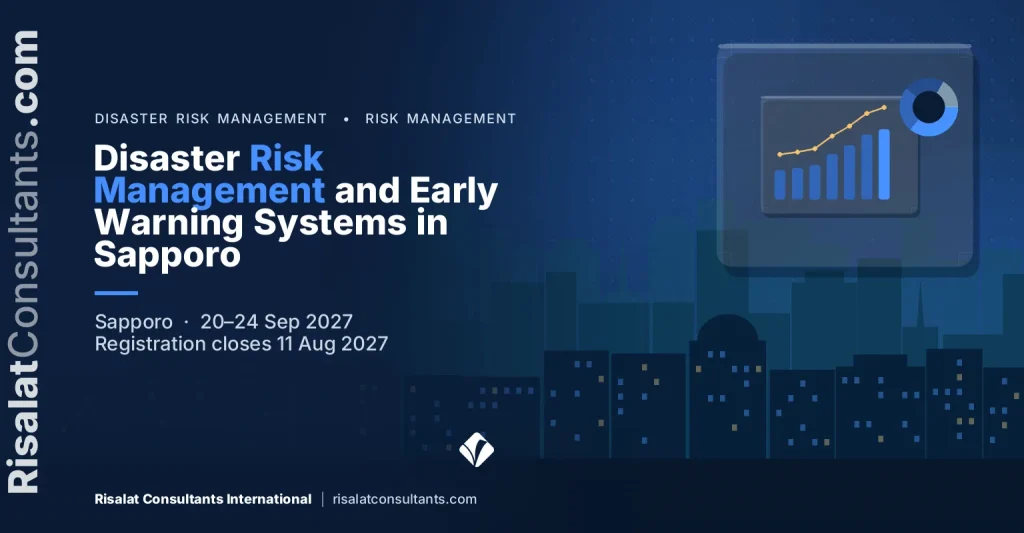
- 20–24 سبتمبر 2027 (5 أيام)
- المكان
- Sapporo, Japan
- الرسوم لكل مشارك
- £2,600 (جنيه إسترليني)
- الدفع
- بالفاتورة والتحويل المصرفي
- إغلاق التسجيل
- 11 أغسطس 2027
- الصيغة
- 5-day short course: a practical capacity-building programme for government, NGO and project teams in Sapporo
- الشهادة
- شهادة إتمام
- الخيار المؤسسي
- نفّذه لفريقك، في المواعيد التي تناسبك
في هذه الصفحة 14 قسماً
نظرة عامة على البرنامج
Disaster Risk Management and Early Warning Systems in Sapporo provides an intensive five-day programme designed for public sector officials and development practitioners. Based in Hokkaido, Japan, this course examines operational strategies to mitigate natural hazards, strengthen institutional preparedness, and build infrastructure resilience. Participants explore practical methodologies aligned with international standards, analysing how advanced governance frameworks and community-based protocols function together to safeguard vulnerable populations, maintain fiscal stability, and protect critical public investments across hazard-prone regions.
Free self-check: the governance self-audit gives a quick check of governance, controls and accountability, in about 10 minutes.
The curriculum addresses the full disaster management cycle, with specific emphasis on multihazard early warning systems, risk identification, and emergency response planning. Supported by lessons from Japanese engineering and disaster management institutions, the course explores the integration of climate adaptation into national development plans. Practitioners examine procurement, governance, and monitoring mechanisms mandated by major multilateral financiers, ensuring that risk reduction concepts translate directly into compliant, high-performing interventions in their home institutions.
Delivered through a structured series of lectures, operational case analyses, and technical exercises, the programme equips delegates to lead disaster management units effectively. Attendees investigate end-to-end early warning architectures, emergency logistics, and cross-sectoral coordination between central governments, local authorities, and international partners. The course provides actionable approaches for implementing resilient engineering standards, establishing community feedback channels, and financing post-disaster recovery without compromising national balance sheets or development objectives.
Southeast Asia and the Pacific face accelerating threats from typhoons, floods, seismic events, and climate variability that routinely undermine public infrastructure and national development gains. Governments and donor-funded project units must align their operational portfolios with the Sendai Framework for Disaster Risk Reduction and multilateral financing requirements to preserve public capital. With international development banks prioritising climate-resilient infrastructure and inclusive early warning systems, acquiring technical expertise in robust hazard forecasting, institutional preparedness, and post-disaster execution is essential for protecting communities and ensuring project sustainability.
Delivered by Risalat Consultants International in Sapporo, Japan, it combines expert-led sessions, real cases and group work, so that participants can apply what they learn in their own institution.
The Programme Strengthens Institutional Capability
- International frameworks: Sendai Framework priorities and national institutional architectures
- Hazard, vulnerability, and exposure mapping using spatial data and analytical tools
- Institutional coordination: Aligning national ministries, local councils, and donor agencies
- Legal mandates and regulatory instruments for disaster risk management enforcement
- Exercise: Formulating a sub-national multihazard vulnerability matrix
- Technical observation: Meteorological, hydrological, and geophysical monitoring systems
- Data integration, threshold determination, and predictive risk forecasting
- Dissemination mechanisms: Leveraging telecommunications, broadcast media, and sirens
- تقييم المخاطر المناخية والبيئية
- التخطيط للتكيف والتخفيف
- الاستراتيجيات القطاعية للطاقة والمياه والأراضي
- تصميم المشاريع لتحقيق الأهداف المناخية والبيئية
It is designed for officials from national disaster management offices and civil defence agencies, project directors and procurement specialists from World Bank, ADB, and UN-funded programmes, engineers and technical planners from ministries of public works, transport, and water resources and others who want practical, current skills in climate, environment and natural resources.
- الصناديق
- الجهة
- المشروع
- النتائج
- القياس والإبلاغ والتحقق
The Growing Importance of Disaster Risk Management and Early Warning Systems in Sapporo
باتت تغيرات المناخ والضغوط البيئية وإدارة الموارد تُشكّل اليوم الخطط الوطنية والموازنات وقرارات الاستثمار. وتتوقع الجهات الممولة بشكل متزايد أن تُدمج الاعتبارات المناخية والبيئية في المشاريع منذ البداية.
المؤسسات القادرة على التخطيط للمخاطر المناخية وإدارة الموارد الطبيعية جيداً وإعداد مقترحات متينة تكون في وضع أفضل لحماية الخدمات والوصول إلى التمويل المتاح لهذا العمل.
تحتاج المؤسسات بشكل متزايد إلى مهنيين قادرين على:
- تقييم المخاطر المناخية والبيئية على خدماتهم وأصولهم
- تصميم مشاريع تحقق الأهداف المناخية والبيئية
- إعداد مقترحات يمكن للجهات الممولة اعتمادها
- قياس النتائج والإبلاغ عنها بمصداقية
- العمل مع المجتمعات والشركاء عبر القطاعات
تساعد الأنظمة القوية في مجالات المناخ والبيئة والموارد الطبيعية المؤسسات على:
- حماية الخدمات والبنية التحتية من المخاطر المناخية
- الوصول إلى التمويل المناخي والبيئي
- الوفاء بالالتزامات الوطنية والدولية
- استخدام الموارد الطبيعية على نحو مستدام
This Disaster Risk Management and Early Warning Systems in Sapporo programme brings these elements together in a practical format, so that participants understand not only what good practice looks like but also how to introduce it in their own setting, with the people and resources they have.
Who Should Attend This Disaster Risk Management and Early Warning Systems in Sapporo Training?
صُمم هذا البرنامج من أجل:
- Officials from national disaster management offices and civil defence agencies
- Project directors and procurement specialists from World Bank, ADB, and UN-funded programmes
- Engineers and technical planners from ministries of public works, transport, and water resources
- Policy specialists from ministries of finance and economic planning managing contingency funds
- Meteorological, hydrological, and geological agency technical officers
- Provincial and local government administrators responsible for emergency management
- Climate change adaptation coordinators within ministries of environment
- Monitoring and evaluation specialists overseeing disaster risk reduction portfolios
- Infrastructure asset managers from public utilities and river basin authorities
- موظفو شؤون تغير المناخ والبيئة
- موظفو قطاعات الطاقة والمياه والزراعة
- موظفو التخطيط والسياسات
يناسب البرنامج المهنيين ذوي الخبرة وكذلك من ينتقلون إلى مسؤوليات جديدة. ونشجع المجموعات التي تضم مؤسسات ودولاً مختلفة، لأن المشاركين يتعلمون الكثير من تجارب بعضهم بعضاً.
حدّد ما يحتاج فريقك إلى القدرة على إنجازه.
Disaster Risk Management and Early Warning Systems in Sapporo Training Objectives
Upon successful completion of this Disaster Risk Management and Early Warning Systems in Sapporo Training, participants will be able to:
- Assess multihazard vulnerabilities using internationally recognised disaster risk assessment frameworks
- Design end-to-end early warning mechanisms aligned with the Sendai Framework for Disaster Risk Reduction
- Integrate resilient engineering codes and structural mitigation practices into public works pipelines
- Formulate institutional contingency plans and operational protocols for rapid emergency deployment
- Structure disaster risk financing mechanisms and post-disaster expenditure tracking systems
- Implement inclusive, community-based risk communication strategies targeting vulnerable populations
- Apply multilateral development bank safeguard requirements to disaster recovery and reconstruction investments
- شرح التحديات المناخية والبيئية الرئيسية في قطاعهم
- تقييم المخاطر المناخية والبيئية على الخدمات والأصول
- التخطيط لتدابير التكيف والتخفيف
يُطبَّق كل هدف خلال البرنامج من خلال التمارين أو دراسات الحالة أو العمل الجماعي، بحيث يغادر المشاركون وهم قادرون على تنفيذه، لا على وصفه فحسب.
محتوى البرنامج وهيكله
- International frameworks: Sendai Framework priorities and national institutional architectures
- Hazard, vulnerability, and exposure mapping using spatial data and analytical tools
- Institutional coordination: Aligning national ministries, local councils, and donor agencies
- Legal mandates and regulatory instruments for disaster risk management enforcement
- Exercise: Formulating a sub-national multihazard vulnerability matrix
- Technical observation: Meteorological, hydrological, and geophysical monitoring systems
- Data integration, threshold determination, and predictive risk forecasting
- Dissemination mechanisms: Leveraging telecommunications, broadcast media, and sirens
- Last-mile connectivity and community-level reception in remote and island geographies
- Simulation: Testing alerting protocols and response verification under sudden-onset events
- Lessons from Japanese infrastructure engineering: Seismic, flood, and landslide defences
- Integrating disaster risk reduction into project preparation, procurement, and asset management
- Nature-based solutions for coastal protection, riverbank stability, and urban drainage
- Critical infrastructure protection: Hospitals, water supply networks, and transport links
- Case review: Appraising civil works designs against multilateral environmental and social standards
- Developing operational contingency plans and standard operating procedures
- Emergency logistics management, stockpiling strategies, and supply chain redundancy
- Community-based disaster risk management (CBDRM) and evacuation management models
- Gender, age, and disability inclusion in evacuation protocols and emergency shelters
- Field assessment methodology: Evaluating local shelter infrastructure and access routes in Sapporo
- Disaster risk financing instruments: Contingency lines, reserve funds, and cat bonds
- Conducting post-disaster needs assessments (PDNA) according to international guidelines
- Procurement protocols and public financial management during emergency response
- Implementing the Build Back Better principle across reconstruction programmes
- Action planning: Participant presentations on home-agency reform initiatives
المحتوى الكامل يوماً بيوم
يمتد البرنامج على 5 أيام. ويجمع كل يوم بين مداخلات الخبراء والعمل التطبيقي وورشة عمل أو دراسة حالة ختامية:
- First Day: Disaster Risk Governance and Multihazard Assessment Frameworks
- Second Day: Designing End-to-End Multihazard Early Warning Systems
- Third Day: Infrastructure Resilience and Structural Mitigation Strategies
- Fourth Day: Preparedness Planning, Emergency Logistics, and Community Mobilisation
- Fifth Day: Disaster Financing, Post-Disaster Recovery, and Build Back Better
المحتوى الكامل يوماً بيوم
First Day | Disaster Risk Governance and Multihazard Assessment Frameworks
- International frameworks: Sendai Framework priorities and national institutional architectures
- Hazard, vulnerability, and exposure mapping using spatial data and analytical tools
- Institutional coordination: Aligning national ministries, local councils, and donor agencies
- Legal mandates and regulatory instruments for disaster risk management enforcement
- Exercise: Formulating a sub-national multihazard vulnerability matrix
Workshop: Disaster Risk Governance and Multihazard Assessment Frameworks: Applying It to Your Institution
يعمل المشاركون في مجموعات صغيرة على تطبيق أساليب اليوم على أمثلة من مؤسساتهم، ويتفقون على خطوات عملية تالية.
Second Day | Designing End-to-End Multihazard Early Warning Systems
- Technical observation: Meteorological, hydrological, and geophysical monitoring systems
- Data integration, threshold determination, and predictive risk forecasting
- Dissemination mechanisms: Leveraging telecommunications, broadcast media, and sirens
- Last-mile connectivity and community-level reception in remote and island geographies
- Simulation: Testing alerting protocols and response verification under sudden-onset events
Workshop: Designing End-to-End Multihazard Early Warning Systems: Applying It to Your Institution
يعمل المشاركون في مجموعات صغيرة على تطبيق أساليب اليوم على أمثلة من مؤسساتهم، ويتفقون على خطوات عملية تالية.
Third Day | Infrastructure Resilience and Structural Mitigation Strategies
- Lessons from Japanese infrastructure engineering: Seismic, flood, and landslide defences
- Integrating disaster risk reduction into project preparation, procurement, and asset management
- Nature-based solutions for coastal protection, riverbank stability, and urban drainage
- Critical infrastructure protection: Hospitals, water supply networks, and transport links
- Case review: Appraising civil works designs against multilateral environmental and social standards
Case Study: Infrastructure Resilience and Structural Mitigation Strategies in Practice
يحلل المشاركون حالة واقعية، ويقارنون الخيارات المتخذة بالممارسات الجيدة، ويستخلصون دروساً يمكنهم تطبيقها في بيئة عملهم.
Fourth Day | Preparedness Planning, Emergency Logistics, and Community Mobilisation
- Developing operational contingency plans and standard operating procedures
- Emergency logistics management, stockpiling strategies, and supply chain redundancy
- Community-based disaster risk management (CBDRM) and evacuation management models
- Gender, age, and disability inclusion in evacuation protocols and emergency shelters
- Field assessment methodology: Evaluating local shelter infrastructure and access routes in Sapporo
Workshop: Preparedness Planning, Emergency Logistics, and Community Mobilisation: Applying It to Your Institution
يعمل المشاركون في مجموعات صغيرة على تطبيق أساليب اليوم على أمثلة من مؤسساتهم، ويتفقون على خطوات عملية تالية.
Fifth Day | Disaster Financing, Post-Disaster Recovery, and Build Back Better
- Disaster risk financing instruments: Contingency lines, reserve funds, and cat bonds
- Conducting post-disaster needs assessments (PDNA) according to international guidelines
- Procurement protocols and public financial management during emergency response
- Implementing the Build Back Better principle across reconstruction programmes
- Action planning: Participant presentations on home-agency reform initiatives
Capstone Exercise: Disaster Risk Management and Early Warning Systems in Sapporo Action Plan for Your Institution
يجمع المشاركون حصيلة الأسبوع في خطة عمل لمؤسساتهم، تتضمن الأولويات والمسؤولين والخطوات الأولى، ثم يعرضونها لتلقي ملاحظات الزملاء والميسّرين.
Disaster Risk Management and Early Warning Systems in Sapporo Training Methodology
The training combines technical lectures, comparative case evaluations, and interactive simulations drawn from real-world hazards across the Asia-Pacific region. Participants engage in structured group exercises to evaluate hazard scenarios, review municipal risk infrastructure within Sapporo, and apply diagnostic tools to donor-funded development projects. Peer-to-peer exchange is structured around solving institutional bottlenecks, ensuring that theoretical concepts translate directly into operational readiness plans and investment proposals.
يجمع البرنامج بين:
- جلسات يقودها خبراء حول الممارسات الحالية
- دراسات حالة إقليمية ودولية
- عمل جماعي وتمارين عملية
- محاكاة ولعب أدوار حسب الحاجة
- مناقشة التحديات الخاصة بالمشاركين
- التعلم من الأقران عبر المؤسسات والدول
- أدوات ونماذج عملية تعود بها إلى العمل
- تأمل يومي وتخطيط للعمل
قبل البرنامج، يساعد تقييم مسبق قصير الميسّرين على فهم دور كل مشارك وأولوياته، بحيث يمكن تكييف الأمثلة والتمارين مع المجموعة. ويُختتم كل يوم بتأمل قصير يدوّن فيه المشاركون ما سيطبقونه في العمل.
النتائج المتوقعة
Upon completion of this Disaster Risk Management and Early Warning Systems in Sapporo Training, participants will be able to:
- Mastery of Sendai Framework indicators and application to national disaster policies
- Capacity to design and evaluate multihazard early warning dissemination networks
- Ability to audit public infrastructure designs for climate and seismic resilience
- Competence in drafting operational contingency plans and evacuation frameworks
- Proficiency in post-disaster needs assessment methodologies and recovery budgeting
- Enhanced skill in aligning municipal disaster interventions with multilateral donor requirements
- تقييم المخاطر المناخية والبيئية
- التخطيط لتدابير التكيف والتخفيف
يغادر المشاركون بخطة عمل شخصية وأدوات عملية يمكنهم استخدامها في مؤسساتهم منذ الأسبوع الأول من عودتهم. ويمكن للمؤسسات التي ترسل عدة مشاركين الاستفادة من البرنامج للاتفاق على أساليب ونماذج مشتركة بين الفرق، مما يسهّل استدامة التحسينات.
£2,600 لكل مشارك · فاتورة وتحويل مصرفي · خصم للمجموعات المكوّنة من 5 مشاركين أو أكثر
خمسة مشاركين أو أكثر من مؤسسة واحدة: اطلبوا سعر المجموعة عند طلب الفاتورة.
Ten or more: an in-house version for your institution may cost less per person. Ask for an in-house quote.
يغلق باب التسجيل في 262 يوماً (11 أغسطس 2027)
Institutional Application of Disaster Risk Management and Early Warning Systems in Sapporo Training
يدعم هذا البرنامج المؤسسات في تعزيز:
- التخطيط المناخي والبيئي
- تصميم المشاريع
- الوصول إلى التمويل
- قياس النتائج
- مشاركة أصحاب المصلحة
يعود المشاركون بأدوات عملية لتحسين:
- تقييمات المخاطر
- المذكرات المفاهيمية
- أطر النتائج
- أنظمة المتابعة
- ترتيبات الشراكة
صُمم البرنامج بحيث ينتقل التعلم من قاعة التدريب إلى المؤسسة. ويعمل المشاركون على عملياتهم ووثائقهم الخاصة كلما أمكن، ويغادرون بخطة عمل يمكن لمديريهم مراجعتها ودعمها.
الأهمية الإقليمية والتطبيق
أوروبا
تعمل المؤسسات الأوروبية في مجالات المناخ والبيئة والموارد الطبيعية ضمن أطر تنظيمية مفصّلة وأجندات إصلاحية. ويمكن للمشاركين من أوروبا مقارنة ممارساتهم بممارسات زملائهم من مناطق أخرى، واختبار مدى نجاح الأساليب الراسخة في ظروف مختلفة.
أفريقيا
في أنحاء أفريقيا، تعمل الوزارات والهيئات وفرق المشاريع العاملة في مجالات المناخ والبيئة والموارد الطبيعية بشكل متزايد إلى جانب برامج ممولة من الجهات المانحة تتطلب أنظمة وأدلة واضحة. ويساعد البرنامج المشاركين على تكييف الممارسات الجيدة مع المؤسسات والموارد التي يعملون بها.
الشرق الأوسط
في الشرق الأوسط، تفرض استراتيجيات التنمية الوطنية وخطط التنويع متطلبات متزايدة في مجالات المناخ والبيئة والموارد الطبيعية. ويستكشف المشاركون كيفية بناء القدرات التي تحتاجها هذه الخطط داخل الجهات العامة والشركات.
آسيا
تجمع المؤسسات في أنحاء آسيا بين النمو السريع وبرامج التحديث الطموحة. ويمكن للمشاركين من آسيا تبادل خبراتهم في التوسع السريع في الأنظمة والتعلم من المناهج المتبعة في أماكن أخرى.
المحيط الهادئ
تواجه الدول الجزرية الصغيرة ودول المحيط الهادئ قيوداً خاصة تتعلق بالحجم والمسافة والقدرات. ويسلط البرنامج الضوء على مناهج عملية ومتناسبة في مجالات المناخ والبيئة والموارد الطبيعية تلائم المؤسسات الأصغر حجماً.
Holding the programme in Sapporo, Japan brings participants together away from their daily pressures, so they can compare how climate, environment and natural resources is handled in different settings. The same programme can also be delivered in-house for one institution, in its own country or online, with cases taken from its current work.
لمحة عن البلد المضيف – اليابان
Sapporo, the capital of Hokkaido, is known for its planned grid layout, its management of a snowy winter city and the farming and food industries of the surrounding region. It suits programmes on urban services, agriculture and food systems, and climate adaptation.
تمنح الدراسة خارج البلد الأصلي المشاركين وقتاً للتركيز، ونظرة جديدة إلى مؤسساتهم، وفرصة لبناء شبكة علاقات مع زملاء من دول أخرى.
Disaster Risk Management and Early Warning Systems in Sapporo Training Deliverables
يحصل المشاركون على الدعم قبل البرنامج وأثناءه وبعده، بحيث يشكّل التحضير والتعلم والمتابعة تجربة واحدة متصلة.
قبل البرنامج
- التقييم المسبق للمشاركين
- Disaster Risk Management and Early Warning Systems in Sapporo Readiness Assessment
- Disaster Risk Management and Early Warning Systems in Sapporo Resource Pack
- مواد قراءة تحضيرية
- دعم واستشارات مجانية بشأن التأشيرة
أثناء البرنامج
- الاستقبال من المطار والمساعدة عند الوصول
- Accommodation with breakfast: 6 nights, check-in Sunday 19 September 2027, check-out Saturday 25 September 2027 (one night before and one night after the programme)
- عشاء ترحيبي للتعارف
- حقيبة Risalat التدريبية (حقيبة، وقارورة، وكوب، وقميص، وقبعة، وغلاف جواز سفر، وأقلام، ودفتر، ومغناطيس وميدالية مفاتيح)
- Comprehensive Disaster Risk Management and Early Warning Systems in Sapporo Training Manual
- قائمة التحقق لفرز المخاطر المناخية
- نموذج تقييم الخيارات
- نموذج المذكرة المفاهيمية
- نموذج قياس النتائج
- ورش عمل عملية ومحاكاة
- مناقشات جماعية وتعلم من الأقران
- غداء ومرطبات يومية
- الاستفادة الكاملة من مرافق مكان التدريب
- جهاز Mini Pad / جهاز لوحي مزود بمواد تعليمية رقمية
- زيارة ميدانية (حسب الاقتضاء)
- جولة ترفيهية في المدينة
بعد البرنامج
- شهادة الإتمام
- جائزة Risalat تقديراً للمشاركة في البرنامج
- مواد مرجعية بعد التدريب
- قائمة التحقق من الجاهزية للتمويل
- نموذج المتابعة والإبلاغ
- الدعم بعد التدريب وإرشادات المتابعة
- تقرير البرنامج
Institutions can also request a tailored in-house version of this programme, delivered at their premises or online. Request a proposal.
Common Challenges in Disaster Risk Management and Early Warning Systems in Sapporo, And How This Training Helps
كيف يمكن للمؤسسات تقييم المخاطر المناخية والبيئية على خدماتها وأصولها؟
The programme addresses this directly on the first day (Disaster Risk Governance and Multihazard Assessment Frameworks), where participants practise the methods involved and adapt them to their own institution, then build it into their action plan.
كيف يمكن للمؤسسات تصميم مشاريع تحقق الأهداف المناخية والبيئية؟
The programme addresses this directly on the second day (Designing End-to-End Multihazard Early Warning Systems), where participants practise the methods involved and adapt them to their own institution, then build it into their action plan.
كيف يمكن للمؤسسات إعداد مقترحات يمكن للجهات الممولة اعتمادها؟
The programme addresses this directly on the third day (Infrastructure Resilience and Structural Mitigation Strategies), where participants practise the methods involved and adapt them to their own institution, then build it into their action plan.
كيف يمكن للمؤسسات قياس النتائج والإبلاغ عنها بمصداقية؟
The programme addresses this directly on the fourth day (Preparedness Planning, Emergency Logistics, and Community Mobilisation), where participants practise the methods involved and adapt them to their own institution, then build it into their action plan.
كيف يمكن للمؤسسات العمل مع المجتمعات والشركاء عبر القطاعات؟
The programme addresses this directly on the fifth day (Disaster Financing, Post-Disaster Recovery, and Build Back Better), where participants practise the methods involved and adapt them to their own institution, then build it into their action plan.
الأسئلة الشائعة
When and where does the Disaster Risk Management and Early Warning Systems in Sapporo programme take place?
It runs from 20 Sep 2027 to 24 Sep 2027, in Sapporo, Japan. The registration deadline is shown at the top of this page.
من ينبغي أن يحضر؟
The programme is designed for officials from national disaster management offices and civil defence agencies, project directors and procurement specialists from World Bank, ADB, and UN-funded programmes, engineers and technical planners from ministries of public works, transport, and water resources, policy specialists from ministries of finance and economic planning managing contingency funds, and others who want practical skills in climate, environment and natural resources.
هل سأحصل على شهادة؟
نعم. يحصل المشاركون الذين يُتمّون البرنامج على شهادة إتمام من Risalat Consultants International.
هل يمكن تقديم هذا البرنامج لمؤسستنا حصرياً؟
نعم. يمكننا تقديم نسخة مؤسسية مصممة خصيصاً في مقر مؤسستكم أو في مدينة أخرى أو عبر الإنترنت، مبنية حول حالاتكم الخاصة. استخدموا نموذج طلب العرض في هذه الصفحة.
هل أحتاج إلى خبرة سابقة في المناخ والبيئة والموارد الطبيعية؟
لا يُشترط أي تخصص سوى الخبرة في دور ذي صلة. ويساعد تقييم مسبق قصير الميسّرين على تكييف الجلسات مع المجموعة.
Who Will Deliver This Programme
Each date is delivered by a team assigned from Risalat's expert network for this subject. For this programme we assign:
How we choose them: Experience in the region of the participants or comparable settings; Command of the financier rules that apply (World Bank, ADB, AfDB, EU, UN) where relevant; Delivery in English; other languages on request for in-house groups; No conflict of interest with participants' institutions.
Training courses in SapporoClimate Change & Environment training courses
Why Sapporo for this programme
Sapporo is the administrative capital of Hokkaido and hosts major regional institutions, including Hokkaido University and prefectural government offices. Visiting officials can examine urban transport systems, winter city infrastructure, and agricultural research centres. The city is straightforward to reach through New Chitose Airport, which connects to regional international routes and domestic flights across Japan.
The Disaster Risk Management and Early Warning Systems in Sapporo programme in September 2027 brings together officials and professionals from across the Asia region and beyond. Sessions combine short inputs, case studies and group work on participants' own files, and the city's institutions can be added as a study visit on request.
Getting there: New Chitose Airport (CTS).
تحقق مما إذا كنت بحاجة إلى تأشيرة عبر أداة التحقق من التأشيرة المجانية، واطلب خطاب دعوة بعد إتمام تسجيلك.
الموضوع نفسه في مدن أخرى
- Disaster Risk Management and Early Warning Systems in Nagoya (Nagoya)
- Disaster Risk Management and Early Warning Systems in Fukuoka (Fukuoka)
- Disaster Risk Management and Early Warning Systems in Hiroshima (Hiroshima)
- Disaster Risk Management and Early Warning Systems in Sendai (Sendai)
- Disaster Risk Management and Early Warning Systems in Kobe (Kobe)
- Disaster Risk Management and Early Warning Systems in Osaka (Osaka)
Free roadmap: Disaster Insurance on the Lookout of Modern Disaster Risk Management: a 12-month plan for your team
- مكتب الأمم المتحدة للحد من مخاطر الكوارث UNDRR
- صندوق التكيف صندوق التكيف
للفرق والمؤسسات
Bring your team
Teams that learn together apply more at work. Tell us how many people and how you would like to take part: we reply with a group quote within two working days.
Watch: this programme in short
تواريخ ومدن أخرى لهذا الموضوع: دورات التدريب على إدارة مخاطر الكوارث والاستجابة للطوارئ (83 تاريخاً قادماً).
المزيد من الدورات التدريبية في اليابان · جميع البرامج في آسيا · تقويم التدريب الكامل
تخطيط هذا البرنامج في خارطة طريق: لماذا هو مهم، ولماذا يجب الموافقة عليه، والتواريخ المراد التخطيط لها، والمسار المهني الذي يبنيه.