Principais conclusões
- Enquadramento e significado prático. As nossas escolhas diárias afetam o ambiente mais do que nunca.
- Estratégias de redução de resíduos. Adotamos uma abordagem prática para a redução de resíduos.
- Zero-waste lifestyle tips. Zero waste isn't about perfection – it's about progress.
- Alternative transportation methods. A variety of transportation options creates the best eco-friendly results.
- Application for public agencies and donor-funded projects. Seasonal eating brings more benefits than just helping the environment.
In short: Explore how to embrace sustainable living for a greener future with practical examples, implementation risks and clear steps for institutions, public.
In short: How to Embrace Sustainable Living for a Greener Future requires practical choices about resources, evidence and implementation. This guide explains the main opportunities and constraints, and how organisations can turn the underlying ideas into measurable decisions.
Contexto e relevância prática
Contexto e relevância prática
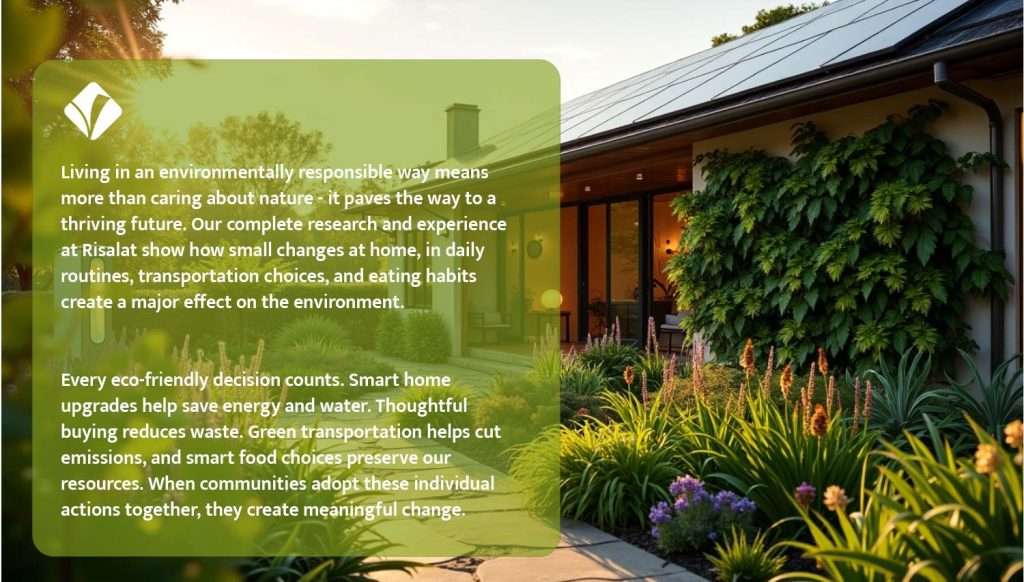
Our daily choices affect the environment more than ever before. Recent studies reveal that a single household can cut its carbon footprint by up to 48% through sustainable living. These numbers demonstrate our ability to create positive change.
The transition to an eco-friendly lifestyle might seem daunting at first. Our team at Risalat has created a complete guide that will help you welcome eco-friendly practices. We believe in realistic and future-focused solutions. Your journey toward creating an energy-efficient home and building eco-friendly communities starts with practical steps that make a difference.
Proven strategies for sustainable living await your discovery. The guide covers home improvements, daily habits, transportation choices, and food practices. These changes will help you create a greener future for the next generations.
Creating a Sustainable Home Foundation
Uma casa sustentável começa pela sua fundação. Na Risalat, acreditamos que a construção de um espaço habitável sustentável requer um planeamento cuidadoso e uma implementação inteligente de sistemas comprovados.
Energy-efficient home improvements
Our experience shows that proper insulation is the life-blood of an energy-efficient home. Homeowners can cut their energy costs by 5% to 30% annually with complete insulation solutions. The best results come from focusing on these core areas:
Attic and roof insulation
Wall cavity insulation
Floor and basement sealing
Window and door weatherstripping
Low-E coated energy-efficient windows reduce heat transfer by a lot. You can earn up to AED 11,750.21 in tax credits through 2032 with qualified improvements.
Water conservation systems
Smart water management is a vital part of sustainable living. Low-flow fixtures deliver remarkable savings – about 11,000 gallons of water per person annually. A family of four can save around AED 807.83 yearly.
The quickest way to improve water efficiency:
Water-efficient toilets use 1.6 gallons per flush instead of 3-5 gallons, saving about 12 gallons daily per person
Os chuveiros de baixo caudal poupam cerca de 1.000 galões anualmente por pessoa
Efficient faucet aerators can save roughly 2,000 gallons yearly per person
For how to embrace sustainable living for a greener future, a useful implementation plan should explicitly consider learning outcomes, institutional roles and the time available for implementation. A responsible decision starts by identifying who experiences the problem, who has authority to respond, and what information would change the proposed action. These questions help separate an attractive concept from a feasible intervention.
Por exemplo, uma organização que pondera uma nova iniciativa pode documentar o processo existente, consultar as pessoas que o utilizam, selecionar um piloto gerível e registar a sua situação de referência. O piloto deve ter um responsável identificado, um calendário de execução, uma via para reclamações e um orçamento de funcionamento realista. O progresso deve ser avaliado pelos resultados observados e não pelo número de reuniões, workshops ou anúncios realizados.
Estratégias de redução de resíduos
Estratégias de redução de resíduos
We take a practical approach to waste reduction. EPA data shows that yard waste and food scraps make up 30% of household waste – all of which could be composted. Your home needs a complete waste management system with proper sorting facilities and recycling bins.
Os materiais reutilizáveis funcionam melhor para tarefas de limpeza, juntamente com a utilização adequada dos produtos. O isolamento feito a partir de papel e vidro reciclados faz sentido durante as renovações. Estes materiais reduzem os resíduos e proporcionam uma excelente proteção térmica.
These foundational changes create sustainable homes and build a more resilient future. Each improvement adds to our broader goal of sustainable living, no matter its size.
Sustainable Daily Practices
Green practices are the life-blood of environmental stewardship in our daily routine. At Risalat, lasting change stems from consistent and mindful practices that people can maintain.
Mindful consumption habits
Products we purchase leave an environmental footprint, from manufacturing to disposal. These proven consumption habits can make a difference:
Review purchase necessity before buying
Choose products with minimal packaging
Opt for secondhand items when possible
Support local and seasonal products
Ask about borrowing instead of buying
A família média dos EUA desperdiça mais de AED 2.350 todos os anos apenas em alimentos descartados. Práticas de compras conscientes podem reduzir substancialmente o desperdício financeiro e os efeitos ambientais.
Para adotar a vida sustentável para um futuro mais ecológico, um plano de implementação útil deve considerar explicitamente os custos, as opções de aquisição, os incentivos das partes interessadas e os riscos de uma expansão prematura. Uma decisão responsável começa por identificar quem experiencia o problema, quem tem autoridade para responder e que informação alteraria a ação proposta. Estas questões ajudam a separar um conceito atraente de uma intervenção exequível.
Por exemplo, uma organização que pondera uma nova iniciativa pode documentar o processo existente, consultar as pessoas que o utilizam, selecionar um piloto gerível e registar a sua situação de referência. O piloto deve ter um responsável identificado, um calendário de execução, uma via para reclamações e um orçamento de funcionamento realista. O progresso deve ser avaliado pelos resultados observados e não pelo número de reuniões, workshops ou anúncios realizados.
Zero-waste lifestyle tips
Zero-waste lifestyle tips
Desperdício zero não se trata de perfeição, mas sim de progresso. Especialistas ambientais afirmam que até 40% dos alimentos comestíveis são desperdiçados nos Estados Unidos. Os cinco R's podem ajudar a conter isso: Recusar, Reduzir, Reutilizar, Reciclar e Rotear (compostagem).
Simple swaps lead to successful zero-waste and sustainable living. To cite an instance, reusable containers instead of foil and plastic wrap can cut household waste substantially. Our clients see amazing results when they switch to cloth napkins from paper towels and use rechargeable batteries.
Eco-friendly cleaning solutions
Natural cleaning alternatives create healthier homes and protect our environment. Here are our best eco-friendly cleaning tips:
Use plant-based cleaning products free from phthalates and harmful chemicals
Choose concentrated cleaners to reduce packaging waste
Opt for reusable cleaning tools over disposable ones
Select products with minimal or recyclable packaging
Eco-friendly cleaning products reduce household chemical exposure while cleaning effectively. To cite an instance, natural bathroom cleaners with vinegar and citric acid tackle soap scum without harsh chemicals.
These green practices in our daily routines contribute to a larger movement toward environmental consciousness. Each small action builds a more sustainable future.
Green Transportation Choices
Transportation choices stand among the most effective ways to reduce our environmental footprint. Our team at Risalat has witnessed how thoughtful mobility decisions create lasting positive changes for our planet and communities.
Electric vehicle options
Transportation technology continues to evolve rapidly. Today's electric vehicles (EVs) can reach 130 MPGe and cover 100 miles with just 25-40 kWh of energy. Switching to EVs brings several compelling advantages:
Zero tailpipe emissions that lead to cleaner air
Energy efficiency reaches 60% compared to 17-21% in conventional vehicles
Fewer moving parts mean lower maintenance costs
Fuel costs drop well below traditional vehicles
Drivers can access more than 53,000 public charging stations nationwide
For how to embrace sustainable living for a greener future, a useful implementation plan should explicitly consider quality assurance, privacy or environmental safeguards where relevant, and transparent reporting. A responsible decision starts by identifying who experiences the problem, who has authority to respond, and what information would change the proposed action. These questions help separate an attractive concept from a feasible intervention.
Por exemplo, uma organização que pondera uma nova iniciativa pode documentar o processo existente, consultar as pessoas que o utilizam, selecionar um piloto gerível e registar a sua situação de referência. O piloto deve ter um responsável identificado, um calendário de execução, uma via para reclamações e um orçamento de funcionamento realista. O progresso deve ser avaliado pelos resultados observados e não pelo número de reuniões, workshops ou anúncios realizados.
Alternative transportation methods
Alternative transportation methods
A variety of transportation options creates the best eco-friendly results. People who take public transportation instead of driving alone cut their CO2 emissions by 45%. Public transportation in the U.S. saves 37 million metric tons of carbon dioxide each year.
Walking and cycling remain the greenest transportation choices. Riders who choose a bike over a car once daily reduce their transportation-related emissions by 67%. A few bike trips can lower a household's carbon footprint by up to 1,000 pounds yearly.
Redução da pegada de carbono em viagens
These proven strategies help minimize travel-related emissions:
As rotas de voo direto produzem menos poluentes, uma vez que os aviões emitem mais durante a descolagem e a aterragem
Train and bus travel for intercity trips cuts emissions by 50-80% compared to flying
Sharing rides helps split the environmental load
Lighter luggage improves fuel efficiency – cutting 15 pounds of baggage reduces emissions by about 80 pounds on a ten-hour flight
Daily commutes work best with mixed approaches. Many transit systems now offer bike racks that let riders combine cycling with mass transit for longer trips. This flexibility helps people overcome common barriers to eco-friendly transportation while maximizing environmental benefits.
Sustainable Food and Nutrition
Food choices are central to sustainable living and they affect our health and the environment. Our team at Risalat has seen how conscious eating habits create waves of change throughout our ecosystem and communities.
For how to embrace sustainable living for a greener future, a useful implementation plan should explicitly consider the difference between a pilot that works once and a process that an institution can sustain. A responsible decision starts by identifying who experiences the problem, who has authority to respond, and what information would change the proposed action. These questions help separate an attractive concept from a feasible intervention.
Por exemplo, uma organização que pondera uma nova iniciativa pode documentar o processo existente, consultar as pessoas que o utilizam, selecionar um piloto gerível e registar a sua situação de referência. O piloto deve ter um responsável identificado, um calendário de execução, uma via para reclamações e um orçamento de funcionamento realista. O progresso deve ser avaliado pelos resultados observados e não pelo número de reuniões, workshops ou anúncios realizados.
Aplicação em organismos públicos e projetos financiados por doadores
Local and seasonal eating
Seasonal eating brings more benefits than just helping the environment. Locally grown, seasonal produce gives us fruits and vegetables that taste better and pack more nutrients. The prices are substantially lower because of simple supply and demand. Seasonal eating makes a difference because:
Vine-ripened produce has higher nutrients
Os alimentos viajam menos – a média atual é superior a 1.500 milhas
Food tastes better and stays fresh longer
As economias locais tornam-se mais fortes
Peak seasons mean lower food costs
Reducing food waste
Os números do desperdício alimentar são chocantes – perdemos ou desperdiçamos um terço de todos os alimentos produzidos globalmente entre a exploração agrícola e o consumidor. Isto soma mais de 1 milhão de toneladas. A economia global perde mais de 3,67 biliões de AED todos os anos devido a este desperdício.
These proven strategies can help curb this waste:
Make meal plans and shopping lists before buying groceries
Keep food fresh – set refrigerator temperature at 40°F or below
Know your labels – "best before" is not the same as "use-by" dates
Freeze foods that are close to expiring
Turn food scraps into compost to enrich soil
Plant-based diet options
Os padrões alimentares estão a caminhar para escolhas que ajudam tanto a saúde como o ambiente. A investigação mostra que a substituição de metade dos produtos de carne e leite por alternativas à base de plantas até 2050 pode reduzir em 31% as emissões de gases com efeito de estufa provenientes da agricultura e do uso do solo. As dietas à base de plantas necessitam de f
For how to embrace sustainable living for a greener future, a useful implementation plan should explicitly consider the needs of implementing agencies, suppliers, community representatives and development partners. A responsible decision starts by identifying who experiences the problem, who has authority to respond, and what information would change the proposed action. These questions help separate an attractive concept from a feasible intervention.
Por exemplo, uma organização que pondera uma nova iniciativa pode documentar o processo existente, consultar as pessoas que o utilizam, selecionar um piloto gerível e registar a sua situação de referência. O piloto deve ter um responsável identificado, um calendário de execução, uma via para reclamações e um orçamento de funcionamento realista. O progresso deve ser avaliado pelos resultados observados e não pelo número de reuniões, workshops ou anúncios realizados.
For a ministry or project implementation unit, the practical sequence is to agree the public purpose, map responsibilities across agencies, identify procurement and safeguard requirements, and record the evidence needed for approval. Where a donor finances the work, the project team should use the applicable financing agreement, procurement framework and environmental and social commitments rather than assuming that one generic procedure applies to every project.
Considere-se um programa hipotético financiado por doadores com um período de implementação limitado. O gestor do projeto poderia encomendar uma avaliação de base, envolver as partes interessadas locais na definição dos padrões de serviço, testar a intervenção proposta num pequeno número de locais e avaliar o desempenho antes de a alargar. Uma revisão independente da despesa e dos resultados pode revelar se o programa está a chegar aos beneficiários previstos e se a entidade executora o consegue manter depois de terminar o financiamento externo.
Lista de verificação da implementação
- Definir a decisão e os beneficiários previstos.
- Confirmar as restrições jurídicas, financeiras e operacionais.
- Definir uma situação de referência e indicadores mensuráveis.
- Atribuir responsáveis e criar mecanismos de feedback das partes interessadas.
- Testar, avaliar e rever antes de alargar a escala.
Perguntas frequentes
Qual é o principal benefício prático?
Ajuda os decisores a ligar o tema a necessidades definidas, recursos realistas e resultados observáveis.
O que deve uma organização avaliar primeiro?
Comece por uma situação de referência, pelas necessidades das partes interessadas, pelas responsabilidades de execução e pelos requisitos legais aplicáveis.
Que riscos de implementação merecem atenção?
Preste atenção à acessibilidade financeira, à capacidade institucional, à inclusão, à qualidade dos dados e à manutenção contínua.
Como se pode medir o progresso?
Utilize um pequeno conjunto de indicadores ligados à situação de referência, o feedback dos utilizadores e uma revisão independente periódica.
Como se aplica isto aos projetos financiados por doadores?
Aplique o acordo de financiamento do projeto e as obrigações pertinentes de contratação, salvaguardas, monitorização e reporte.
Ver

Know people who should read this? Become an Ambassador or write with Risalat.
Parceiros no sucesso dos projetos desde 2011: diagnósticos, apoio consultivo e aprendizagem aplicada para ministérios, organismos públicos e equipas de projeto.
Precisa de ajuda para pôr isto em prática?
Comece com um diagnóstico gratuito de 10 minutos ou fale com os nossos especialistas.