Principais conclusões
- Enquadramento e significado prático. O turismo, quando desenvolvido de forma responsável, possui a capacidade de promover o crescimento económico, a preservação cultural e a conservação ambiental.
- Importance for Global Communities. For global communities, the stakes in sustainable tourism development are high.
- Social Equity. The principle of social equity in sustainable tourism ensures that the benefits of tourism are shared widely and fairly among all community members.
- Balancing Development and Conservation. The intersection of environmental preservation and economic growth forms a significant challenge in sustainable tourism.
- Application for public agencies and donor-funded projects. Tourist behaviors can have direct negative impacts on local environments and communities, such as trampling of corals and dunes, increased pollution, and habitat destruction.
In short: Explore charting a sustainable course with practical examples, implementation risks and clear steps for institutions, public agencies and project teams.
In short: Charting a Sustainable Course requires practical choices about resources, evidence and implementation. This guide explains the main opportunities and constraints, and how organisations can turn the underlying ideas into measurable decisions.
Contexto e relevância prática
Contexto e relevância prática
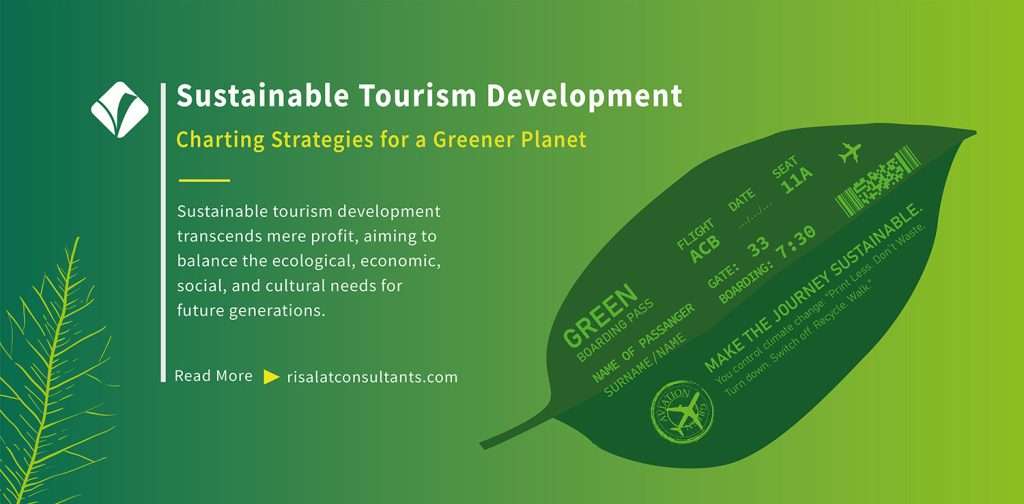
Tourism, when developed responsibly, possesses the capacity to foster economic growth, cultural preservation, and environmental conservation. This sector has been identified as a crucial driver for global sustainability. Positioning green tourism at its core not only echoes the global urgency to meet the Sustainable Development Goals (SDGs) by 2030 but also ensures the long-term viability of both natural and cultural heritage. As such, sustainable tourism development transcends mere profit, aiming to balance the ecological, economic, social, and cultural needs for future generations.
In light of the importance of sustainable tourism development, ecotourism emerges as a pivotal component, underscoring a multisectoral approach that encompasses sustainable tourism planning, community involvement, and tourism governance. This article elucidates the role of sustainable tourism technology, the construction of sustainable tourism infrastructure, and the necessity for a comprehensive understanding of the importance of sustainable tourism development.
Understanding the concept of Sustainable Tourism Development
Sustainable tourism development is a comprehensive approach that considers long-term impacts of tourism on economic, social, and environmental aspects. It requires a delicate balance to ensure that tourism can be conducted indefinitely without depleting the resources it relies upon. This form of tourism not only seeks to minimize its negative impacts but also maximizes the benefits for natural environments and local communities. It involves a triple bottom line approach where environmental sustainability, social and cultural respect, and economic benefits are all integrated. Sustainable tourism thus aims to:
Reduce the environmental footprint by conserving biodiversity, minimizing waste, and managing energy use efficiently.
Uphold and celebrate the socio-cultural authenticity of host communities by preserving their cultural heritage and traditional values.
Distribuir os benefícios económicos de forma justa e ampla, melhorando o bem-estar das comunidades de acolhimento e contribuindo para a erradicação da pobreza.
For charting a sustainable course, a useful implementation plan should explicitly consider learning outcomes, institutional roles and the time available for implementation. A responsible decision starts by identifying who experiences the problem, who has authority to respond, and what information would change the proposed action. These questions help separate an attractive concept from a feasible intervention.
Por exemplo, uma organização que pondera uma nova iniciativa pode documentar o processo existente, consultar as pessoas que o utilizam, selecionar um piloto gerível e registar a sua situação de referência. O piloto deve ter um responsável identificado, um calendário de execução, uma via para reclamações e um orçamento de funcionamento realista. O progresso deve ser avaliado pelos resultados observados e não pelo número de reuniões, workshops ou anúncios realizados.
Importance for Global Communities
Importance for Global Communities
For global communities, the stakes in sustainable tourism development are high. It represents a strategy to enhance the quality of life for residents while offering enriching experiences to visitors that foster greater understanding and appreciation of diverse cultures and environments. The principles of sustainable tourism encourage:
Resource Efficiency: Utilizing natural, cultural, and human resources in a manner that does not compromise the ability of future generations to meet their own needs.
Bem-estar Comunitário: Garantir que o turismo contribui positivamente para a qualidade de vida nas comunidades de acolhimento e as envolve nos processos de tomada de decisão.
Cultural Richness: Protecting and promoting the richness of host communities' cultures, thereby ensuring that tourism does not become a destructive force that dilutes or damages cultural identities.
Implementing sustainable tourism practices involves the active participation of all stakeholders, including tourists, businesses, and government entities, to achieve a consensus on sustainable practices. This collaborative approach ensures that tourism development is aligned with the broader goals of environmental conservation, social equity, and economic viability, creating a sustainable legacy for future generations.
Integridade Ambiental
O turismo sustentável está profundamente comprometido em minimizar a sua pegada ambiental, valorizando simultaneamente os recursos naturais do destino. Este compromisso é fundamental para garantir que o desenvolvimento do turismo mantém os processos ecológicos essenciais e ajuda a conservar o património natural e a biodiversidade. O foco na integridade ambiental envolve:
Resource Conservation: Making optimal use of environmental resources crucial for tourism development, while ensuring these practices support ecological balance and biodiversity conservation.
Waste Reduction and Eco-friendly Practices: Encouraging the reduction of waste and the use of sustainable practices across tourism operations to mitigate adverse environmental impacts.
Protection of Natural Habitats: Preserving natural habitats and ensuring that tourism does not disrupt wildlife or lead to habitat loss.
For charting a sustainable course, a useful implementation plan should explicitly consider costs, procurement options, stakeholder incentives and the risks of premature scaling. A responsible decision starts by identifying who experiences the problem, who has authority to respond, and what information would change the proposed action. These questions help separate an attractive concept from a feasible intervention.
Por exemplo, uma organização que pondera uma nova iniciativa pode documentar o processo existente, consultar as pessoas que o utilizam, selecionar um piloto gerível e registar a sua situação de referência. O piloto deve ter um responsável identificado, um calendário de execução, uma via para reclamações e um orçamento de funcionamento realista. O progresso deve ser avaliado pelos resultados observados e não pelo número de reuniões, workshops ou anúncios realizados.
Social Equity
Social Equity
O princípio da equidade social no turismo sustentável garante que os benefícios do turismo sejam partilhados de forma ampla e justa entre todos os membros da comunidade. Enfatiza:
Community Involvement and Empowerment: Engaging local communities in tourism planning and decision-making processes, ensuring they have a voice in how tourism is developed and managed in their area.
Preservação Cultural: Respeitar e apoiar a autenticidade e o património cultural das comunidades de acolhimento, contribuindo assim para a compreensão e tolerância intercultural.
Benefícios Equitativos: Distribuir os benefícios económicos do turismo de forma justa, proporcionando oportunidades de emprego estáveis e melhorando o acesso a serviços para elevar a qualidade de vida dos residentes locais.
Viabilidade Económica
O turismo sustentável também se concentra em garantir que as operações turísticas sejam economicamente viáveis e contribuam positivamente para a prosperidade econômica dos destinos. Isto envolve:
Long-term Economic Benefits: Ensuring that tourism practices support viable, long-term economic operations that can continue to provide benefits to local communities and stakeholders.
Job Creation and Fair Income Distribution: Creating meaningful employment opportunities that offer fair income and conditions, contributing to poverty alleviation and economic stability.
Investimento em Economias Locais: Incentivar o reinvestimento das receitas do turismo na economia local para apoiar iniciativas adicionais de desenvolvimento e sustentabilidade.
By adhering to these principles, sustainable tourism aims to create a balanced approach that respects the environment, supports social equity, and fosters economic viability, ensuring that tourism development is beneficial not only for today's travelers and host communities but also for future generations.
For charting a sustainable course, a useful implementation plan should explicitly consider quality assurance, privacy or environmental safeguards where relevant, and transparent reporting. A responsible decision starts by identifying who experiences the problem, who has authority to respond, and what information would change the proposed action. These questions help separate an attractive concept from a feasible intervention.
Por exemplo, uma organização que pondera uma nova iniciativa pode documentar o processo existente, consultar as pessoas que o utilizam, selecionar um piloto gerível e registar a sua situação de referência. O piloto deve ter um responsável identificado, um calendário de execução, uma via para reclamações e um orçamento de funcionamento realista. O progresso deve ser avaliado pelos resultados observados e não pelo número de reuniões, workshops ou anúncios realizados.
Equilibrar o Desenvolvimento e a Conservação
Equilibrar o Desenvolvimento e a Conservação
The intersection of environmental preservation and economic growth forms a significant challenge in sustainable tourism. Protected Areas (PAs) play a crucial role in biodiversity conservation while also serving as a cornerstone for economic development through tourism. However, achieving an equilibrium between these two objectives remains a complex issue, particularly in developing economies where the success of conservation efforts is often directly linked to tourism revenue. The challenge lies in maintaining this balance without compromising the long-term sustainability of natural resources.
Ensuring Community Involvement
The involvement of local communities is fundamental to the sustainable development of the tourism sector. Tourism development often centers around the way of life, environment, culture, and traditions of local communities, making their active participation essential. While tourism can bring economic benefits, these are not always equitably distributed, leading to disparities within the community. Effective community involvement ensures that economic gains are shared more equitably and enhances the long-term prospects of tourism. Moreover, community-led projects and small-scale businesses can significantly improve the quality of life for locals but maintaining a balance between commercial success and preserving the community's character poses a challenge.
Para traçar um rumo sustentável, um plano de implementação útil deve considerar explicitamente a diferença entre um projeto-piloto que funciona uma vez e um processo que uma instituição consegue sustentar. Uma decisão responsável começa por identificar quem experiencia o problema, quem tem autoridade para responder e que informação alteraria a ação proposta. Estas questões ajudam a separar um conceito atrativo de uma intervenção exequível.
Por exemplo, uma organização que pondera uma nova iniciativa pode documentar o processo existente, consultar as pessoas que o utilizam, selecionar um piloto gerível e registar a sua situação de referência. O piloto deve ter um responsável identificado, um calendário de execução, uma via para reclamações e um orçamento de funcionamento realista. O progresso deve ser avaliado pelos resultados observados e não pelo número de reuniões, workshops ou anúncios realizados.
Aplicação em organismos públicos e projetos financiados por doadores
Managing Tourist Behavior
Tourist behaviors can have direct negative impacts on local environments and communities, such as trampling of corals and dunes, increased pollution, and habitat destruction. Changing these behaviors requires a nuanced understanding of the drivers behind them and designing targeted interventions. Sustainable tourist behavior involves not only educating tourists about the importance of conservation but also actively engaging them in sustainable practices. Efforts to change tourist behavior should focus on simple messaging, utilizing local champions, and embedding best practices into community norms over time to minimize environmental impacts and optimize benefits for local communities.
Community-Driven Initiatives
Community involvement in sustainable tourism has proven to be a cornerstone for success across various regions. In Yogyakarta, Indonesia, local communities are integral to the management of tourism activities, from providing services to engaging in environmental conservation efforts. This not only fosters a sustainable tourism environment but also enhances the socio-economic standards of the local populace b
For charting a sustainable course, a useful implementation plan should explicitly consider the needs of implementing agencies, suppliers, community representatives and development partners. A responsible decision starts by identifying who experiences the problem, who has authority to respond, and what information would change the proposed action. These questions help separate an attractive concept from a feasible intervention.
Por exemplo, uma organização que pondera uma nova iniciativa pode documentar o processo existente, consultar as pessoas que o utilizam, selecionar um piloto gerível e registar a sua situação de referência. O piloto deve ter um responsável identificado, um calendário de execução, uma via para reclamações e um orçamento de funcionamento realista. O progresso deve ser avaliado pelos resultados observados e não pelo número de reuniões, workshops ou anúncios realizados.
For a ministry or project implementation unit, the practical sequence is to agree the public purpose, map responsibilities across agencies, identify procurement and safeguard requirements, and record the evidence needed for approval. Where a donor finances the work, the project team should use the applicable financing agreement, procurement framework and environmental and social commitments rather than assuming that one generic procedure applies to every project.
Considere-se um programa hipotético financiado por doadores com um período de implementação limitado. O gestor do projeto poderia encomendar uma avaliação de base, envolver as partes interessadas locais na definição dos padrões de serviço, testar a intervenção proposta num pequeno número de locais e avaliar o desempenho antes de a alargar. Uma revisão independente da despesa e dos resultados pode revelar se o programa está a chegar aos beneficiários previstos e se a entidade executora o consegue manter depois de terminar o financiamento externo.
Lista de verificação da implementação
- Definir a decisão e os beneficiários previstos.
- Confirmar as restrições jurídicas, financeiras e operacionais.
- Definir uma situação de referência e indicadores mensuráveis.
- Atribuir responsáveis e criar mecanismos de feedback das partes interessadas.
- Testar, avaliar e rever antes de alargar a escala.
Perguntas frequentes
Qual é o principal benefício prático?
Ajuda os decisores a ligar o tema a necessidades definidas, recursos realistas e resultados observáveis.
O que deve uma organização avaliar primeiro?
Comece por uma situação de referência, pelas necessidades das partes interessadas, pelas responsabilidades de execução e pelos requisitos legais aplicáveis.
Que riscos de implementação merecem atenção?
Preste atenção à acessibilidade financeira, à capacidade institucional, à inclusão, à qualidade dos dados e à manutenção contínua.
Como se pode medir o progresso?
Utilize um pequeno conjunto de indicadores ligados à situação de referência, o feedback dos utilizadores e uma revisão independente periódica.
Como se aplica isto aos projetos financiados por doadores?
Aplique o acordo de financiamento do projeto e as obrigações pertinentes de contratação, salvaguardas, monitorização e reporte.
Ver



- UN Tourism UN Tourism
- Open Contracting Partnership Open Contracting Partnership
Know people who should read this? Become an Ambassador or write with Risalat.
Parceiros no sucesso dos projetos desde 2011: diagnósticos, apoio consultivo e aprendizagem aplicada para ministérios, organismos públicos e equipas de projeto.
Precisa de ajuda para pôr isto em prática?
Comece com um diagnóstico gratuito de 10 minutos ou fale com os nossos especialistas.