Ключевые выводы
- Контекст и практическая значимость. Ответственный туризм обладает потенциалом для стимулирования экономического роста, сохранения культуры и охраны окружающей среды.
- Значение для мировых сообществ. Для мировых сообществ ставки в устойчивом развитии туризма высоки.
- Social Equity. The principle of social equity in sustainable tourism ensures that the benefits of tourism are shared widely and fairly among all community members.
- Balancing Development and Conservation. The intersection of environmental preservation and economic growth forms a significant challenge in sustainable tourism.
- Application for public agencies and donor-funded projects. Tourist behaviors can have direct negative impacts on local environments and communities, such as trampling of corals and dunes, increased pollution, and habitat destruction.
In short: Explore charting a sustainable course with practical examples, implementation risks and clear steps for institutions, public agencies and project teams.
In short: Charting a Sustainable Course requires practical choices about resources, evidence and implementation. This guide explains the main opportunities and constraints, and how organisations can turn the underlying ideas into measurable decisions.
Предпосылки и практическое значение
Предпосылки и практическое значение
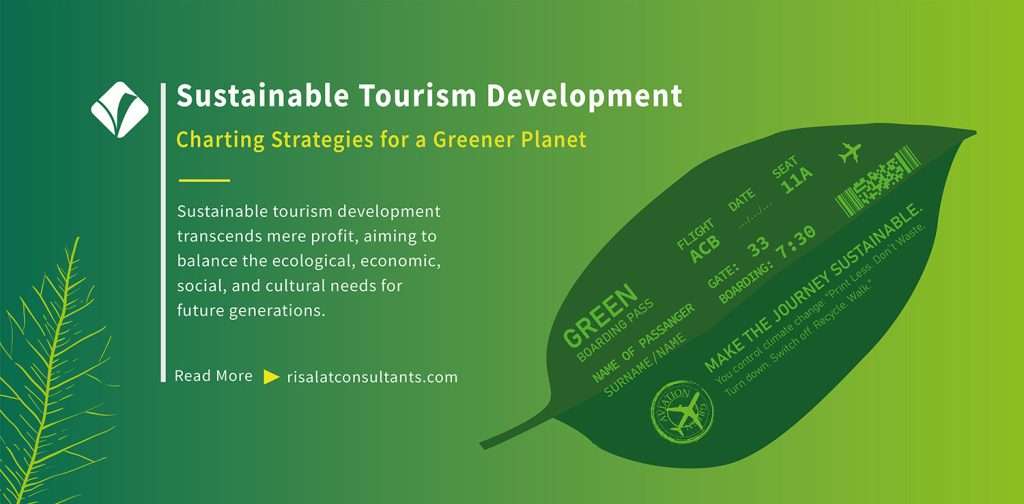
Tourism, when developed responsibly, possesses the capacity to foster economic growth, cultural preservation, and environmental conservation. This sector has been identified as a crucial driver for global sustainability. Positioning green tourism at its core not only echoes the global urgency to meet the Sustainable Development Goals (SDGs) by 2030 but also ensures the long-term viability of both natural and cultural heritage. As such, sustainable tourism development transcends mere profit, aiming to balance the ecological, economic, social, and cultural needs for future generations.
In light of the importance of sustainable tourism development, ecotourism emerges as a pivotal component, underscoring a multisectoral approach that encompasses sustainable tourism planning, community involvement, and tourism governance. This article elucidates the role of sustainable tourism technology, the construction of sustainable tourism infrastructure, and the necessity for a comprehensive understanding of the importance of sustainable tourism development.
Понимание концепции устойчивого развития туризма
Sustainable tourism development is a comprehensive approach that considers long-term impacts of tourism on economic, social, and environmental aspects. It requires a delicate balance to ensure that tourism can be conducted indefinitely without depleting the resources it relies upon. This form of tourism not only seeks to minimize its negative impacts but also maximizes the benefits for natural environments and local communities. It involves a triple bottom line approach where environmental sustainability, social and cultural respect, and economic benefits are all integrated. Sustainable tourism thus aims to:
Reduce the environmental footprint by conserving biodiversity, minimizing waste, and managing energy use efficiently.
Uphold and celebrate the socio-cultural authenticity of host communities by preserving their cultural heritage and traditional values.
Справедливое и широкое распределение экономических выгод, повышение благосостояния принимающих сообществ и вклад в борьбу с бедностью.
For charting a sustainable course, a useful implementation plan should explicitly consider learning outcomes, institutional roles and the time available for implementation. A responsible decision starts by identifying who experiences the problem, who has authority to respond, and what information would change the proposed action. These questions help separate an attractive concept from a feasible intervention.
Например, организация, рассматривающая новую инициативу, может описать существующий процесс, проконсультироваться с теми, кто им пользуется, выбрать посильный пилотный проект и зафиксировать его исходный уровень. У пилотного проекта должны быть назначенный ответственный, график реализации, порядок подачи жалоб и реалистичный операционный бюджет. Прогресс следует оценивать по наблюдаемым результатам, а не по количеству проведенных совещаний, семинаров или сделанных объявлений.
Importance for Global Communities
Importance for Global Communities
For global communities, the stakes in sustainable tourism development are high. It represents a strategy to enhance the quality of life for residents while offering enriching experiences to visitors that foster greater understanding and appreciation of diverse cultures and environments. The principles of sustainable tourism encourage:
Resource Efficiency: Utilizing natural, cultural, and human resources in a manner that does not compromise the ability of future generations to meet their own needs.
Благополучие местной общины: обеспечение того, чтобы туризм вносил позитивный вклад в качество жизни принимающих общин и вовлекал их в процессы принятия решений.
Cultural Richness: Protecting and promoting the richness of host communities' cultures, thereby ensuring that tourism does not become a destructive force that dilutes or damages cultural identities.
Implementing sustainable tourism practices involves the active participation of all stakeholders, including tourists, businesses, and government entities, to achieve a consensus on sustainable practices. This collaborative approach ensures that tourism development is aligned with the broader goals of environmental conservation, social equity, and economic viability, creating a sustainable legacy for future generations.
Экологическая целостность
Устойчивый туризм глубоко привержен минимизации своего экологического следа и одновременному улучшению природных ресурсов направления. Эта приверженность имеет первостепенное значение для обеспечения того, чтобы развитие туризма поддерживало важные экологические процессы и помогало сохранять природное наследие и биоразнообразие. Фокус на экологической целостности включает в себя:
Resource Conservation: Making optimal use of environmental resources crucial for tourism development, while ensuring these practices support ecological balance and biodiversity conservation.
Waste Reduction and Eco-friendly Practices: Encouraging the reduction of waste and the use of sustainable practices across tourism operations to mitigate adverse environmental impacts.
Protection of Natural Habitats: Preserving natural habitats and ensuring that tourism does not disrupt wildlife or lead to habitat loss.
For charting a sustainable course, a useful implementation plan should explicitly consider costs, procurement options, stakeholder incentives and the risks of premature scaling. A responsible decision starts by identifying who experiences the problem, who has authority to respond, and what information would change the proposed action. These questions help separate an attractive concept from a feasible intervention.
Например, организация, рассматривающая новую инициативу, может описать существующий процесс, проконсультироваться с теми, кто им пользуется, выбрать посильный пилотный проект и зафиксировать его исходный уровень. У пилотного проекта должны быть назначенный ответственный, график реализации, порядок подачи жалоб и реалистичный операционный бюджет. Прогресс следует оценивать по наблюдаемым результатам, а не по количеству проведенных совещаний, семинаров или сделанных объявлений.
Social Equity
Social Equity
Принцип социального равенства в устойчивом туризме гарантирует, что выгоды от туризма распределяются широко и справедливо среди всех членов сообщества. Он подчеркивает:
Community Involvement and Empowerment: Engaging local communities in tourism planning and decision-making processes, ensuring they have a voice in how tourism is developed and managed in their area.
Культурное сохранение: Уважение и поддержка подлинности и культурного наследия принимающих сообществ, что способствует межкультурному пониманию и толерантности.
Спра的vedливые выгоды: справедливое распределение экономических выгод от туризма, предоставление стабильных возможностей трудоустройства и расширение доступа к услугам для повышения качества жизни местных жителей.
Экономическая жизнеспособность
Устойчивый туризм также направлен на обеспечение экономической жизнеспособности туристических операций и их позитивного вклада в экономическое процветание дестинаций. Это включает в себя:
Long-term Economic Benefits: Ensuring that tourism practices support viable, long-term economic operations that can continue to provide benefits to local communities and stakeholders.
Job Creation and Fair Income Distribution: Creating meaningful employment opportunities that offer fair income and conditions, contributing to poverty alleviation and economic stability.
Инвестиции в местную экономику: Поощрение реинвестирования доходов от туризма обратно в местную экономику для поддержки дальнейшего развития и инициатив в области устойчивости.
By adhering to these principles, sustainable tourism aims to create a balanced approach that respects the environment, supports social equity, and fosters economic viability, ensuring that tourism development is beneficial not only for today's travelers and host communities but also for future generations.
For charting a sustainable course, a useful implementation plan should explicitly consider quality assurance, privacy or environmental safeguards where relevant, and transparent reporting. A responsible decision starts by identifying who experiences the problem, who has authority to respond, and what information would change the proposed action. These questions help separate an attractive concept from a feasible intervention.
Например, организация, рассматривающая новую инициативу, может описать существующий процесс, проконсультироваться с теми, кто им пользуется, выбрать посильный пилотный проект и зафиксировать его исходный уровень. У пилотного проекта должны быть назначенный ответственный, график реализации, порядок подачи жалоб и реалистичный операционный бюджет. Прогресс следует оценивать по наблюдаемым результатам, а не по количеству проведенных совещаний, семинаров или сделанных объявлений.
Balancing Development and Conservation
Balancing Development and Conservation
The intersection of environmental preservation and economic growth forms a significant challenge in sustainable tourism. Protected Areas (PAs) play a crucial role in biodiversity conservation while also serving as a cornerstone for economic development through tourism. However, achieving an equilibrium between these two objectives remains a complex issue, particularly in developing economies where the success of conservation efforts is often directly linked to tourism revenue. The challenge lies in maintaining this balance without compromising the long-term sustainability of natural resources.
Ensuring Community Involvement
The involvement of local communities is fundamental to the sustainable development of the tourism sector. Tourism development often centers around the way of life, environment, culture, and traditions of local communities, making their active participation essential. While tourism can bring economic benefits, these are not always equitably distributed, leading to disparities within the community. Effective community involvement ensures that economic gains are shared more equitably and enhances the long-term prospects of tourism. Moreover, community-led projects and small-scale businesses can significantly improve the quality of life for locals but maintaining a balance between commercial success and preserving the community's character poses a challenge.
Для прокладывания устойчивого курса полезный план реализации должен явно учитывать разницу между пилотным проектом, который срабатывает один раз, и процессом, который учреждение может поддерживать. Ответственное решение начинается с определения того, кто сталкивается с проблемой, у кого есть полномочия реагировать и какая информация может изменить предлагаемое действие. Эти вопросы помогают отделить привлекательную концепцию от осуществимого вмешательства.
Например, организация, рассматривающая новую инициативу, может описать существующий процесс, проконсультироваться с теми, кто им пользуется, выбрать посильный пилотный проект и зафиксировать его исходный уровень. У пилотного проекта должны быть назначенный ответственный, график реализации, порядок подачи жалоб и реалистичный операционный бюджет. Прогресс следует оценивать по наблюдаемым результатам, а не по количеству проведенных совещаний, семинаров или сделанных объявлений.
Применение в государственных органах и проектах, финансируемых донорами
Managing Tourist Behavior
Tourist behaviors can have direct negative impacts on local environments and communities, such as trampling of corals and dunes, increased pollution, and habitat destruction. Changing these behaviors requires a nuanced understanding of the drivers behind them and designing targeted interventions. Sustainable tourist behavior involves not only educating tourists about the importance of conservation but also actively engaging them in sustainable practices. Efforts to change tourist behavior should focus on simple messaging, utilizing local champions, and embedding best practices into community norms over time to minimize environmental impacts and optimize benefits for local communities.
Community-Driven Initiatives
Community involvement in sustainable tourism has proven to be a cornerstone for success across various regions. In Yogyakarta, Indonesia, local communities are integral to the management of tourism activities, from providing services to engaging in environmental conservation efforts. This not only fosters a sustainable tourism environment but also enhances the socio-economic standards of the local populace b
For charting a sustainable course, a useful implementation plan should explicitly consider the needs of implementing agencies, suppliers, community representatives and development partners. A responsible decision starts by identifying who experiences the problem, who has authority to respond, and what information would change the proposed action. These questions help separate an attractive concept from a feasible intervention.
Например, организация, рассматривающая новую инициативу, может описать существующий процесс, проконсультироваться с теми, кто им пользуется, выбрать посильный пилотный проект и зафиксировать его исходный уровень. У пилотного проекта должны быть назначенный ответственный, график реализации, порядок подачи жалоб и реалистичный операционный бюджет. Прогресс следует оценивать по наблюдаемым результатам, а не по количеству проведенных совещаний, семинаров или сделанных объявлений.
For a ministry or project implementation unit, the practical sequence is to agree the public purpose, map responsibilities across agencies, identify procurement and safeguard requirements, and record the evidence needed for approval. Where a donor finances the work, the project team should use the applicable financing agreement, procurement framework and environmental and social commitments rather than assuming that one generic procedure applies to every project.
Рассмотрим гипотетическую программу, финансируемую донором, с ограниченным сроком реализации. Руководитель проекта может заказать оценку исходного уровня, привлечь местные заинтересованные стороны к определению стандартов обслуживания, опробовать предлагаемое решение на небольшом числе объектов и оценить результаты до расширения. Независимый анализ расходов и результатов позволяет понять, доходит ли программа до целевых благополучателей и сможет ли исполнительное ведомство поддерживать ее после прекращения внешнего финансирования.
Контрольный список для реализации
- Определите решение и целевых благополучателей.
- Подтвердите правовые, финансовые и операционные ограничения.
- Установите исходный уровень и измеримые показатели.
- Назначьте ответственных и наладьте обратную связь с заинтересованными сторонами.
- Проведите пилотный проект, оцените его и доработайте перед масштабированием.
Часто задаваемые вопросы
В чем главная практическая польза?
Это помогает руководителям связать тему с четко определенными потребностями, реалистичными ресурсами и наблюдаемыми результатами.
Что организации следует оценить в первую очередь?
Начните с исходного уровня, потребностей заинтересованных сторон, распределения ответственности за реализацию и применимых правовых требований.
Каким рискам реализации следует уделить внимание?
Уделите внимание доступности по стоимости, институциональному потенциалу, инклюзивности, качеству данных и последующему обслуживанию.
Как измерять прогресс?
Используйте небольшой набор показателей, привязанных к исходному уровню, отзывы пользователей и периодическую независимую проверку.
Как это применимо к проектам, финансируемым донорами?
Соблюдайте соглашение о финансировании проекта и соответствующие обязательства в области закупок, мер защиты, мониторинга и отчетности.
Смотреть



- UN Tourism UN Tourism
- Open Contracting Partnership Open Contracting Partnership
Know people who should read this? Become an Ambassador or write with Risalat.
Партнеры в успехе проектов с 2011 года: диагностика, консультационная поддержка и прикладное обучение для министерств, государственных ведомств и проектных команд.
Нужна помощь, чтобы применить это на практике?
Начните с бесплатной 10-минутной диагностики или обратитесь к нашим экспертам.