Ключевые факты
- Даты
- 9–13 авг 2027 (5 дней)
- Где
- Zurich, Switzerland
- Стоимость на одного участника
- £3 100 (GBP)
- Оплата
- По счету банковским переводом
- Регистрация закрывается
- 30 июня 2027 г.
- Формат
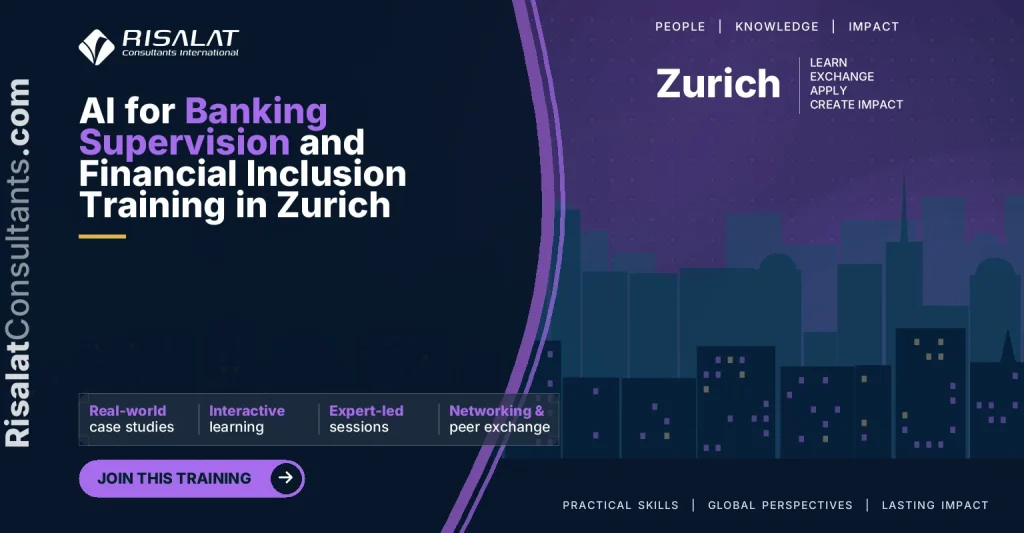
- 5-day short course: a practical capacity-building programme for government, NGO and project teams in Zurich
- Сертификат
- Сертификат о прохождении
- Корпоративный формат
- Проведите ее для своей команды в удобные вам даты
На этой странице 15 разделов
Обзор программы
Artificial intelligence is transforming financial ecosystems, presenting supervisory authorities and regulated entities with unprecedented analytical capabilities and complex regulatory challenges. This five-day course in Zurich equips public institutions, central banks, and financial service providers with technical knowledge to evaluate algorithmic solutions. Participants explore automated oversight systems, alternative data credit assessment, and financial crime prevention tools. The curriculum balances technological innovation with the imperative to maintain stability, market integrity, and institutional resilience across evolving financial sectors.
Бесплатная экспресс-проверка: оценка цифровой готовности позволяет примерно за 10 минут узнать, насколько ваше учреждение готово к цифровым услугам, работе с данными и искусственному интеллекту.
Delivered through an intensive, practice-led structure, the programme examines supervisory technology, known as suptech, alongside market-facing artificial intelligence deployments. Attendees will analyse model development pipelines, assess systemic vulnerabilities, and implement modern risk management systems. Through comparative evaluations of leading jurisdictional responses, the training clarifies the operational application of automated monitoring in transaction surveillance, systemic risk early warning, and algorithmic consumer engagement within both traditional banking institutions and emerging fintech environments.
Financial inclusion remains central to this programme, addressing how automated decision systems can either dismantle barriers for underserved populations or entrench systemic bias. Supervisors and risk managers will gain practical frameworks to scrutinise credit underwriting algorithms, test for disparate impact, and enforce consumer protection standards. By grounding technical sessions in regulatory mandates and market development goals, the course prepares professionals to foster inclusive financial systems without compromising prudential safety or ethical standards.
Governments and international donor-funded programmes supporting financial sector development are accelerating their adoption of automated systems to modernise supervision and expand financial access. As financial authorities confront complex algorithmic architectures, alignment with authoritative international benchmarks has become essential. Supervisory bodies must operationalise the OECD AI Principles, the UNESCO Recommendation on the Ethics of Artificial Intelligence, and the risk tiers established by the European Union AI Act. Public institutions and recipient authorities require staff capable of deploying suptech safely, auditing third-party models, and preventing algorithmic exclusion within fast-evolving domestic credit and payment systems.
Delivered by Risalat Consultants International in Zurich, Switzerland, it combines expert-led sessions, real cases and group work, so that participants can apply what they learn in their own institution.
Программа укрепляет институциональный потенциал
- Core machine learning typologies in financial services: Supervised, unsupervised, and deep learning architectures
- Suptech applications: Natural language processing for regulatory reporting and real-time transaction surveillance
- International standards landscape: OECD AI Principles and the UNESCO Recommendation on the Ethics of AI
- European regulatory benchmarks: The EU AI Act risk categorisation and its extraterritorial supervisory implications
- Establishing regulatory sandbox testing protocols for high-risk financial sector artificial intelligence deployments
- Digital footprinting and alternative data inputs: Utility payments, mobile money records, and e-commerce transactions
- Algorithmic credit scoring mechanisms: Feature selection, probability default modelling, and validation standards
- Identifying and quantifying algorithmic bias: Proxy variables, historical training bias, and disparate impact metrics
- Подготовка и исполнение бюджета
- Финансовая отчетность и стандарты учета
- Управление денежными средствами и казначейские операции
- Внутренний контроль над платежами и активами
It is designed for central bank prudential and conduct supervisors, financial regulatory authority compliance officers, financial intelligence unit analysts and investigators and others who want practical, current skills in public financial management and finance.
The Growing Importance of AI for Banking Supervision and Financial Inclusion
Грамотное финансовое управление лежит в основе реалистичных бюджетов, своевременных платежей и аудита без замечаний. Правительства и финансирующие организации ожидают точной отчетности, дисциплинированного исполнения бюджета и прозрачного использования средств.
Изменения в стандартах отчетности, системы цифровых платежей и требования финансирующих организаций означают, что финансовым командам нужно постоянно обновлять навыки. Грамотное финансовое управление также высвобождает время и деньги для действительно важных услуг.
Организациям все больше нужны специалисты, способные:
- Готовить и исполнять бюджеты в соответствии с планами
- Готовить точные и своевременные финансовые отчеты
- Применять контроль над платежами и активами
- Соблюдать требования финансирующих организаций к финансовому управлению
- Использовать финансовую информацию для поддержки решений
Сильные системы управления государственными финансами и финансового менеджмента помогают организациям:
- Повышать реалистичность и исполнение бюджета
- Готовить надежную отчетность и проходить аудит без замечаний
- Сокращать задержки и ошибки в платежах
- Укреплять доверие финансирующих организаций и надзорных органов
This AI for Banking Supervision and Financial Inclusion programme brings these elements together in a practical format, so that participants understand not only what good practice looks like but also how to introduce it in their own setting, with the people and resources they have.
Who Should Attend This AI for Banking Supervision and Financial Inclusion Training?
Программа предназначена для:
- Central bank prudential and conduct supervisors
- Financial regulatory authority compliance officers
- Financial intelligence unit analysts and investigators
- Risk management professionals from commercial and state banks
- Fintech and regulatory sandbox evaluation teams
- Consumer protection authority officers in financial services
- Project managers from donor-funded financial deepening projects
- Digital finance policy specialists in ministries of finance
- Internal auditors responsible for automated supervisory systems
- Финансовые менеджеры и бухгалтеры
- Бюджетные специалисты и аналитики
- Сотрудники казначейства и подразделений по управлению денежными средствами
Программа подходит как опытным специалистам, так и тем, кто переходит к новым обязанностям. Приветствуются группы из разных организаций и стран, поскольку участники многому учатся на опыте друг друга.
Отметьте, что должна уметь ваша команда.
AI for Banking Supervision and Financial Inclusion Training Objectives
Upon successful completion of this AI for Banking Supervision and Financial Inclusion Training, participants will be able to:
- Evaluate machine learning architectures utilised in supervisory technology and commercial banking operations
- Audit alternative data credit scoring models to prevent bias and ensure financial inclusion for unbanked demographics
- Assess automated anti-money laundering and counter-terrorist financing transaction monitoring systems for detection accuracy
- Formulate model risk management frameworks compliant with international ethical guidelines and regulatory requirements
- Implement supervisory testing methods for algorithmic explainability, transparency, and data governance verification
- Design regulatory sandbox frameworks that permit safe experimentation with artificial intelligence applications
- Establish consumer protection protocols addressing algorithmic manipulation, automated debt collection, and privacy violations
- Объяснять бюджетный цикл и роль каждого участника
- Готовить бюджеты, увязанные с планами, и контролировать их исполнение
- Применять основные принципы соответствующих стандартов отчетности
Каждая цель отрабатывается в ходе программы на упражнениях, кейсах или в групповой работе, чтобы участники умели это делать, а не только описывать.
Содержание и структура программы
- Core machine learning typologies in financial services: Supervised, unsupervised, and deep learning architectures
- Suptech applications: Natural language processing for regulatory reporting and real-time transaction surveillance
- International standards landscape: OECD AI Principles and the UNESCO Recommendation on the Ethics of AI
- European regulatory benchmarks: The EU AI Act risk categorisation and its extraterritorial supervisory implications
- Establishing regulatory sandbox testing protocols for high-risk financial sector artificial intelligence deployments
- Digital footprinting and alternative data inputs: Utility payments, mobile money records, and e-commerce transactions
- Algorithmic credit scoring mechanisms: Feature selection, probability default modelling, and validation standards
- Identifying and quantifying algorithmic bias: Proxy variables, historical training bias, and disparate impact metrics
- Explainable AI techniques in credit underwriting: Practical application of SHAP and LIME interpretability tools
- Policy design for inclusive credit: Balancing automated micro-lending expansion with borrower over-indebtedness controls
- Machine learning in anti-money laundering: Anomaly detection, graph analytics, and entity resolution models
- Automated fraud monitoring: Real-time behavioural profiling across retail payment channels and digital wallets
- Addressing high false-positive rates: Model tuning, dynamic threshold setting, and investigator feedback loops
- Information sharing, data pooling, and privacy-preserving computation: Homomorphic encryption and federated learning
- Supervisory validation of bank automated AML systems: Conducting algorithmic compliance inspections
- Foundations of model risk management: Defining model lifecycles, inventory documentation, and tiering systems
- Model drift, conceptual decay, and data distribution shifts: Stress-testing models under market volatility
- Third-party and vendor risk management: Auditing proprietary commercial algorithms and concentration risks
- Data governance mandates: Quality, integrity, provenance, and compliance with cross-border data protection laws
- Institutional AI oversight: Constructing interdisciplinary model governance committees and independent validation teams
- Consumer protection in automated finance: Dark patterns, predatory pricing, and automated aggressive debt recovery
- Operationalising contestability: Designing consumer redress pathways for automated financial adverse decisions
- Cyber resilience and adversarial machine learning: Poisoning attacks, model evasion, and supervisory response protocols
- Drafting national artificial intelligence roadmaps for banking supervisory bodies and development-focused projects
- Group presentations: Diagnostic evaluation of a national suptech deployment and financial inclusion strategy
Полное содержание по дням
Программа длится 5 дней. Каждый день сочетает выступления экспертов, практическую работу и заключительный семинар или разбор кейса:
- First Day: Day 1: AI Architectures, Supervisory Technology, and Regulatory Standards
- Second Day: Day 2: Financial Inclusion, Alternative Data, and Algorithmic Credit Scoring
- Third Day: Day 3: Financial Crime Detection: Fraud, AML, and CFT Surveillance
- Fourth Day: Day 4: Model Risk Management, Governance, and Robustness
- Fifth Day: Day 5: Consumer Protection, Ethical Redress, and Supervisory Roadmaps
Полное содержание по дням
First Day | Day 1: AI Architectures, Supervisory Technology, and Regulatory Standards
- Core machine learning typologies in financial services: Supervised, unsupervised, and deep learning architectures
- Suptech applications: Natural language processing for regulatory reporting and real-time transaction surveillance
- International standards landscape: OECD AI Principles and the UNESCO Recommendation on the Ethics of AI
- European regulatory benchmarks: The EU AI Act risk categorisation and its extraterritorial supervisory implications
- Establishing regulatory sandbox testing protocols for high-risk financial sector artificial intelligence deployments
Workshop: Day 1: AI Architectures, Supervisory Technology, and Regulatory Standards: Applying It to Your Institution
Работая в небольших группах, участники применяют методы дня к примерам из своих организаций и согласовывают практические дальнейшие шаги.
Second Day | Day 2: Financial Inclusion, Alternative Data, and Algorithmic Credit Scoring
- Digital footprinting and alternative data inputs: Utility payments, mobile money records, and e-commerce transactions
- Algorithmic credit scoring mechanisms: Feature selection, probability default modelling, and validation standards
- Identifying and quantifying algorithmic bias: Proxy variables, historical training bias, and disparate impact metrics
- Explainable AI techniques in credit underwriting: Practical application of SHAP and LIME interpretability tools
- Policy design for inclusive credit: Balancing automated micro-lending expansion with borrower over-indebtedness controls
Workshop: Day 2: Financial Inclusion, Alternative Data, and Algorithmic Credit Scoring: Applying It to Your Institution
Работая в небольших группах, участники применяют методы дня к примерам из своих организаций и согласовывают практические дальнейшие шаги.
Third Day | Day 3: Financial Crime Detection: Fraud, AML, and CFT Surveillance
- Machine learning in anti-money laundering: Anomaly detection, graph analytics, and entity resolution models
- Automated fraud monitoring: Real-time behavioural profiling across retail payment channels and digital wallets
- Addressing high false-positive rates: Model tuning, dynamic threshold setting, and investigator feedback loops
- Information sharing, data pooling, and privacy-preserving computation: Homomorphic encryption and federated learning
- Supervisory validation of bank automated AML systems: Conducting algorithmic compliance inspections
Case Study: Day 3: Financial Crime Detection: Fraud, AML, and CFT Surveillance in Practice
Участники анализируют реалистичный кейс, сравнивают принятые решения с передовой практикой и извлекают уроки, применимые в своих условиях.
Fourth Day | Day 4: Model Risk Management, Governance, and Robustness
- Foundations of model risk management: Defining model lifecycles, inventory documentation, and tiering systems
- Model drift, conceptual decay, and data distribution shifts: Stress-testing models under market volatility
- Third-party and vendor risk management: Auditing proprietary commercial algorithms and concentration risks
- Data governance mandates: Quality, integrity, provenance, and compliance with cross-border data protection laws
- Institutional AI oversight: Constructing interdisciplinary model governance committees and independent validation teams
Workshop: Day 4: Model Risk Management, Governance, and Robustness: Applying It to Your Institution
Работая в небольших группах, участники применяют методы дня к примерам из своих организаций и согласовывают практические дальнейшие шаги.
Fifth Day | Day 5: Consumer Protection, Ethical Redress, and Supervisory Roadmaps
- Consumer protection in automated finance: Dark patterns, predatory pricing, and automated aggressive debt recovery
- Operationalising contestability: Designing consumer redress pathways for automated financial adverse decisions
- Cyber resilience and adversarial machine learning: Poisoning attacks, model evasion, and supervisory response protocols
- Drafting national artificial intelligence roadmaps for banking supervisory bodies and development-focused projects
- Group presentations: Diagnostic evaluation of a national suptech deployment and financial inclusion strategy
Capstone Exercise: AI for Banking Supervision and Financial Inclusion Action Plan for Your Institution
Участники объединяют итоги недели в план действий для своей организации с приоритетами, ответственными и первыми шагами и представляют его коллегам и ведущим для обратной связи.
AI for Banking Supervision and Financial Inclusion Training Methodology
The training employs a practical, practitioner-centred methodology structured for financial sector officials. Delivery combines analytical presentations with institutional case studies, hands-on model evaluation exercises, and guided policy simulations. Working in small groups, participants dissect real-world algorithmic workflows, audit credit decision matrices for non-discrimination compliance, and construct model risk assessment matrices. Facilitators guide peer-to-peer knowledge exchange, allowing delegates to benchmark their national institutional frameworks against international practices and return with directly applicable operational protocols.
Программа сочетает:
- Занятия под руководством экспертов по актуальной практике
- Региональные и международные кейсы
- Групповая работа и практические упражнения
- Симуляции и ролевые игры, где это уместно
- Обсуждение собственных задач участников
- Обмен опытом между организациями и странами
- Практические инструменты и шаблоны для работы
- Ежедневная рефлексия и планирование действий
Перед программой короткая предварительная оценка помогает ведущим понять роль и приоритеты каждого участника, чтобы адаптировать примеры и упражнения к группе. Каждый день завершается короткой рефлексией, в ходе которой участники отмечают, что они применят в работе.
- Сбор
- Очистка
- Хранение
- Анализ
- Решение
Ожидаемые результаты
Upon completion of this AI for Banking Supervision and Financial Inclusion Training, participants will be able to:
- Ability to assess the technical robustness and regulatory compliance of supervised institutions' artificial intelligence models
- Capability to identify, measure, and mitigate demographic bias in algorithmic credit scoring mechanisms
- Proficiency in evaluating automated transaction monitoring architectures used for anti-money laundering compliance
- Competence to implement robust model risk management and validation procedures within supervisory authorities
- Practical skill in designing consumer protection safeguards against algorithmic harm in retail digital finance
- Preparedness to draft institutional supervisory technology adoption strategies aligned with global ethical standards
- Готовить бюджеты, увязанные с планами, и контролировать их исполнение
- Готовить точные финансовые отчеты
Участники уходят с личным планом действий и практическими инструментами, которые можно применять в своей организации с первой же недели после возвращения. Организации, направляющие нескольких участников, могут использовать программу, чтобы согласовать общие методы и шаблоны для разных команд: так улучшения легче закрепить.
£3 100 за участника · оплата по счету банковским переводом · для групп от 5 человек предусмотрена скидка
Пять и более участников от одной организации: укажите групповой тариф в запросе счета.
Ten or more: an in-house version for your institution may cost less per person. Ask for an in-house quote.
Регистрация закрывается через 218 дней (30 июн 2027)
Institutional Application of AI for Banking Supervision and Financial Inclusion Training
Программа помогает организациям укрепить:
- Подготовка и исполнение бюджета
- Финансовая отчетность
- Контроль платежей и денежных средств
- Финансовое управление донорскими средствами
- Готовность к аудиту
Участники возвращаются с практическими инструментами для улучшения:
- Мониторинг бюджета
- Промежуточные финансовые отчеты
- Сверки
- Управление активами
- Работа по итогам аудита
Программа построена так, чтобы знания переходили из учебной аудитории в организацию. По возможности участники работают с собственными процессами и документами и уходят с планом действий, который их руководители могут рассмотреть и поддержать.
Региональная актуальность и применение
Европа
Европейские организации применяют управление государственными финансами и финансовый менеджмент в рамках детально проработанной нормативной базы и программ реформ. Участники из Европы могут сравнить свою практику с опытом коллег из других регионов и проверить, как устоявшиеся методы работают в иных условиях.
Африка
По всей Африке министерства, ведомства и проектные команды, работающие в сфере управления государственными финансами и финансов, все чаще действуют параллельно с программами, финансируемыми донорами, которые требуют четких систем и доказательной базы. Программа помогает участникам адаптировать передовую практику к своим организациям и имеющимся ресурсам.
Ближний Восток
На Ближнем Востоке национальные стратегии развития и планы диверсификации предъявляют растущие требования к управлению государственными финансами и финансовому менеджменту. Участники изучают, как сформировать необходимый для этих планов потенциал в государственных органах и компаниях.
Азия
Организации в Азии сочетают быстрый рост с амбициозными программами модернизации. Участники из Азии могут поделиться опытом быстрого масштабирования систем и узнать о подходах, применяемых в других странах.
Тихоокеанский регион
Малые островные государства и страны Тихоокеанского региона сталкиваются с особыми ограничениями, связанными с размером, удаленностью и потенциалом. Программа предлагает практичные и соразмерные подходы к управлению государственными финансами и финансовому менеджменту, подходящие для небольших организаций.
Holding the programme in Zurich, Switzerland brings participants together away from their daily pressures, so they can compare how public financial management and finance is handled in different settings. The same programme can also be delivered in-house for one institution, in its own country or online, with cases taken from its current work.
Профиль принимающей страны – Швейцария
Risalat Consultants International runs open-enrolment training programmes in Zurich, Switzerland for officials, project teams and professionals from across the region. Dates, fees and what each programme covers are listed above, and any programme can also be delivered in-house for your institution.
Обучение за пределами своей страны дает участникам время сосредоточиться, по-новому взглянуть на свою организацию и выстроить сеть контактов с коллегами из других стран.
AI for Banking Supervision and Financial Inclusion Training Deliverables
Участники получают поддержку до, во время и после программы, поэтому подготовка, обучение и последующее сопровождение складываются в единый непрерывный процесс.
До программы
- Предварительная оценка участников
- AI for Banking Supervision and Financial Inclusion Readiness Assessment
- AI for Banking Supervision and Financial Inclusion Resource Pack
- Материалы для предварительного чтения
- Бесплатная визовая поддержка и консультации
Во время программы
- Встреча в аэропорту и приветственное сопровождение
- Проживание с завтраком: 6 ночей, заезд в воскресенье, 8 августа 2027 г., выезд в субботу, 14 августа 2027 г. (за ночь до и ночь после программы)
- Приветственный ужин для нетворкинга
- Комплект участника Risalat (сумка, бутылка, кружка, футболка, кепка, обложка для паспорта, ручки, блокнот, магнит и брелок)
- Comprehensive AI for Banking Supervision and Financial Inclusion Training Manual
- Шаблон мониторинга бюджета
- Шаблон промежуточного финансового отчета
- Чек-лист сверки
- Чек-лист подготовки к аудиту
- Практические семинары и симуляции
- Групповые дискуссии и обмен опытом
- Ежедневный обед и кофе-брейки
- Полный доступ к инфраструктуре места проведения
- Мини-планшет с цифровыми учебными материалами
- Выездной визит (при наличии)
- Развлекательная экскурсия по городу
После программы
- Сертификат о прохождении
- Награда Risalat за участие в программе
- Справочные материалы после обучения
- Самооценка в области финансового управления
- Чек-лист контроля платежей
- Поддержка и консультации после обучения
- Отчет по программе
Institutions can also request a tailored in-house version of this programme, delivered at their premises or online. Request a proposal.
Common Challenges in AI for Banking Supervision and Financial Inclusion, And How This Training Helps
Как организациям готовить и исполнять бюджеты в соответствии с планами?
The programme addresses this directly on the first day (Day 1: AI Architectures, Supervisory Technology, and Regulatory Standards), where participants practise the methods involved and adapt them to their own institution, then build it into their action plan.
Как организациям готовить точные и своевременные финансовые отчеты?
The programme addresses this directly on the second day (Day 2: Financial Inclusion, Alternative Data, and Algorithmic Credit Scoring), where participants practise the methods involved and adapt them to their own institution, then build it into their action plan.
Как организациям применять контроль над платежами и активами?
The programme addresses this directly on the third day (Day 3: Financial Crime Detection: Fraud, AML, and CFT Surveillance), where participants practise the methods involved and adapt them to their own institution, then build it into their action plan.
Как организациям соблюдать требования финансирующих организаций к финансовому управлению?
The programme addresses this directly on the fourth day (Day 4: Model Risk Management, Governance, and Robustness), where participants practise the methods involved and adapt them to their own institution, then build it into their action plan.
Как организациям использовать финансовую информацию для поддержки решений?
The programme addresses this directly on the fifth day (Day 5: Consumer Protection, Ethical Redress, and Supervisory Roadmaps), where participants practise the methods involved and adapt them to their own institution, then build it into their action plan.
Часто задаваемые вопросы
When and where does the AI for Banking Supervision and Financial Inclusion programme take place?
It runs from 9 Aug 2027 to 13 Aug 2027, in Zurich, Switzerland. The registration deadline is shown at the top of this page.
Кому стоит участвовать?
The programme is designed for central bank prudential and conduct supervisors, financial regulatory authority compliance officers, financial intelligence unit analysts and investigators, risk management professionals from commercial and state banks, and others who want practical skills in public financial management and finance.
Получу ли я сертификат?
Да. Участники, завершившие программу, получают сертификат о прохождении от Risalat Consultants International.
Можно ли провести эту программу только для нашей организации?
Да. Мы можем провести адаптированную корпоративную версию в вашей организации, в другом городе или онлайн на основе ваших собственных кейсов. Воспользуйтесь формой запроса предложения на этой странице.
Нужен ли мне опыт в области управления государственными финансами и финансов?
Специальная подготовка не требуется, достаточно опыта работы в смежной должности. Короткая предварительная оценка помогает ведущим адаптировать занятия к группе.
Кто будет проводить эту программу
Каждая дата проведения обеспечивается командой, назначенной из сети экспертов Risalat по данной теме. Для этой программы мы назначаем:
Как мы их выбираем: Опыт работы в регионе участников или в аналогичных условиях; Владение применимыми правилами доноров (Всемирный банк, АБР, АфБР, ЕС, ООН) при необходимости; Проведение на английском языке; другие языки по запросу для корпоративных групп; Отсутствие конфликта интересов с организациями участников.
Training courses in ZurichУчебные курсы по банковскому делу и страхованию
Why Zurich for this programme
Zurich is a finance centre with strong links to risk, banking and insurance topics.
The AI for Banking Supervision and Financial Inclusion Training in Zurich programme in August 2027 brings together officials and professionals from across Europe, Africa, the Middle East and Asia. Sessions combine short inputs, case studies and group work on participants' own files, and the city's institutions can be added as a study visit on request.
Getting there: Zurich Airport (ZRH).
Узнайте, нужна ли вам виза, с помощью бесплатного сервиса «Проверка визы» и запросите приглашение после регистрации.
Та же тема в других городах
- Solar Photovoltaic Operations, Inverter Safety and O&M Standards in Casablanca (Casablanca)
- Заключение контрактов с аутгроуверами агропредприятий и коммерческие софинансируемые гранты в Касабланке (Касабланка)
- Администрирование EPC-контрактов на подстанции и надзор за расширением сети в Касабланке (Касабланка)
- Управление инфраструктурой профессиональных школ и партнерство с частным сектором в Касабланке (Касабланка)
- Интероперабельность платежных систем и розничная финансовая инфраструктура на Маврикии (Маврикий)
- Цифровой KYC и системы защиты прав потребителей финансовых услуг на базе мобильных устройств в Дубае (Дубай)
См. также: Управление ИИ для государственных учреждений · бесплатная оценка готовности к управлению ИИ · все программы
Бесплатное руководство: «Финансовая доступность и финтех для недостаточно обслуживаемых сообществ: 12-месячный план для вашей команды»
Для команд и организаций
Пригласите свою команду
Команды, которые учатся вместе, эффективнее применяют знания на практике. Сообщите нам количество участников и желаемый формат: мы ответим с расчетом групповой стоимости в течение двух рабочих дней.
Watch: this programme in short
Другие даты и города по этой теме: учебные курсы по цифровому правительству и управлению данными (122 предстоящие даты).
Другие учебные курсы в Швейцарии · Все программы в Европе · Полный календарь обучения
Запланировать эту программу в дорожной карте: почему это важно, зачем это утверждать, даты планирования и карьера, которую это создает.