Ключевые факты
- Даты
- 1–5 февр. 2027 (5 дней)
- Где
- TBD, Kuala Lumpur, Malaysia
- Стоимость на одного участника
- £3 250 (GBP)
- Оплата
- По счету банковским переводом
- Регистрация закрывается
- 23 дек. 2026
- Для кого
- Academic Scholars and Teachers; Graduates, Master and Doctoral Level Students; Market Researchers
- Сертификат
- Сертификат о прохождении
- Корпоративный формат
- Проведите ее для своей команды в удобные вам даты
Обзор программы
SPSS is one of the world’s leading statistical analysis software packages, widely used by businesses, governments, research institutions, NGOs, and academic organizations to manage, analyze, and interpret data for informed decision-making.
This highly practical and hands-on training programme provides participants with a clear, step-by-step approach to using SPSS effectively. From importing and managing spreadsheets to performing statistical analysis, creating regression models, generating charts, and interpreting results, the course covers the essential tools and techniques required for real-world data analysis.
Throughout the programme, emphasis is placed on clarity, interpretation, visualization, communication of findings, and practical application, enabling participants to confidently transform raw data into meaningful insights that support evidence-based decisions.
Organizations seeking to strengthen broader data governance and data-driven decision-making may also benefit from our Actionable Data and Data Exchange Strategy Optimization Framework, which complements SPSS by improving organizational data quality, interoperability, and evidence-based decision-making.
- Ресурсы
- Мероприятия
- Результаты деятельности
- Конечные результаты
- Воздействие
Целевая аудитория
Training on SPSS Statistical Software in Kuala Lumpur, Malaysia will be highly beneficial for any professional who applies SPSS statistical software in daily work life. It is equally useful for students, graduates and postgraduates who need to process and analyze data for their research and studies through SPSS. Some of the target attendees are listed below:
- Academic Scholars and Teachers
- Graduates, Master and Doctoral Level Students
- Market Researchers
- Independent Researchers
- Corporate and Governmental Professionals.
Those undertaking academic research or thesis projects may also find value in our Research Methods, Data Analysis & Report Writing programme.
Отметьте, что должна уметь ваша команда.
Learning Objectives
После успешного завершения учебной программы участники смогут:
- Confidently use SPSS for data management, statistical analysis, and reporting.
- Import, organize, clean, and prepare datasets for accurate analysis.
- Select and apply appropriate statistical techniques to answer research and business questions.
- Interpret statistical outputs and communicate findings effectively through tables, charts, and reports.
- Conduct quantitative research and data analysis independently for academic, government, and organizational projects.
- Build and interpret regression models and other commonly used statistical analyses.
- Transform raw data into meaningful insights to support evidence-based decision-making.
- Design, implement, and evaluate research studies using internationally recognized quantitative research methods.
- Apply SPSS confidently in academic research, policy analysis, monitoring and evaluation, and organizational performance assessment.
- Сбор
- Очистка
- Хранение
- Анализ
- Решение
Structure and Contents of the Training on SPSS Statistical Software
Module 1 | SPSS Fundamentals & Data Management
- Introduction to the SPSS environment and workflow
- Importing data from Excel, CSV, databases, and other sources
- Variable definition, coding, and data structure
- Data cleaning, validation, and quality assurance
- Missing value analysis and treatment
- Data transformation, recoding, and computation
- Sorting, filtering, merging, splitting, and restructuring datasets
- Preparing datasets for statistical analysis
Module 2 | Descriptive Statistics & Data Visualization
- Descriptive statistics and frequency analysis
- Measures of central tendency and variability
- Cross-tabulation and data summarization
- Histograms, boxplots, scatterplots, and line charts
- Creating effective tables and visualizations
- Identifying patterns and trends within datasets
- Interpreting statistical outputs
- Presenting findings for management, research, and policy reports
Participants interested in applying analytics for fraud detection and organizational integrity may also explore our Power of Data Analytics: Illuminating Fraud Schemes & Corruption programme.
Module 3 | Statistical Testing & Group Comparisons
- Statistical inference and confidence intervals
- Testing assumptions and data normality
- Outlier detection and data diagnostics
- Hypothesis testing principles
- One-sample, independent, and paired t-tests
- Analysis of Variance (ANOVA) and post-hoc testing
- Chi-square and non-parametric statistical tests
- Selecting appropriate statistical techniques for different research objectives
Module 4 | Correlation, Regression & Predictive Analytics
- Correlation analysis and relationship assessment
- Linear and multiple regression analysis
- Logistic regression techniques
- Model diagnostics and goodness-of-fit assessment
- Predictive modelling and forecasting
- Interpretation of regression outputs
- Applying statistical models to business, research, and public sector decision-making
Module 5 | Advanced Analytics & Applied Research
- Exploratory Factor Analysis (EFA)
- Principal Component Analysis (PCA)
- Survey data analysis and questionnaire validation
- Research design and quantitative data analysis
- Monitoring and Evaluation (M&E) datasets
- Public policy and organizational performance analytics
- Preparing publication-quality statistical outputs
- Communicating statistical findings to decision-makers
These analytical techniques are also highly valuable for professionals working in Monitoring & Evaluation, supporting evidence generation, project performance measurement, and impact assessment.
Practical Case Studies & Applied Data Analytics
Participants will analyse real-world datasets from sectors such as:
- Government and Public Administration
- Development and Humanitarian Projects
- Public Health
- Образование
- Finance and Banking
- Monitoring & Evaluation (M&E)
- Business Performance and Operations
- Social and Market Research
These analytical approaches also support digital transformation initiatives where organizations increasingly rely on integrated data for strategic planning and service delivery.
Using SPSS, participants will develop practical skills to generate evidence-based insights, support strategic decision-making, and produce professional analytical reports for management, research, and policy applications.
Participants will also learn how statistical analysis supports evidence-based policy using publicly available datasets such as those provided through the World Bank Open Data platform.
Методология программы
The SPSS Statistical Software Training in Malaysia is delivered through a highly interactive, hands-on, and application-focused learning approach. The programme combines essential statistical concepts with practical SPSS exercises, enabling participants to immediately apply the techniques learned to real-world datasets.
Each session integrates concise theoretical explanations with live demonstrations, guided practical exercises, case studies, and participant discussions to reinforce learning outcomes.
Participants are encouraged to bring their own datasets, research projects, or organizational data to receive practical guidance and explore solutions tailored to their specific analytical challenges. Throughout the programme, emphasis is placed on interpretation of results, evidence-based decision-making, effective data visualization, and communicating findings with confidence.
The methodology ensures participants leave the programme with practical skills that can be immediately applied in government, development, research, academic, and business environments.
Результаты курса
Участников ждет полный комплекс услуг, охватывающий все необходимое до, во время и после программы:
До программы
- Предварительная оценка участников для эффективной подготовки
- Бесплатная визовая поддержка и консультации (заявки на электронную визу полностью оформляет наша команда)
Во время программы
- Встреча в аэропорту и приветственное сопровождение
- Проживание с завтраком на весь период
- Приветственный ужин для знакомства с другими участниками и командой Risalat
- Комплект участника Risalat: сумка, бутылка для воды, кружка, футболка, кепка, обложка для паспорта, ручки, блокнот, магнит, брелок
- Ежедневный обед в дни обучения
- Подробное руководство по курсу и учебные материалы
- Проектные шаблоны, инструменты и рабочие листы
- Мини-планшет для удобного доступа к цифровым ресурсам
- Цифровые кейсы, подборки литературы и справочные материалы
- Доступ к образцам наборов данных и практическим упражнениям
- Выездной визит (при наличии)
- Бесплатные кофе-брейки и полный доступ к инфраструктуре места проведения
- Доступ к онлайн-ресурсам для обучения
- Развлекательная экскурсия по городу
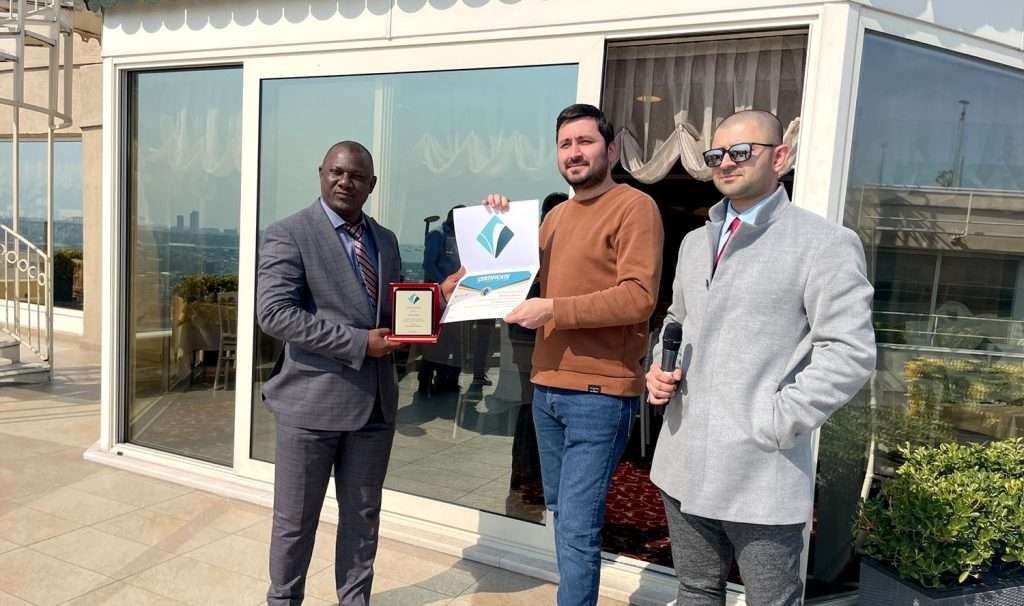
- Сертификат о прохождении
- Награда Risalat за участие в программе
После программы
- Поддержка и консультации после обучения
- Отчет по программе
Все программы в Куала-ЛумпуреMore Research & Statistics programmes
Почему эта программа проходит в Куала-Лумпуре
Куала-Лумпур сочетает доступные цены, упрощенный визовый режим для многих стран и примеры работы подразделений по обеспечению результатов в госсекторе.
The Training on SPSS Statistical Software in Kuala Lumpur programme in February 2027 brings together officials and professionals from across the Asia region and beyond. Sessions combine short inputs, case studies and group work on participants' own files, and the city's institutions can be added as a study visit on request.
Как добраться: Международный аэропорт Куала-Лумпура (KUL).
Узнайте, нужна ли вам виза, с помощью бесплатного сервиса «Проверка визы» и запросите приглашение после регистрации.
£3 250 за участника · счет и банковский перевод · группам от 5 человек предоставляется скидка
Пять и более участников от одной организации: укажите групповой тариф в запросе счета.
Ten or more: an in-house version for your institution may cost less per person. Ask for an in-house quote.
Registration closes in 51 days (23 Dec 2026)
Другие программы в Куала-Лумпуре
Другие учебные курсы в Малайзии · Все программы в Азии · Полный календарь обучения