حقائق رئيسية
- المواعيد
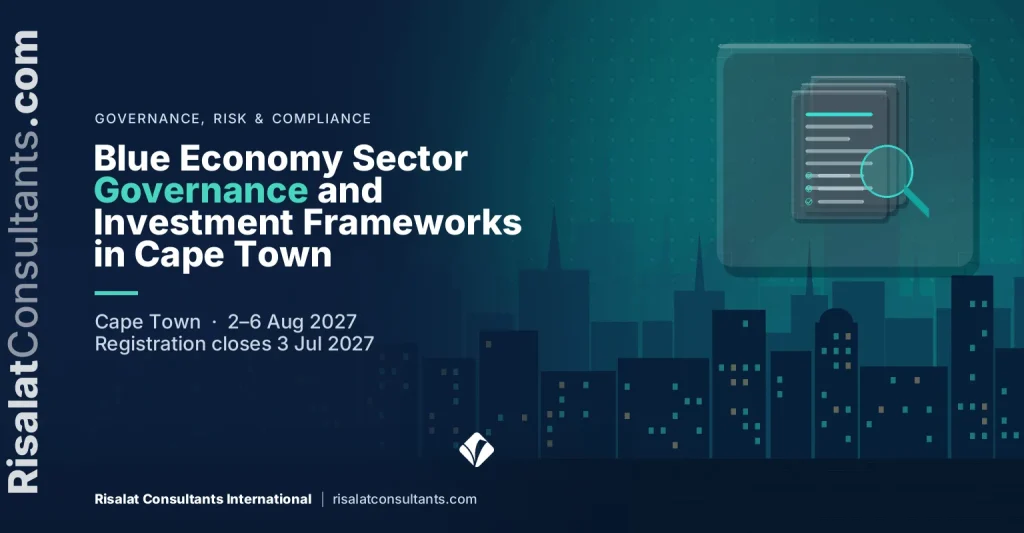
- 2–6 Aug 2027 (5 days)
- المكان
- Cape Town, South Africa
- الرسوم لكل مشارك
- £3,250 (GBP)
- الدفع
- بالفاتورة والتحويل المصرفي
- إغلاق التسجيل
- 3 Jul 2027
- الشهادة
- شهادة إتمام
- الخيار المؤسسي
- نفّذه لفريقك، في المواعيد التي تناسبك
في هذه الصفحة 15 قسماً
نظرة عامة على البرنامج
The transition towards a resilient ocean economy requires robust institutional structures and sound investment frameworks. Small island developing states and coastal nations face the dual challenge of expanding economic output while conserving finite marine habitats. This five-day executive programme in Cape Town equips senior government officials and policy specialists with the analytical tools needed to design, implement, and regulate sustainable marine sector strategies. Participants examine integrated ocean management, policy coherence, and risk-adjusted capital mobilisation models.
Delegates evaluate sustainable coastal economic policies, ocean space investment governance, and eco-certification mechanisms across critical sectors such as sustainable fisheries, maritime transport, and marine renewable energy. The curriculum focuses on regulatory reforms that attract private impact capital whilst protecting vulnerable marine ecological assets. By reviewing regional precedents and multilateral marine governance mechanisms, participants identify practical pathways to reduce systemic market risks and prevent the degradation of natural coastal capital.
Through structured modules, attendees dissect practical frameworks for marine spatial planning, public-private partnerships, and blended finance structures suited to the ocean economy. Delivered in Cape Town, a major maritime and marine science hub in Africa, the course provides an immersive environment to study functional port governance, coastal zone protection, and conservation finance. Officials return to their institutions ready to implement bankable, environmentally rigorous marine investment pipelines.
Coastal economies and small island states face imperative demands to diversify their economic bases away from vulnerability to single-sector external shocks. This capacity building directly supports the economic diversification policy actions embedded in the Seychelles First Sustainable and Inclusive Growth Development Policy Operation. Establishing forward-looking investment governance, clear ocean tenure, and de-risked capital frameworks is essential to channel international climate finance and commercial investment into resilient, regenerative marine enterprises without compromising ecological integrity.
Delivered by Risalat Consultants International in Cape Town, South Africa, it combines expert-led sessions, real cases and group work, so that participants can apply what they learn in their own institution.
The Programme Strengthens Institutional Capability
- Principles of sustainable blue economy transitions under UN SDG 14 and international maritime law
- National ocean policy formulation: Aligning economic diversification with conservation objectives
- Assessing marine natural capital accounting and ecosystem services valuation
- Institutional mandates, horizontal coordination, and resolving multi-agency maritime conflicts
- Case analysis: Small island development strategies and marine industrial restructuring
- Marine Spatial Planning: Zoning allocations for conservation, energy, and commercial use
- Ocean tenure rights, traditional fishing access, and legal frameworks for marine concessions
- Environmental Impact Assessment regulations for nearshore and offshore commercial activities
- تقييم مخاطر الاحتيال وسجلات مخاطر الاحتيال
- تصميم الضوابط الداخلية واختبارها
- نموذج خطوط الدفاع الثلاثة ودور الرقابة
- تخطيط التدقيق والأدلة والتوثيق
It is designed for blue economy policy advisors and ministerial technical assistants, economic development directors and ocean economy strategists, investment promotion agency leads and export development managers and others who want practical, current skills in fraud, audit and internal control.
The Growing Importance of Blue Economy Sector Governance and Investment Frameworks in Cape Town
يُنتظر من الجهات العامة والمشاريع الممولة من الجهات المانحة أن تُثبت استخدام الأموال في الأغراض المخصصة لها. ويتجاوز المدققون وهيئات الرقابة والجهات الممولة بشكل متزايد القوائم المالية لينظروا في الضوابط والسجلات والسلوكيات الكامنة وراءها.
نادراً ما تنشأ مواطن الضعف في مكافحة الاحتيال والضوابط عن إخفاق واحد، بل تنمو حيث تكون الأدوار غير واضحة والسجلات ناقصة ومؤشرات الإنذار لا تُتابَع. والفرق التي تفهم كيف يحدث الاحتيال وكيف توقفه الضوابط تحمي مؤسساتها والأشخاص الذين تخدمهم.
تحتاج المؤسسات بشكل متزايد إلى مهنيين قادرين على:
- تحديد مخاطر الاحتيال والضوابط في عملياتهم وتقدير درجتها
- تصميم ضوابط متناسبة وقابلة للاختبار
- جمع أدلة تدقيق موثوقة وتوثيقها
- رصد مؤشرات الإنذار مبكراً وتصعيدها على النحو الصحيح
- تحويل الملاحظات إلى إجراءات عملية متفق عليها
تساعد الأنظمة القوية لمكافحة الاحتيال والتدقيق والرقابة الداخلية المؤسسات على:
- الحد من الخسائر والنفقات غير المؤهلة
- اجتياز عمليات التدقيق الخارجي بملاحظات أقل
- تعزيز الثقة مع الجهات الممولة والمواطنين
- الاستجابة للادعاءات بطريقة عادلة وموثقة
This Blue Economy Sector Governance and Investment Frameworks in Cape Town programme brings these elements together in a practical format, so that participants understand not only what good practice looks like but also how to introduce it in their own setting, with the people and resources they have.
Who Should Attend This Blue Economy Sector Governance and Investment Frameworks in Cape Town Training?
صُمم هذا البرنامج من أجل:
- Blue economy policy advisors and ministerial technical assistants
- Economic development directors and ocean economy strategists
- Investment promotion agency leads and export development managers
- Ministry of Finance officials managing sovereign blue bonds and climate finance
- Department of Fisheries and Marine Resources senior regulators
- Maritime transport and port authority infrastructure planners
- Project coordinators from donor-financed marine resource operations
- Coastal zone management authorities and environmental protection specialists
- Public-private partnership unit officers structuring ocean asset concessions
- المدققون الداخليون ومديرو التدقيق
- المديرون الماليون والمحاسبون
- موظفو الامتثال والمخاطر
يناسب البرنامج المهنيين ذوي الخبرة وكذلك من ينتقلون إلى مسؤوليات جديدة. ونشجع المجموعات التي تضم مؤسسات ودولاً مختلفة، لأن المشاركين يتعلمون الكثير من تجارب بعضهم بعضاً.
حدّد ما يحتاج فريقك إلى القدرة على إنجازه.
Blue Economy Sector Governance and Investment Frameworks in Cape Town Training Objectives
Upon successful completion of this Blue Economy Sector Governance and Investment Frameworks in Cape Town Training, participants will be able to:
- Evaluate sustainable coastal economic policies and their alignment with national development plans
- Design ocean space investment governance systems that balance commercial yield with ecological limits
- Analyse eco-certification mechanisms and traceability standards across marine supply chains
- Structure regulatory reforms that attract private impact capital into blue economy projects
- Integrate Marine Spatial Planning frameworks into regional and national licensing systems
- Appraise sovereign blue bonds, blended finance, and multilateral loan covenant requirements
- Formulate institutional monitoring indicators to assess coastal natural capital depletion
- شرح كيف يحدث الاحتيال ولماذا، باستخدام نماذج معترف بها لمخاطر الاحتيال
- إجراء تقييم لمخاطر الاحتيال والضوابط لعملية حقيقية
- ربط الضوابط بالمخاطر باستخدام نموذج خطوط الدفاع الثلاثة
يُطبَّق كل هدف خلال البرنامج من خلال التمارين أو دراسات الحالة أو العمل الجماعي، بحيث يغادر المشاركون وهم قادرون على تنفيذه، لا على وصفه فحسب.
محتوى البرنامج وهيكله
- Principles of sustainable blue economy transitions under UN SDG 14 and international maritime law
- National ocean policy formulation: Aligning economic diversification with conservation objectives
- Assessing marine natural capital accounting and ecosystem services valuation
- Institutional mandates, horizontal coordination, and resolving multi-agency maritime conflicts
- Case analysis: Small island development strategies and marine industrial restructuring
- Marine Spatial Planning: Zoning allocations for conservation, energy, and commercial use
- Ocean tenure rights, traditional fishing access, and legal frameworks for marine concessions
- Environmental Impact Assessment regulations for nearshore and offshore commercial activities
- Transboundary marine management and international ocean territory conventions
- Practical workshop: Resolving spatial competition between tourism, transport, and fisheries
- Sovereign blue bond structuring, impact reporting, and key performance metric design
- Public-private partnership models for maritime infrastructure, landing sites, and cold chains
- Blended finance structures: Utilising donor guarantees to catalyse commercial equity
- Aligning blue projects with World Bank, AfDB, and IFC performance standards
- Screening private sector proposals for additionality, financial viability, and climate resilience
- Marine Stewardship Council and Aquaculture Stewardship Council eco-certification frameworks
- Implementing catch documentation schemes to eliminate illegal, unreported, and unregulated fishing
- Regulatory approaches to sustainable marine ecotourism and conservation-linked concessions
- Decarbonisation and sustainability mandates in modern commercial port governance
- Value chain upgrading: Moving from raw ocean product export to domestic processing
- Designing blue economy development policy operations and conditional reform matrices
- Establishing ocean integrity monitoring, reporting, and verification systems
- Institutional capacity frameworks for maritime surveillance and regulatory enforcement
- Drafting national marine investment guidelines and bankable project concept notes
- Participant action plan clinic: Structuring legal and institutional reforms for home agencies
المحتوى الكامل يوماً بيوم
يمتد البرنامج على 5 أيام. ويجمع كل يوم بين مداخلات الخبراء والعمل التطبيقي وورشة عمل أو دراسة حالة ختامية:
- First Day: Ocean Governance and Sustainable Marine Policy Architectures
- Second Day: Ocean Space Regulation, Marine Spatial Planning, and Resource Tenure
- Third Day: Investment Mobilisation, Blended Finance, and De-risking Mechanisms
- Fourth Day: Eco-Certification, Value Addition, and Supply Chain Governance
- Fifth Day: Institutional Delivery, Policy Reform Implementation, and Monitoring
المحتوى الكامل يوماً بيوم
First Day | Ocean Governance and Sustainable Marine Policy Architectures
- Principles of sustainable blue economy transitions under UN SDG 14 and international maritime law
- National ocean policy formulation: Aligning economic diversification with conservation objectives
- Assessing marine natural capital accounting and ecosystem services valuation
- Institutional mandates, horizontal coordination, and resolving multi-agency maritime conflicts
- Case analysis: Small island development strategies and marine industrial restructuring
Workshop: Ocean Governance and Sustainable Marine Policy Architectures: Applying It to Your Institution
يعمل المشاركون في مجموعات صغيرة على تطبيق أساليب اليوم على أمثلة من مؤسساتهم، ويتفقون على خطوات عملية تالية.
Second Day | Ocean Space Regulation, Marine Spatial Planning, and Resource Tenure
- Marine Spatial Planning: Zoning allocations for conservation, energy, and commercial use
- Ocean tenure rights, traditional fishing access, and legal frameworks for marine concessions
- Environmental Impact Assessment regulations for nearshore and offshore commercial activities
- Transboundary marine management and international ocean territory conventions
- Practical workshop: Resolving spatial competition between tourism, transport, and fisheries
Workshop: Ocean Space Regulation, Marine Spatial Planning, and Resource Tenure: Applying It to Your Institution
يعمل المشاركون في مجموعات صغيرة على تطبيق أساليب اليوم على أمثلة من مؤسساتهم، ويتفقون على خطوات عملية تالية.
Third Day | Investment Mobilisation, Blended Finance, and De-risking Mechanisms
- Sovereign blue bond structuring, impact reporting, and key performance metric design
- Public-private partnership models for maritime infrastructure, landing sites, and cold chains
- Blended finance structures: Utilising donor guarantees to catalyse commercial equity
- Aligning blue projects with World Bank, AfDB, and IFC performance standards
- Screening private sector proposals for additionality, financial viability, and climate resilience
Case Study: Investment Mobilisation, Blended Finance, and De-risking Mechanisms in Practice
يحلل المشاركون حالة واقعية، ويقارنون الخيارات المتخذة بالممارسات الجيدة، ويستخلصون دروساً يمكنهم تطبيقها في بيئة عملهم.
Fourth Day | Eco-Certification, Value Addition, and Supply Chain Governance
- Marine Stewardship Council and Aquaculture Stewardship Council eco-certification frameworks
- Implementing catch documentation schemes to eliminate illegal, unreported, and unregulated fishing
- Regulatory approaches to sustainable marine ecotourism and conservation-linked concessions
- Decarbonisation and sustainability mandates in modern commercial port governance
- Value chain upgrading: Moving from raw ocean product export to domestic processing
Workshop: Eco-Certification, Value Addition, and Supply Chain Governance: Applying It to Your Institution
يعمل المشاركون في مجموعات صغيرة على تطبيق أساليب اليوم على أمثلة من مؤسساتهم، ويتفقون على خطوات عملية تالية.
Fifth Day | Institutional Delivery, Policy Reform Implementation, and Monitoring
- Designing blue economy development policy operations and conditional reform matrices
- Establishing ocean integrity monitoring, reporting, and verification systems
- Institutional capacity frameworks for maritime surveillance and regulatory enforcement
- Drafting national marine investment guidelines and bankable project concept notes
- Participant action plan clinic: Structuring legal and institutional reforms for home agencies
Capstone Exercise: Blue Economy Sector Governance and Investment Frameworks in Cape Town Action Plan for Your Institution
يجمع المشاركون حصيلة الأسبوع في خطة عمل لمؤسساتهم، تتضمن الأولويات والمسؤولين والخطوات الأولى، ثم يعرضونها لتلقي ملاحظات الزملاء والميسّرين.
Blue Economy Sector Governance and Investment Frameworks in Cape Town Training Methodology
The programme employs practical policy-lab techniques, detailed legal and financial case reviews, and interactive peer working groups. Participants analyse real-world ocean investment frameworks, multilateral financing covenants, and regulatory concessions. Guided exercises simulate public-private concession negotiations, marine spatial conflicts, and the structuring of sovereign blue financing vehicles, enabling direct application to public administration contexts.
يجمع البرنامج بين:
- جلسات يقودها خبراء حول الممارسات الحالية
- دراسات حالة إقليمية ودولية
- عمل جماعي وتمارين عملية
- محاكاة ولعب أدوار حسب الحاجة
- مناقشة التحديات الخاصة بالمشاركين
- التعلم من الأقران عبر المؤسسات والدول
- أدوات ونماذج عملية تعود بها إلى العمل
- تأمل يومي وتخطيط للعمل
قبل البرنامج، يساعد تقييم مسبق قصير الميسّرين على فهم دور كل مشارك وأولوياته، بحيث يمكن تكييف الأمثلة والتمارين مع المجموعة. ويُختتم كل يوم بتأمل قصير يدوّن فيه المشاركون ما سيطبقونه في العمل.
- المعاملة
- التسجيل
- الرقابة
- الأدلة
- الرأي
النتائج المتوقعة
Upon completion of this Blue Economy Sector Governance and Investment Frameworks in Cape Town Training, participants will be able to:
- Ability to formulate national blue economy strategies aligned with international environmental standards
- Competence in drafting enforceable ocean investment regulations and commercial concession terms
- Capability to structure blended finance instruments and sovereign blue bond monitoring frameworks
- Proficiency in applying Marine Spatial Planning criteria to commercial resource licensing
- Techniques to enforce marine eco-certification protocols and supply chain traceability standards
- A customised institutional roadmap for ocean economy reform ready for agency deployment
- تقييم مخاطر الاحتيال والضوابط في عملياتهم
- تصميم ضوابط متناسبة واختبارها
يغادر المشاركون بخطة عمل شخصية وأدوات عملية يمكنهم استخدامها في مؤسساتهم منذ الأسبوع الأول من عودتهم. ويمكن للمؤسسات التي ترسل عدة مشاركين الاستفادة من البرنامج للاتفاق على أساليب ونماذج مشتركة بين الفرق، مما يسهّل استدامة التحسينات.
£3,250 لكل مشارك · فاتورة وتحويل مصرفي · تحصل المجموعات المكونة من 5 مشاركين أو أكثر على خصم
خمسة مشاركين أو أكثر من مؤسسة واحدة: اطلبوا سعر المجموعة عند طلب الفاتورة.
عشرة مشاركين أو أكثر: قد تكون تكلفة النسخة الداخلية لمؤسستك أقل للفرد الواحد. اطلب عرض سعر للتدريب الداخلي.
Registration closes in 232 days (3 Jul 2027)
Institutional Application of Blue Economy Sector Governance and Investment Frameworks in Cape Town Training
يدعم هذا البرنامج المؤسسات في تعزيز:
- إدارة مخاطر الاحتيال والفساد
- أطر الرقابة الداخلية
- ترتيبات التدقيق والرقابة
- متابعة ملاحظات التدقيق
- النزاهة وقنوات الإبلاغ
يعود المشاركون بأدوات عملية لتحسين:
- سجلات المخاطر وخرائط الضوابط
- تخطيط التدقيق والاختبار
- الأدلة والتوثيق
- إعداد التقارير للإدارة ومجالس الإدارة
- منع النفقات غير المؤهلة
صُمم البرنامج بحيث ينتقل التعلم من قاعة التدريب إلى المؤسسة. ويعمل المشاركون على عملياتهم ووثائقهم الخاصة كلما أمكن، ويغادرون بخطة عمل يمكن لمديريهم مراجعتها ودعمها.
الأهمية الإقليمية والتطبيق
أوروبا
تطبّق المؤسسات الأوروبية مكافحة الاحتيال والتدقيق والرقابة الداخلية ضمن أطر تنظيمية مفصّلة وبرامج إصلاح. ويمكن للمشاركين من أوروبا مقارنة ممارساتهم بممارسات زملائهم من مناطق أخرى واختبار مدى نجاح الأساليب الراسخة في ظروف مختلفة.
أفريقيا
في مختلف أنحاء أفريقيا، تعمل الوزارات والهيئات وفرق المشاريع في مجالات مكافحة الاحتيال والتدقيق والرقابة الداخلية بصورة متزايدة جنباً إلى جنب مع برامج ممولة من الجهات المانحة تتطلب أنظمة وأدلة واضحة. ويساعد البرنامج المشاركين على تكييف الممارسات الجيدة مع المؤسسات والموارد التي يعملون بها.
الشرق الأوسط
في الشرق الأوسط، تفرض استراتيجيات التنمية الوطنية وخطط التنويع الاقتصادي متطلبات متزايدة على مكافحة الاحتيال والتدقيق والرقابة الداخلية. ويستكشف المشاركون سبل بناء القدرات التي تحتاجها هذه الخطط داخل الجهات العامة والشركات.
آسيا
تجمع المؤسسات في أنحاء آسيا بين النمو السريع وبرامج التحديث الطموحة. ويمكن للمشاركين من آسيا تبادل خبراتهم في التوسع السريع في الأنظمة والتعلم من المناهج المتبعة في أماكن أخرى.
المحيط الهادئ
تواجه الدول الجزرية الصغيرة ودول المحيط الهادئ قيوداً خاصة تتعلق بالحجم والمسافة والقدرات. ويسلّط البرنامج الضوء على مقاربات عملية ومتناسبة في مكافحة الاحتيال والتدقيق والرقابة الداخلية تلائم المؤسسات الأصغر.
Holding the programme in Cape Town, South Africa brings participants together away from their daily pressures, so they can compare how fraud, audit and internal control is handled in different settings. The same programme can also be delivered in-house for one institution, in its own country or online, with cases taken from its current work.
Host Country Profile – South Africa
Programmes in Cape Town suit government officials, project teams and professionals focusing on public policy, parliamentary governance, infrastructure administration and urban management.
تمنح الدراسة خارج البلد الأصلي المشاركين وقتاً للتركيز، ونظرة جديدة إلى مؤسساتهم، وفرصة لبناء شبكة علاقات مع زملاء من دول أخرى.
Blue Economy Sector Governance and Investment Frameworks in Cape Town Training Deliverables
يحصل المشاركون على الدعم قبل البرنامج وأثناءه وبعده، بحيث يشكّل التحضير والتعلم والمتابعة تجربة واحدة متصلة.
قبل البرنامج
- التقييم المسبق للمشاركين
- Blue Economy Sector Governance and Investment Frameworks in Cape Town Readiness Assessment
- Blue Economy Sector Governance and Investment Frameworks in Cape Town Resource Pack
- مواد قراءة تحضيرية
- دعم واستشارات مجانية بشأن التأشيرة
أثناء البرنامج
- الاستقبال من المطار والمساعدة عند الوصول
- إقامة مع الإفطار
- عشاء ترحيبي للتعارف
- حقيبة Risalat التدريبية (حقيبة، وقارورة، وكوب، وقميص، وقبعة، وغلاف جواز سفر، وأقلام، ودفتر، ومغناطيس وميدالية مفاتيح)
- Comprehensive Blue Economy Sector Governance and Investment Frameworks in Cape Town Training Manual
- نموذج سجل مخاطر الاحتيال
- مصفوفة ربط الضوابط
- قائمة التحقق من أدلة التدقيق
- أداة تتبع الملاحظات والمتابعة
- ورش عمل عملية ومحاكاة
- مناقشات جماعية وتعلم من الأقران
- غداء ومرطبات يومية
- الاستفادة الكاملة من مرافق مكان التدريب
- جهاز Mini Pad / جهاز لوحي مزود بمواد تعليمية رقمية
- زيارة ميدانية (حسب الاقتضاء)
- جولة ترفيهية في المدينة
بعد البرنامج
- شهادة الإتمام
- جائزة Risalat تقديراً للمشاركة في البرنامج
- مواد مرجعية بعد التدريب
- دليل التقييم الذاتي لمخاطر الاحتيال
- قائمة التحقق من اختبار الضوابط
- الدعم بعد التدريب وإرشادات المتابعة
- تقرير البرنامج
يمكن للمؤسسات أيضاً طلب نسخة داخلية مصممة خصيصاً من هذا البرنامج، تُقدَّم في مقارها أو عبر الإنترنت. اطلب عرضاً.
Common Challenges in Blue Economy Sector Governance and Investment Frameworks in Cape Town, And How This Training Helps
كيف يمكن للمؤسسات تحديد مخاطر الاحتيال والرقابة في عملياتها وتقدير درجتها؟
The programme addresses this directly on the first day (Ocean Governance and Sustainable Marine Policy Architectures), where participants practise the methods involved and adapt them to their own institution, then build it into their action plan.
كيف يمكن للمؤسسات تصميم ضوابط متناسبة وقابلة للاختبار؟
The programme addresses this directly on the second day (Ocean Space Regulation, Marine Spatial Planning, and Resource Tenure), where participants practise the methods involved and adapt them to their own institution, then build it into their action plan.
كيف يمكن للمؤسسات جمع أدلة تدقيق موثوقة وتوثيقها؟
The programme addresses this directly on the third day (Investment Mobilisation, Blended Finance, and De-risking Mechanisms), where participants practise the methods involved and adapt them to their own institution, then build it into their action plan.
كيف يمكن للمؤسسات التعرف على المؤشرات التحذيرية مبكراً وتصعيدها بالشكل الصحيح؟
The programme addresses this directly on the fourth day (Eco-Certification, Value Addition, and Supply Chain Governance), where participants practise the methods involved and adapt them to their own institution, then build it into their action plan.
كيف يمكن للمؤسسات تحويل النتائج إلى إجراءات عملية متفق عليها؟
The programme addresses this directly on the fifth day (Institutional Delivery, Policy Reform Implementation, and Monitoring), where participants practise the methods involved and adapt them to their own institution, then build it into their action plan.
الأسئلة الشائعة
When and where does the Blue Economy Sector Governance and Investment Frameworks in Cape Town programme take place?
It runs from 2 Aug 2027 to 6 Aug 2027, in Cape Town, South Africa. The registration deadline is shown at the top of this page.
من ينبغي أن يحضر؟
The programme is designed for blue economy policy advisors and ministerial technical assistants, economic development directors and ocean economy strategists, investment promotion agency leads and export development managers, ministry of Finance officials managing sovereign blue bonds and climate finance, and others who want practical skills in fraud, audit and internal control.
هل سأحصل على شهادة؟
نعم. يحصل المشاركون الذين يُتمّون البرنامج على شهادة إتمام من Risalat Consultants International.
هل يمكن تقديم هذا البرنامج لمؤسستنا حصرياً؟
نعم. يمكننا تقديم نسخة مؤسسية مصممة خصيصاً في مقر مؤسستكم أو في مدينة أخرى أو عبر الإنترنت، مبنية حول حالاتكم الخاصة. استخدموا نموذج طلب العرض في هذه الصفحة.
هل أحتاج إلى خبرة سابقة في مجال الاحتيال والتدقيق والرقابة الداخلية؟
لا يُشترط أي تخصص سوى الخبرة في دور ذي صلة. ويساعد تقييم مسبق قصير الميسّرين على تكييف الجلسات مع المجموعة.
Who Will Deliver This Programme
Each date is delivered by a team assigned from Risalat's expert network for this subject. For this programme we assign:
How we choose them: Experience in the region of the participants or comparable settings; Command of the financier rules that apply (World Bank, ADB, AfDB, EU, UN) where relevant; Delivery in English; other languages on request for in-house groups; No conflict of interest with participants' institutions.
Names and short CVs of the assigned experts are shared with registered participants and sponsoring organisations before the programme, on request. Are you an expert in this subject? Join our expert network.
Training courses in Cape TownGovernance, Risk & Compliance training courses
Why Cape Town for this programme
Cape Town offers examples of water resilience and tourism, in a setting participants remember.
The Blue Economy Sector Governance and Investment Frameworks in Cape Town programme in August 2027 brings together officials and professionals from across the Africa region and beyond. Sessions combine short inputs, case studies and group work on participants' own files, and the city's institutions can be added as a study visit on request.
Getting there: Cape Town International (CPT).
تحقق مما إذا كنت بحاجة إلى تأشيرة عبر أداة التحقق من التأشيرة المجانية، واطلب خطاب دعوة بعد إتمام تسجيلك.
الموضوع نفسه في مدن أخرى
- Public Administration Reform and Civil Service Management in Kuala Lumpur (Kuala Lumpur)
- Marine Fisheries Licensing, Vessel Tracking and Coastal Enforcement in Muscat (Muscat)
- Competency-Based Technical Curricula and TVET Instructor Standards in Nairobi (Nairobi)
- Technical and Vocational Skills Systems and Labour Market Linkages in Dubai (Dubai)
- Interoperability Architectures and Digital Identity for Citizen Portals in Tallinn (Tallinn)
- Creative Industries Incubation & Cultural Enterprise Development for Youth in Cairo (Cairo)
Other programmes in Cape Town
- Social Assistance Labour Activation and Graduation Pathways in Cape Town
- Bagasse Biomass Cogeneration and Carbon Offset Verification Systems in Cape Town
- Airport Noise Abatement and Coastal Environmental Management in Cape Town
- Vocational Skills Programme Standards and Youth Market Intermediation in Cape Town
- Smallholder Pressurised Irrigation & Solar Water Pumping Scheme Design in Cape Town
For teams and institutions
Bring your team
Teams that learn together apply more at work. Tell us how many people and how you would like to take part: we reply with a group quote within two working days.
Other dates and cities for this subject: Governance, Risk and Anti-Corruption training courses (91 upcoming dates).
More training courses in South Africa · جميع البرامج في أفريقيا · تقويم التدريب الكامل
Plan this programme in a roadmap: why it matters, why to approve it, the dates to plan and the career it builds.