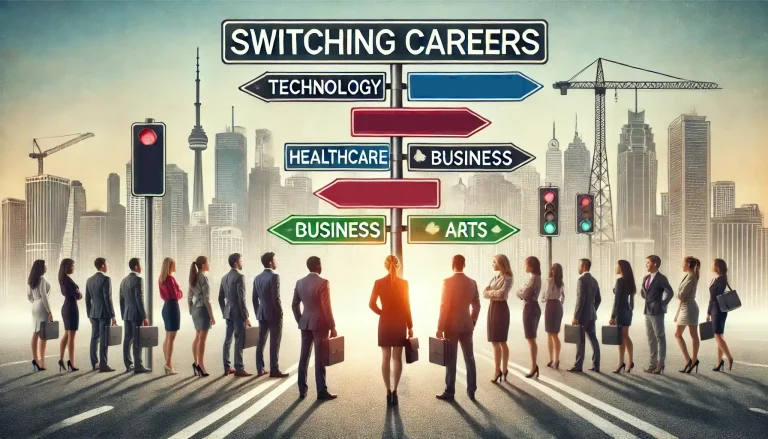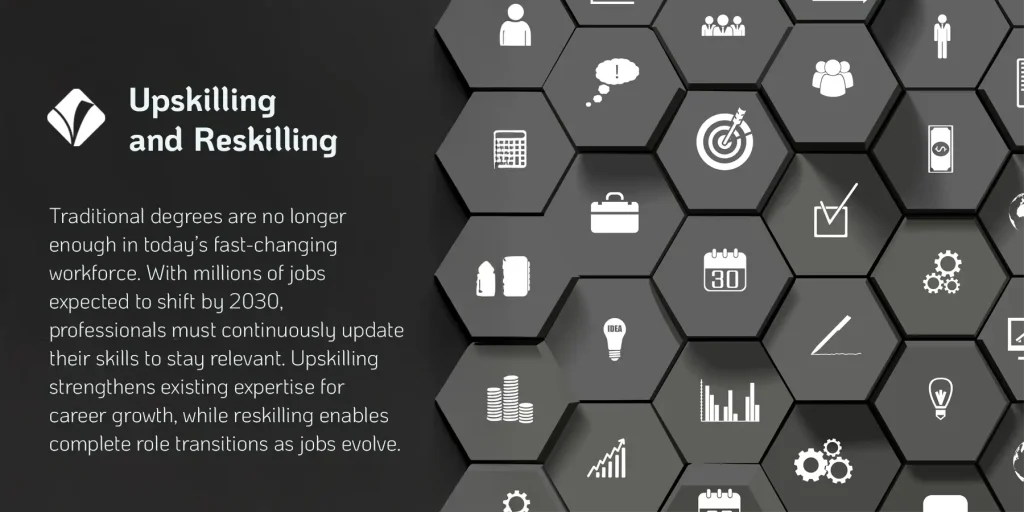
In short: How is upskilling different from traditional education or retraining? Clear definitions, WEF and OECD evidence, and a practical plan for public agencies.
أبرز الخلاصات
Upskilling, reskilling, retraining and traditional education solve different problems, and organisations that confuse them often spend training budgets without changing results.
- Upskilling. builds new skills for the job a person already does.
- Reskilling and retraining. prepare a person for a different role or occupation.
- Traditional education. gives broad knowledge and a recognised qualification, usually over years.
- المهارات تتغير بسرعة. يتوقع أصحاب العمل تحول أو تقادم 39 بالمائة من مهارات العمال خلال الفترة من 2025 إلى 2030، وفقاً للمنتدى الاقتصادي العالمي.
- Access is unequal. adults with higher education take part in learning far more often than those with less, so employers must plan who is trained.
مقدمة
How is upskilling different from traditional education or retraining? Upskilling adds or updates skills for the job a person already holds, so they can do it better or with new tools. Traditional education builds broad knowledge and leads to a qualification, usually over several years. Retraining, which is one form of reskilling, prepares a person to move into a different job when their current role changes or disappears.
The distinction matters because each option has a different cost, timeframe and result. A ministry that needs its procurement officers to work on a new electronic system needs upskilling, not a new degree. A unit whose paper-based jobs are disappearing needs reskilling for new roles. And a young professional preparing for a career may need formal education first. This guide explains the differences, the latest evidence and how public agencies and project teams can plan skills that change results.
Upskilling, Reskilling, Retraining and Education Compared
| Approach | الغرض | المدة المعتادة | Typical result |
|---|---|---|---|
| Upskilling | Better performance in the current role | من أيام إلى أشهر | New skills used at work, often with a certificate of completion |
| Reskilling | الانتقال إلى دور مختلف في نفس المؤسسة أو القطاع | Weeks to months | Ability to perform a new role |
| Retraining | الانتقال إلى مهنة جديدة، غالباً بعد فقدان الوظيفة أو حدوث تغيير رئيسي | Months | Entry into a different occupation |
| التعليم التقليدي | Broad knowledge and a formal qualification | Years | دبلوم أو درجة علمية |
| Professional certification | Proof of competence against an external standard | Weeks to months of preparation | Certificate from an awarding body after an exam |
Upskilling
Upskilling is about doing the current job better. Examples include an accountant learning new reporting standards, a procurement officer learning a new e-procurement system or a manager learning to use data in decisions. It is usually short, practical and tied to tasks the person performs every week.
Reskilling and retraining
Reskilling prepares a person for a different role. Inside an organisation, it might move a records clerk into a data quality role when files become digital. Retraining usually refers to a larger change, such as moving into a new occupation, and often takes longer.
التعليم التقليدي
تمنح الدرجات العلمية والدبلومات أساساً واسعاً ونظرياً ومؤهلاً يتعرف عليه أصحاب العمل. وهي تظل ذات قيمة، لكنها بطيئة التحديث وليست مصممة لحل مشكلة محددة في مكان العمل في الشهر القادم.
Why the Difference Matters Now
The World Economic Forum’s Future of Jobs Report 2025 found that employers expect two-fifths, 39 percent, of workers’ existing skill sets to be transformed or become outdated over the 2025 to 2030 period. The same report notes progress: 50 percent of workers had completed training as part of long-term learning strategies, up from 41 percent in the 2023 edition.
When skills change this quickly, waiting for people to gain new qualifications is too slow. Organisations need a mix: short upskilling for current roles, reskilling for roles that are changing, and education for longer-term foundations.
Who Gets Trained, and Who Is Left Out
The OECD Skills Outlook 2025 shows that adult learning is unequal. Around 61 percent of tertiary-educated adults take part in adult learning opportunities, compared with only 19 percent of those without an upper secondary qualification. In practice, the staff who would gain most from upskilling are often the least likely to receive it.
بالنسبة لأصحاب العمل، فهذا يعني أنه يجب التخطيط للتدريب وعدم تركه لمن يتطوع. تساعد تقييمات احتياجات التدريب، والمعايير الواضحة لاختيار المشاركين، والدعم للموظفين ذوي التعليم الأقل رسمية، في سد الفجوة.
When to Choose Upskilling Instead of Another Degree
Upskilling is usually the better choice when:
- The job stays the same but the tools, rules or systems change
- The organisation needs results within months, not years
- The skill can be practised on real work during or after the training
- The person already has the foundation knowledge from earlier education
A degree is the better choice when the person needs a broad foundation they do not yet have, when a qualification is required for a role, or when the goal is a long-term career change.
A Public Sector Example: Moving Procurement Online
Bangladesh made electronic government procurement mandatory for all public procurement. Agencies facing a change like this need all three approaches at once:
- رفع الكفاءة: يتعلم مسؤولو المشتريات كيفية تخطيط ونشر وتقييم المناقصات على نظام المشتريات الإلكترونية بموجب القواعد الجديدة.
- Reskilling: staff whose paper-handling tasks disappear move into roles such as system support, data quality or contract monitoring.
- Education: a smaller number of staff pursue longer procurement or management qualifications for future leadership roles.
Treating everything as one training course would waste money and leave gaps. Planning each group separately gives each person what they need.
How to Plan Upskilling and Reskilling in Your Organisation
- ابدأ من العمل. اذكر التغييرات المتوقعة في القواعد والأنظمة والخدمات خلال السنوات الثلاث القادمة.
- Assess current skills. Use a training needs assessment to see who needs upskilling, who needs reskilling and who needs neither.
- Choose the right format. Short practical programmes for upskilling, longer pathways with on-the-job practice for reskilling.
- Select participants fairly. Include staff who are usually left out, not only those who ask.
- Apply learning immediately. Agree a work task for each participant to complete within weeks of the training.
- قياس النتائج. تحقق من الأداء بعد 60 إلى 90 يومًا، وليس فقط الحضور والشهادات.
Can Short Programmes Change Performance?
Short programmes change performance when they are linked to real tasks, when participants practise on their own work and when managers expect and support application afterwards. They rarely change performance when they are chosen from a catalogue without a clear need, attended by people who will not use the skill, or not followed up. The design around the training matters as much as the training itself.
صيغ التطوير المهني الشائعة في القطاع العام
Upskilling does not have to mean a classroom course. The right format depends on the skill, the number of people and how quickly the change is needed.
| الصيغة | الأنسب لـ | Watch out for |
|---|---|---|
| Short face-to-face programme | New rules, systems or methods that need practice and discussion | No follow-up after participants return |
| التوجيه والإرشاد and mentoring | Managers and specialists applying new skills on real work | Coaches without time or authority |
| E-learning modules | Basic knowledge for large numbers of staff | انخفاض معدل الإنجاز وقلة الممارسة |
| On-the-job assignments | تحويل المعرفة إلى ممارسة روتينية | لا أحد يتحقق من جودة العمل |
| Exposure and study visits | الاطلاع على نظام يعمل في دولة أو وكالة أخرى | Visits that are not linked to a change plan at home |
| Professional certification | Proving competence against an external standard | Exam preparation that does not match daily tasks |
Most effective plans combine two or three formats: for example, a short programme to learn a new procurement system, followed by on-the-job assignments and coaching for the first live tenders.
بناء خطة مهارات لمشروع ممول
Many projects financed by development partners include money for capacity building, but the training is often planned late and chosen from catalogues. A simple skills plan prepared early avoids this.
- سرد المهام الجديدة للمشروع. تخلق الأنظمة والإجراءات وواجبات الإبلاغ الجديدة والضمانات احتياجات جديدة للمهارات.
- حدد الشخص المسؤول عن كل مهمة. موظفو المشروع، أو نظراؤهم في الوزارة، أو مسؤولو الحكومة المحلية، أو المقاولون.
- Decide upskilling, reskilling or recruitment. Some tasks are best covered by training existing staff, others by moving people into new roles, and some by hiring.
- Schedule training before the task begins. Procurement and financial management skills are needed in the first months, not at mid-term.
- Budget for follow-up. Coaching and refresher sessions often matter more than the first course.
Measuring the Return on Upskilling
Attendance and satisfaction scores show that training took place, not that it worked. Better measures are linked to the work itself:
- Time taken to complete key tasks, such as a procurement process or a monthly report
- جودة المخرجات، مثل تقليل المستندات المرفوضة أو ملاحظات التدقيق
- Use of new systems and tools in daily work
- Staff able to train or support colleagues
- Feedback from service users and managers
Agree two or three of these measures before the training and check them again two to three months later. This gives a simple, honest picture of whether the investment paid off.
Common Mistakes to Avoid
- تدريب الجميع بالطريقة نفسها. يحتاج الموظفون الذين لديهم أدوار وخبرات مختلفة إلى محتوى مختلف.
- اختيار الدورات قبل تحديد الاحتياجات. ابدأ من العمل، ثم اختر التدريب.
- تجاهل المديرين. إذا لم يكن المديرون على دراية بما تعلمه موظفوهم، فلن يتمكنوا من دعم تطبيقه.
- Treating certificates as results. A certificate shows completion; performance shows impact.
- نسيان إعادة المهارات. حيثما تختفي الأدوار، فإن رفع مهارات الدور القديم يهدر المال.
Upskilling for Digital Tools
Many current upskilling needs come from new digital systems: e-procurement, financial management information systems, digital records and data dashboards. These skills are best learned on the real system or a close copy of it, with practice on the tasks staff will perform, followed by a help desk or coach during the first weeks of live use. Classroom explanations alone rarely give staff the confidence to use a new system correctly.
Supporting Staff Through Change
New systems and rules can worry staff, especially those who have done the same work for many years. Explaining why the change is happening, involving experienced staff as peer supporters and recognising early progress all make upskilling easier to accept and more likely to stick.
أسئلة جوهرية ينبغي أن يطرحها قادة الحكومات والمشاريع
Which of our jobs will change most in the next three years?
Map the reforms, systems and services that will change roles, and plan skills around them.
Are we using upskilling where we actually need reskilling?
If a role is disappearing, short courses for the old role will not help. Plan the new roles and the path into them.
من يتم استبعاده من التدريب؟
Check participation by grade, education level, gender and location, and adjust selection.
كيف نعلم أن التدريب قد غير شيئاً ما؟
Agree performance measures before training and check them 60 to 90 days afterwards.
Do managers support application?
إحاطة المديرين بما تعلمه المشاركون وما يجب أن يكونوا قادرين على فعله الآن.
كيف يمكن لـ Risalat أن تساعد
Risalat designs upskilling and reskilling programmes around real reforms and projects, from open programmes listed under programme categories to in-house pathways. Organisations can start with the free training needs assessment to see where upskilling, reskilling or education is needed.
الأسئلة الشائعة
How is upskilling different from traditional education or retraining?
Upskilling builds new skills for the job a person already does. Traditional education gives broad knowledge and a qualification, usually before or alongside a career. Retraining, a form of reskilling, prepares a person for a different job or occupation.
What is the difference between upskilling and reskilling?
Upskilling deepens or updates skills in the current role; reskilling teaches skills for a new role, often because the old role is changing or disappearing.
How fast are job skills changing?
Employers surveyed for the World Economic Forum's Future of Jobs Report 2025 expect 39 percent of workers' existing skill sets to be transformed or become outdated over 2025 to 2030.
Who gets less access to training?
The OECD Skills Outlook 2025 reports that around 61 percent of tertiary-educated adults take part in adult learning, compared with 19 percent of those without an upper secondary qualification.
شاهد

- شراكة التعاقد المفتوح (Open Contracting Partnership) شراكة التعاقد المفتوح (Open Contracting Partnership)
- إطار المشتريات ولوائحها للمشاريع البنك الدولي
Know people who should read this? Become an Ambassador or write with Risalat.
شركاء في نجاح المشاريع منذ 2011، نقدم التشخيص والدعم الاستشاري والتعلم التطبيقي للوزارات والهيئات العامة وفرق المشاريع.
هل تحتاج إلى مساعدة في تطبيق ذلك عملياً؟
ابدأ بتشخيص مجاني مدته 10 دقائق أو تحدث إلى خبرائنا.