Datos clave
- Fechas
- 8–12 feb 2027 (5 días)
- Dónde
- Por confirmar, Tallin, Estonia
- Tarifa por participante
- 3.750 £ (GBP)
- Pago
- Mediante factura y transferencia bancaria
- Cierre de inscripciones
- 25 dic 2026
- Formato
- 5-day short course: a practical capacity-building programme for government, NGO and project teams in Tallinn
- Opción interna
- Impártalo para su equipo, en sus fechas
En esta página 12 secciones
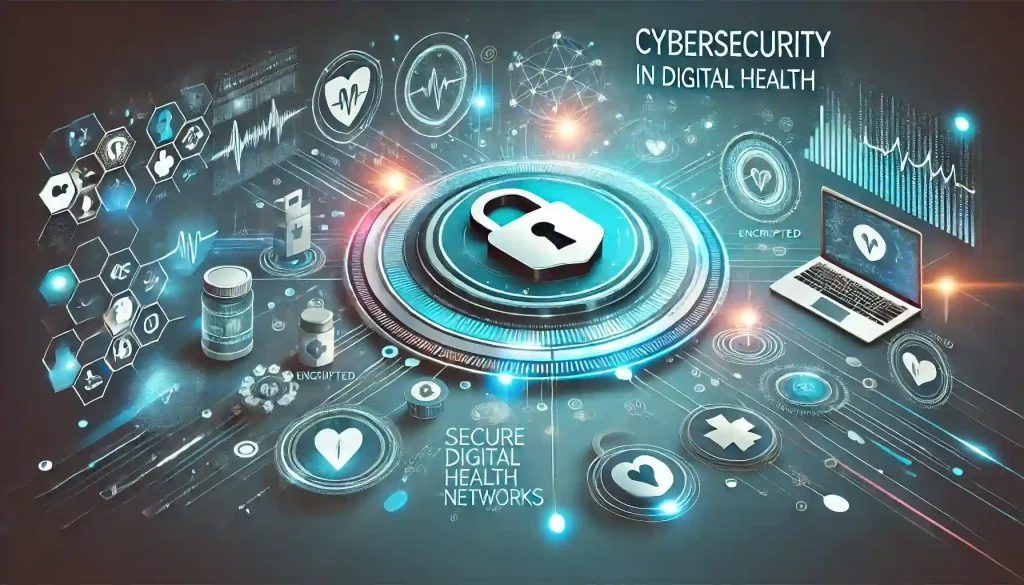
Curso de formación en ciberseguridad en la salud digital en Tallin
Descripción del programa
In today’s interconnected world, digital health systems have become essential for managing patient care, improving clinical outcomes, and enabling healthcare professionals to access and share critical information quickly. From electronic health records (EHRs) to telemedicine platforms and mobile health apps, the digital transformation in healthcare is advancing rapidly. However, this transition also brings a heightened risk of cyber threats, which is why cybersecurity in digital health is of paramount importance. Unauthorised access to digital health data could result in identity theft, insurance fraud, and exposure of private medical histories, which could harm both individuals and organisations. Additionally, compromised healthcare systems could disrupt critical services, leading to potential delays in patient care or even life-threatening situations.
Free self-check: the digital readiness assessment gives how ready your institution is for digital services, data and AI, in about 10 minutes.
This training programme has been exclusively designed by Risalat to empower healthcare professionals to recognise, prevent, and respond effectively to cyber threats. It aims to foster a culture of vigilance, enabling health professionals to stay ahead of evolving threats and comply with regulatory standards, ultimately protecting both patient privacy and organisational integrity. Delivered by Risalat Consultants International in Tallinn, Estonia, it combines expert-led sessions, real cases and group work, so that participants can apply what they learn in their own institution.
This training on Cybersecurity in Digital Health is centred around building awareness, strengthening security practices, and ensuring the protection of sensitive health data. It brings core elements together in a practical format, so that participants understand not only what good practice looks like but also how to introduce it in their own setting, with the people and resources they have.
El programa fortalece la capacidad institucional en:
- Introducción a la ciberseguridad en la salud digital
- Panorama actual de las ciberamenazas en el ámbito sanitario
- Types of cybersecurity threats: Phishing, Social Engineering, Ransomware, Insider Threats, Distributed Denial of Service (DDoS), Malware and Trojans
- Estrategia digital y planificación de la transformación
- Gobernanza y calidad de los datos
- Análisis y visualización de datos
- Fundamentos de ciberseguridad y gestión de riesgos
Why this matters now
Las organizaciones necesitan cada vez más profesionales capaces de:
- Planificar iniciativas digitales que resuelvan problemas reales
- Gestionar la calidad, la protección y el intercambio de datos
- Analizar datos y presentarlos con claridad
- Gestionar los riesgos cibernéticos y tecnológicos
- Guiar a las personas en el cambio digital
Unos sistemas sólidos de gobierno digital, datos y tecnología ayudan a las organizaciones a:
- Prestar servicios más rápidos y accesibles
- Aprovechar mejor los datos en las decisiones
- Proteger los sistemas y los datos personales
- Obtener valor de las inversiones tecnológicas
Quién debería asistir
Este programa está dirigido a:
- Médicos, personal de enfermería y otros profesionales sanitarios
- Personal de TI y de seguridad encargado de gestionar y mantener los sistemas de salud digital
- Administradores y gestores sanitarios
- Fabricantes de productos farmacéuticos y dispositivos médicos
- Tecnólogos de la información sanitaria
- Gerentes y responsables de TIC
- Responsables de transformación digital
- Analistas de datos y estadísticos
- Responsables de seguridad de la información
- Responsables de políticas y planificación
- Gerentes de proyectos y programas
- Responsables de la prestación de servicios
Marque lo que su equipo necesita ser capaz de hacer.
Objetivos del programa
Al final de este programa, los participantes serán capaces de:
- Explicar las principales tendencias del gobierno digital y el uso de datos
- Planificar una iniciativa digital vinculada a los objetivos de servicio
- Aplicar principios de gobernanza y calidad de los datos
- Analizar y visualizar datos para los responsables de la toma de decisiones
- Identificar y gestionar los riesgos cibernéticos y tecnológicos
- Aplicar prácticas responsables al utilizar la IA y la automatización
- Planificar la adquisición y la gestión de la tecnología
- Guiar a las personas en el cambio digital
- Preparar un plan de acción digital para su institución
Training Structure & Contents
- Introduction to cybersecurity in digital health, Current Cyber Threat Landscape in Healthcare
- Introducción a la ciberseguridad en la salud digital
- Panorama actual de las ciberamenazas en el ámbito sanitario
- Types of cybersecurity threats: Phishing and Social Engineering
- Ransomware and Insider Threats
- Denegación de servicio distribuida (DDoS)
- Workshop: Applying threat landscape analysis to your institution
- Principios de privacidad y protección de datos
- Importancia de la confidencialidad, la integridad y la disponibilidad de los datos de los pacientes
- Data encryption and secure communication channels
- Normativa y cumplimiento en el ámbito sanitario: HIPAA, RGPD y otras leyes pertinentes
- Best Practices for Securing Patient Information: Password management and secure storage
- Data sharing protocols
- Workshop: Applying data protection principles to your institution
- Secure Use of Digital Health Tools: EHR systems, telemedicine platforms, and mobile apps
- Secure login practices across health platforms
- Recognising and Preventing Cyber Threats
- Identificar correos de phishing, enlaces sospechosos y archivos adjuntos maliciosos
- Tratamiento seguro de la información sensible de los pacientes
- Case Study: Secure Use of Digital Health Tools in Practice
- Maintaining Cybersecurity Awareness across health systems
- Ongoing Training and Education frameworks
- Developing a Security Culture within healthcare organisations
- Promoting Security in Patient Care workflows
- Role-specific security practices for clinicians, IT staff, and administrators
- Workshop: Applying cybersecurity awareness approaches to your institution
- Gestión del cambio en proyectos digitales
- Competencias y funciones para el futuro
- Medición de los resultados digitales
- Sostenibilidad de los sistemas tras su puesta en marcha
- Plan de acción personal para su institución
- Ejercicio final: plan de acción de formación para su institución
Contenido completo día a día
First Day | Introduction to cybersecurity in digital health, Current Cyber Threat Landscape in Healthcare
- Introducción a la ciberseguridad en la salud digital
- Panorama actual de las ciberamenazas en el ámbito sanitario
- Types of cybersecurity threats: Phishing and Social Engineering
- Ransomware and Insider Threats
- Denegación de servicio distribuida (DDoS)
- Workshop: Applying threat landscape analysis to your institution
Second Day | Data Privacy and Protection Principles, Importance of Confidentiality and Compliance
- Principios de privacidad y protección de datos
- Importancia de la confidencialidad, la integridad y la disponibilidad de los datos de los pacientes
- Data encryption and secure communication channels
- Normativa y cumplimiento en el ámbito sanitario: HIPAA, RGPD y otras leyes pertinentes
- Best Practices for Securing Patient Information: Password management and secure storage
- Data sharing protocols
- Workshop: Applying data protection principles to your institution
Third Day | Secure Use of Digital Health Tools, Recognising and Preventing Cyber Threats
- Secure Use of Digital Health Tools: EHR systems, telemedicine platforms, and mobile apps
- Secure login practices across health platforms
- Recognising and Preventing Cyber Threats
- Identificar correos de phishing, enlaces sospechosos y archivos adjuntos maliciosos
- Tratamiento seguro de la información sensible de los pacientes
- Case Study: Secure Use of Digital Health Tools in Practice
Cuarto día | Mantener la concienciación en ciberseguridad, formación y educación continuas
- Maintaining Cybersecurity Awareness across health systems
- Ongoing Training and Education frameworks
- Developing a Security Culture within healthcare organisations
- Promoting Security in Patient Care workflows
- Role-specific security practices for clinicians, IT staff, and administrators
- Workshop: Applying cybersecurity awareness approaches to your institution
Quinto día | Liderar el cambio y planificar acciones
- Gestión del cambio en proyectos digitales
- Competencias y funciones para el futuro
- Medición de los resultados digitales
- Sostenibilidad de los sistemas tras su puesta en marcha
- Plan de acción personal para su institución
- Ejercicio final: plan de acción de formación para su institución
Metodología de formación
This Cybersecurity in Digital Health Training employs a blended learning approach, combining interactive online modules, instructor-led workshops, and hands-on activities to ensure engagement and practical application of concepts. It is structured to include real-world case studies, scenario-based simulations, and quizzes to reinforce key cybersecurity principles and encourage active participation. Emphasis is placed on role-specific training, where participants are guided on how to apply cybersecurity practices in their specific healthcare roles, whether as clinicians, IT professionals, or administrators. Before the programme, a short pre-assessment helps the facilitators understand each participant’s role and priorities, so that examples and exercises can be adjusted to the group, and each day ends with a short reflection in which participants note what they will apply at work.
- Sesiones dirigidas por expertos sobre la práctica actual
- Estudios de caso regionales e internacionales
- Trabajo en grupo y ejercicios prácticos
- Simulaciones y juegos de rol cuando proceda
- Discussion of participants’ own challenges
- Aprendizaje entre pares de distintas instituciones y países
- Herramientas y plantillas prácticas para llevar al trabajo
- Reflexión diaria y planificación de acciones
- Recopilar
- Depurar
- Almacenar
- Analizar
- Decidir
Resultados esperados
- Planificar iniciativas digitales vinculadas a los objetivos de servicio
- Aplicar principios de gobernanza y calidad de los datos
- Analizar y presentar datos con claridad
- Gestionar los riesgos cibernéticos y tecnológicos
- Utilizar la IA y la automatización de forma responsable
- Liderar el cambio digital en su institución
- Equip participants with a personal action plan and practical tools for workplace implementation
3.750 £ por participante · factura y transferencia bancaria · los grupos de 5 o más personas reciben un descuento
Cinco o más personas de una misma organización: solicite la tarifa de grupo al pedir la factura.
Ten or more: an in-house version for your institution may cost less per person. Ask for an in-house quote.
La inscripción cierra en 33 días (25 dic 2026)
Pertinencia y aplicación regionales
- Europe: European institutions apply digital government, data and technology within detailed regulatory frameworks and reform agendas. Participants from Europe can compare their practice with colleagues from other regions and test how established methods work under different conditions.
- Africa: Across Africa, ministries, agencies and project teams working in digital government, data and technology increasingly operate alongside donor-financed programmes that expect clear systems and evidence. The programme helps participants adapt good practice to the institutions and resources they work with.
- Middle East: In the Middle East, national development strategies and diversification plans place growing demands on digital government, data and technology.
Perfil del país anfitrión
Estonia is often regarded as one of the countries with the best cybersecurity in digital health. The country has long been a leader in digital innovation, and its healthcare system is deeply integrated with digital tools, including an advanced electronic health record (EHR) system that covers the entire population. The country has invested heavily in cybersecurity, with strong national strategies, robust data encryption practices, and a secure, decentralised system for storing healthcare data.
Who Will Deliver This Programme
Each date is delivered by a team assigned from Risalat's expert network for this subject. For this programme we assign:
How we choose them: Experience in the region of the participants or comparable settings; Command of the financier rules that apply (World Bank, ADB, AfDB, EU, UN) where relevant; Delivery in English; other languages on request for in-house groups; No conflict of interest with participants' institutions.
Training courses in TallinnTechnology training courses
Por qué Tallin para este programa
Tallin es ampliamente reconocida por su gobernanza digital y la innovación en el sector público. Los funcionarios visitantes pueden observar aplicaciones prácticas en el Centro de Información e-Estonia e interactuar con los órganos administrativos públicos nacionales. La ciudad es fácilmente accesible mediante vuelos regulares que conectan su aeropuerto internacional con los principales centros de tránsito europeos.
The Training Course on Cybersecurity in Digital Health in Tallinn programme in February 2027 brings together officials and professionals from across Europe, Africa, the Middle East and Asia. Sessions combine short inputs, case studies and group work on participants' own files, and the city's institutions can be added as a study visit on request.
Getting there: Lennart Meri Tallinn Airport (TLL).
Compruebe si necesita visado con el Verificador de visados gratuito y solicite una carta de invitación una vez inscrito.
El mismo tema en otras ciudades
- Digital Government and Citizen e-Services Training for North African Officials in Mdina (Mdina)
- Digital Government and Citizen e-Services Training for North African Officials in Sliema (Sliema)
- Digital Government and Citizen e-Services Training for North African Officials in St Julian’s (St Julian's)
- Mini Degree in Digital Government and AI in Tallinn (Tallinn)
- Practical AI Tools for Project Teams and Analysts in Geneva (Geneva)
- AI in Education and Skills Systems Training in Helsinki (Helsinki)
Otros programas en Tallin
- Integrating AI into Public Services: From Pilot to Scale Training in Tallinn
- Digital Health Insurance Platform Architecture and PMO Operations in Tallinn
- Gobernanza de datos, interoperabilidad y infraestructura pública digital en Tallin
- Arquitecturas de interoperabilidad e identidad digital para portales ciudadanos en Tallin
- Rural Broadband Network Rollout and Open-Access Telecoms in Tallinn
Free roadmap: Cybersecurity in Digital Health: a 12-month plan for your team
- World Health Organization World Health Organization
- OCDE (Organización para la Cooperación y el Desarrollo Económicos) OCDE
Is there cybersecurity training for government officials in Tallinn in February 2027?
Can "Training Course on Cybersecurity in Digital Health in Tallinn" be delivered in-house for one organisation?
Which other cybersecurity programmes does Risalat run?
¿Cómo se inscriben y pagan las organizaciones?
For teams and institutions
Bring your team
Teams that learn together apply more at work. Tell us how many people and how you would like to take part: we reply with a group quote within two working days.
Watch: this programme in short


Other dates and cities for this subject: Digital Government and Data Governance training courses (120 upcoming dates).
Más cursos de formación en Estonia · Todos los programas en Europa · Calendario de formación completo
Planificar este programa en una hoja de ruta: por qué es importante, por qué aprobarlo, las fechas a planificar y la carrera que construye.