Training Overview
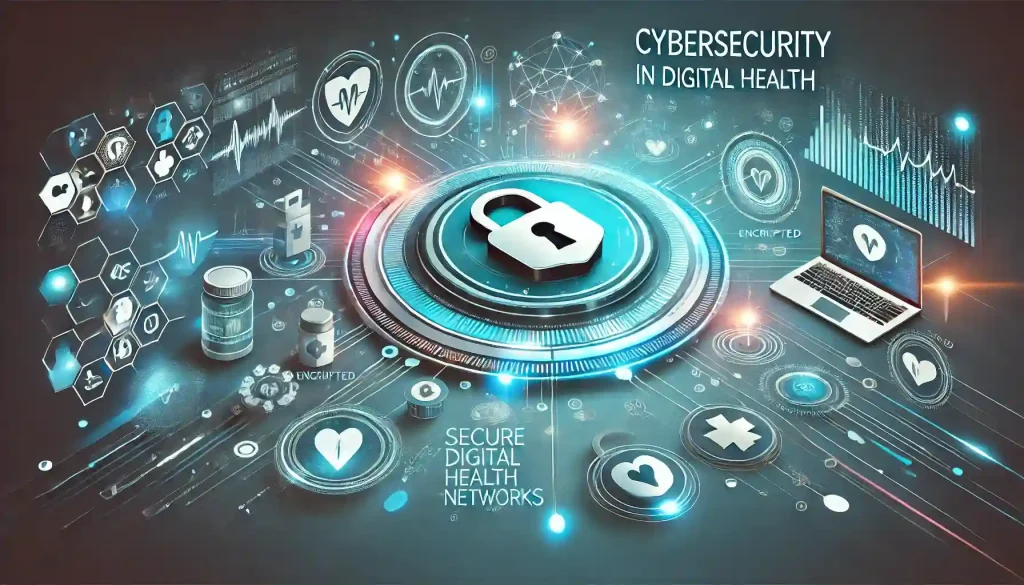
In today’s interconnected world, digital health systems have become essential for managing patient care, improving clinical outcomes, and enabling healthcare professionals to access and share critical information quickly. From electronic health records (EHRs) to telemedicine platforms and mobile health apps, the digital transformation in healthcare is advancing rapidly. However, this transition also brings a heightened risk of cyber threats, which is why cybersecurity in digital health is of paramount importance.
Unauthorized access to digital health data could result in identity theft, insurance fraud, and exposure of private medical histories, which could harm both individuals and organizations. Additionally, compromised healthcare systems could disrupt critical services, leading to potential delays in patient care or even life-threatening situations.
This training programme has been exclusively designed by Risalat to empower healthcare professionals to recognize, prevent, and respond effectively to cyber threats. It aims to foster a culture of vigilance, enabling health professionals to stay ahead of evolving threats and comply with regulatory standards, ultimately protecting both patient privacy and organizational integrity.
Target Audience
This Cybersecurity in Digital Health Training could greatly benefit a broad range of individuals within the healthcare ecosystem. The key audiences include:
- Doctors, nurses, and allied healthcare professionals
- IT and security staff responsible for managing and maintaining digital health systems
- Health administrators and managers
- Pharmaceutical and Medical Device Manufacturers
- Health Information Technologists
Tick what your team needs to be able to do.
Training Objectives
This training on Cybersecurity in Digital Health is centered around building awareness, strengthening security practices, and ensuring the protection of sensitive health data. Upon successful completion, its delegates are expected to be able to:
- Understand common cyber threats, such as phishing, ransomware, and data breaches, and how these risks specifically apply to digital health systems.
- Properly secure patient data through encryption, secure password practices, and data storage protocols, ensuring compliance with healthcare regulations.
- Recognize signs of a cyberattack or breach and take appropriate action.
- Support proactive security mindset across healthcare organizations, ensuring that cyber security is not just an IT responsibility, but a shared priority for all employees, from administrators to front-line workers.
- Meet the requirements of laws and regulations that govern health data privacy and cybersecurity.
- Securely use and manage digital health technologies, such as telemedicine platforms, EHR systems, and mobile health apps.
Training Contents
- Introduction to cybersecurity in digital health
- Current Cyber Threat Landscape in Healthcare
- Types of cybersecurity threats:
- Phishing and Social Engineering
- Ransomware
- Insider Threats
- Data Privacy and Protection Principles
- Importance of confidentiality, integrity, and availability of patient data
- Data encryption, secure communication channels
- Healthcare Regulations and Compliance: HIPAA, GDPR, and other relevant laws
- Best Practices for Securing Patient Information: Password management, secure data storage, and data sharing protocols
- Secure Use of Digital Health Tools
- How to securely use EHR systems, telemedicine platforms, and other digital health tools
- Secure login practices
- Recognizing and Preventing Cyber Threats
- Identifying phishing emails, suspicious links, and malicious attachments
- Handling sensitive patient information securely
- Maintaining Cybersecurity Awareness
- Ongoing Training and Education
- Developing a Security Culture
- Promoting Security in Patient Care
Full day-by-day contents
First Day
- Introduction to cybersecurity in digital health
- Current Cyber Threat Landscape in Healthcare
- Types of cybersecurity threats:
- Phishing and Social Engineering
- Ransomware
- Insider Threats
- Distributed Denial of Service (DDoS)
- Malware and Trojans
- Case studies on cybersecurity incidents in healthcare
Second Day
- Data Privacy and Protection Principles
- Importance of confidentiality, integrity, and availability of patient data
- Data encryption, secure communication channels
- Healthcare Regulations and Compliance: HIPAA, GDPR, and other relevant laws
- Best Practices for Securing Patient Information: Password management, secure data storage, and data sharing protocols
Third Day
- Secure Use of Digital Health Tools
- How to securely use EHR systems, telemedicine platforms, and other digital health tools
- Secure login practices
- Recognizing and Preventing Cyber Threats
- Identifying phishing emails, suspicious links, and malicious attachments
- Handling sensitive patient information securely
Forth Day
- Device Security
- Incident Response and Reporting
- Steps to Take in the Event of a Cyberattack or Breach
- Reporting procedures and escalation protocols
- Contingency Planning: Disaster recovery and business continuity plans in case of a cyberattack
Fifth Day
- Maintaining Cybersecurity Awareness
- Ongoing Training and Education
- Developing a Security Culture
- Promoting Security in Patient Care
Programme Methodology
This Cybersecurity in Digital Health Training employs a blended learning approach, combining interactive online modules, instructor-led workshops, and hands-on activities to ensure engagement and practical application of concepts. It is structured to include real-world case studies, scenario-based simulations, and quizzes to reinforce key cybersecurity principles and encourage active participation. Emphasis is placed on role-specific training, where participants are guided on how to apply cybersecurity practices in their specific healthcare roles, whether as clinicians, IT professionals, or administrators.
Host Country Profile
Estonia is often regarded as one of the countries with the best cybersecurity in digital health. The country has long been a leader in digital innovation, and its healthcare system is deeply integrated with digital tools, including an advanced electronic health record (EHR) system that covers the entire population. The country has invested heavily in cybersecurity, with strong national strategies, robust data encryption practices, and a secure, decentralized system for storing healthcare data.
Course Deliverables
Participants will enjoy a full-service experience that covers everything needed before, during, and after the programme:
Before the Programme
- Participant Pre-Assessment to ensure effective preparation
- Complimentary Visa Support & Advisory (E-visa applications are fully processed by our team)
During the Programme
- Airport Pickup & Welcome Assistance
- Accommodation with Breakfast for the full duration
- Welcome Dinner for networking and connecting with fellow Participants & the Risalat Team
- Risalat Training Kit, including: bag, water bottle, coffee mug, t-shirt, cap, passport cover, pens, notebook, magnet, keychain
- Lunch Provided Daily during training days
- Comprehensive Course Manual & Training Materials
- Project-Based Templates, Tools, and Worksheets
- Mini Pad / Tablet for convenient access to digital resources
- Digital Case Studies, Reading Packs & Reference Materials
- Access to Sample Datasets & Practical Exercises
- Field Visit (where applicable)
- Complimentary Refreshments & Full Training Venue Facilities
- Access to Online Learning Resources
- Entertaining City Tour
- Certificate of Completion
- Risalat Programme Participation Recognition Award
After the Programme
- Post-Training Support & Follow-Up Guidance
- Programme Report
£3,750 per participant · invoice and bank transfer · groups of 5 or more receive a discount
Five or more from one organisation: ask for the group rate on the invoice request.
Ten or more: an in-house version for your institution may cost less per person. Ask for an in-house quote.
Registration closes in 68 days (25 Dec 2026)