Approach the most pressing topics of the two crucial sectors of sustainable development: Energy and Water – with up-to-date knowledge, skills, and practical mastery.
Energy and Water training programmes from Risalat Consultants International are practical, expert-led courses for governments, international organisations and companies. Choose a date and city below, or ask us to run any programme in-house for your team.
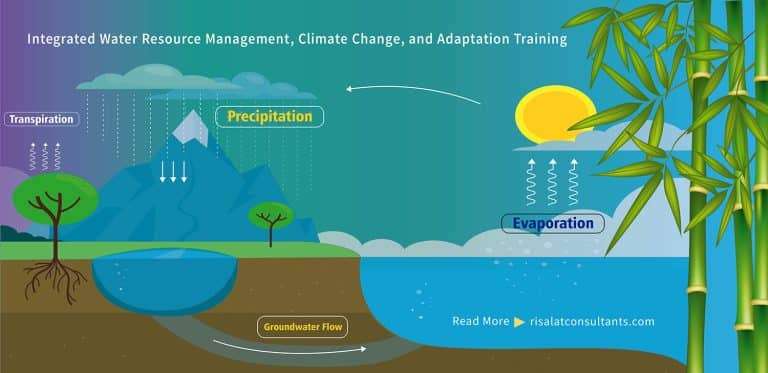
Integrated water resource management addresses water-related conflicts by considering social, economic, and environmental dimensions. This training programme has been developed to aid efficient and…
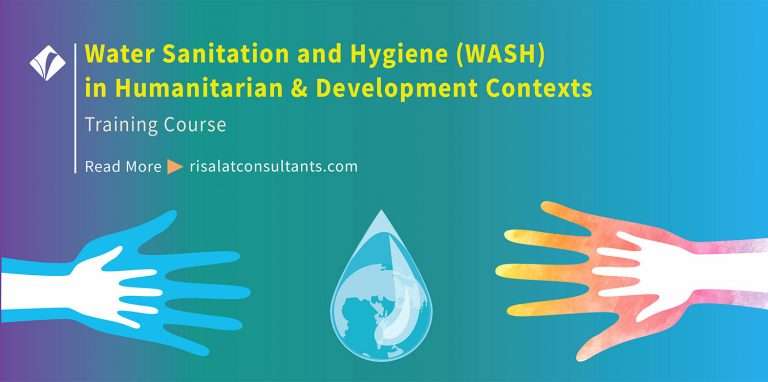
Access to WASH is a prerequisite for health, contributes to the development of livelihoods, and helps create more resilient communities. Currently, around 2.2 billion…
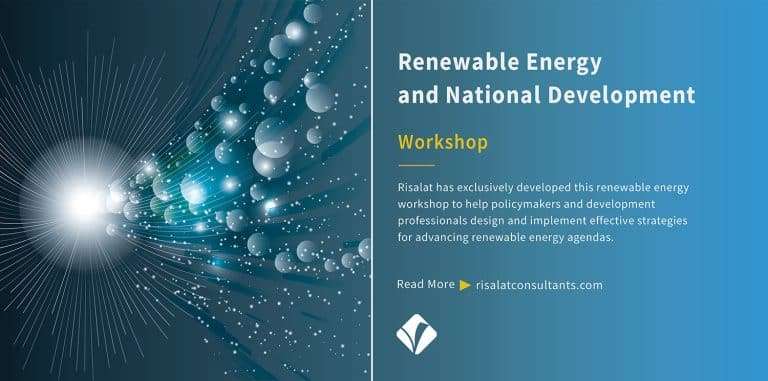
Renewable energy refers to those sources that are naturally replenished and have minimal environmental impact. Clean sources such as solar, wind, hydro, and geothermal…
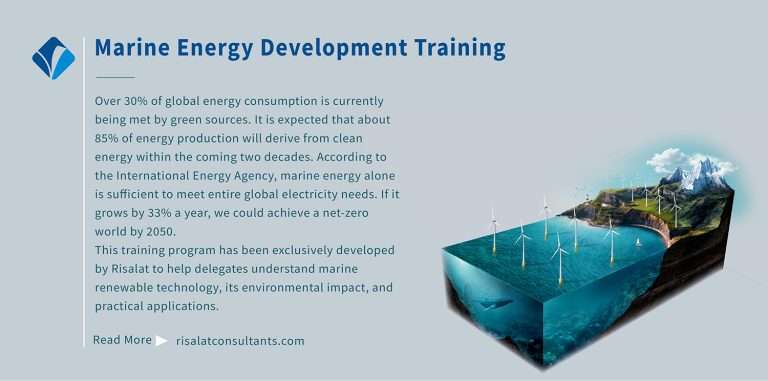
This specialized Marine Energy Development Training equips participants with practical understanding of marine energy technologies, environmental considerations, and real-world applications. Through technical insights and…
Many argue that carbon taxation tops the list of effective tools designated to combat climate change and achieve sustainability goals. However, adopting a carbon…
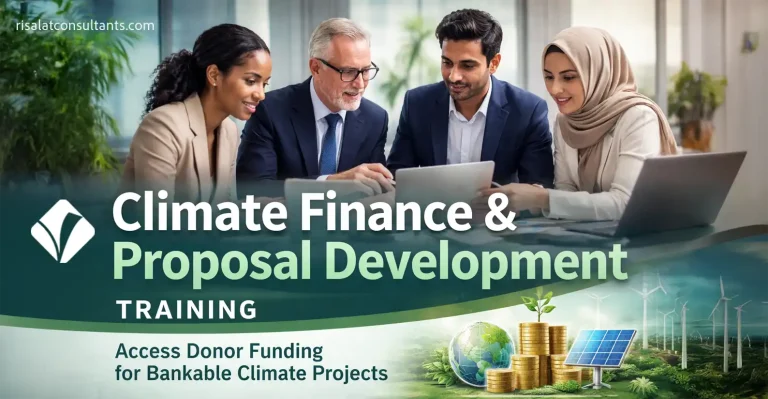
Build practical skills in Climate Finance & Proposal Development to mobilize donor funding, strengthen proposal quality, and design bankable climate projects that advance sustainable…
Transboundary basins provide water for 3 billion people worldwide. Integrated River Basin Management is the most promising vehicle for overcoming imminent water crises. Cooperation…
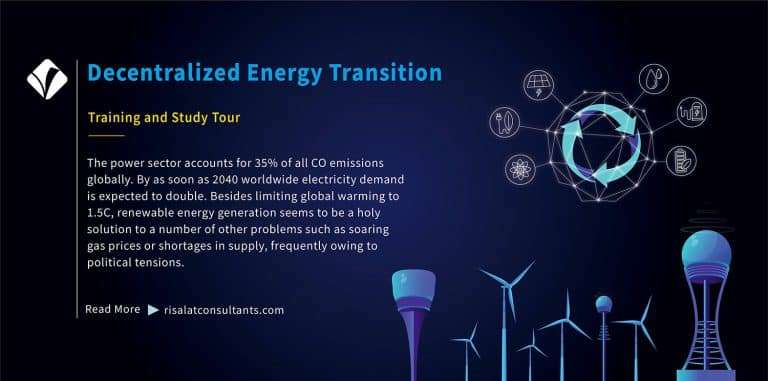
Decentralized energy generation enhances grid flexibility. What’s more, it lays the foundation for a democratic business model in which consumers exercise control over their…
As public and concessional sources are scarce, renewable energy project finance calls for the active engagement of the private sector. RET projects require a…
Approach the most pressing topics of the two crucial sectors of sustainable development: Energy and Water – with up-to-date knowledge, skills, and practical mastery.
Need this for your whole team?
We tailor any programme to your institution, in-house, online or in a city of your choice, with content built around your projects. Payment is by invoice and bank transfer.
We use essential cookies to run this website securely. With your permission we also use cookies for live chat, to understand how the site is used, and to measure our advertising. You can change your choice at any time from “Cookie settings” at the bottom of every page. Privacy and cookie policy
Risalat insights · monthlyPractical ideas for better projects, once a month
New programme dates, free tools and short insights on procurement, safeguards, M&E and public-sector delivery. No spam; unsubscribe any time.
By subscribing you agree to receive our newsletter. Privacy policy