Adolescent Girls Life Skills Delivery and Safe Learning Environments in Kigali
Adolescent girls face multifaceted barriers to completing secondary education, ranging from gender-based violence to the absence of protective learning spaces.
Your choices are remembered on this device. Designed to WCAG 2.2 AA · keyboard: Tab to move, Esc to close. Read our accessibility statement.
Press / to search from any page · Esc to close
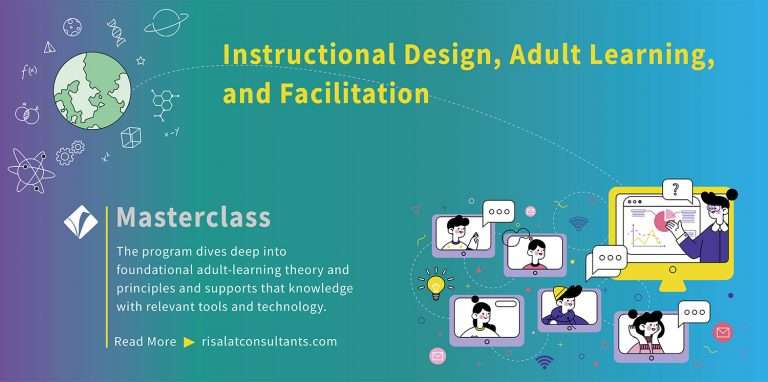
Master the design of creative and immersive learning solutions. From pedagogy to andragogy, engage your learners, tailor the approach, and maximize educational impact.
Education training courses from Risalat Consultants International: 100 open dates in Kigali, Singapore, Almaty and Amman, for governments, international organisations, project teams and companies. Choose a date below, or ask us to run any course in-house.
Adolescent girls face multifaceted barriers to completing secondary education, ranging from gender-based violence to the absence of protective learning spaces.
Primary education authorities face continuous challenges in coordinating capital investments, rationalising workforce distribution, and verifying foundational literacy and numeracy gains.
Secondary education systems are transitioning towards competence-based models to meet the requirements of modern knowledge economies.
Youth unemployment in small island developing states and tourism-dependent economies requires modern, employer-led technical and vocational education and training systems.
Out-of-school children represent a persistent challenge for basic education authorities striving to meet universal access targets.
Secondary education systems across Eastern Africa are rapidly expanding physical infrastructure to improve access to science, technology, engineering, and mathematics education.
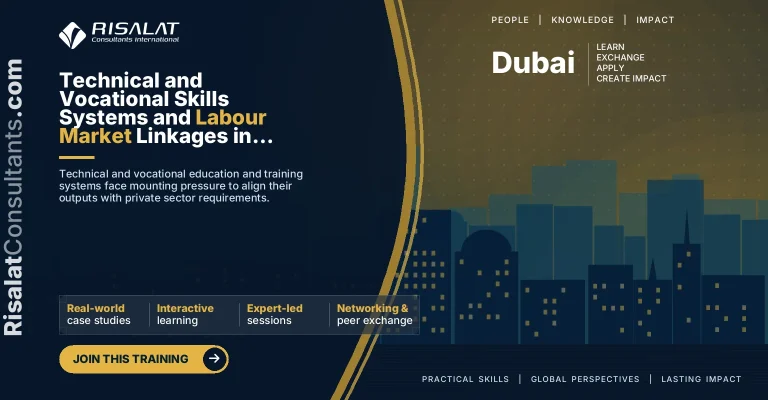
Technical and vocational education and training systems face mounting pressure to align educational outputs with private sector requirements.
The learning journey does not begin or end at formal education.
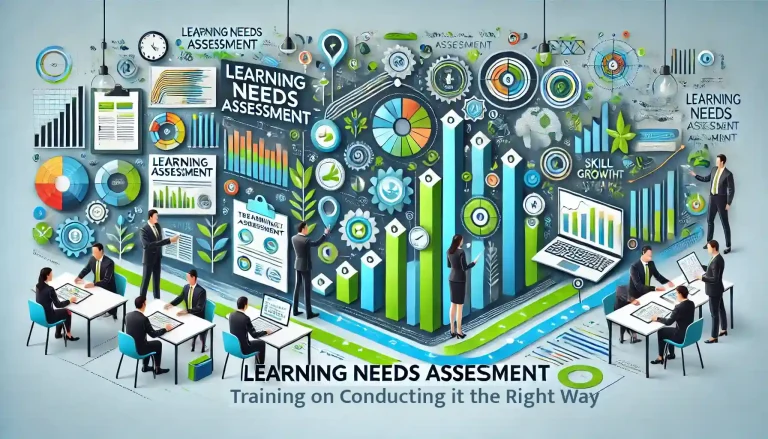
A learning needs assessment is a critical process used to identify gaps in knowledge, skills, and abilities within a group or organization.
High quality early childhood education forms the bedrock of lifelong human capital development and educational achievement.
Tertiary education authorities face mounting pressure to modernize science, technology, engineering, and mathematics education to match industrial growth.
Primary education systems face significant operational hurdles when transitioning from rote instructional models towards structured, competency-based curricula.
School Non-Salary Budget Tracking and Digital Fund Automation is an intensive four-day professional programme in Baku designed to address the operational and governance challenges…
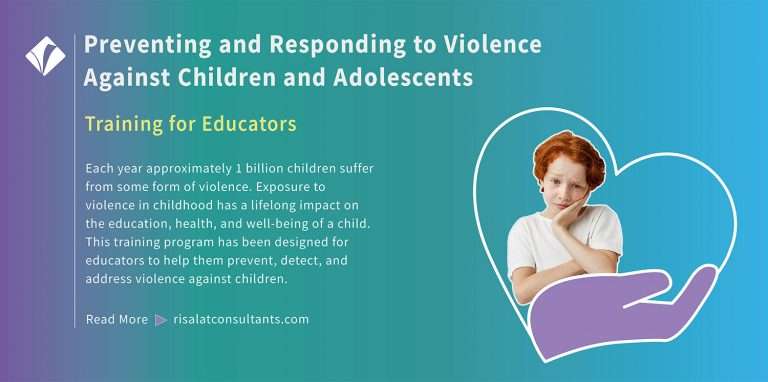
Violence against children is a worldwide concern. It affects nearly 1 billion children each year.
Protracted instability severely disrupts primary schooling, leaving millions of vulnerable children without access to formal classrooms.
School-based mental health and psychosocial support (MHPSS) has become a core requirement for resilient education systems across Eastern Europe and the South Caucasus.
This intensive four-day professional course in Baku equips civil engineers, technical supervisors, and education project managers with the core capabilities required to plan, design,…
Sustaining adolescent girls in school and securing their transition into viable livelihoods requires well-coordinated policy interventions and robust administrative systems.
This four-day professional course in Prague examines the systematic establishment of inclusive education frameworks and early learning quality standards.
Educational systems are undergoing structural transformation as digital infrastructure expands into primary and secondary schools.
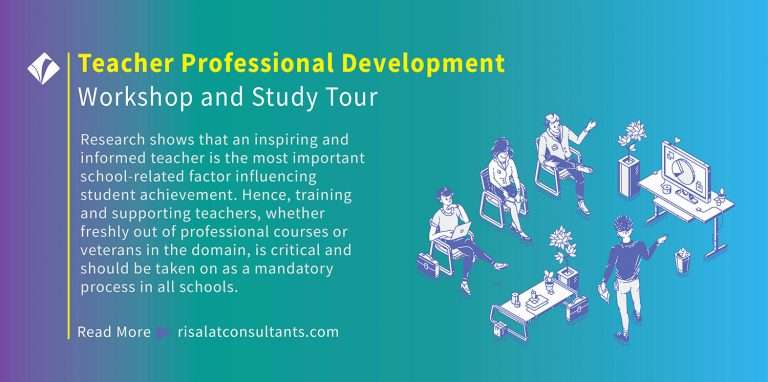
It is an undisputed fact that great teachers help shape great students.
Public sector institutions and donor-funded projects invest substantial resources into human capital development, yet demonstrating tangible returns on these investments remains a persistent challenge.…
Public education authorities face substantial operational challenges in balancing teaching staff allocations across regional networks.
Foundational literacy and numeracy form the baseline of all subsequent human capital development.
Secondary education systems are undergoing comprehensive structural reforms to align science, technology, engineering, and mathematics education with contemporary economic demands.
This intensive four-day professional course equips labour market analysts, public statisticians, and workforce development specialists with the tools needed to model employment trends effectively.…
A learning needs assessment is a critical process used to identify gaps in knowledge, skills, and abilities within a group or organization.
Educational ministries face mounting operational pressures to transition from fragmented paper records to robust digital education management information systems.
Protracted instability and sudden-onset disruptions present complex barriers to secondary education delivery, severely interrupting the academic journeys of adolescent learners.
Displacement crises severely disrupt formal schooling, exposing vulnerable children to protracted educational gaps and protection risks.
This intensive four-day professional training programme addresses the critical nexus between early childhood physical environments and preventative health delivery.
This five-day professional training programme provides public officials with actionable methodologies to improve secondary education retention for adolescent girls.
School Infrastructure Seismic Retrofitting and Disaster Resilience is an intensive four-day professional training programme delivered by Risalat Consultants International in Almaty, Kazakhstan.
Higher education systems are transitioning towards centralised digital infrastructure to support remote instruction, blended pedagogy, and shared institutional research.
Primary education authorities face continuous challenges in translating national learning standards into effective classroom instruction.
Secondary education systems face significant operational challenges in matching curricular expectations with classroom delivery.
This four-day professional programme equips education leaders with technical tools to advance foundational reading outcomes in primary classrooms.
Protracted emergencies severely disrupt physical school environments and instructional delivery, leaving education authorities with the urgent task of restoring core infrastructure while sustaining academic…
This five-day professional training programme delivers rigorous, evidence-based methodologies for bilingual early literacy instruction and assessment.
Educational facilities in the Pacific region face severe and recurrent threats from tropical cyclones, earthquakes, and sea-level hazards.
This programme gives officials and project teams the practical methods of education sector planning and school leadership, built around real cases from public institutions…
Artificial intelligence is transforming education and skills development across the globe.
Higher education institutions face increasing pressure to translate academic research into measurable socioeconomic value.
Decentralised school funding mechanisms are central to modern basic education service delivery across Africa.
Delivering equitable secondary education across geographically dispersed island communities presents severe logistical and instructional hurdles.
School-Based Management, Teacher Mentoring and Learning Assessment offers an intensive operational curriculum for education leaders seeking to turn institutional policy into measurable learning improvements.…
This five-day professional training programme provides higher education leaders, research directors, and fund administrators with advanced frameworks for research grant governance and academic technology…
This intensive four-day professional programme equips education officials with advanced practices in pedagogical supervision, objective school inspection, and structured headteacher coaching.
Decentralised basic education funding requires robust institutional systems to translate national education grants into measurable learning outcomes.
Technical and vocational education and training systems face mounting pressure to align classroom instruction with evolving market demands.
Technical and vocational education systems across the Pacific face the dual imperative of addressing national skills shortages whilst unlocking sustainable overseas employment opportunities.
Work-based learning serves as an indispensable bridge between theoretical education and labour market demand.
Primary education infrastructure requires systematic upkeep to guarantee safe, inclusive, and durable learning environments for children.
Technical and vocational education systems face urgent pressure to align learning outcomes with dynamic labour market demands.
Technical and Vocational Education and Training (TVET) systems face urgent demands to adapt to rapidly evolving labour markets.
Conflict and widespread displacement create severe disruption to basic education systems, placing extraordinary psychological pressure on educators and young learners.
Technical and vocational education and training systems face rapid transformations driven by technological advancement and shifting economic demands.
This five-day professional programme in Amman equips public sector professionals and project specialists with the capabilities required to design, deliver, and evaluate high-impact learning…
Public education authorities across Central Asia face substantial engineering challenges in bringing ageing school infrastructure into alignment with modern safety requirements.
Foundational learning is the bedrock of all future academic attainment and human capital development.
Higher education institutions face increasing pressure to transition from centralised state dependency to autonomous, financially resilient operating models.
This programme gives officials and project teams the practical methods of education sector planning and school leadership, built around real cases from public institutions…
Technical and vocational education systems require systemic updates to bridge the gap between classroom delivery and labour market realities.
Education ministries across the Middle East and North Africa are modernising examinations and pedagogical oversight to align with modern international standards.
This four-day professional programme in Seoul equips practitioners to integrate socioemotional learning with rural enterprise development.
Technical and vocational education and training systems face mounting pressure to align educational outputs with private sector requirements.
Secondary education systems face significant operational demands to ensure school leavers possess relevant foundational, scientific, and technical capabilities.
Foundational literacy and numeracy form the baseline of all subsequent educational achievement.
Early childhood development demands an integrated, cross-sectoral operational model linking healthcare, public education, and social protection systems.
Technical and vocational education and training systems face mounting pressure to align their outputs with private sector requirements.
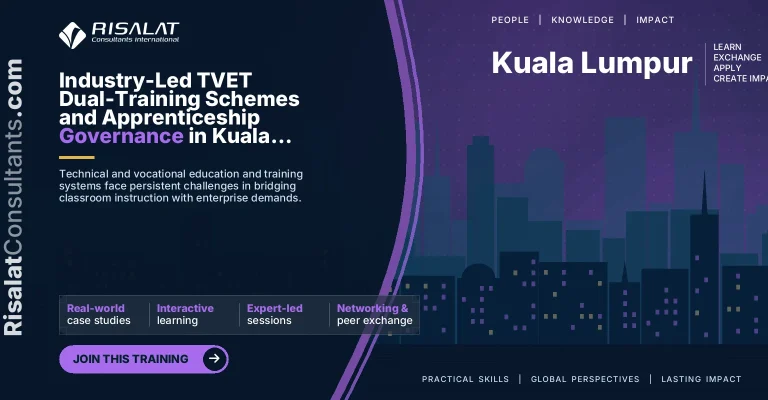
Technical and vocational education and training systems face persistent challenges in bridging classroom instruction with enterprise demands.
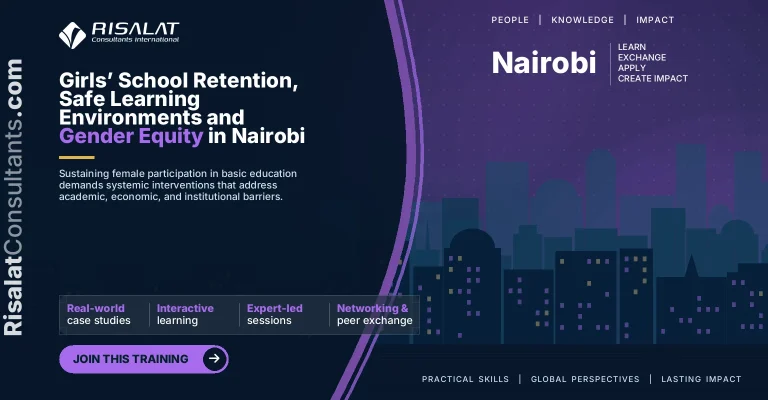
Sustaining female participation in basic education demands systemic interventions that address academic, economic, and institutional barriers.
Public sector institutions and project implementation units face expanding demands to modernise civil service capacity through structured, scalable learning.
Early childhood education forms the bedrock of lifelong learning, social cohesion, and national human capital development.
Secondary education systems face significant operational pressures in balancing equitable teacher allocation with robust learning recovery mechanisms.
Effective delivery of basic education requires rigorous oversight, structured quality assurance, and robust human resource administration.
Secondary education systems across Eastern Africa face urgent demands to modernise scientific and technical learning spaces while addressing systemic barriers affecting female learners.
Education systems across Central Asia are actively transitioning from knowledge-transmission models towards competency-based teaching and learning.
Conflict, forced displacement, and systemic instability severely compromise teaching and learning environments.
Youth employment programmes across Sub-Saharan Africa increasingly rely on demand-driven workplace learning and technology-enabled job matching.
Early childhood stunting and chronic undernutrition undermine human capital formation and long-term economic resilience.
Technical and Vocational Education and Training (TVET) systems face urgent demands to align training provision with evolving labour market needs.
Educational infrastructure across hazard-prone regions faces severe risks from high-magnitude earthquakes and extreme wind loads.
Early childhood development forms the critical cornerstone of long-term human capital formation, socio-economic resilience, and equitable educational outcomes.
School infrastructure plays a fundamental role in safeguarding student safety, fostering learning equity, and supporting educational continuity.
This four-day executive programme in Istanbul provides higher education leaders with operational tools to bridge academic inquiry and market needs.
Secondary education systems face urgent pressure to equip learners with analytical, scientific, and digital problem-solving capabilities.
A learning needs assessment is a critical process used to identify gaps in knowledge, skills, and abilities within a group or organization.
This five-day professional training programme provides public sector education specialists and project implementation teams with practical knowledge on deploying education data architectures alongside decentralised…
Primary education systems across sub-Saharan Africa face significant challenges in securing foundational literacy and numeracy for all young learners.
Technical and vocational education and training systems face persistent challenges in matching institutional outputs with labour market demands.
This programme gives officials and project teams the practical methods of education sector planning and school leadership, built around real cases from public institutions…
Technical and vocational education systems face urgent pressure to adapt to technology-driven labour markets.
Technical and vocational education and training institutions require specialised operational governance to deliver industry-relevant skills.
Delivering equitable, high-quality education across dispersed island geographies presents acute operational and pedagogical hurdles for public education authorities.
This programme gives officials and project teams the practical methods of education sector planning and school leadership, built around real cases from public institutions…
Multi-sectoral stunting reduction demands unified planning across primary health care, water and sanitation, and early childhood care.
Teacher Incentive Stipend Administration and Attendance Verification provides education sector authorities and programme delivery units with practical operational tools to manage recurrent performance stipends.…
Primary education authorities face continuous pressure to modernise foundational learning through digital innovation.
Early childhood education forms the bedrock of lifelong learning, cognitive development, and human capital formation.
Try another month or city, or ask us to run this programme on dates that suit you.
Request your datesRisalat has 100 open Education courses in 38 cities (Kigali, Singapore, Almaty, Amman, Kuala Lumpur and Dubai and others), from 11 Jan 2027 to 15 Nov 2027. A typical course lasts 4 days. Fees start at £2,350 per participant.
Subjects covered most often: Education and skills, Audit and internal control, Human resources and payroll, Data, AI and analytics and Health systems.
The courses are written for governments, public agencies, teams running donor-financed projects and companies. Sessions combine short inputs, case studies and group work on participants' own files.
Ranked by how often the subject has run in this field and by registrations.
Risalat also advises institutions on these subjects:
Free tools to prepare before a course:
Looking for a short course, a training programme or a capacity-building programme in Education? The 100 open programmes on this page are for government officials, project teams of donor-financed projects, NGOs and private sector professionals, and each can run in-house for one organisation.
There are 100 upcoming Education courses in Kigali, Singapore, Almaty, Amman, Kuala Lumpur and Dubai, starting between 11 Jan 2027 and 15 Nov 2027.
Fees for the upcoming courses range from £2,350 to £3,950 per participant. Each programme page shows its own fee. Payment is by invoice and bank transfer.
The next one is Adolescent Girls Life Skills Delivery and Safe Learning Environments in Kigali, 11-14 Jan 2027 in Kigali (4 days). Registration closes on 2 Dec 2026.
Upcoming dates are in Kigali, Singapore, Almaty, Amman, Kuala Lumpur, Dubai, Tbilisi and Bangkok. Teams from any country can join, and the course can also be delivered in your own country or online.
Yes. Any Risalat programme can be delivered in-house for one institution, in your own country or online, on dates that suit your team and adapted to your own documents. Request a proposal.
It depends on your passport: the free Visa Check shows the visa type, processing time and documents for the host country. Registered participants can request an invitation letter: self-funded participants receive it after full payment, sponsored participants on receipt of an official nomination letter and a payment commitment. Embassies can check the letter online.
Yes. Participants receive a Risalat certificate with its own code and QR code, which anyone can check online at risalatconsultants.com/verify.
You qualify for the discount if you register as a group. See the discount plans and cancellation policy.
Open courses are delivered in English. If your team needs another language, say so when you request an in-house proposal.
Yes. Any programme can run as a dedicated course for one organisation or a group of partner agencies: in your country, in a city you choose in your region, or online. The content is adapted to your institutions, rules and current projects.
Officials and staff of ministries, agencies, project units and humanitarian and development organisations who do this work. A short needs assessment before the course sets the level for your group.
Most open programmes run for five days, Monday to Friday; each programme page gives its own dates. A dedicated course is planned around your group: length, cohort size and the mix of sessions, simulations and field visits are agreed with you.
Each participant receives a Certificate of Completion, the training manual and practical tools and templates to use at work, and post-training follow-up.
Each programme page lists exactly what the fee covers. For a dedicated course we send an itemised quotation that separates tuition from logistics (venue, meals, accommodation, transfers). Payment is by invoice and bank transfer.
Registration and payment close at least 40 days before a programme starts, which leaves time for official invitation letters, visas and travel. For a dedicated course, contact us as early as you can so dates and venue can be secured.
We tailor any programme to your institution, in-house, online or in a city of your choice, with content built around your projects. Payment is by invoice and bank transfer.
Essential cookies keep this site secure. With your permission we also use analytics and advertising cookies. Cookie policy
Google Analytics counts visits: in the EU, the UK and Switzerland only after you accept, elsewhere unless you reject it. You can change your choice at any time from “Cookie settings” at the bottom of every page.
The Risalat Brief: one short report a week on a real delivery problem in procurement, safeguards, M&E or public finance, its causes and what works. No adverts; unsubscribe any time.
By subscribing you agree to receive our newsletter. Privacy policyMost questions (dates, fees, visas, registration, invoices) are answered fastest in our website chat, which also keeps a record for your team. For anything else, email info@risalatconsultants.com.
Still urgent?
Please do not send documents or payment details by WhatsApp.