Infrastructure, Planning, and Development Training Programmes
A unique assortment of programmes to help you build strong capacity for infrastructure planning and coordination and serve both new and existing development.
Infrastructure, Planning, and Development training programmes from Risalat Consultants International are practical, expert-led courses for governments, international organisations and companies. Choose a date and city below, or ask us to run any programme in-house for your team.
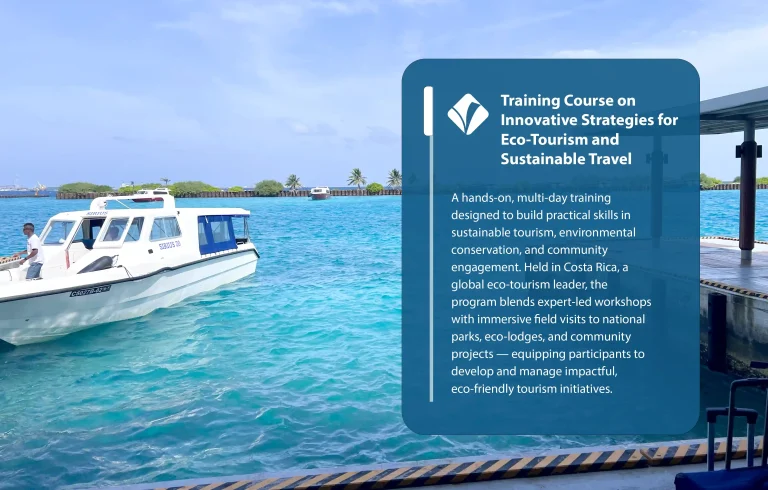
Participate in this eco-tourism training programme to build practical skills in sustainable and responsible travel. The course provides participants with knowledge and tools to…
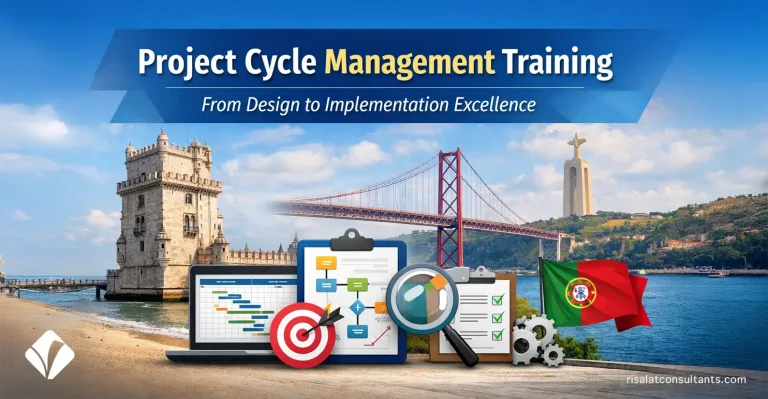
Project Cycle Management (PCM) provides structured tools and methodologies to define tasks, roles, and responsibilities across the entire project lifecycle. Delivering intended outcomes without…
Participatory Land Use and Environmental Planning workshop offers its attendees a unique opportunity to go beyond the traditional “participatory” dimension of planning by broadening…
Rural connectivity is a critical pathway to poverty alleviation, serving as the basis for inclusive socioeconomic growth. However, as rural areas frequently host fragile…
Strengthen your expertise in World Bank procurement planning, bidding, equipment, works procurement, contract management, and World Bank procurement procedures through executive international training.
Gender Transformative Climate Change Adaptation is essential for achieving the Sustainable Development Goals. While climate change affects everyone, its impacts are not equal, it…
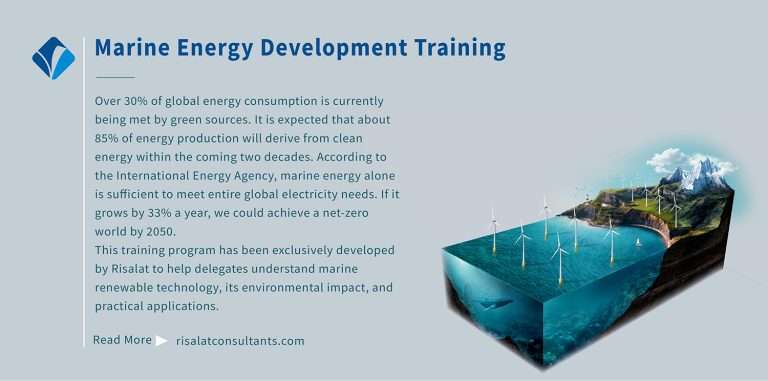
This specialized Marine Energy Development Training equips participants with practical understanding of marine energy technologies, environmental considerations, and real-world applications. Through technical insights and…
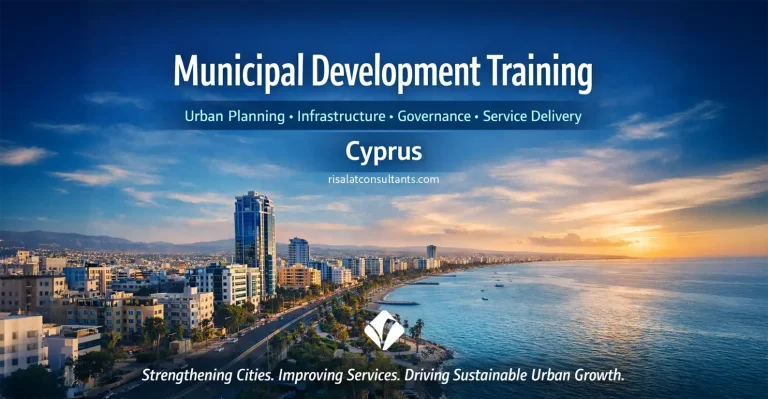
Municipal Development Training in Cyprus designed to strengthen urban planning, municipal governance, infrastructure management, and sustainable city development practices for public sector professionals and…
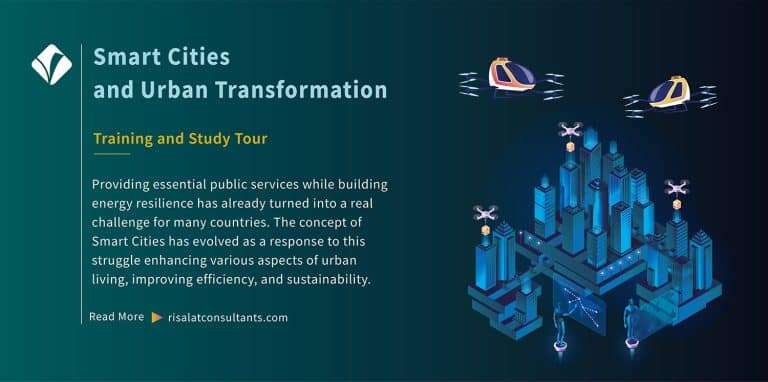
Providing essential public services while building energy resilience has already turned into a real challenge for many countries. The concept of Smart Cities has…
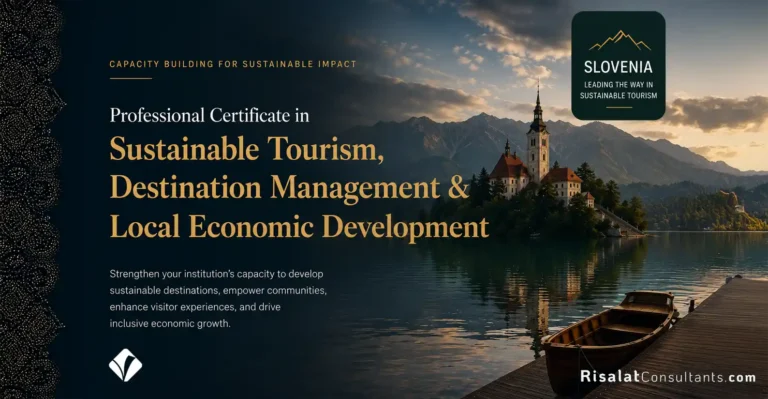
Strengthen your expertise in sustainable tourism, destination management, community-based tourism, creative economy, climate resilience, smart tourism, and local economic development through this executive international…
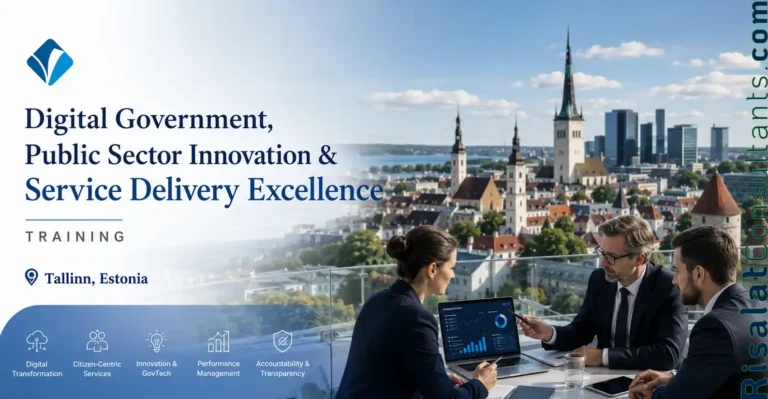
Digital Government, Public Sector Innovation & Service Delivery Excellence Training equips government professionals with practical strategies for digital transformation, citizen-centric service delivery, public sector…
Professional training on urban infrastructure planning and management, focused on sustainable development, governance, resilience, and integrated city systems.
Build practical skills in Climate Finance & Proposal Development to mobilize donor funding, strengthen proposal quality, and design bankable climate projects that advance sustainable…
Logistics Management Training equips professionals with practical tools to improve transportation planning, customs compliance, import-export coordination, freight operations, and supply chain performance across public…
Municipal Governance Training in Vienna equips public-sector professionals, municipalities, urban authorities, and development practitioners with practical tools to strengthen local governance systems, improve public…
Road networks play a critical role in economic development and regional connectivity, facilitating trade, mobility, and access to employment opportunities while supporting industrial growth,…
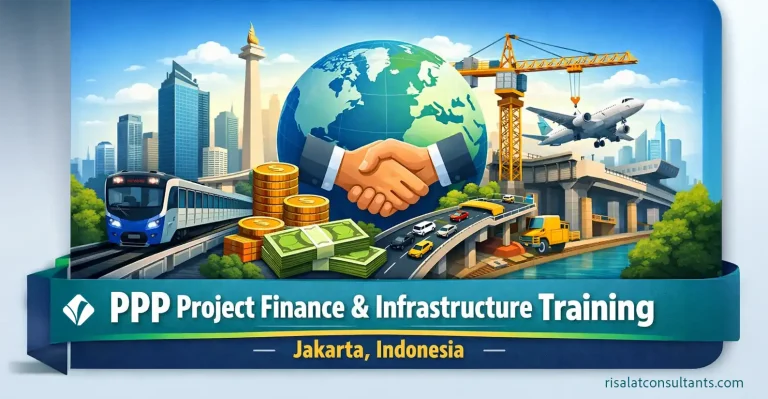
This intensive short-term training covers the evolution of Public-Private Partnerships (PPPs) and delivers practical skills in risk management, project finance structures, funding sources, documentation,…
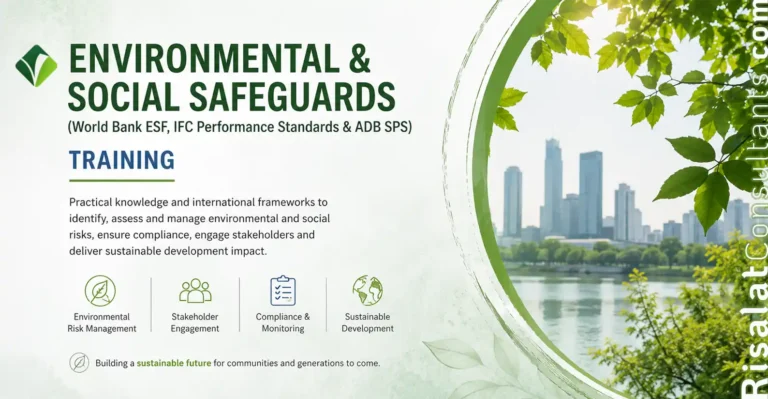
Safeguards Policies are indispensable instruments while attempting to intercept unmerited harm to the community and the surrounding environment throughout the development process.
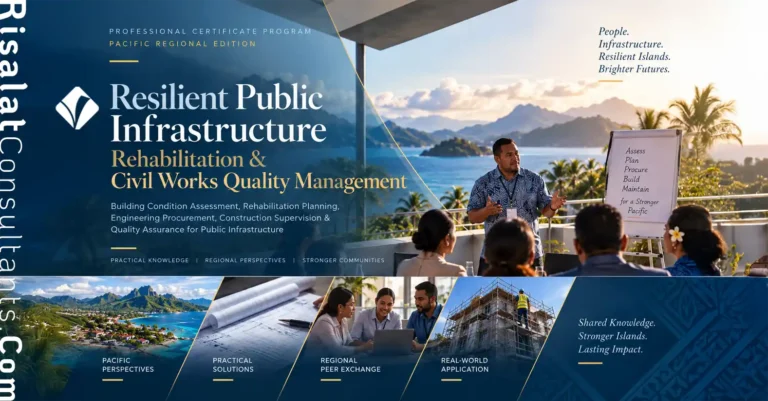
This Public Infrastructure Rehabilitation Training provides a practical framework for building condition assessment, rehabilitation planning, climate-resilient design, engineering procurement, construction supervision and QA/QC. Designed…
About Infrastructure, Planning, and Development programmes
A unique assortment of programmes to help you build strong capacity for infrastructure planning and coordination and serve both new and existing development.
Need this for your whole team?
We tailor any programme to your institution, in-house, online or in a city of your choice, with content built around your projects. Payment is by invoice and bank transfer.
We use essential cookies to run this website securely. With your permission we also use cookies for live chat, to understand how the site is used, and to measure our advertising. You can change your choice at any time from “Cookie settings” at the bottom of every page. Privacy and cookie policy
Risalat insights · monthlyPractical ideas for better projects, once a month
New programme dates, free tools and short insights on procurement, safeguards, M&E and public-sector delivery. No spam; unsubscribe any time.
By subscribing you agree to receive our newsletter. Privacy policy