Key facts
- Dates
- 15–19 Feb 2027 (5 days)
- Where
- Rosedale Hotel & Suites, Guangzhou, China
- Fee per participant
- £3,850 (GBP)
- Payment
- By invoice and bank transfer
- Registration closes
- 27 Dec 2026
- Format
- 5-day short course: a practical capacity-building programme for government, NGO and project teams in Guangzhou
- In-house option
- Run it for your team, on your dates
On this page 12 sections
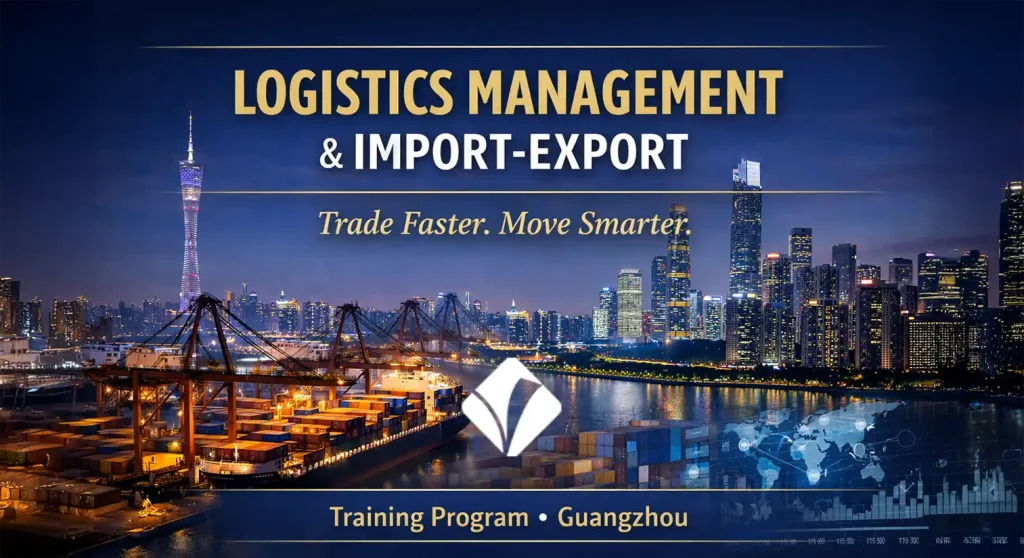
Logistics Management, Transportation and Import-Export Operations Training in China
Programme Overview
Logistics Management, Transportation and Import-Export Operations Training focuses on strengthening the capacity of organisations, government institutions, customs authorities, and trade-related agencies to manage efficient logistics systems, transportation networks, and international import-export operations across complex supply chains. Across public and private sectors, logistics inefficiencies, weak transportation planning, customs delays, and poor import-export coordination can lead to increased costs, operational disruptions, delayed deliveries, and reduced trade competitiveness. Many institutions face challenges in supply chain visibility, trade compliance, freight coordination, customs procedures, and risk management across domestic and international logistics operations.
Free self-check: the procurement maturity assessment gives 30 questions on planning, tendering, contract management, integrity and e-procurement, with a score per area, in about 10 minutes.
This programme addresses these challenges by equipping participants with practical tools, internationally aligned frameworks, and strategic approaches to logistics planning, transportation management, customs operations, trade facilitation, and import-export compliance. It integrates best practices used in supply chain optimisation, port operations, freight management, and global trade systems, including approaches applied in Logistics and Supply Chain Management programmes.
Participants will gain hands-on experience in transportation planning, warehouse coordination, customs documentation, import-export procedures, freight operations, supplier coordination, and logistics performance monitoring, including practical approaches applied in Supply Chain Management Workshop in Almaty to improve operational efficiency and supply chain resilience. Strong logistics and trade systems are essential for economic growth, supply chain resilience, trade competitiveness, and successful project implementation across national and international markets.
The programme strengthens institutional capability in:
- Logistics planning and transportation systems management
- Import-export coordination and international trade compliance
- Freight operations and carrier coordination
- Warehouse, inventory, and distribution management
- Port operations, cargo handling, and trade facilitation
- Supply chain risk management and disruption mitigation
- Customs procedures, tariffs, and border management
Why this matters now
Operational and Institutional Challenges
- Logistics inefficiencies and weak transportation planning resulting in increased operational costs and delayed deliveries
- Customs delays, complex clearance procedures, and regulatory compliance risks
- Limited supply chain visibility, freight coordination issues, and disruption vulnerabilities
- Weak integration of transportation planning and logistics operations with institutional strategy
Strategic and Economic Drivers
- Growing necessity for supply chain resilience and trade competitiveness across national and international markets
- Adoption of modern customs governance, trade facilitation, and border control standards
- Need for enhanced freight planning, route optimisation, and sustainable transport practices
- Requirements for robust compliance, anti-fraud measures, and risk mitigation in global trade
Who Should Attend
This programme is designed for:
- Logistics and supply chain managers
- Import-export officers and coordinators
- Customs and border management officials
- Port and terminal operations professionals
- Procurement and contract management teams
- Government and public sector officials
- Trade facilitation and transport authorities
- Warehouse and distribution managers
- Development partners and donor-funded project staff
- Consultants working on logistics and trade systems
Tick what your team needs to be able to do.
Programme Objectives
By the end of this programme participants will be able to:
- Strengthen logistics planning and transportation systems
- Improve import-export coordination and customs compliance
- Manage freight operations and supplier relationships effectively
- Optimise warehouse, inventory, and distribution systems
- Understand international trade procedures and documentation
- Improve port operations and transportation efficiency
- Strengthen supply chain visibility and risk management
- Align logistics operations with institutional and trade objectives
- Improve compliance with customs regulations and trade standards
- Develop practical action plans for logistics and trade performance improvement
Training Structure & Contents
- Principles of logistics management and transportation systems
- Supply chain structures and operational flows
- Global trade systems and import-export operations
- Trade facilitation and customs management principles
- Stakeholder roles across logistics and transportation networks
- Exercise: Mapping logistics and trade operations
- Transportation modes and route optimisation
- Freight planning, scheduling, and carrier coordination
- Cost control and transportation efficiency, incorporating clean transport and urban sustainability approaches
- Port operations and cargo handling systems
- Contractual responsibilities in freight and logistics services
- Application of advanced logistics and supply chain frameworks used in high-volume operations
- Workshop: Transportation planning and freight coordination
- Import-export regulations and international trade compliance
- Customs documentation and clearance procedures
- Tariffs, duties, and trade agreements
- Border controls and customs risk management
- Managing supplier and shipment documentation
- Effective procurement and contract coordination to reduce operational delays
- Case Study: Customs delay and corrective action planning
- Warehouse operations and inventory optimisation
- Distribution planning and last-mile delivery systems
- Logistics risk identification and mitigation
- Supply chain disruptions and contingency planning, including humanitarian logistics and emergency response approaches
- Compliance, governance, and anti-fraud measures in logistics operations
- Governance, visibility, and performance monitoring for operational continuity
- Simulation: Supply chain disruption response scenario
- Building logistics performance management systems
- Integrating transportation planning with organizational strategy
- Strengthening customs compliance and trade governance
- Linking logistics operations with institutional outcomes
- Developing sustainable logistics and trade improvement plans
- Effective logistics governance and operational oversight within decision-making systems
- Capstone Exercise: Institutional logistics improvement strategy
Full day-by-day contents
First Day | Foundations of Logistics and Trade Operations
- Principles of logistics management and transportation systems
- Supply chain structures and operational flows
- Global trade systems and import-export operations
- Trade facilitation and customs management principles
- Stakeholder roles across logistics and transportation networks
- Exercise: Mapping logistics and trade operations
Second Day | Transportation Planning and Freight Management
- Transportation modes and route optimisation
- Freight planning, scheduling, and carrier coordination
- Cost control and transportation efficiency, incorporating clean transport and urban sustainability approaches
- Port operations and cargo handling systems
- Contractual responsibilities in freight and logistics services
- Application of advanced logistics and supply chain frameworks used in high-volume operations
- Workshop: Transportation planning and freight coordination
Third Day | Import-Export Procedures and Customs Compliance
- Import-export regulations and international trade compliance
- Customs documentation and clearance procedures
- Tariffs, duties, and trade agreements
- Border controls and customs risk management
- Managing supplier and shipment documentation
- Effective procurement and contract coordination to reduce operational delays
- Case Study: Customs delay and corrective action planning
Fourth Day | Warehouse, Distribution and Risk Management
- Warehouse operations and inventory optimisation
- Distribution planning and last-mile delivery systems
- Logistics risk identification and mitigation
- Supply chain disruptions and contingency planning, including humanitarian logistics and emergency response approaches
- Compliance, governance, and anti-fraud measures in logistics operations
- Governance, visibility, and performance monitoring for operational continuity
- Simulation: Supply chain disruption response scenario
Fifth Day | Institutional Strengthening and Strategic Integration
- Building logistics performance management systems
- Integrating transportation planning with organizational strategy
- Strengthening customs compliance and trade governance
- Linking logistics operations with institutional outcomes
- Developing sustainable logistics and trade improvement plans
- Effective logistics governance and operational oversight within decision-making systems
- Capstone Exercise: Institutional logistics improvement strategy
Training Methodology
This Logistics Management, Transportation and Import-Export Operations Training uses an applied, practice-oriented methodology combining expert-led sessions, real-world case studies, simulations, and interactive workshops. Participants will engage in hands-on exercises focused on transportation planning, customs procedures, freight coordination, warehouse operations, and logistics risk management to ensure direct application within their organisations.
- Case studies from real logistics and trade operations
- Practical exercises and simulations
- Customs compliance and documentation workshops
- Freight and transportation planning exercises
- Group discussions and peer learning
- Institutional logistics action planning sessions
Expected Outcomes
- Improve transportation planning and logistics coordination
- Strengthen customs compliance and trade facilitation systems
- Reduce delays, operational risks, and supply chain disruptions
- Improve warehouse efficiency and distribution performance
- Strengthen procurement and supplier coordination
- Enhance institutional governance and trade accountability
- Support successful implementation of national and international logistics programmes
£3,850 per participant · invoice and bank transfer · groups of 5 or more receive a discount
Five or more from one organisation: ask for the group rate on the invoice request.
Ten or more: an in-house version for your institution may cost less per person. Ask for an in-house quote.
Registration closes in 29 days (27 Dec 2026)
Regional Relevance & Application
Logistics inefficiencies, customs bottlenecks, and transportation challenges continue to affect trade operations, infrastructure projects, and donor-funded development programmes across rapidly growing regions where supply chain systems and institutional controls are evolving. This training is highly relevant for professionals working in:
- Africa, where trade corridors, ports, and customs modernisation require stronger logistics oversight and transport coordination
- South Asia, where expanding industrial production and import-export growth increase pressure on logistics systems and customs operations
- Southeast Asia, where major trade hubs and regional integration demand stronger freight management and transportation efficiency
- Middle East, where strategic logistics hubs and infrastructure investments require advanced supply chain governance and trade compliance systems
Across these regions, institutions face increasing pressure to improve efficiency, strengthen customs governance, and ensure compliance with international trade standards set by development partners and regulatory bodies. This programme equips participants with practical tools and globally aligned methodologies to improve logistics systems, manage transportation risks effectively, and strengthen institutional performance across complex trade environments.
Host Country Profile
Guangzhou provides a highly strategic and practical environment for logistics management and import-export operations training, supported by its position as one of Asia’s leading trade, manufacturing, and supply chain hubs. As a major centre for port operations, international trade, customs activity, and industrial logistics, Guangzhou offers valuable exposure to real-world transportation systems, warehouse operations, freight management, and cross-border trade processes. Its strong connection to global supply chains makes it a highly relevant destination for executive and government-focused professional training.
Guangzhou is internationally recognised through major trade platforms such as the Canton Fair, reinforcing its role as a gateway for import-export operations and international business connectivity across Asia and beyond. China’s emphasis on customs modernisation, trade facilitation, and supply chain efficiency aligns closely with global efforts to strengthen logistics performance and international trade competitiveness, supported by institutions such as the Port of Guangzhou, the official Guangzhou International Government Portal, and the General Administration of Customs of China, which play key roles in advancing international trade systems, customs governance, and logistics efficiency.
Hosting this programme in Guangzhou allows participants to gain practical insights into global best practices in transportation planning, customs compliance, logistics governance, and import-export operations while benefiting from direct exposure to one of the region’s most active trade ecosystems.
Who Will Deliver This Programme
Each date is delivered by a team assigned from Risalat's expert network for this subject. For this programme we assign:
How we choose them: Experience in the region of the participants or comparable settings; Command of the financier rules that apply (World Bank, ADB, AfDB, EU, UN) where relevant; Delivery in English; other languages on request for in-house groups; No conflict of interest with participants' institutions.
Course Deliverables
Before the Programme
- Participant Pre-Assessment aligned with logistics and trade systems
Training courses in GuangzhouProcurement, Supply Chain & Logistics training courses
Why Guangzhou for this programme
Guangzhou is a major commercial and administrative hub in southern China with extensive transport infrastructure. Visiting officials can examine large-scale transport networks, the Canton Fair complex, and urban planning initiatives across the Pearl River Delta. The city is straightforward to reach internationally through its major airport and high-speed rail connections.
The Logistics Management, Transportation and Import-Export Operations Training in China programme in February 2027 brings together officials and professionals from across the Asia region and beyond. Sessions combine short inputs, case studies and group work on participants' own files, and the city's institutions can be added as a study visit on request.
Getting there: Guangzhou Baiyun International Airport (CAN).
Check whether you need a visa with the free Visa Checker, and ask for an invitation letter once you are registered.
The same topic in other cities
Questions before you nominate your team? Book a 30-minute call with us, or ask for this programme in-house.
- Open Contracting Partnership Open Contracting Partnership
- OECD (Organisation for Economic Co-operation and Development) OECD
Is there supply chain and logistics training for government officials in Guangzhou in February 2027?
Can "Logistics Management, Transportation and Import-Export Operations Training in China" be delivered in-house for one organisation?
Which other supply chain and logistics programmes does Risalat run?
How do organisations register and pay?
For teams and institutions
Bring your team
Teams that learn together apply more at work. Tell us how many people and how you would like to take part: we reply with a group quote within two working days.
Watch: this programme in short


Other dates and cities for this subject: Infrastructure, Roads and Transport Projects training courses (162 upcoming dates).
More training courses in China · All programmes in Asia · Full training calendar
Plan this programme in a roadmap: why it matters, why to approve it, the dates to plan and the career it builds.