关键信息
- 日期
- 2027年2月15–19日(5天)
- 地点
- Rosedale Hotel & Suites, Guangzhou, China
- 每位学员费用
- £3,850(英镑)
- 付款
- 通过发票和银行转账付款
- 报名截止
- 2026年12月27日
- 形式
- 5-day short course: a practical capacity-building programme for government, NGO and project teams in Guangzhou
- 内训选项
- 按您的日期,为您的团队专场举办
本页内容12个部分
中国物流管理、运输与进出口业务培训
培训项目概述
Logistics Management, Transportation and Import-Export Operations Training focuses on strengthening the capacity of organisations, government institutions, customs authorities, and trade-related agencies to manage efficient logistics systems, transportation networks, and international import-export operations across complex supply chains. Across public and private sectors, logistics inefficiencies, weak transportation planning, customs delays, and poor import-export coordination can lead to increased costs, operational disruptions, delayed deliveries, and reduced trade competitiveness. Many institutions face challenges in supply chain visibility, trade compliance, freight coordination, customs procedures, and risk management across domestic and international logistics operations.
Free self-check: the procurement maturity assessment gives 30 questions on planning, tendering, contract management, integrity and e-procurement, with a score per area, in about 10 minutes.
本课程通过为学员配备实用工具、国际化对齐的框架以及针对物流规划、运输管理、海关业务、贸易便利化和进出口合规的战略方法,来应对这些挑战。它融合了供应链优化、港口运营、货运管理和全球贸易系统中使用的最佳实践,包括在物流与供应链管理课程中应用的方法。
Participants will gain hands-on experience in transportation planning, warehouse coordination, customs documentation, import-export procedures, freight operations, supplier coordination, and logistics performance monitoring, including practical approaches applied in Supply Chain Management Workshop in Almaty to improve operational efficiency and supply chain resilience. Strong logistics and trade systems are essential for economic growth, supply chain resilience, trade competitiveness, and successful project implementation across national and international markets.
本培训项目可在以下方面加强机构能力:
- Logistics planning and transportation systems management
- Import-export coordination and international trade compliance
- Freight operations and carrier coordination
- Warehouse, inventory, and distribution management
- Port operations, cargo handling, and trade facilitation
- Supply chain risk management and disruption mitigation
- Customs procedures, tariffs, and border management
Why this matters now
Operational and Institutional Challenges
- Logistics inefficiencies and weak transportation planning resulting in increased operational costs and delayed deliveries
- Customs delays, complex clearance procedures, and regulatory compliance risks
- Limited supply chain visibility, freight coordination issues, and disruption vulnerabilities
- 交通规划和物流运营与机构战略的融合度较弱
Strategic and Economic Drivers
- 国家和国际市场对供应链韧性和贸易竞争力的需求日益增长
- Adoption of modern customs governance, trade facilitation, and border control standards
- Need for enhanced freight planning, route optimisation, and sustainable transport practices
- Requirements for robust compliance, anti-fraud measures, and risk mitigation in global trade
哪些人员应参加
本培训项目适合:
- Logistics and supply chain managers
- Import-export officers and coordinators
- Customs and border management officials
- 港口和码头运营专业人员
- Procurement and contract management teams
- 政府及公共部门官员
- Trade facilitation and transport authorities
- Warehouse and distribution managers
- 发展合作伙伴及捐助方资助项目工作人员
- Consultants working on logistics and trade systems
勾选您的团队需要具备的能力。
培训项目目标
完成本培训项目后,学员将能够:
- Strengthen logistics planning and transportation systems
- Improve import-export coordination and customs compliance
- 有效管理货运业务与供应商关系
- 优化仓库、库存和分销系统
- Understand international trade procedures and documentation
- Improve port operations and transportation efficiency
- Strengthen supply chain visibility and risk management
- Align logistics operations with institutional and trade objectives
- Improve compliance with customs regulations and trade standards
- Develop practical action plans for logistics and trade performance improvement
Training Structure & Contents
- 物流管理与运输系统原理
- Supply chain structures and operational flows
- Global trade systems and import-export operations
- Trade facilitation and customs management principles
- Stakeholder roles across logistics and transportation networks
- 练习:绘制物流和贸易运营图
- Transportation modes and route optimisation
- Freight planning, scheduling, and carrier coordination
- Cost control and transportation efficiency, incorporating clean transport and urban sustainability approaches
- Port operations and cargo handling systems
- Contractual responsibilities in freight and logistics services
- Application of advanced logistics and supply chain frameworks used in high-volume operations
- Workshop: Transportation planning and freight coordination
- Import-export regulations and international trade compliance
- Customs documentation and clearance procedures
- 关税、税费和贸易协定
- Border controls and customs risk management
- Managing supplier and shipment documentation
- Effective procurement and contract coordination to reduce operational delays
- Case Study: Customs delay and corrective action planning
- Warehouse operations and inventory optimisation
- Distribution planning and last-mile delivery systems
- 物流风险识别与缓解
- Supply chain disruptions and contingency planning, including humanitarian logistics and emergency response approaches
- Compliance, governance, and anti-fraud measures in logistics operations
- Governance, visibility, and performance monitoring for operational continuity
- Simulation: Supply chain disruption response scenario
- Building logistics performance management systems
- Integrating transportation planning with organizational strategy
- Strengthening customs compliance and trade governance
- Linking logistics operations with institutional outcomes
- 制定可持续物流和贸易改进计划
- Effective logistics governance and operational oversight within decision-making systems
- Capstone Exercise: Institutional logistics improvement strategy
完整的每日课程内容
First Day | Foundations of Logistics and Trade Operations
- 物流管理与运输系统原理
- Supply chain structures and operational flows
- Global trade systems and import-export operations
- Trade facilitation and customs management principles
- Stakeholder roles across logistics and transportation networks
- 练习:绘制物流和贸易运营图
Second Day | Transportation Planning and Freight Management
- Transportation modes and route optimisation
- Freight planning, scheduling, and carrier coordination
- Cost control and transportation efficiency, incorporating clean transport and urban sustainability approaches
- Port operations and cargo handling systems
- Contractual responsibilities in freight and logistics services
- Application of advanced logistics and supply chain frameworks used in high-volume operations
- Workshop: Transportation planning and freight coordination
Third Day | Import-Export Procedures and Customs Compliance
- Import-export regulations and international trade compliance
- Customs documentation and clearance procedures
- 关税、税费和贸易协定
- Border controls and customs risk management
- Managing supplier and shipment documentation
- Effective procurement and contract coordination to reduce operational delays
- Case Study: Customs delay and corrective action planning
Fourth Day | Warehouse, Distribution and Risk Management
- Warehouse operations and inventory optimisation
- Distribution planning and last-mile delivery systems
- 物流风险识别与缓解
- Supply chain disruptions and contingency planning, including humanitarian logistics and emergency response approaches
- Compliance, governance, and anti-fraud measures in logistics operations
- Governance, visibility, and performance monitoring for operational continuity
- Simulation: Supply chain disruption response scenario
第五天 | 机构强化与战略整合
- Building logistics performance management systems
- Integrating transportation planning with organizational strategy
- Strengthening customs compliance and trade governance
- Linking logistics operations with institutional outcomes
- 制定可持续物流和贸易改进计划
- Effective logistics governance and operational oversight within decision-making systems
- Capstone Exercise: Institutional logistics improvement strategy
培训方法
This Logistics Management, Transportation and Import-Export Operations Training uses an applied, practice-oriented methodology combining expert-led sessions, real-world case studies, simulations, and interactive workshops. Participants will engage in hands-on exercises focused on transportation planning, customs procedures, freight coordination, warehouse operations, and logistics risk management to ensure direct application within their organisations.
- 来自真实物流和贸易运营的案例研究
- 实践练习与模拟演练
- 海关合规与文件工作坊
- Freight and transportation planning exercises
- 小组讨论与同伴学习
- Institutional logistics action planning sessions
预期成果
- Improve transportation planning and logistics coordination
- Strengthen customs compliance and trade facilitation systems
- Reduce delays, operational risks, and supply chain disruptions
- Improve warehouse efficiency and distribution performance
- Strengthen procurement and supplier coordination
- Enhance institutional governance and trade accountability
- Support successful implementation of national and international logistics programmes
每位学员£3,850 · 发票与银行转账 · 5人及以上团体可享折扣
同一机构五人及以上:请在申请发票时索取团体价。
十人或以上:为您的机构定制的内部培训人均费用可能更低。索取内部报价。
注册截止时间为 34天后(2026年12月27日)
区域相关性与应用
Logistics inefficiencies, customs bottlenecks, and transportation challenges continue to affect trade operations, infrastructure projects, and donor-funded development programmes across rapidly growing regions where supply chain systems and institutional controls are evolving. This training is highly relevant for professionals working in:
- Africa, where trade corridors, ports, and customs modernisation require stronger logistics oversight and transport coordination
- 南亚地区不断扩大的工业生产和进出口增长加大了物流系统和海关业务的压力
- Southeast Asia, where major trade hubs and regional integration demand stronger freight management and transportation efficiency
- Middle East, where strategic logistics hubs and infrastructure investments require advanced supply chain governance and trade compliance systems
Across these regions, institutions face increasing pressure to improve efficiency, strengthen customs governance, and ensure compliance with international trade standards set by development partners and regulatory bodies. This programme equips participants with practical tools and globally aligned methodologies to improve logistics systems, manage transportation risks effectively, and strengthen institutional performance across complex trade environments.
东道国概况
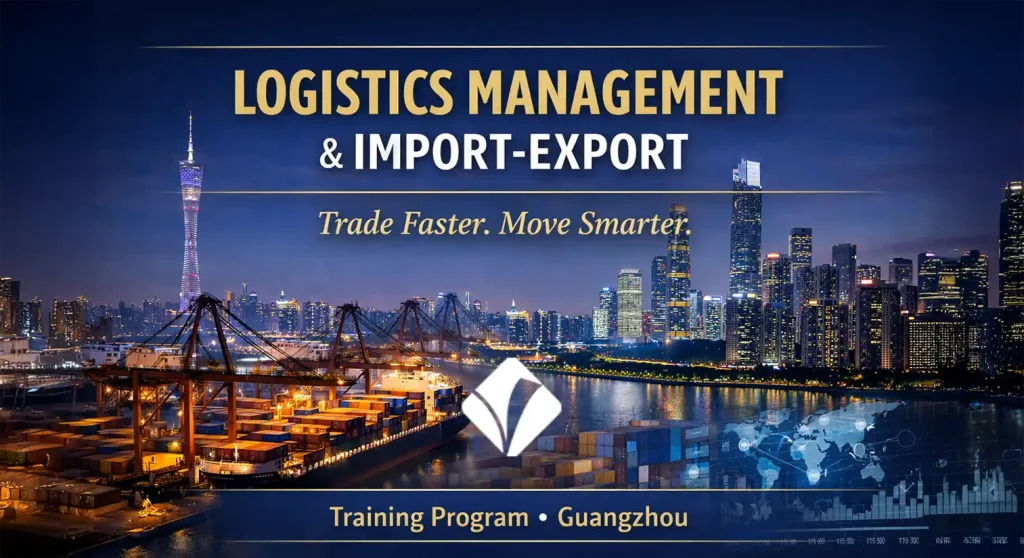
Guangzhou provides a highly strategic and practical environment for logistics management and import-export operations training, supported by its position as one of Asia’s leading trade, manufacturing, and supply chain hubs. As a major centre for port operations, international trade, customs activity, and industrial logistics, Guangzhou offers valuable exposure to real-world transportation systems, warehouse operations, freight management, and cross-border trade processes. Its strong connection to global supply chains makes it a highly relevant destination for executive and government-focused professional training.
Guangzhou is internationally recognised through major trade platforms such as the Canton Fair, reinforcing its role as a gateway for import-export operations and international business connectivity across Asia and beyond. China’s emphasis on customs modernisation, trade facilitation, and supply chain efficiency aligns closely with global efforts to strengthen logistics performance and international trade competitiveness, supported by institutions such as the Port of Guangzhou, the official Guangzhou International Government Portal, and the General Administration of Customs of China, which play key roles in advancing international trade systems, customs governance, and logistics efficiency.
在广州举办该项目,使学员能够获得关于运输规划、海关合规、物流治理以及进出口业务全球最佳实践的切实洞察,同时直接接触该地区最活跃的贸易生态系统之一。
Who Will Deliver This Programme
Each date is delivered by a team assigned from Risalat's expert network for this subject. For this programme we assign:
How we choose them: Experience in the region of the participants or comparable settings; Command of the financier rules that apply (World Bank, ADB, AfDB, EU, UN) where relevant; Delivery in English; other languages on request for in-house groups; No conflict of interest with participants' institutions.
课程成果
培训开始前
- Participant Pre-Assessment aligned with logistics and trade systems
Training courses in GuangzhouProcurement, Supply Chain & Logistics training courses
为什么选择广州开展该项目
Guangzhou is a major commercial and administrative hub in southern China with extensive transport infrastructure. Visiting officials can examine large-scale transport networks, the Canton Fair complex, and urban planning initiatives across the Pearl River Delta. The city is straightforward to reach internationally through its major airport and high-speed rail connections.
The Logistics Management, Transportation and Import-Export Operations Training in China programme in February 2027 brings together officials and professionals from across the Asia region and beyond. Sessions combine short inputs, case studies and group work on participants' own files, and the city's institutions can be added as a study visit on request.
Getting there: Guangzhou Baiyun International Airport (CAN).
使用免费的签证查询工具确认您是否需要签证,完成报名后即可申请邀请函。
其他城市的同主题培训
- 开放合同伙伴关系(Open Contracting Partnership) 开放合同伙伴关系(Open Contracting Partnership)
- 经济合作与发展组织(OECD) OECD
Is there supply chain and logistics training for government officials in Guangzhou in February 2027?
“中国物流管理、运输与进出口业务培训”可以为单一机构提供内部定制培训吗?
Risalat还开设哪些供应链和物流项目?
机构如何报名和付款?
For teams and institutions
Bring your team
Teams that learn together apply more at work. Tell us how many people and how you would like to take part: we reply with a group quote within two working days.
Watch: this programme in short


该主题的其他日期和城市:基础设施、道路与交通项目培训课程(161个即将到来的日期)。
在路线图中规划此项目:为什么重要、为什么要批准它、要计划的日期以及它所构建的职业生涯。