Datos clave
- Fechas
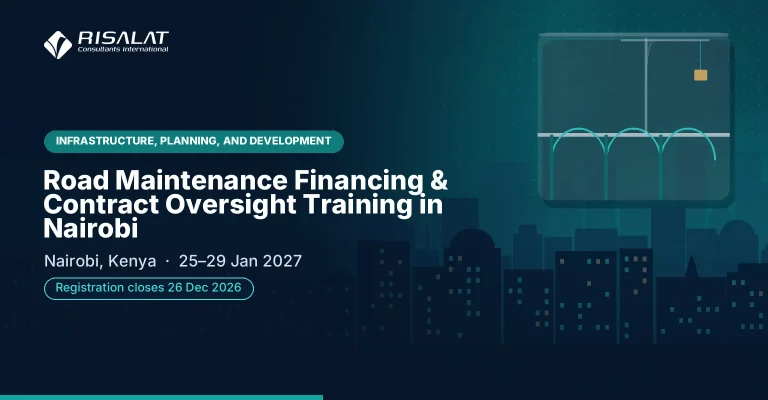
- 15–19 feb 2027 (5 días)
- Dónde
- Rosedale Hotel & Suites, Guangzhou, China
- Tarifa por participante
- 3.850 £ (GBP)
- Pago
- Mediante factura y transferencia bancaria
- Cierre de inscripciones
- 27 dic 2026
- A quién va dirigido
- Logistics and supply chain managers; Import-export officers and coordinators; Customs and border management officials
- Certificado
- Certificado de finalización
- Opción interna
- Impártalo para su equipo, en sus fechas
Descripción del programa
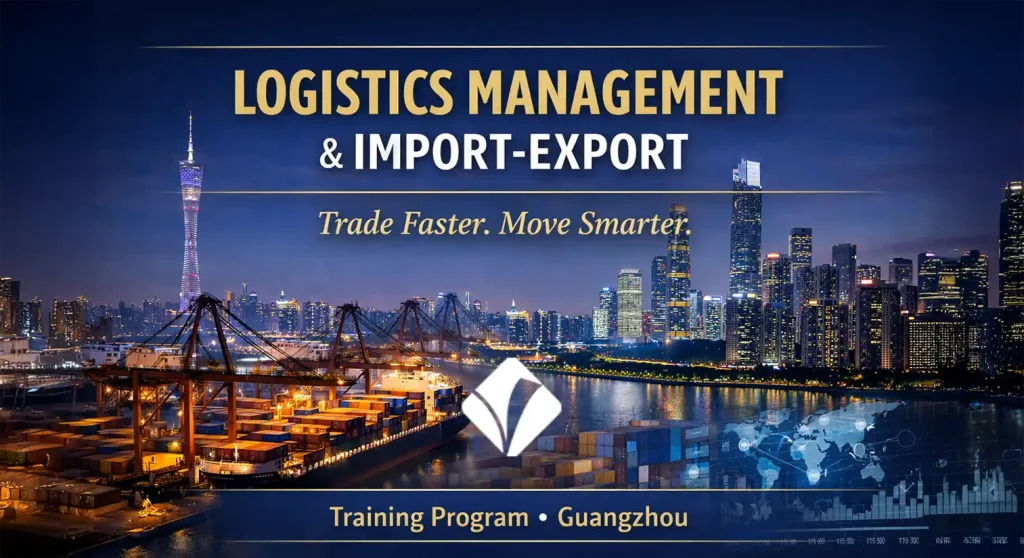
Logistics Management, Transportation & Import-Export Operations Training focuses on strengthening the capacity of organizations, government institutions, customs authorities, and trade-related agencies to manage efficient logistics systems, transportation networks, and international import-export operations across complex supply chains.
Across public and private sectors, logistics inefficiencies, weak transportation planning, customs delays, and poor import-export coordination can lead to increased costs, operational disruptions, delayed deliveries, and reduced trade competitiveness. Many institutions face challenges in supply chain visibility, trade compliance, freight coordination, customs procedures, and risk management across domestic and international logistics operations.
This programme addresses these challenges by equipping participants with practical tools, internationally aligned frameworks, and strategic approaches to logistics planning, transportation management, customs operations, trade facilitation, and import-export compliance. It integrates best practices used in supply chain optimization, port operations, freight management, and global trade systems, including approaches applied in Logistics & Supply Chain Management programmes.
Participants will gain hands-on experience in transportation planning, warehouse coordination, customs documentation, import-export procedures, freight operations, supplier coordination, and logistics performance monitoring, including practical approaches applied in Supply Chain Management Workshop in Almaty to improve operational efficiency and supply chain resilience.
Strong logistics and trade systems are essential for economic growth, supply chain resilience, trade competitiveness, and successful project implementation across national and international markets.
Público destinatario
This programme is designed for professionals involved in logistics, transportation, customs, procurement, and international trade operations, including:
- Logistics and supply chain managers
- Import-export officers and coordinators
- Customs and border management officials
- Port and terminal operations professionals
- Procurement and contract management teams
- Funcionarios gubernamentales y del sector público
- Trade facilitation and transport authorities
- Warehouse and distribution managers
- Socios para el desarrollo y personal de proyectos financiados por donantes
- Consultants working on logistics and trade systems
Marque lo que su equipo necesita ser capaz de hacer.
Objectives of Logistics Management, Transportation & Import-Export Operations Training
Al finalizar, los participantes serán capaces de:
- Strengthen logistics planning and transportation systems
- Improve import-export coordination and customs compliance
- Manage freight operations and supplier relationships effectively
- Optimize warehouse, inventory, and distribution systems
- Understand international trade procedures and documentation
- Improve port operations and transportation efficiency
- Strengthen supply chain visibility and risk management
- Align logistics operations with institutional and trade objectives
- Improve compliance with customs regulations and trade standards
- Develop practical action plans for logistics and trade performance improvement
Logistics Management, Transportation & Import-Export Operations Training Structure & Content
- Principles of logistics management and transportation systems
- Supply chain structures and operational flows
- Global trade systems and import-export operations
- Trade facilitation and customs management principles
- Stakeholder roles across logistics and transportation networks
- Transportation modes and route optimization
- Freight planning, scheduling, and carrier coordination
- Cost control and transportation efficiency – Sustainable transport systems and operational efficiency are also strengthened through approaches applied in Clean Transport and Urban Sustainability Training.
- Port operations and cargo handling systems
- Contractual responsibilities in freight and logistics services
- Import-export regulations and international trade compliance
- Customs documentation and clearance procedures
- Tariffs, duties, and trade agreements
- Border controls and customs risk management
- Managing supplier and shipment documentation
- Warehouse operations and inventory optimization
- Distribution planning and last-mile delivery systems
- Logistics risk identification and mitigation
- Supply chain disruptions and contingency planning, including approaches applied in Humanitarian Logistics & Emergency Response Training for high-risk operational environments
- Compliance, governance, and anti-fraud measures in logistics operations
- Building logistics performance management systems
- Integrating transportation planning with organizational strategy
- Strengthening customs compliance and trade governance
- Linking logistics operations with institutional outcomes
- Developing sustainable logistics and trade improvement plans aligned with sustainable supply chain practices and long-term operational resilience
Contenido completo día a día
First Day | Foundations of Logistics and Trade Operations
- Principles of logistics management and transportation systems
- Supply chain structures and operational flows
- Global trade systems and import-export operations
- Trade facilitation and customs management principles
- Stakeholder roles across logistics and transportation networks
Exercise: Mapping logistics and trade operations
Second Day | Transportation Planning and Freight Management
- Transportation modes and route optimization
- Freight planning, scheduling, and carrier coordination
- Cost control and transportation efficiency – Sustainable transport systems and operational efficiency are also strengthened through approaches applied in Clean Transport and Urban Sustainability Training.
- Port operations and cargo handling systems
- Contractual responsibilities in freight and logistics services
These systems are closely aligned with advanced logistics and supply chain management frameworks used in high-volume logistics operations.
Workshop: Transportation planning and freight coordination
Third Day | Import-Export Procedures and Customs Compliance
- Import-export regulations and international trade compliance
- Customs documentation and clearance procedures
- Tariffs, duties, and trade agreements
- Border controls and customs risk management
- Managing supplier and shipment documentation
Case Study: Customs delay and corrective action planning
Fourth Day | Warehouse, Distribution and Risk Management
- Warehouse operations and inventory optimization
- Distribution planning and last-mile delivery systems
- Logistics risk identification and mitigation
- Supply chain disruptions and contingency planning, including approaches applied in Humanitarian Logistics & Emergency Response Training for high-risk operational environments
- Compliance, governance, and anti-fraud measures in logistics operations
Simulation: Supply chain disruption response scenario
Quinto día | Fortalecimiento institucional e integración estratégica
- Building logistics performance management systems
- Integrating transportation planning with organizational strategy
- Strengthening customs compliance and trade governance
- Linking logistics operations with institutional outcomes
- Developing sustainable logistics and trade improvement plans aligned with sustainable supply chain practices and long-term operational resilience
Capstone Exercise: Institutional logistics improvement strategy
Effective logistics governance integrates transportation planning, customs compliance, trade facilitation, and operational oversight within institutional decision-making systems.
Metodología del programa
This Logistics Management, Transportation & Import-Export Operations Training uses an applied, practice-oriented methodology combining expert-led sessions, real-world case studies, simulations, and interactive workshops.
Participants will engage in hands-on exercises focused on transportation planning, customs procedures, freight coordination, warehouse operations, and logistics risk management to ensure direct application within their organizations.
Los principales métodos de aprendizaje incluyen:
- Case studies from real logistics and trade operations
- Ejercicios prácticos y simulaciones
- Customs compliance and documentation workshops
- Freight and transportation planning exercises
- Debates en grupo y aprendizaje entre pares
- Institutional logistics action planning sessions
Expected Outcomes of Logistics Management, Transportation & Import-Export Operations Training
Participants will strengthen their ability to manage logistics operations, improve transportation systems, and ensure effective import-export performance.
Serán capaces de:
- Improve transportation planning and logistics coordination
- Strengthen customs compliance and trade facilitation systems
- Reduce delays, operational risks, and supply chain disruptions
- Improve warehouse efficiency and distribution performance
- Strengthen procurement and supplier coordination
- Enhance institutional governance and trade accountability
- Support successful implementation of national and international logistics programmes
Aplicación institucional
This programme supports organizations in strengthening logistics systems, improving transportation planning, and enhancing import-export performance across public and private sector environments.
Participants will return with practical tools to improve operational controls, strengthen supply chain accountability, and support efficient trade and logistics execution.
Strong logistics and transportation systems are essential for safeguarding institutional performance, improving service delivery, and ensuring trade competitiveness across regional and international markets.
These approaches are further strengthened through integrated procurement, customs, and performance management systems aligned with international best practices.
Regional Relevance & Application of Logistics Management Training
Logistics inefficiencies, customs bottlenecks, and transportation challenges continue to affect trade operations, infrastructure projects, and donor-funded development programmes across rapidly growing regions where supply chain systems and institutional controls are evolving.
This Logistics Management, Transportation & Import-Export Operations Training is highly relevant for professionals working in:
- Africa, where trade corridors, ports, and customs modernization require stronger logistics oversight and transport coordination
- South Asia, where expanding industrial production and import-export growth increase pressure on logistics systems and customs operations
- Southeast Asia, where major trade hubs and regional integration demand stronger freight management and transportation efficiency
- Middle East, where strategic logistics hubs and infrastructure investments require advanced supply chain governance and trade compliance systems
Across these regions, institutions face increasing pressure to improve efficiency, strengthen customs governance, and ensure compliance with international trade standards set by development partners and regulatory bodies.
This programme equips participants with practical tools and globally aligned methodologies to improve logistics systems, manage transportation risks effectively, and strengthen institutional performance across complex trade environments.
Host Country Profile – Guangzhou, China
Guangzhou provides a highly strategic and practical environment for logistics management and import-export operations training, supported by its position as one of Asia’s leading trade, manufacturing, and supply chain hubs.
As a major center for port operations, international trade, customs activity, and industrial logistics, Guangzhou offers valuable exposure to real-world transportation systems, warehouse operations, freight management, and cross-border trade processes. Its strong connection to global supply chains makes it a highly relevant destination for executive and government-focused professional training.
Guangzhou is internationally recognized through major trade platforms such as the Canton Fair, reinforcing its role as a gateway for import-export operations and international business connectivity across Asia and beyond.
China’s emphasis on customs modernization, trade facilitation, and supply chain efficiency aligns closely with global efforts to strengthen logistics performance and international trade competitiveness, supported by institutions such as the Port of Guangzhou, the official Guangzhou International Government Portal, and the General Administration of Customs of China, which play key roles in advancing international trade systems, customs governance, and logistics efficiency.
Hosting this programme in Guangzhou allows participants to gain practical insights into global best practices in transportation planning, customs compliance, logistics governance, and import-export operations while benefiting from direct exposure to one of the region’s most active trade ecosystems.
Entregables del curso
Los participantes disfrutarán de una experiencia completa y de alta calidad, diseñada para favorecer un aprendizaje eficaz, la aplicación práctica y un impacto institucional duradero.
Antes del programa
- Participant Pre-Assessment aligned with logistics and trade management competencies
- Customized preparatory materials on transportation systems and import-export operations
- Apoyo y asesoramiento gratuitos para el visado
- Recogida en el aeropuerto y asistencia de bienvenida
- Alojamiento con desayuno diario durante todo el programa
- Cena de bienvenida y networking con los participantes y el equipo de Risalat
Durante el programa
- Kit de formación ejecutiva de Risalat, que incluye: bolsa, botella de agua, taza de café, camiseta, gorra, funda de pasaporte, bolígrafos, cuaderno, imán y llavero
- Mini Pad / tableta con los materiales de formación precargados (el participante se la queda)
- Manual completo del curso y materiales de formación
- Logistics and Trade Operations Toolkit including templates, compliance checklists, freight planning tools, and customs documentation guides
- Sample logistics dashboards, transportation monitoring tools, and warehouse management templates
- Ejercicios prácticos, simulaciones y talleres en grupo
- Almuerzo y refrigerios diarios durante las sesiones de formación
- Acceso a todas las instalaciones de la sede de formación y a los recursos de aprendizaje
- Acceso a materiales de aprendizaje en línea y recursos posteriores a las sesiones
- Field visit (where applicable) to observe port operations, logistics systems, customs facilities, or warehouse operations
- Recorrido turístico por la ciudad y experiencia cultural
Después del programa
- Certificado de finalización
- Reconocimiento a la participación en programas de Risalat
- Apoyo posterior a la formación y orientación de seguimiento
- Access to additional tools, templates, and updated logistics resources
- Informe del programa y resumen del aprendizaje
Participants will leave equipped with practical tools, strategic frameworks, and applied knowledge to strengthen logistics systems, improve transportation efficiency, enhance customs compliance, and deliver stronger institutional trade outcomes.
Para participación en grupo, impartición personalizada o colaboración institucional, póngase en contacto con Risalat Consultants International para reservar sus plazas y opciones de programa a medida. La disponibilidad limitada garantiza una experiencia de aprendizaje focalizada y de alto impacto.
All programmes in GuangzhouMás programas de infraestructura, planificación y desarrollo
Why Guangzhou for this programme
Guangzhou, China, was chosen for this programme because it is easy to reach for the participants we expect and has suitable venues for practical, interactive training.
The Logistics Management, Transportation and Import-Export Operations Training in China programme in February 2027 brings together officials and professionals. Sessions combine short inputs, case studies and group work on participants' own files, and the city's institutions can be added as a study visit on request.
Compruebe si necesita visado con el Verificador de visados gratuito y solicite una carta de invitación una vez inscrito.
3.850 £ por participante · factura y transferencia bancaria · los grupos de 5 o más personas reciben un descuento
Cinco o más personas de una misma organización: solicite la tarifa de grupo al pedir la factura.
Ten or more: an in-house version for your institution may cost less per person. Ask for an in-house quote.
Registration closes in 55 days (27 Dec 2026)
El mismo tema en otras ciudades
Más cursos de formación en China · Todos los programas en Asia · Calendario de formación completo