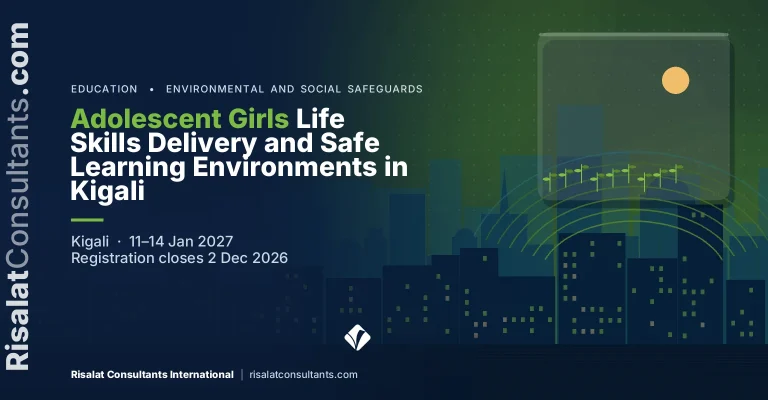
Adolescent Girls Life Skills Delivery and Safe Learning Environments in Kigali
Adolescent girls face multifaceted barriers to completing secondary education, ranging from gender-based violence to the absence of protective learning spaces.
Your choices are remembered on this device. Designed to WCAG 2.2 AA · keyboard: Tab to move, Esc to close. Read our accessibility statement.
Press / to search from any page · Esc to close
Risalat Consultants International runs 67 open training courses in Kigali, Rwanda, for government officials, project teams and professionals, in Education, Healthcare and Accounting & Finance. Choose a date below, or ask us to run any course in-house for your team.
Kigali, Rwanda, is one of the cities where Risalat Consultants International runs practical training programmes for officials, project teams and professionals, with 70 programmes listed here.
Adolescent girls face multifaceted barriers to completing secondary education, ranging from gender-based violence to the absence of protective learning spaces.
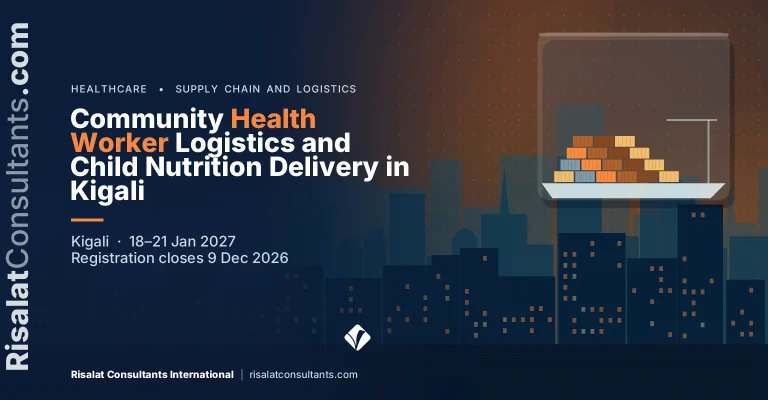
This intensive four-day professional programme in Kigali addresses the operational complexities of managing community health worker supply chains and decentralized child nutrition delivery.
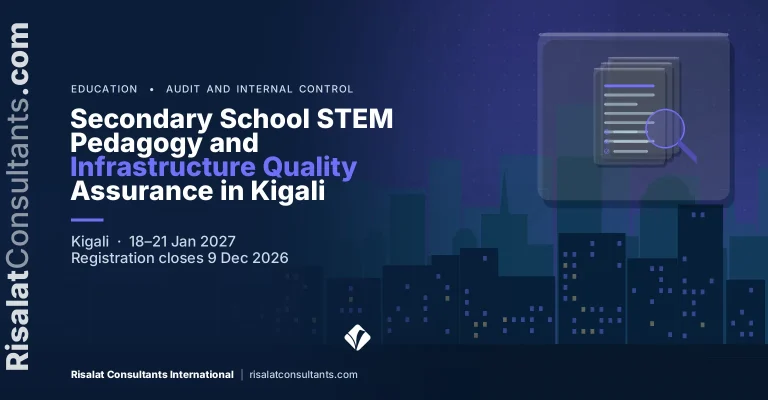
Secondary education systems across Eastern Africa are rapidly expanding physical infrastructure to improve access to science, technology, engineering, and mathematics education.
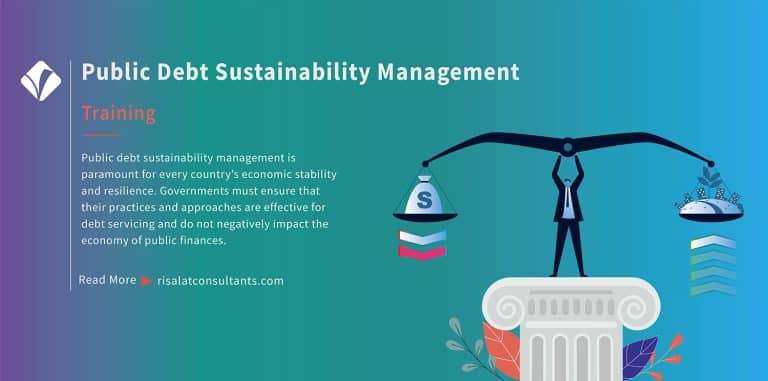
Public debt sustainability management is paramount for every country’s economic stability and resilience.
This programme gives officials and project teams the practical methods of strategic leadership for senior government officials, built around real cases from public institutions…
Energy sector investments funded by international development institutions require rigorous fiduciary control and adherence to precise financial management regulations.
This programme gives officials and project teams the practical methods of environmental and social safeguards (esf) for project teams, built around real cases from…
Agribusiness commercialisation requires robust systems to integrate smallholder farmers into structured value chains.
Maternal and neonatal health outcomes depend heavily on the continuous quality of clinical care and the operational readiness of health facilities.
Primary maternal and child health services face severe operational pressures during protracted public health emergencies and system disruptions.
Multiplex environmental, societal and economic challenges are oppressing contemporary global communities while constituting uncertainty about the times coming.
Sustaining adolescent girls in school and securing their transition into viable livelihoods requires well-coordinated policy interventions and robust administrative systems.
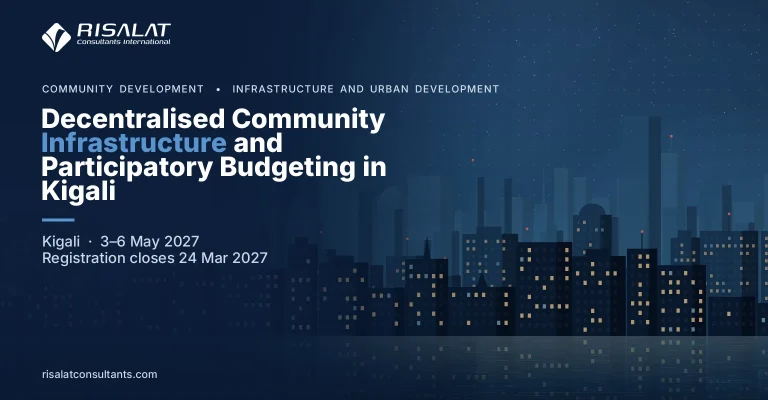
Community-Driven Development (CDD) programmes place control over planning decisions and investment resources directly into the hands of local communities.
This programme gives officials and project teams the practical methods of procurement under World Bank and ADB rules for project teams, built around real…
Primary healthcare infrastructure requires systematic upgrading to keep pace with expanding service delivery mandates and clinical quality standards.
Expanding electricity access across Sub-Saharan Africa requires robust distributed renewable energy strategies that pair capital investment with long-term commercial sustainability.
Public sector institutions and donor-funded projects invest substantial resources into human capital development, yet demonstrating tangible returns on these investments remains a persistent challenge.…
Sub-national governments face mounting pressure to manage capital resources transparently while expanding essential basic services.
This intensive four-day professional course delivers practical competencies for designing and administering labour-intensive public works and sustainable livelihood graduation programmes.
Rapid metropolitan expansion across East Africa places severe pressure on natural drainage basins and municipal infrastructure.
This programme gives officials and project teams the practical methods of women in leadership for the public sector, built around real cases from public…
Educational ministries face mounting operational pressures to transition from fragmented paper records to robust digital education management information systems.
Programme-for-Results (PforR) financing instruments link the disbursement of funds directly to the achievement of verifiable results rather than inputs.
Health systems across sub-Saharan Africa are transitioning from input-based historical budgeting towards strategic purchasing and performance-based financing mechanisms.
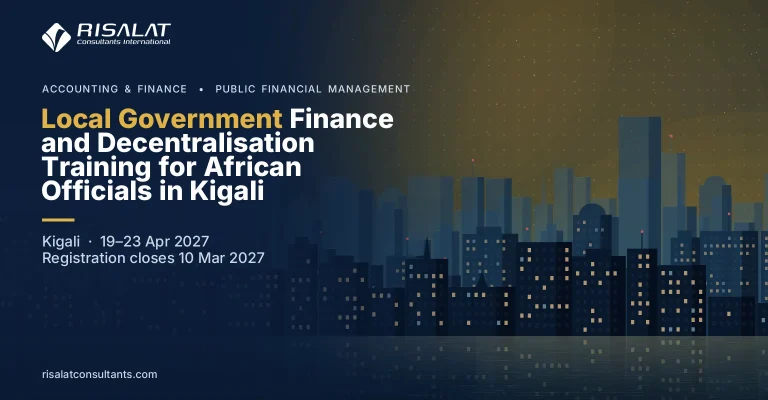
This programme gives officials and project teams the practical methods of local government finance and decentralisation, built around real cases from public institutions and…
Sub-national authorities across Central and West Africa increasingly shoulder statutory mandates to deliver core public works while operating under stringent fiscal constraints.
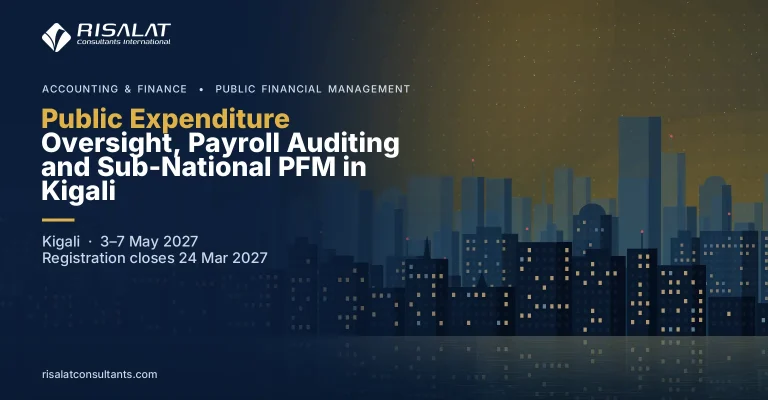
Sound public financial management requires robust internal oversight, dependable payroll systems, and disciplined sub-national budget execution.
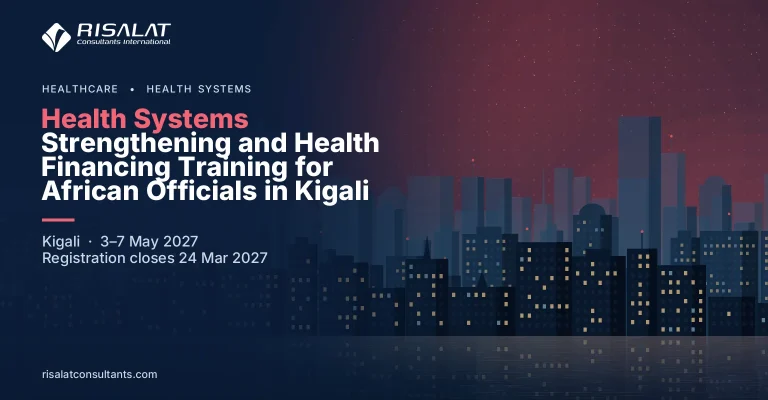
This programme gives officials and project teams the practical methods of health systems strengthening and health financing, built around real cases from public institutions…
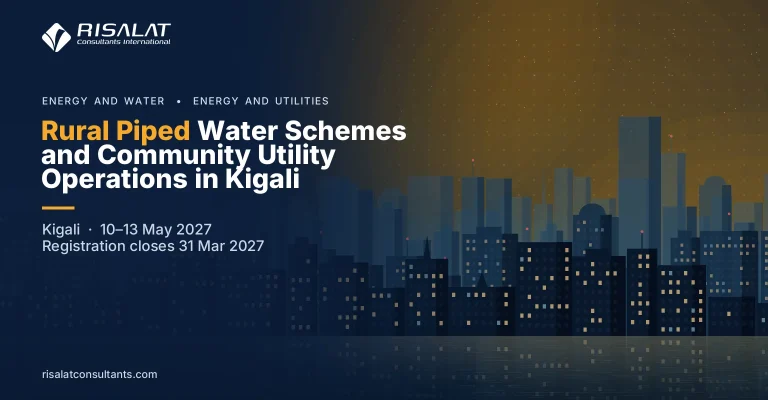
This four-day professional course addresses the engineering, operational, and financial dimensions of managing rural piped water infrastructure and small-town utility networks.
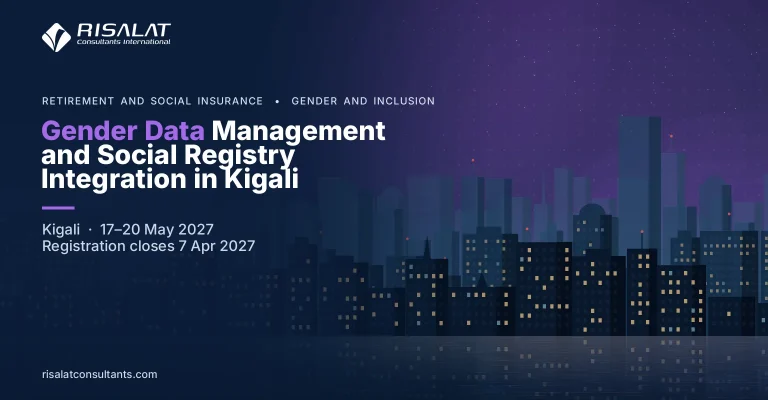
Gender Data Management and Social Registry Integration provides practical instruction for specialists tasked with configuring, maintaining, and linking administrative databases within public social protection…
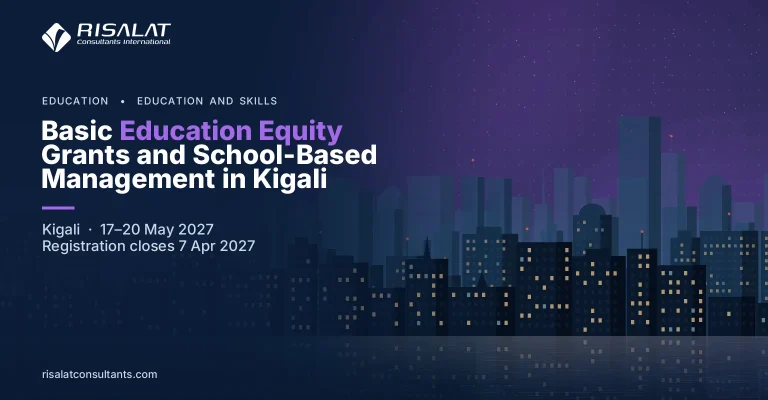
Decentralised basic education funding requires robust institutional systems to translate national education grants into measurable learning outcomes.
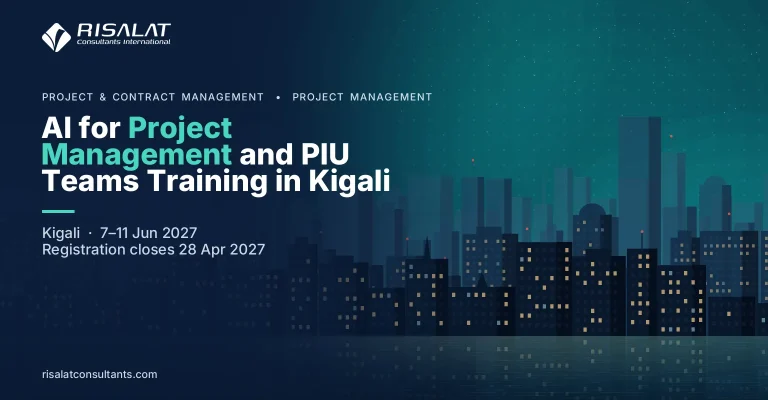
This five-day training programme in Kigali equips Project Implementation Unit (PIU) staff and public sector managers with practical artificial intelligence skills.
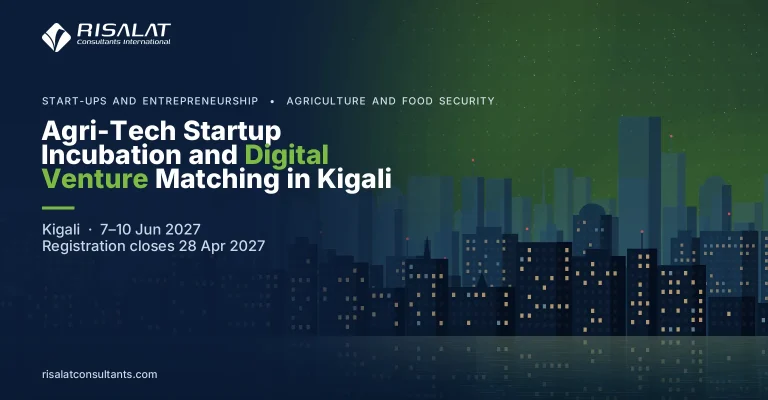
Agri-Tech Startup Incubation and Digital Venture Matching provides operational capabilities for institutions fostering technology-driven agricultural entrepreneurship.
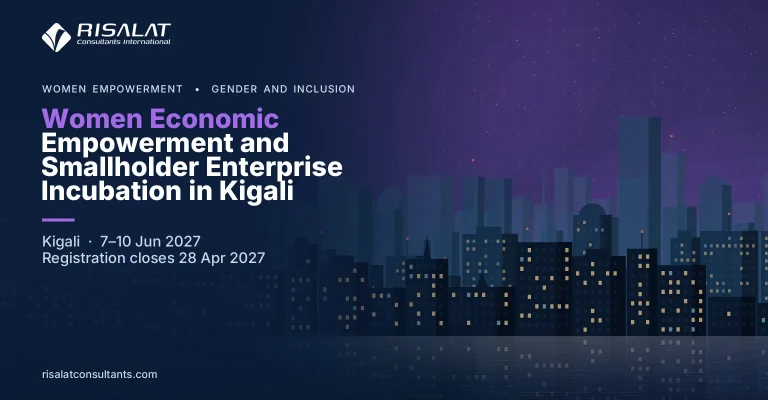
This four-day professional course addresses the operational mechanics of women economic empowerment and smallholder enterprise incubation within fragile and developing economies.
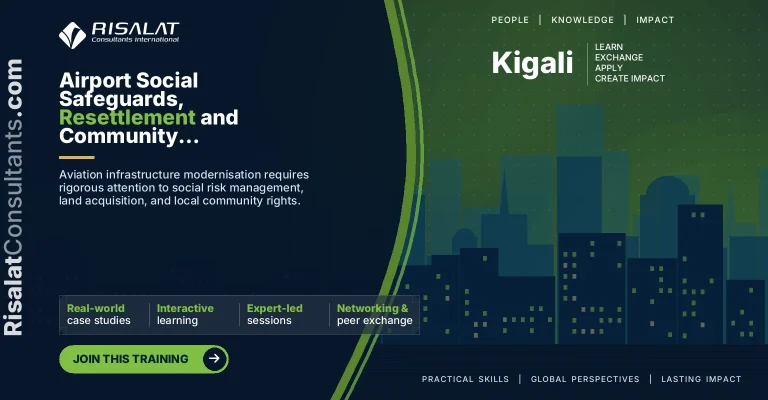
Aviation infrastructure modernisation requires rigorous attention to social risk management, land acquisition, and local community rights.
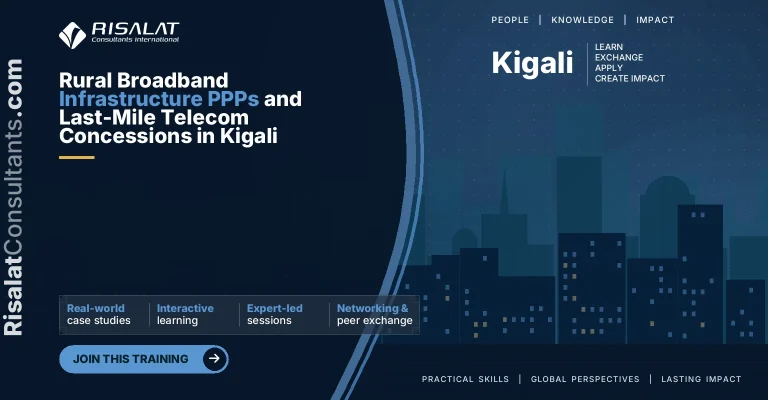
This four-day professional executive programme equips public sector leaders and technical experts to structure sustainable public-private partnerships for rural broadband infrastructure.
High-value tree crops are central to agricultural transformation, climate resilience, and rural income generation across Sub-Saharan Africa.
This intensive five-day programme delivers practical engineering and governance competencies required to plan, operate, and sustain smallholder irrigation schemes.
This programme gives officials and project teams the practical methods of results-based monitoring and evaluation for donor-funded projects, built around real cases from public…
Healthcare systems require rigorous biohazard management to protect public health, clinical personnel, and surrounding ecosystems from biological and chemical contamination.
This programme gives officials and project teams the practical methods of agricultural value chains and food security, built around real cases from public institutions…
Rural piped water supply schemes play a critical role in providing safe, reliable potable water to underserved communities, particularly across complex island topographies.
This programme gives officials and project teams the practical methods of tax administration and domestic revenue mobilisation, built around real cases from public institutions…
This four-day professional course equips public sector technology leaders with the strategic and operational competencies required to implement robust digital infrastructure.
Public sector institutions and donor-funded project delivery units face mounting challenges in capturing, preserving and mobilising operational knowledge.
Technical and vocational education and training systems face mounting pressure to align educational outputs with private sector requirements.
Rapid urbanisation across East Africa requires municipal authorities to deliver integrated social safety nets and sustainable livelihood pathways.
Secondary education systems face significant operational demands to ensure school leavers possess relevant foundational, scientific, and technical capabilities.
This intensive four-day professional programme equips delivery teams with the operational competencies required to manage targeted community grants effectively.
Efficient agri-food logistics hubs and post-harvest infrastructure are critical for reducing food losses and integrating smallholder producers into regional commercial markets.
Secondary education systems face significant operational pressures in balancing equitable teacher allocation with robust learning recovery mechanisms.
Effective delivery of basic education requires rigorous oversight, structured quality assurance, and robust human resource administration.
This four-day professional course in Kigali provides public officials with practical tools to establish robust regulatory and policy frameworks for decentralised renewable energy.
Pastoral systems and dairy production represent fundamental pillars of rural livelihoods, food security, and regional trade across sub-Saharan Africa.
Secondary education systems across Eastern Africa face urgent demands to modernise scientific and technical learning spaces while addressing systemic barriers affecting female learners.
This five-day professional training programme provides an intensive grounding in the architecture, governance, and technical administration of integrated social registries.
Managing international technical assistance requires rigorous governance, clear procurement alignment, and intentional institutional capacity building.
This four-day intensive programme equips technical professionals with practical skills to procure, contract, and supervise rural health infrastructure works.
Modern land governance demands reliable, transparent, and accessible digital systems that guarantee property rights and secure tenure for all citizens.
This four-day professional course addresses the critical operational and engineering considerations required to establish and run sustainable agri-market infrastructure.
Immunisation programmes require robust data architectures to ensure equitable vaccine delivery, protect public health investments, and maintain clinical accountability.
This programme gives officials and project teams the practical methods of social protection and cash transfer programmes, built around real cases from public institutions…
Intergovernmental fiscal transfers increasingly rely on performance-based allocations to incentivise institutional performance and improve local capital investments.
This programme gives officials and project teams the practical methods of education sector planning and school leadership, built around real cases from public institutions…
Expanding electricity distribution into remote localities demands rigorous civil and electrical engineering discipline.
This five-day professional training programme delivers critical capabilities for structuring shock-responsive social protection systems across vulnerable regions.
Primary healthcare facilities form the frontline of national health systems, directly shaping maternal, neonatal, and child health outcomes across sub-district networks.
Try another month or city, or ask us to run this programme on dates that suit you.
Request your datesKigali is known for clean, safe streets and public sector reforms, with easy visas for African travellers.
Risalat has scheduled 67 programmes in Kigali, and the subjects run most often here are governance and anti-corruption, audit and internal control and infrastructure and urban development.
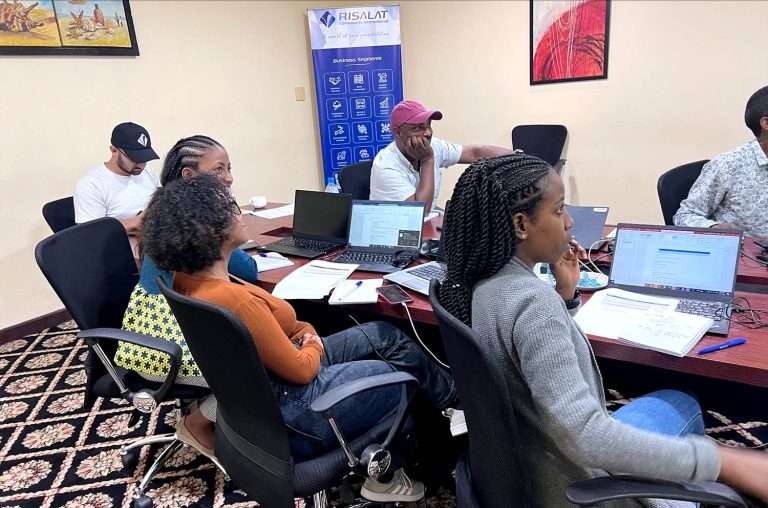
Sessions combine short inputs, case studies and group work on participants' own files, so officials and project staff leave with work they can use. Courses in Kigali are open to participants from any country, and suit delegations from across the Africa region.
Ranked by how often the subject has run here and by registrations.
Risalat also advises institutions on these subjects:
Free tools to prepare before a course:
Visiting officials in Kigali can observe practical examples of public sector modernisation and structured urban governance. Rwanda is widely recognised for national reforms that simplified administrative processes, improved public financial management, and established strong monitoring frameworks for development projects. In Kigali, delegates can examine centralised urban planning, environmental management policies such as the ban on non-biodegradable plastics, and community-driven initiatives that maintain urban cleanliness. The city provides direct exposure to automated public service delivery systems, including the national portal for administrative transactions, as well as digital revenue collection mechanisms. Observers can also study institutional coordination within national agencies responsible for infrastructure development, public procurement, and the oversight of externally funded social programmes.
Programmes focused on public sector governance, digital government transformation, and donor-funded project management suit Kigali best because the city demonstrates effective institutional discipline and structured administrative execution.
Participants usually arrive the day before the programme through Kigali International (KGL), are met at the airport and settle into the hotel. Sessions run from about 9:00 to 16:00 local time (GMT+2), with practical work on the participants' own cases each day. Where the programme includes one, a field or study visit takes place mid-week, and a city tour and a welcome dinner give the group time to know each other. On the last day each participant presents an action plan and receives a certificate that anyone can verify online.
To join from abroad, register and complete payment at least 40 days before the start; the invitation letter for the visa is issued after registration, and the free Visa Check shows what your passport needs for Rwanda.
Choose your country to see the programmes that fit its current projects and reforms, and the cities its teams can reach most easily.
Africa
Free planning tools for participants and HR teams:
Blueprints that match the fields taught here (free, step by step):
Fees for the programmes in Kigali range from £2,350 to £3,600 per participant, and each fee is all-inclusive:
Payment is by invoice and bank transfer. Groups from one organisation receive a group rate, and any programme can be delivered in-house.
Ratings and testimonials say how a course felt. Institutions investing public or project funds should also check:
Whether you are looking for a short course in Kigali, a training programme for your ministry or agency, or a capacity-building programme for a project team, the 67 programmes on this page are open to individual participants and to groups. Most run for 4 days.
They are designed for officials of ministries and public agencies, staff of project implementation units on World Bank, AfDB, ADB and UN-financed projects, NGOs and development partners, and professionals from the private sector. Each one can also run in-house for one organisation, in Kigali, in your own country or online.
Many participants are funded by the capacity-building or project management budget of a project financed by the World Bank, a regional development bank, the EU or a UN agency. A short note that links the course to the project's objectives and its procurement plan makes approval easier.
Ask for a free justification note for your project · Book a 30-minute call · Financed projects in Rwanda
There are 67 upcoming training courses in Kigali, Rwanda, starting between 11 Jan 2027 and 15 Nov 2027, in Education, Healthcare, Accounting & Finance, Agriculture & Forestry, Energy and Water and Retirement and Social Insurance.
Yes. 67 short courses are planned in Kigali, most of them 5 days long, for government officials, project teams and professionals. Each includes the course materials, a certificate that can be checked online and post-course support.
Yes. Any programme can be run as a private workshop or seminar for one organisation in Kigali, in your own country or online, on dates that suit you and using your own documents. Book a call or request a proposal.
This page lists 67 upcoming programmes in Kigali in Education, Healthcare, Accounting and finance, Agriculture and forestry, with dates, fees and the full agenda of each. The next one is Adolescent Girls Life Skills Delivery and Safe Learning Environments in Kigali. Each programme is open to individual participants and groups, and can also run in-house for your organisation.
Fees for the upcoming courses range from £2,350 to £3,600 per participant. Each programme page shows its own fee. Payment is by invoice and bank transfer.
The next one is Adolescent Girls Life Skills Delivery and Safe Learning Environments in Kigali, 11-14 Jan 2027 (4 days). Registration closes on 2 Dec 2026.
Yes. Any Risalat programme can be delivered in-house for one institution, in Kigali, in your own country or online, on dates that suit your team and adapted to your own documents. Request a proposal.
It depends on your passport: the free Visa Check shows the visa type, processing time and documents for Rwanda. Registered participants can request an invitation letter: self-funded participants receive it after full payment, sponsored participants on receipt of an official nomination letter and a payment commitment. Embassies can check the letter online.
Yes. Participants receive a Risalat certificate with its own code and QR code, which anyone can check online at risalatconsultants.com/verify.
We tailor any programme to your institution, in-house, online or in a city of your choice, with content built around your projects. Payment is by invoice and bank transfer.
Essential cookies keep this site secure. With your permission we also use analytics and advertising cookies. Cookie policy
Google Analytics counts visits: in the EU, the UK and Switzerland only after you accept, elsewhere unless you reject it. You can change your choice at any time from “Cookie settings” at the bottom of every page.
The Risalat Brief: one short report a week on a real delivery problem in procurement, safeguards, M&E or public finance, its causes and what works. No adverts; unsubscribe any time.
By subscribing you agree to receive our newsletter. Privacy policyMost questions (dates, fees, visas, registration, invoices) are answered fastest in our website chat, which also keeps a record for your team. For anything else, email info@risalatconsultants.com.
Still urgent?
Please do not send documents or payment details by WhatsApp.