Key facts
- Dates
- 7–10 Jun 2027 (4 days)
- Where
- Park Inn by Radisson Kigali, Kiyovu (proposed), Kigali, Rwanda
- Fee per participant
- £2,350 (GBP)
- Payment
- By invoice and bank transfer
- Registration closes
- 28 Apr 2027
- Format
- 4-day short course: a practical capacity-building programme for government, NGO and project teams in Kigali
- Certificate
- Certificate of completion
- Groups
- Teams of 3 or more qualify for a group discount, offered case by case: ask for a group quote.
- In-house option
- Run it for your team, on your dates
On this page 13 sections
Programme Overview
This four-day professional course addresses the operational mechanics of women economic empowerment and smallholder enterprise incubation within fragile and developing economies. Delivered in Kigali, the curriculum provides project teams with systematic approaches to transition vulnerable women from subsistence activities to resilient microenterprises. Participants explore institutional delivery models, context-driven business incubation, and the integration of financial services designed to withstand local economic shocks. Emphasis is placed on practical frameworks applicable to donor-financed development interventions.
Delegates will examine the architecture of women-focused savings groups, targeted enterprise grant schemes, and decentralised business development mentorship hubs. The course works through the entire lifecycle of microenterprise incubation, covering selection mechanisms, capacity assessment, seed funding allocation, and post-grant advisory support. Through structured exercises, participants build robust screening criteria and monitoring frameworks that ensure accountability and measurable livelihood improvement for community-level female entrepreneurs, aligning micro-level interventions with national poverty reduction strategies.
Drawing upon international standards from institutions such as the World Bank, African Development Bank, and United Nations agencies, the sessions balance technical rigour with field-level applicability. Kigali provides an instructional environment showcasing regional economic inclusion initiatives, cooperative structures, and rural enterprise formalisation. Attendees will gain the technical clarity and operational tools needed to supervise livelihood components, manage sub-granting risks, and track socio-economic outcomes across complex, community-driven development operations.
Development operations in fragile and conflict-affected contexts face urgent demands to convert humanitarian relief into sustainable, gender-transformative livelihoods. With major multi-year initiatives advancing women's economic opportunities, such as the South Sudan Women's Social and Economic Empowerment Project, project implementation units require immediate capacity to execute community grant schemes, structure local business mentorship, and manage enterprise incubation pipelines without administrative delay or leakage.
Delivered by Risalat Consultants International in Kigali, Rwanda, it combines expert-led sessions, real cases and group work, so that participants can apply what they learn in their own institution.
The Programme Strengthens Institutional Capability
- Global standards and donor frameworks: Translating gender strategies into operational enterprise components
- Village Savings and Loan Association (VSLA) methodologies and graduated financial inclusion pathways
- Addressing structural barriers: Land access, unpaid care work, and social norms in enterprise design
- Structuring community-level savings groups for capital accumulation and emergency liquidity
- Governance, record-keeping, and dispute resolution mechanisms within women producer collectives
- Smallholder business incubation models adapted for fragile and rural operating environments
- Formulating transparent targeting: Poverty scorecards, vulnerability indicators, and enterprise potential
- Designing community-based screening committees and grievance redress mechanisms for applicant selection
- Strategic thinking and direction setting
- Leading and developing teams
- Decision making and problem solving
- Communication and influence
It is designed for gender focal points in government ministries and public agencies, microenterprise development specialists on donor-funded projects, livelihood project officers managing community development funds and others who want practical, current skills in leadership, management and communication.
The Growing Importance of Women Economic Empowerment and Smallholder Enterprise Incubation in Kigali
Institutions change faster than ever: new policies, technologies and expectations from citizens and partners. Leaders and managers who can set direction, build teams and manage change make the difference between plans and results.
Strong leadership is a set of practical skills: deciding, communicating, negotiating, developing people and leading change. These skills can be learnt and improved with practice and feedback.
Organisations increasingly require professionals capable of:
- Set clear direction and priorities
- Lead and motivate teams through change
- Communicate and negotiate effectively
- Manage performance fairly
- Make sound decisions under pressure
Strong leadership, management and communication systems help organisations:
- Turn strategies into results
- Build motivated, capable teams
- Manage change with less resistance
- Improve relations with partners and stakeholders
This Women Economic Empowerment and Smallholder Enterprise Incubation in Kigali programme brings these elements together in a practical format, so that participants understand not only what good practice looks like but also how to introduce it in their own setting, with the people and resources they have.
Who Should Attend This Women Economic Empowerment and Smallholder Enterprise Incubation in Kigali Training?
This programme is designed for:
- Gender focal points in government ministries and public agencies
- Microenterprise development specialists on donor-funded projects
- Livelihood project officers managing community development funds
- Project implementation unit personnel from fragile contexts including South Sudan
- Monitoring and evaluation officers tracking gender-disaggregated economic outcomes
- Cooperative development officers supporting women-led producer organisations
- Grants management specialists supervising sub-project disbursements
- Non-governmental organisation programme managers implementing livelihood programmes
- Socio-economic inclusion advisors designing rural incubator models
- Directors and senior managers
- Heads of department and unit
- Middle managers and team leaders
The programme suits experienced professionals as well as those moving into new responsibilities. Groups that mix institutions and countries are encouraged, because participants learn a great deal from each other’s experience.
Tick what your team needs to be able to do.
Women Economic Empowerment and Smallholder Enterprise Incubation in Kigali Training Objectives
Upon successful completion of this Women Economic Empowerment and Smallholder Enterprise Incubation in Kigali Training, participants will be able to:
- Design inclusive women-focused savings and credit group models aligned with international good practice
- Formulate transparent screening criteria and vulnerability scoring tools for enterprise grant schemes
- Establish community-based business development mentorship hubs tailored to illiterate and semi-literate entrepreneurs
- Construct risk-mitigated cash transfer and grant disbursement mechanisms for micro-scale ventures
- Develop performance monitoring frameworks and gender-sensitive indicators for livelihood interventions
- Integrate gender-based violence risk mitigation measures into economic empowerment project workflows
- Apply African Development Bank and World Bank operational standards to smallholder enterprise incubation pipelines
- Explain current approaches to leadership in public and private institutions
- Set direction and priorities for their team
- Lead, motivate and develop people
Each objective is practised during the programme through exercises, cases or group work, so that participants leave able to do it, not only to describe it.
Programme Contents and Structure
- Global standards and donor frameworks: Translating gender strategies into operational enterprise components
- Village Savings and Loan Association (VSLA) methodologies and graduated financial inclusion pathways
- Addressing structural barriers: Land access, unpaid care work, and social norms in enterprise design
- Structuring community-level savings groups for capital accumulation and emergency liquidity
- Governance, record-keeping, and dispute resolution mechanisms within women producer collectives
- Smallholder business incubation models adapted for fragile and rural operating environments
- Formulating transparent targeting: Poverty scorecards, vulnerability indicators, and enterprise potential
- Designing community-based screening committees and grievance redress mechanisms for applicant selection
- Market assessment methodologies: Identifying viable micro-business niches and value-chain entry points
- Appraising micro-business plans: Cash flow viability, input availability, and market linkages
- Designing tiered enterprise grant schemes: Tranche release, verification triggers, and asset financing
- Fiduciary controls, mobile money mechanisms, and financial integrity in remote grant disbursements
- Establishing decentralised business mentorship hubs: Peer mentors, lead farmers, and local master crafts
- Developing micro-mentorship curricula on foundational financial literacy, pricing, and stock management
- Mitigating unintended risks: Intra-household conflict, elite capture, and gender-based violence exposure
- Constructing Key Performance Indicators (KPIs) for women's enterprise growth, income, and asset retention
- Data collection protocols for low-literacy contexts using digital tools and community verifiers
- Defining graduation criteria: Determining enterprise maturity, formalisation pathways, and credit readiness
- Review of regional incubation and cooperative initiatives in Rwanda: Practical field lessons
- Action planning: Finalising incubation frameworks and grant delivery plans for institutional deployment
Full day-by-day contents
The programme runs over 4 days. Each day combines expert input, practical work and a closing workshop or case study:
- First Day: Institutional Models for Women Economic Empowerment and Group Savings
- Second Day: Enterprise Incubation, Screening Criteria, and Selection Systems
- Third Day: Grant Structuring, Disbursement Protocols, and Mentorship Hubs
- Fourth Day: Monitoring, Graduation Frameworks, and Sustainability
Full day-by-day contents
First Day | Institutional Models for Women Economic Empowerment and Group Savings
- Global standards and donor frameworks: Translating gender strategies into operational enterprise components
- Village Savings and Loan Association (VSLA) methodologies and graduated financial inclusion pathways
- Addressing structural barriers: Land access, unpaid care work, and social norms in enterprise design
- Structuring community-level savings groups for capital accumulation and emergency liquidity
- Governance, record-keeping, and dispute resolution mechanisms within women producer collectives
Workshop: Institutional Models for Women Economic Empowerment and Group Savings: Applying It to Your Institution
Working in small groups, participants apply the day's methods to examples from their own institutions and agree practical next steps.
Second Day | Enterprise Incubation, Screening Criteria, and Selection Systems
- Smallholder business incubation models adapted for fragile and rural operating environments
- Formulating transparent targeting: Poverty scorecards, vulnerability indicators, and enterprise potential
- Designing community-based screening committees and grievance redress mechanisms for applicant selection
- Market assessment methodologies: Identifying viable micro-business niches and value-chain entry points
- Appraising micro-business plans: Cash flow viability, input availability, and market linkages
Workshop: Enterprise Incubation, Screening Criteria, and Selection Systems: Applying It to Your Institution
Working in small groups, participants apply the day's methods to examples from their own institutions and agree practical next steps.
Third Day | Grant Structuring, Disbursement Protocols, and Mentorship Hubs
- Designing tiered enterprise grant schemes: Tranche release, verification triggers, and asset financing
- Fiduciary controls, mobile money mechanisms, and financial integrity in remote grant disbursements
- Establishing decentralised business mentorship hubs: Peer mentors, lead farmers, and local master crafts
- Developing micro-mentorship curricula on foundational financial literacy, pricing, and stock management
- Mitigating unintended risks: Intra-household conflict, elite capture, and gender-based violence exposure
Case Study: Grant Structuring, Disbursement Protocols, and Mentorship Hubs in Practice
Participants analyse a realistic case, compare the choices made with good practice and draw lessons they can use in their own setting.
Fourth Day | Monitoring, Graduation Frameworks, and Sustainability
- Constructing Key Performance Indicators (KPIs) for women's enterprise growth, income, and asset retention
- Data collection protocols for low-literacy contexts using digital tools and community verifiers
- Defining graduation criteria: Determining enterprise maturity, formalisation pathways, and credit readiness
- Review of regional incubation and cooperative initiatives in Rwanda: Practical field lessons
- Action planning: Finalising incubation frameworks and grant delivery plans for institutional deployment
Capstone Exercise: Women Economic Empowerment and Smallholder Enterprise Incubation in Kigali Action Plan for Your Institution
Participants bring the week together in an action plan for their own institution, with priorities, owners and first steps, and present it for feedback from peers and facilitators.
Women Economic Empowerment and Smallholder Enterprise Incubation in Kigali Training Methodology
The training is delivered through instructor-led technical modules, comparative case analyses of donor-financed programmes, and practical syndicate exercises. Participants work in peer groups to draft screening matrices, grant schedules, and monitoring plans using operational templates. Rwandan institutional experiences in rural enterprise promotion serve as illustrative reference points throughout the programme.
The programme combines:
- Expert-led sessions on current practice
- Regional and international case studies
- Group work and practical exercises
- Simulations and role plays where relevant
- Discussion of participants' own challenges
- Peer learning across institutions and countries
- Practical tools and templates to take back to work
- Daily reflection and action planning
Before the programme, a short pre-assessment helps the facilitators understand each participant’s role and priorities, so that examples and exercises can be adjusted to the group. Each day ends with a short reflection in which participants note what they will apply at work.
Expected Outcomes
Upon completion of this Women Economic Empowerment and Smallholder Enterprise Incubation in Kigali Training, participants will be able to:
- Ability to establish operational Village Savings and Loan Associations linked to enterprise development
- Competence in designing scoring matrices and eligibility criteria for female enterprise grant competitions
- Capability to set up decentralised business advisory hubs staffed by community mentors
- Proficiency in drafting robust disbursement and verification protocols for sub-project grants
- Skill in implementing gender-sensitive monitoring, evaluation, and reporting architectures
- Preparedness to manage operational risks and social safeguards in fragile and conflict-affected settings
- Set clear direction and priorities
- Lead and develop teams
Participants leave with a personal action plan and practical tools they can use in their institution from the first week back. Institutions that send several participants can use the programme to agree shared methods and templates across teams, which makes improvements easier to sustain.
£2,350 per participant · invoice and bank transfer · groups of 5 or more receive a discount
Five or more from one organisation: ask for the group rate on the invoice request.
Ten or more: an in-house version for your institution may cost less per person. Ask for an in-house quote.
Registration closes in 149 days (28 Apr 2027)
Institutional Application of Women Economic Empowerment and Smallholder Enterprise Incubation in Kigali Training
This programme supports organisations in strengthening:
- Leadership and management
- Team development
- Change management
- Communication
- Performance management
Participants return with practical tools to improve:
- Team plans
- Coaching
- Change plans
- Stakeholder communication
- Performance reviews
The programme is built so that learning moves from the classroom into the institution. Participants work on their own processes and documents where possible, and leave with an action plan that their managers can review and support.
Regional Relevance & Application
Europe
European institutions apply leadership, management and communication within detailed regulatory frameworks and reform agendas. Participants from Europe can compare their practice with colleagues from other regions and test how established methods work under different conditions.
Africa
Across Africa, ministries, agencies and project teams working in leadership, management and communication increasingly operate alongside donor-financed programmes that expect clear systems and evidence. The programme helps participants adapt good practice to the institutions and resources they work with.
Middle East
In the Middle East, national development strategies and diversification plans place growing demands on leadership, management and communication. Participants explore how to build the capability these plans need inside public bodies and companies.
Asia
Institutions across Asia combine rapid growth with ambitious modernisation programmes. Participants from Asia can share their experience of scaling systems quickly and learn from approaches used elsewhere.
Pacific
Small island and Pacific states face particular constraints of size, distance and capacity. The programme highlights practical, proportionate approaches to leadership, management and communication that suit smaller institutions.
Holding the programme in Kigali, Rwanda brings participants together away from their daily pressures, so they can compare how leadership, management and communication is handled in different settings. The same programme can also be delivered in-house for one institution, in its own country or online, with cases taken from its current work.
Host Country Profile – Rwanda
Programmes, Workshops, Exposures, Training Courses in Kigali, Rwanda by Risalat Consultants International
Studying away from their own country gives participants time to focus, a fresh view of their own institution and the chance to build a network with colleagues from other countries.
Women Economic Empowerment and Smallholder Enterprise Incubation in Kigali Training Deliverables
Participants receive support before, during and after the programme, so that preparation, learning and follow-up form one continuous experience.
Before the Programme
- Participant Pre-Assessment
- Women Economic Empowerment and Smallholder Enterprise Incubation in Kigali Readiness Assessment
- Women Economic Empowerment and Smallholder Enterprise Incubation in Kigali Resource Pack
- Preparatory Reading Materials
- Complimentary Visa Support & Advisory
During the Programme
- Airport Pickup & Welcome Assistance
- Accommodation with breakfast: 5 nights, check-in Sunday 6 June 2027, check-out Friday 11 June 2027 (one night before and one night after the programme)
- Welcome Networking Dinner
- Risalat Training Kit (Bag, Bottle, Mug, T-Shirt, Cap, Passport Cover, Pens, Notebook, Magnet & Keychain)
- Comprehensive Women Economic Empowerment and Smallholder Enterprise Incubation in Kigali Training Manual
- Leadership Self-Assessment
- Team Development Plan Template
- Change Plan Template
- Negotiation Preparation Sheet
- Practical Workshops & Simulations
- Group Discussions & Peer Learning
- Daily Lunch and Refreshments
- Full Access to Training Venue Facilities
- Mini Pad / Tablet with Digital Learning Materials
- Field Visit (where applicable)
- Entertaining City Tour
After the Programme
- Certificate of Completion
- Risalat Programme Participation Recognition Award
- Post-Training Reference Materials
- Personal Development Plan Template
- Coaching Conversation Guide
- Post-Training Support & Follow-Up Guidance
- Programme Report
Institutions can also request a tailored in-house version of this programme, delivered at their premises or online. Request a proposal.
Common Challenges in Women Economic Empowerment and Smallholder Enterprise Incubation in Kigali, And How This Training Helps
How can institutions set clear direction and priorities?
The programme addresses this directly on the first day (Institutional Models for Women Economic Empowerment and Group Savings), where participants practise the methods involved and adapt them to their own institution, then build it into their action plan.
How can institutions lead and motivate teams through change?
The programme addresses this directly on the second day (Enterprise Incubation, Screening Criteria, and Selection Systems), where participants practise the methods involved and adapt them to their own institution, then build it into their action plan.
How can institutions communicate and negotiate effectively?
The programme addresses this directly on the third day (Grant Structuring, Disbursement Protocols, and Mentorship Hubs), where participants practise the methods involved and adapt them to their own institution, then build it into their action plan.
How can institutions manage performance fairly?
The programme addresses this directly on the fourth day (Monitoring, Graduation Frameworks, and Sustainability), where participants practise the methods involved and adapt them to their own institution, then build it into their action plan.
How can institutions make sound decisions under pressure?
The programme addresses this directly on the first day (Institutional Models for Women Economic Empowerment and Group Savings), where participants practise the methods involved and adapt them to their own institution, then build it into their action plan.
Frequently Asked Questions
When and where does the Women Economic Empowerment and Smallholder Enterprise Incubation in Kigali programme take place?
It runs from 7 Jun 2027 to 10 Jun 2027, in Kigali, Rwanda. The registration deadline is shown at the top of this page.
Who should attend?
The programme is designed for gender focal points in government ministries and public agencies, microenterprise development specialists on donor-funded projects, livelihood project officers managing community development funds, project implementation unit personnel from fragile contexts including South Sudan, and others who want practical skills in leadership, management and communication.
Will I receive a certificate?
Yes. Participants who complete the programme receive a Certificate of Completion from Risalat Consultants International.
Can this programme be delivered for our institution only?
Yes. We can deliver a tailored in-house version at your premises, in another city or online, built around your own cases. Use the proposal request on this page.
Do I need prior experience in leadership, management and communication?
No specialist background is required beyond experience in a related role. A short pre-assessment helps the facilitators adapt the sessions to the group.
Who Will Deliver This Programme
Each date is delivered by a team assigned from Risalat's expert network for this subject. For this programme we assign:
How we choose them: Experience in the region of the participants or comparable settings; Command of the financier rules that apply (World Bank, ADB, AfDB, EU, UN) where relevant; Delivery in English; other languages on request for in-house groups; No conflict of interest with participants' institutions.
Training courses in KigaliWomen Empowerment training courses
Why Kigali for this programme
Kigali is known for clean, safe streets and public sector reforms, with easy visas for African travellers.
The Women Economic Empowerment and Smallholder Enterprise Incubation in Kigali programme in June 2027 brings together officials and professionals from across the Africa region and beyond. Sessions combine short inputs, case studies and group work on participants' own files, and the city's institutions can be added as a study visit on request.
Getting there: Kigali International (KGL).
Check whether you need a visa with the free Visa Checker, and ask for an invitation letter once you are registered.
Other programmes in Kigali
- Strategic Leadership for Senior Government Officials in Kigali
- Sub-National Capital Investment Auditing and Municipal Grants in Kigali
- Agri-Tech Startup Incubation and Digital Venture Matching in Kigali
- Community Health Worker Logistics and Child Nutrition Delivery in Kigali
- AI for Project Management and PIU Teams Training in Kigali
Questions before you nominate your team? Book a 30-minute call with us, or ask for this programme in-house.
Teams often travel here from Sudan, Somalia, Ethiopia, Kenya, Uganda, Tanzania, Rwanda, South Sudan. Funding, visa letters and group rates are explained on each country page.
Local participant, or arranging your own stay?
The fee without accommodation is £1,950 per participant instead of £2,350 (£100 less for each of the 4 days). Everything else in the package stays the same: training, materials, lunches, the kit, the city tour and the certificate.
Register without accommodation →Venue: Park Inn by Radisson Kigali, Kiyovu. Proposed venue, or a similar hotel with a training room; it may change with circumstances, and participants are told at once of any change.
- UN Peacebuilding United Nations
- ReliefWeb OCHA
For teams and institutions
Bring your team
Teams that learn together apply more at work. Tell us how many people and how you would like to take part: we reply with a group quote within two working days.
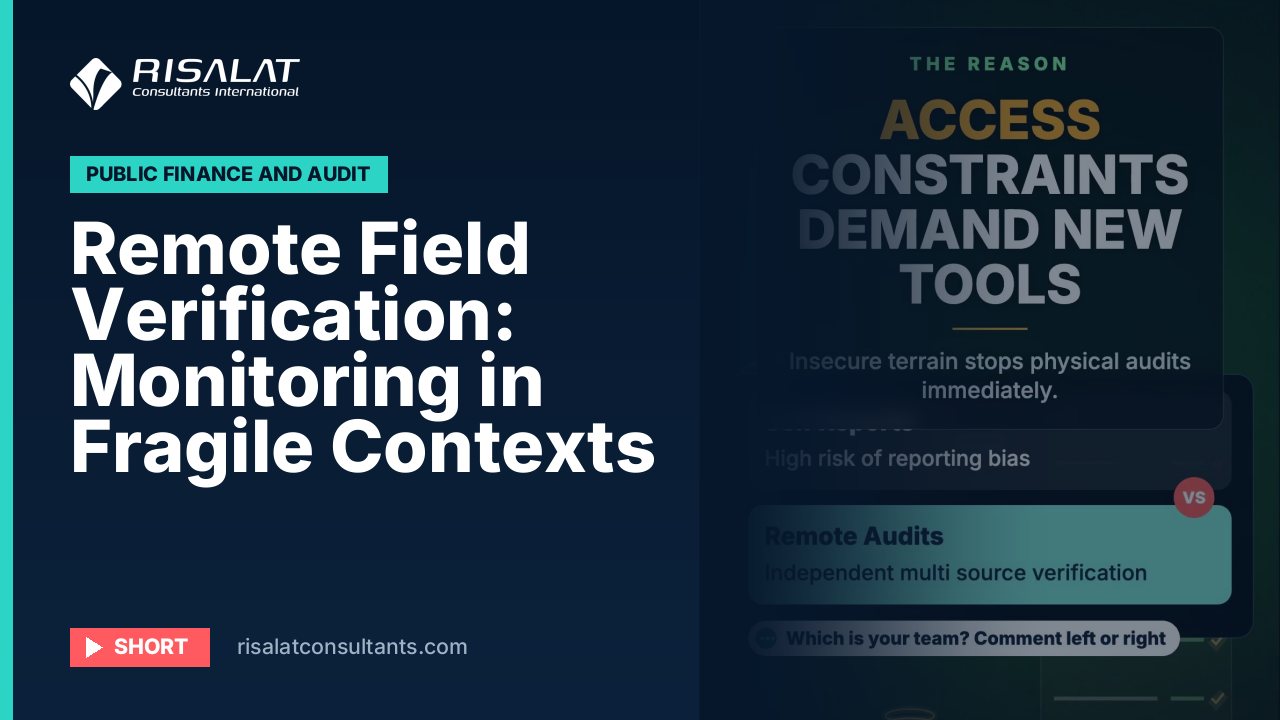
Watch: this programme in short
Other dates and cities for this subject: Gender Mainstreaming and Women's Economic Empowerment training courses (25 upcoming dates).
More training courses in Rwanda · All programmes in Africa · Full training calendar
Plan this programme in a roadmap: why it matters, why to approve it, the dates to plan and the career it builds.