Humanitarian Shelter and Settlements Provision Management Training in Helsinki
In the face of complex environmental challenges and climate change concerns over the last few decades the number of displaced people has been increasing…
Your choices are remembered on this device. Designed to WCAG 2.2 AA · keyboard: Tab to move, Esc to close. Read our accessibility statement.
Press / to search from any page · Esc to close
A range of practical courses in the field of humanitarian aid, material, and logistic assistance to those in need. From Disaster Preparedness and Risk Reduction to Vulnerability, Displacement, and Human Rights – our programmes can meet any of your professional needs.
Humanitarians training courses from Risalat Consultants International: 42 open dates in Amman, Almaty, Istanbul and Phnom Penh, for governments, international organisations, project teams and companies. Choose a date below, or ask us to run any course in-house.
In the face of complex environmental challenges and climate change concerns over the last few decades the number of displaced people has been increasing…
A five-day programme in Barcelona on the causes of displacement, refugee, human rights and IDP law, vulnerability and protection, and durable solutions, using current…
A five-day programme in Vancouver on the sources, rules and implementation of international humanitarian law, covering resolution 2730, the ICRC Global Initiative and Canada's…
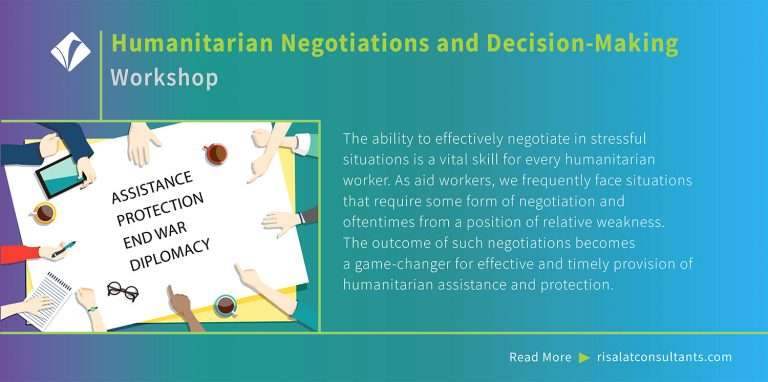
The ability to effectively negotiate in stressful situations is a vital skill for every humanitarian worker. As aid workers, we frequently face situations that…
Gender equality and social inclusion (GESI) are inevitably linked to the economic, social, and health outcomes of populations. The two are among the key…
Cross-sectoral, Participative, and Integrated Land use planning has been recognized as an essential tool for local resource management. Environmental and land use planning guide…
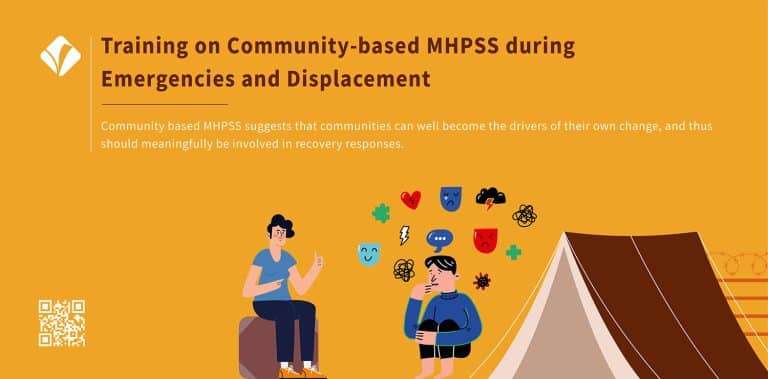
Community is a cornerstone of mental health. Armed conflicts, natural disasters, forced migration, and displacement are not only disruptive to individuals, but result in…
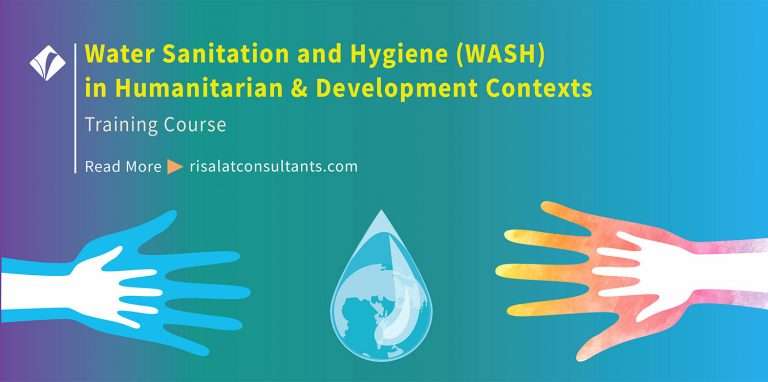
An applied programme in Gaborone for public agencies and development project teams seeking practical capability in wash in humanitarian and development contexts, with guided…
Humanitarian and Development organizations are heavily dependent on the donor community besides other sources of funding. Thereby, promoting and supporting partnerships with funders consumes…
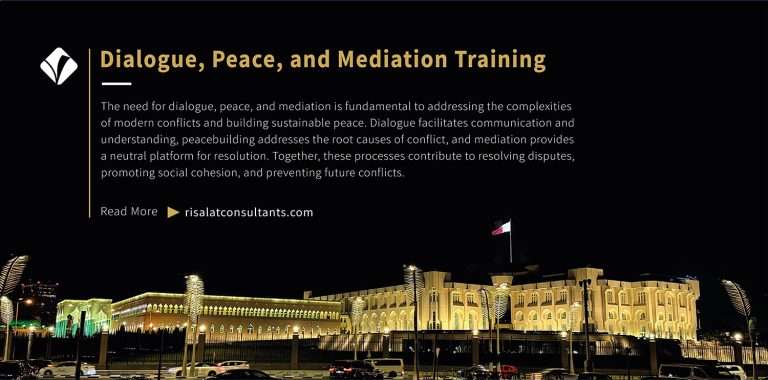
Dialogue, peace, and mediation are key three pillars that support conflict de-escalation and resolution. They lay the groundwork for forging understanding and collaboration among…
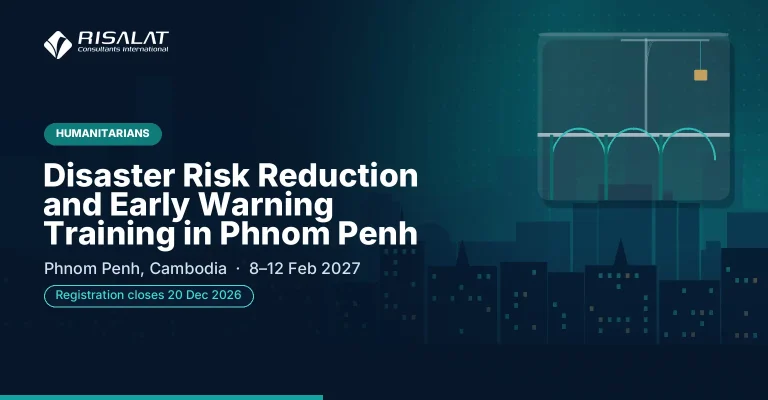
A five-day Disaster Risk Reduction Training in Phnom Penh on risk assessment, end-to-end early warning, preparedness, mitigation and recovery, using Cambodia's Sendai-aligned reforms and…
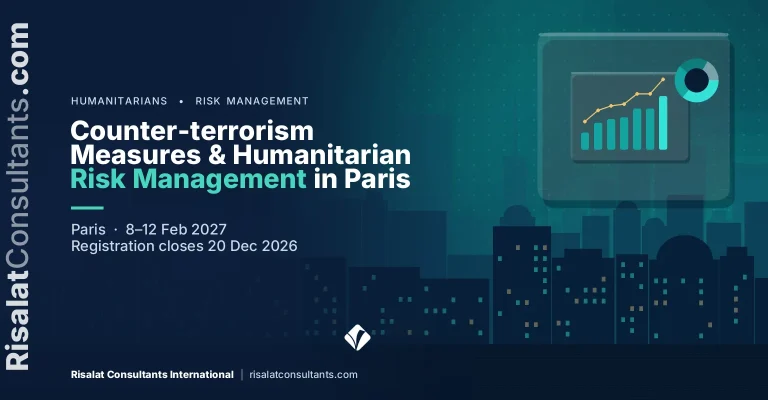
A five-day programme in Paris for humanitarian managers on sanctions, counter-terrorism laws, UN and EU humanitarian carve-outs, FATF Recommendation 8, bank de-risking, partner due…
Contemporary humanitarian organizations work in an increasingly complex environment. Escalated armed conflicts, severe political instability, and natural and man-made disasters make daily operations extremely…
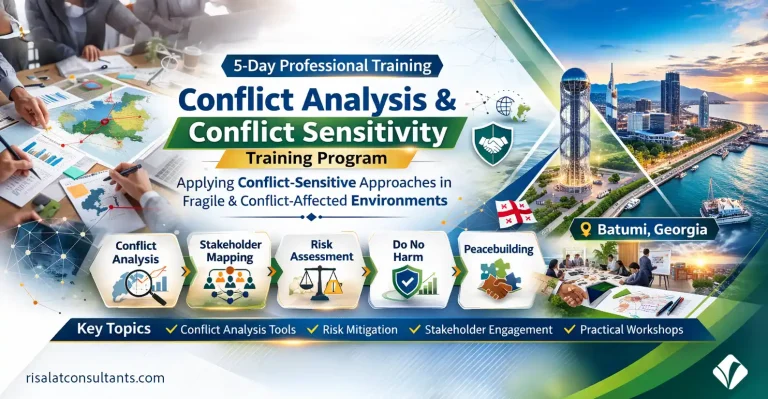
Conflict sensitivity is an approach that helps aid actors understand the complex contexts in which they operate and adapt their programming accordingly. It involves…
Violence against children is a worldwide concern. It affects nearly 1 billion children each year. Exposure to violence in childhood has a lifelong impact…
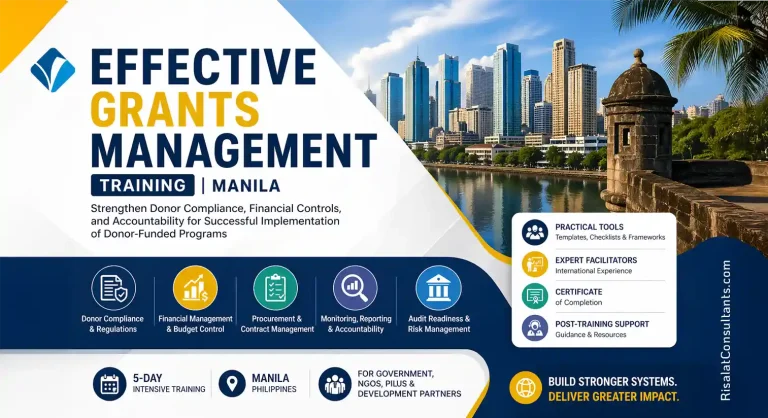
Effective Grants Management Training helps professionals strengthen donor compliance, grant administration, financial oversight, reporting systems, and institutional accountability across donor-funded projects, NGOs, government programmes,…
Humanitarian action is a powerful and direct way of making an impact on millions of lives globally. This is especially true if one considers…
M&E for Development Projects Training equips professionals with practical tools for results-based management, project monitoring, impact assessment, accountability, and evidence-based decision-making across donor-funded and…
Being one of the oldest phenomena, migration is a fact of life. Humans have constantly been moving across societies, however, throughout recent decades such…
A five-day programme in Luxembourg for humanitarian teams to verify information, assess hate speech against recognised thresholds, monitor information risks and respond in ways…
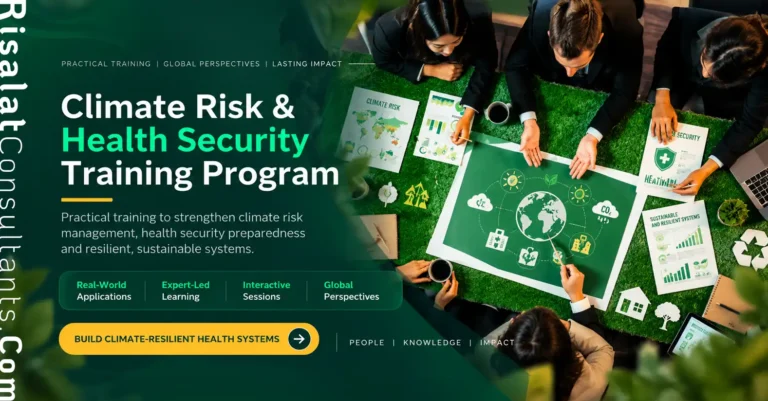
Climate Risk & Health Security Capacity Building Training focuses on strengthening the ability of governments, health institutions, and development partners to anticipate, assess, and…
Build essential project management skills tailored for development and humanitarian sectors. Learn to manage projects effectively from design to closure, including planning, monitoring, evaluation,…
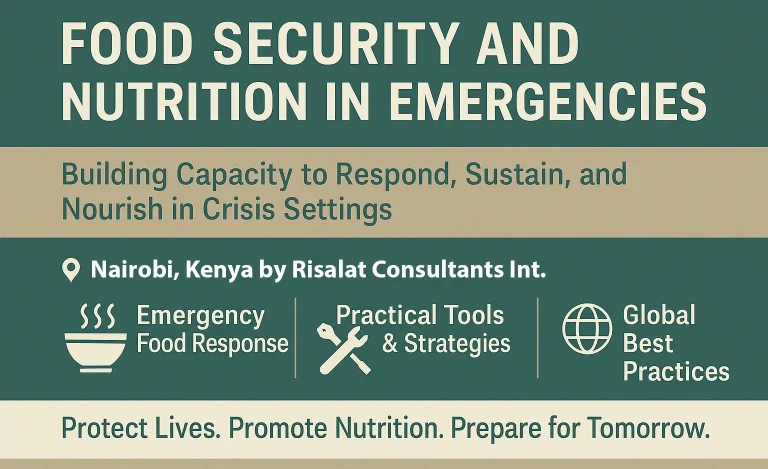
Escalating conflicts, climate extremes, and economic slowdowns continue to undermine food security and drive malnutrition across the globe. The unaffordability of healthy diets, lack…
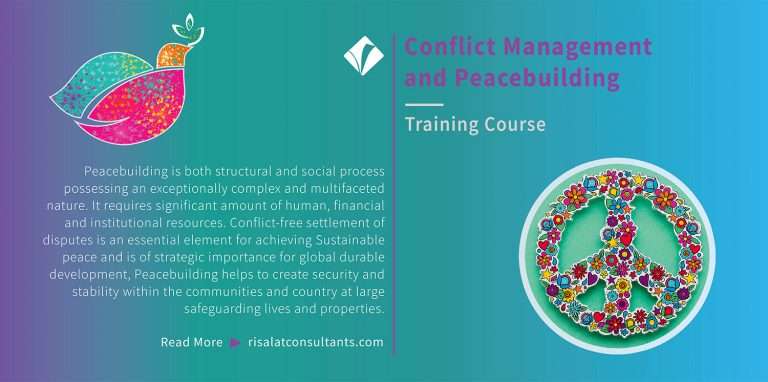
Peacebuilding is both structural and social process possessing an exceptionally complex and multifaceted nature. It requires significant amount of human, financial and institutional resources.
Even though logistics is mostly applied in commercial supply chains, it proves to be a vital instrument in disaster relief and emergency management operations.…
A five-day programme in Warsaw on humanitarian security risk management: context and risk assessment, security plans, incident and crisis management, duty of care and…
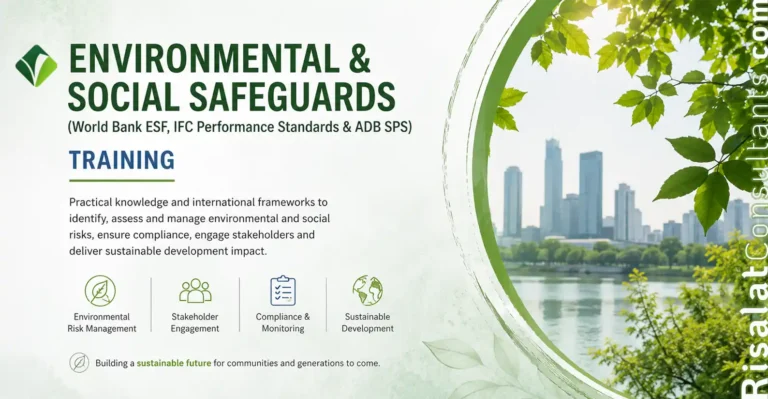
Environmental & Social Safeguards (World Bank ESF, IFC Performance Standards & ADB SPS) Training equips professionals with practical knowledge, tools, and internationally recognized frameworks…
Throughout the last few decades, a number of countries have experienced substantial human development. Extreme Poverty has been cut in half on a global…
The absence of effective mechanisms that could mediate the root causes of conflict has resulted in a striking number of people in need of…
People in armed conflicts and other complex emergencies are forced to cope with a variety of distressing experiences. What we tend to observe first…
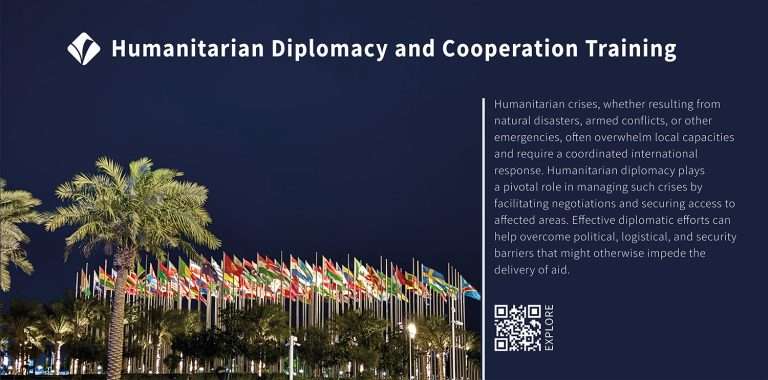
The aim of humanitarian diplomacy is to help alleviate human suffering that is caused by natural disasters, armed conflicts, and other complex crises. It…
Humanitarian emergencies are showing an upward trend across the globe. This is due to worldwide economic volatility, increased number of conflicts and significant climate…
This programme gives officials and project teams the practical methods of programme management in fragile and conflict-affected settings, built around real cases from public…
Disaster and Emergency Management is a discipline that deals with identifying, understanding and avoiding risks. Various types of disasters such as hurricanes, floods, fires,…
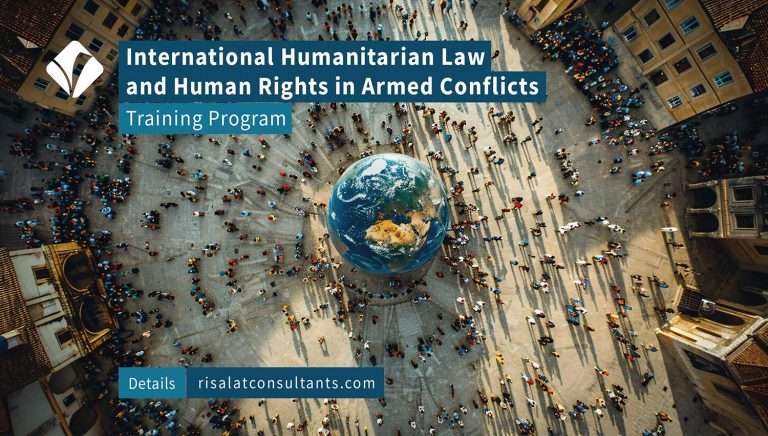
Armed conflicts present profound challenges to human rights and the principles of International Humanitarian Law (IHL). Human Rights and International Humanitarian Law (IHL) are…
Project Management for Development and Humanitarian Sectors has become increasingly important as organizations operate in complex environments characterized by climate change, humanitarian emergencies, displacement,…
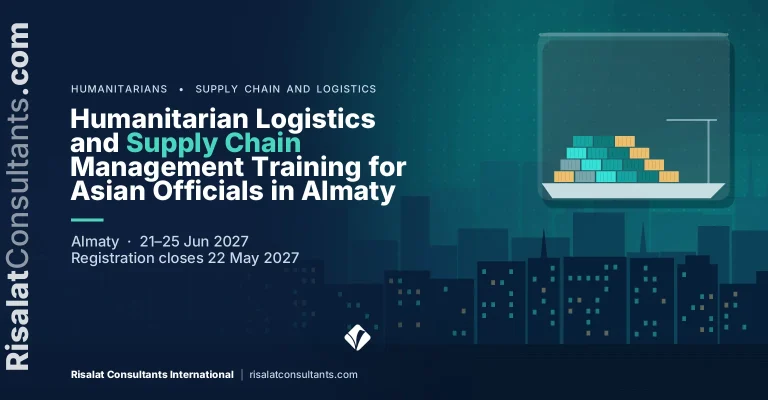
This programme gives officials and project teams the practical methods of humanitarian logistics and supply chain management, built around real cases from public institutions…
This programme gives officials and project teams the practical methods of programme management in fragile and conflict-affected settings, built around real cases from public…
This programme gives officials and project teams the practical methods of humanitarian logistics and supply chain management, built around real cases from public institutions…
Project Management for Development and Humanitarian Sectors has become increasingly important as organizations operate in complex environments characterized by climate change, humanitarian emergencies, displacement,…
Try another month or city, or ask us to run this programme on dates that suit you.
Request your datesRisalat has 42 open Humanitarians courses in 29 cities (Amman, Almaty, Istanbul, Phnom Penh, Warsaw and Brussels and others), from 25 Jan 2027 to 20 Sep 2027. A typical course lasts 5 days. Fees start at £2,750 per participant.
Subjects covered most often: Peacebuilding and conflict, Negotiation and communication, Climate change and environment, Leadership and management and Public procurement.
The courses are written for governments, public agencies, teams running donor-financed projects and companies. Sessions combine short inputs, case studies and group work on participants' own files.
Ranked by how often the subject has run in this field and by registrations.
Risalat also advises institutions on these subjects:
Free tools to prepare before a course:
There are 42 upcoming Humanitarians courses in Amman, Almaty, Istanbul, Phnom Penh, Warsaw and Brussels, starting between 25 Jan 2027 and 20 Sep 2027.
Fees for the upcoming courses range from £2,750 to £4,980 per participant. Each programme page shows its own fee. Payment is by invoice and bank transfer.
The next one is Humanitarian Shelter and Settlements Provision Management Training in Helsinki, 25-29 Jan 2027 in Helsinki (5 days). Registration closes on 6 Dec 2026.
Upcoming dates are in Amman, Almaty, Istanbul, Phnom Penh, Warsaw, Brussels, Manila and Addis Ababa. Teams from any country can join, and the course can also be delivered in your own country or online.
Yes. Any Risalat programme can be delivered in-house for one institution, in your own country or online, on dates that suit your team and adapted to your own documents. Request a proposal.
It depends on your passport: the free Visa Check shows the visa type, processing time and documents for the host country. Registered participants can request an invitation letter: self-funded participants receive it after full payment, sponsored participants on receipt of an official nomination letter and a payment commitment. Embassies can check the letter online.
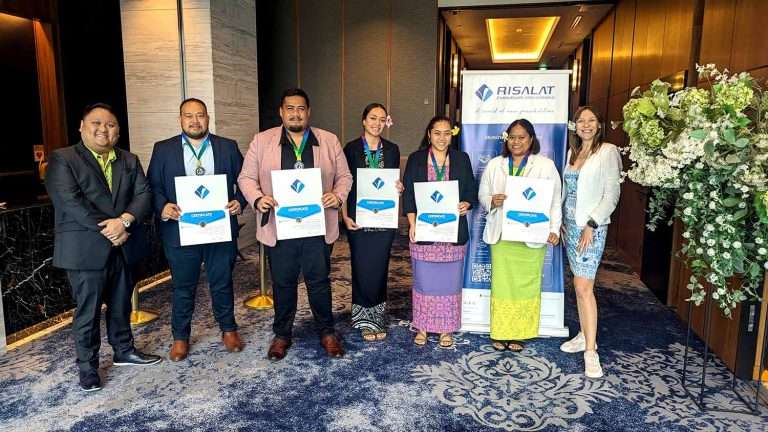
Yes. Participants receive a Risalat certificate with its own code and QR code, which anyone can check online at risalatconsultants.com/verify.
You Shall qualify for the discount if you register as a group. See the discount plans and cancellation policy.
We tailor any programme to your institution, in-house, online or in a city of your choice, with content built around your projects. Payment is by invoice and bank transfer.
We use essential cookies to run this website securely. With your permission we also use cookies for live chat, to understand how the site is used, and to measure our advertising. You can change your choice at any time from “Cookie settings” at the bottom of every page. Privacy and cookie policy
New programme dates, free tools and short insights on procurement, safeguards, M&E and public-sector delivery. No spam; unsubscribe any time.
By subscribing you agree to receive our newsletter. Privacy policy