Programme Overview
People in armed conflicts and other complex emergencies are forced to cope with a variety of distressing experiences. What we tend to observe first are the physical needs. However, the emotional, social, and mental conditions of those exposed to crises are frequently underestimated or even neglected. Left untreated, hidden mental wounds can take an immense toll on the victims of emergencies with long-lasting impacts.
Mental health and psychosocial support (MHPSS) programmes are crucial activities in the humanitarian response while being some of the least expensive too. These programmes can generate a priceless positive impact, especially as a part of an early response. MHPSS saves lives and lays the foundation for healthy communities.
This Training on MHPSS during armed conflicts, crises, and humanitarian emergencies in Frankfurt has been specifically designed for those organizations that are working in humanitarian emergencies and conflicts and are willing to integrate MHPSS into their programming. The content of the workshop has been structured in a way to maximize organizational capacity, form and deepen the understanding of MHPSS among the humanitarian personnel and develop essential skills needed for MHPSS interventions.
Target Audience
This programme is the best suited for:
- MHPSS focal points in humanitarian organizations and specialized NGOs
- Humanitarian Health Sector Staff
- Professionals involved in project and programme activity design
- Members of Health Ministries
- Members of International Humanitarian Agencies and INGOs
- Those responsible for integrating MHPSS into humanitarian programming
Tick what your team needs to be able to do.
Programme Objectives
Upon the successful completion of this training, its attendees will be able to:
- Comprehend key issues related to MHPSS interventions during armed conflicts and other complex emergencies
- Analyze MHPSS needs during emergencies
- Match evidence-based mental health interventions with identified needs in humanitarian settings
- Understand common mental health problems and effective interventions in humanitarian settings
- Advocate for needs of mental health and psychosocial support activities and programmes
- Engage and collaborate with relevant stakeholders in the communities
- Build on existing resources and best practices to promote mental health and psychosocial wellbeing of crisis victims
Programme Contents
- Understanding Crisis, Its consequences, and impacts
- Introduction to Psychological First Aid
- Introduction to Mental Health and Psychosocial Support (MHPSS)
- MHPSS core principles
- Medical and Healthcare Ethics
- Community participation and cultural awareness
- MHPSS During Armed Conflicts
- Mental health as a general concept; Mental Disorders
- Primary Counselling
- Narrative Exposure Therapy
- Family Systemic Counselling
- Self-Care
- Psychological First Aid
- Working with Women and Girls at risk of GBV
- Working with Men
- Working with Children and Parents
- Supporting Child Survivors of Sexual Abuse
- Self-Care
- Children and Adolescents
- Women and Girls
- Elderly
- Refugees
- Disabled Persons and Persons with Special Needs
- Helpers
Full day-by-day contents
First Day – The Foundations
- Understanding Crisis, Its consequences, and impacts
- Introduction to Psychological First Aid
- Introduction to Mental Health and Psychosocial Support (MHPSS)
- MHPSS core principles
- Medical and Healthcare Ethics
- Community participation and cultural awareness
- MHPSS Framework
Second Day – MHPSS in different settings
- MHPSS During Armed Conflicts
- Missing Persons and their families
- Wounded and Hospitalized Patients
- Victims of Violence
- MHPSS During Disasters
- Ethical Aspects
- Protection Aspects
- Gender Aspects
- Cultural Aspects
- MHPSS During Terrorist Attacks
- Immediate and Ongoing MHPSS responses
Third Day – Mental Health
- Mental health as a general concept; Mental Disorders
- Primary Counselling
- Narrative Exposure Therapy
- Family Systemic Counselling
- Self-Care
Fourth Day – Psychosocial Support
- Psychological First Aid
- Working with Women and Girls at risk of GBV
- Working with Men
- Working with Children and Parents
- Supporting Child Survivors of Sexual Abuse
- Self-Care
Fifth Day – Special Aspects for Target Groups
- Children and Adolescents
- Women and Girls
- Elderly
- Refugees
- Disabled Persons and Persons with Special Needs
- Helpers
- Volunteers
- Assessing MHPSS needs for different crisis settings and target groups
Programme Methodology
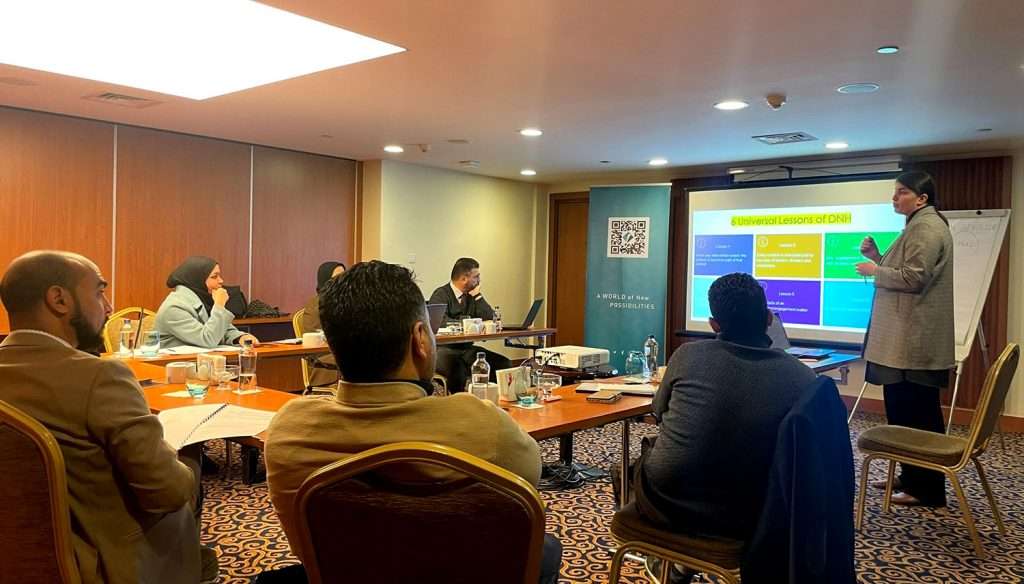
Training on MHPSS during armed conflicts, crises, and humanitarian emergencies in Germany has been designed alongside proven adult-learning techniques and principles. Each session shall be highly interactive focusing on problem-solving skills with practical exercises, group work, role plays, imitated scenarios, and case studies.
Course Deliverables
Participants will enjoy a full-service experience that covers everything needed before, during, and after the programme:
Before the Programme
- Participant Pre-Assessment to ensure effective preparation
- Complimentary Visa Support & Advisory (E-visa applications are fully processed by our team)
During the Programme
- Airport Pickup & Welcome Assistance
- Accommodation with Breakfast for the full duration
- Welcome Dinner for networking and connecting with fellow Participants & the Risalat Team
- Risalat Training Kit, including: bag, water bottle, coffee mug, t-shirt, cap, passport cover, pens, notebook, magnet, keychain
- Lunch Provided Daily during training days
- Comprehensive Course Manual & Training Materials
- Project-Based Templates, Tools, and Worksheets
- Mini Pad / Tablet for convenient access to digital resources
- Digital Case Studies, Reading Packs & Reference Materials
- Access to Sample Datasets & Practical Exercises
- Field Visit (where applicable)
- Complimentary Refreshments & Full Training Venue Facilities
- Access to Online Learning Resources
- Entertaining City Tour
- Certificate of Completion
- Risalat Programme Participation Recognition Award
After the Programme
- Post-Training Support & Follow-Up Guidance
- Programme Report
£3,950 per participant · invoice and bank transfer · groups of 5 or more receive a discount
Five or more from one organisation: ask for the group rate on the invoice request.
Ten or more: an in-house version for your institution may cost less per person. Ask for an in-house quote.
Registration closes in 91 days (17 Jan 2027)