Key takeaways
- What MHPSS means in humanitarian settings. Distress, functioning and mental disorders should be treated as a decision problem rather than a slogan.
- How emergencies affect different groups. Displacement, loss and prolonged uncertainty should be treated as a decision problem rather than a slogan.
- Designing safe and useful services. Psychological first aid and community support should be treated as a decision problem rather than a slogan.
- Measuring outcomes and managing risk. Do-no-harm, confidentiality and consent should be treated as a decision problem rather than a slogan.
- Public agencies and donor-funded projects. Coordination across health and protection clusters should be treated as a decision problem rather than a slogan.
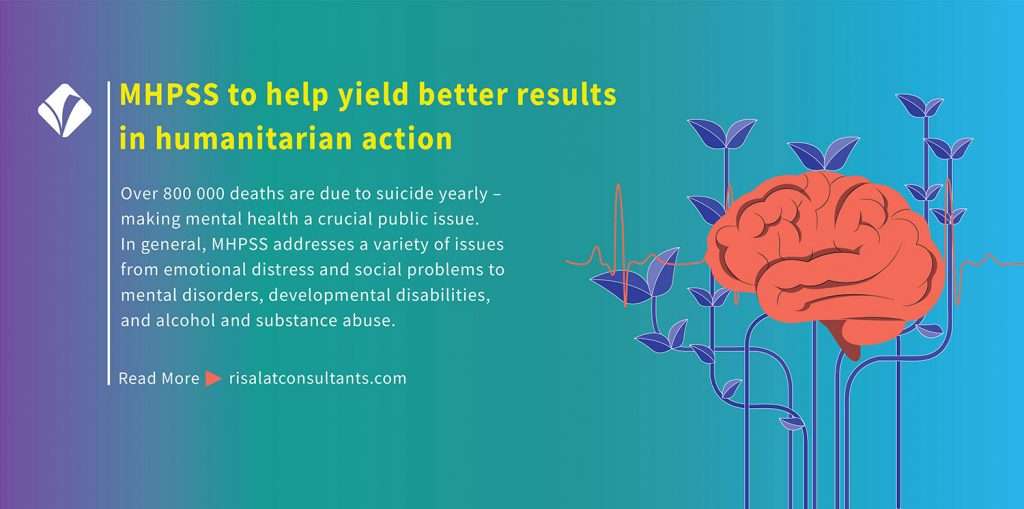
In short: Mental health and psychosocial support, or MHPSS, includes coordinated activities that protect wellbeing and respond to distress and mental health needs during crises. Effective support combines basic services, community networks and access to specialised care. This article explains the practical choices, safeguards and institutional responsibilities involved.
What MHPSS means in humanitarian settings
Distress, functioning and mental disorders
Distress, functioning and mental disorders should be treated as a decision problem rather than a slogan. For mhpss in humanitarian action: a practical implementation guide, the first task is to define the population, location, responsible institution and outcome. Without that definition, teams can report activity while missing the people or systems the intervention is supposed to improve. A useful starting document records the baseline, the main risks, the available evidence and the assumptions that remain untested.
Consider a district programme preparing an operational plan. Its team could compare two locations with different access constraints, interview service users, check administrative records and document why one option is preferred. The example is illustrative, not a claim about a particular funded project. The analysis should distinguish direct outputs, such as staff trained or facilities inspected, from changes in access, safety, performance or wellbeing.
Implementation requires named responsibilities. A technical lead should set minimum standards; finance and procurement staff should check affordability and supplier obligations; monitoring staff should establish data quality rules; and community representatives should have a safe channel to raise concerns. For distress, functioning and mental disorders, the decision record should specify what evidence would cause the team to revise its approach.
The layered system of complementary supports
The layered system of complementary supports should be treated as a decision problem rather than a slogan. For mhpss in humanitarian action: a practical implementation guide, the first task is to define the population, location, responsible institution and outcome. Without that definition, teams can report activity while missing the people or systems the intervention is supposed to improve. A useful starting document records the baseline, the main risks, the available evidence and the assumptions that remain untested.
Consider a district programme preparing an operational plan. Its team could compare two locations with different access constraints, interview service users, check administrative records and document why one option is preferred. The example is illustrative, not a claim about a particular funded project. The analysis should distinguish direct outputs, such as staff trained or facilities inspected, from changes in access, safety, performance or wellbeing.
Implementation requires named responsibilities. A technical lead should set minimum standards; finance and procurement staff should check affordability and supplier obligations; monitoring staff should establish data quality rules; and community representatives should have a safe channel to raise concerns. For the layered system of complementary supports, the decision record should specify what evidence would cause the team to revise its approach.
How emergencies affect different groups
Displacement, loss and prolonged uncertainty
Displacement, loss and prolonged uncertainty should be treated as a decision problem rather than a slogan. For mhpss in humanitarian action: a practical implementation guide, the first task is to define the population, location, responsible institution and outcome. Without that definition, teams can report activity while missing the people or systems the intervention is supposed to improve. A useful starting document records the baseline, the main risks, the available evidence and the assumptions that remain untested.
Consider a district programme preparing an operational plan. Its team could compare two locations with different access constraints, interview service users, check administrative records and document why one option is preferred. The example is illustrative, not a claim about a particular funded project. The analysis should distinguish direct outputs, such as staff trained or facilities inspected, from changes in access, safety, performance or wellbeing.
Implementation requires named responsibilities. A technical lead should set minimum standards; finance and procurement staff should check affordability and supplier obligations; monitoring staff should establish data quality rules; and community representatives should have a safe channel to raise concerns. For displacement, loss and prolonged uncertainty, the decision record should specify what evidence would cause the team to revise its approach.
Age, disability, gender and access barriers
Age, disability, gender and access barriers should be treated as a decision problem rather than a slogan. For mhpss in humanitarian action: a practical implementation guide, the first task is to define the population, location, responsible institution and outcome. Without that definition, teams can report activity while missing the people or systems the intervention is supposed to improve. A useful starting document records the baseline, the main risks, the available evidence and the assumptions that remain untested.
Consider a district programme preparing an operational plan. Its team could compare two locations with different access constraints, interview service users, check administrative records and document why one option is preferred. The example is illustrative, not a claim about a particular funded project. The analysis should distinguish direct outputs, such as staff trained or facilities inspected, from changes in access, safety, performance or wellbeing.
Implementation requires named responsibilities. A technical lead should set minimum standards; finance and procurement staff should check affordability and supplier obligations; monitoring staff should establish data quality rules; and community representatives should have a safe channel to raise concerns. For age, disability, gender and access barriers, the decision record should specify what evidence would cause the team to revise its approach.
Designing safe and useful services
Psychological first aid and community support
Psychological first aid and community support should be treated as a decision problem rather than a slogan. For mhpss in humanitarian action: a practical implementation guide, the first task is to define the population, location, responsible institution and outcome. Without that definition, teams can report activity while missing the people or systems the intervention is supposed to improve. A useful starting document records the baseline, the main risks, the available evidence and the assumptions that remain untested.
Consider a district programme preparing an operational plan. Its team could compare two locations with different access constraints, interview service users, check administrative records and document why one option is preferred. The example is illustrative, not a claim about a particular funded project. The analysis should distinguish direct outputs, such as staff trained or facilities inspected, from changes in access, safety, performance or wellbeing.
Implementation requires named responsibilities. A technical lead should set minimum standards; finance and procurement staff should check affordability and supplier obligations; monitoring staff should establish data quality rules; and community representatives should have a safe channel to raise concerns. For psychological first aid and community support, the decision record should specify what evidence would cause the team to revise its approach.
Referral pathways and specialist care
Referral pathways and specialist care should be treated as a decision problem rather than a slogan. For mhpss in humanitarian action: a practical implementation guide, the first task is to define the population, location, responsible institution and outcome. Without that definition, teams can report activity while missing the people or systems the intervention is supposed to improve. A useful starting document records the baseline, the main risks, the available evidence and the assumptions that remain untested.
Consider a district programme preparing an operational plan. Its team could compare two locations with different access constraints, interview service users, check administrative records and document why one option is preferred. The example is illustrative, not a claim about a particular funded project. The analysis should distinguish direct outputs, such as staff trained or facilities inspected, from changes in access, safety, performance or wellbeing.
Implementation requires named responsibilities. A technical lead should set minimum standards; finance and procurement staff should check affordability and supplier obligations; monitoring staff should establish data quality rules; and community representatives should have a safe channel to raise concerns. For referral pathways and specialist care, the decision record should specify what evidence would cause the team to revise its approach.
Practical decision checklist
- Identify the accountable institution and intended beneficiaries.
- Verify the current baseline against an original source.
- Assess legal, environmental, social and operational risks.
- Compare at least two feasible implementation options.
- Set indicators, feedback channels and a review date.
Measuring outcomes and managing risk
Do-no-harm, confidentiality and consent
Do-no-harm, confidentiality and consent should be treated as a decision problem rather than a slogan. For mhpss in humanitarian action: a practical implementation guide, the first task is to define the population, location, responsible institution and outcome. Without that definition, teams can report activity while missing the people or systems the intervention is supposed to improve. A useful starting document records the baseline, the main risks, the available evidence and the assumptions that remain untested.
Consider a district programme preparing an operational plan. Its team could compare two locations with different access constraints, interview service users, check administrative records and document why one option is preferred. The example is illustrative, not a claim about a particular funded project. The analysis should distinguish direct outputs, such as staff trained or facilities inspected, from changes in access, safety, performance or wellbeing.
Implementation requires named responsibilities. A technical lead should set minimum standards; finance and procurement staff should check affordability and supplier obligations; monitoring staff should establish data quality rules; and community representatives should have a safe channel to raise concerns. For do-no-harm, confidentiality and consent, the decision record should specify what evidence would cause the team to revise its approach.
Feedback, workforce support and service quality
Feedback, workforce support and service quality should be treated as a decision problem rather than a slogan. For mhpss in humanitarian action: a practical implementation guide, the first task is to define the population, location, responsible institution and outcome. Without that definition, teams can report activity while missing the people or systems the intervention is supposed to improve. A useful starting document records the baseline, the main risks, the available evidence and the assumptions that remain untested.
Consider a district programme preparing an operational plan. Its team could compare two locations with different access constraints, interview service users, check administrative records and document why one option is preferred. The example is illustrative, not a claim about a particular funded project. The analysis should distinguish direct outputs, such as staff trained or facilities inspected, from changes in access, safety, performance or wellbeing.
Implementation requires named responsibilities. A technical lead should set minimum standards; finance and procurement staff should check affordability and supplier obligations; monitoring staff should establish data quality rules; and community representatives should have a safe channel to raise concerns. For feedback, workforce support and service quality, the decision record should specify what evidence would cause the team to revise its approach.
Public agencies and donor-funded projects
Coordination across health and protection clusters
Coordination across health and protection clusters should be treated as a decision problem rather than a slogan. For mhpss in humanitarian action: a practical implementation guide, the first task is to define the population, location, responsible institution and outcome. Without that definition, teams can report activity while missing the people or systems the intervention is supposed to improve. A useful starting document records the baseline, the main risks, the available evidence and the assumptions that remain untested.
Consider a district programme preparing an operational plan. Its team could compare two locations with different access constraints, interview service users, check administrative records and document why one option is preferred. The example is illustrative, not a claim about a particular funded project. The analysis should distinguish direct outputs, such as staff trained or facilities inspected, from changes in access, safety, performance or wellbeing.
Implementation requires named responsibilities. A technical lead should set minimum standards; finance and procurement staff should check affordability and supplier obligations; monitoring staff should establish data quality rules; and community representatives should have a safe channel to raise concerns. For coordination across health and protection clusters, the decision record should specify what evidence would cause the team to revise its approach.
Funding, safeguarding and sustainable integration
Funding, safeguarding and sustainable integration should be treated as a decision problem rather than a slogan. For mhpss in humanitarian action: a practical implementation guide, the first task is to define the population, location, responsible institution and outcome. Without that definition, teams can report activity while missing the people or systems the intervention is supposed to improve. A useful starting document records the baseline, the main risks, the available evidence and the assumptions that remain untested.
Consider a district programme preparing an operational plan. Its team could compare two locations with different access constraints, interview service users, check administrative records and document why one option is preferred. The example is illustrative, not a claim about a particular funded project. The analysis should distinguish direct outputs, such as staff trained or facilities inspected, from changes in access, safety, performance or wellbeing.
Implementation requires named responsibilities. A technical lead should set minimum standards; finance and procurement staff should check affordability and supplier obligations; monitoring staff should establish data quality rules; and community representatives should have a safe channel to raise concerns. For funding, safeguarding and sustainable integration, the decision record should specify what evidence would cause the team to revise its approach.
For institutional teams, the central question is not whether the issue deserves attention, but which actions can be delivered, independently checked and improved. Risalat offers an institutional capacity diagnostic and tailored programme discussions to help teams identify practical gaps.
Explore the institutional capacity assessment, training needs assessment and request a tailored proposal.
Frequently Asked Questions
How should organisations address distress, functioning and mental disorders?
Begin with a verified baseline, clear responsibilities and a risk assessment. Compare realistic options, involve affected people safely and measure outcomes rather than activities alone.
How should organisations address displacement, loss and prolonged uncertainty?
Begin with a verified baseline, clear responsibilities and a risk assessment. Compare realistic options, involve affected people safely and measure outcomes rather than activities alone.
How should organisations address psychological first aid and community support?
Begin with a verified baseline, clear responsibilities and a risk assessment. Compare realistic options, involve affected people safely and measure outcomes rather than activities alone.
How should organisations address do-no-harm, confidentiality and consent?
Begin with a verified baseline, clear responsibilities and a risk assessment. Compare realistic options, involve affected people safely and measure outcomes rather than activities alone.
How should organisations address coordination across health and protection clusters?
Begin with a verified baseline, clear responsibilities and a risk assessment. Compare realistic options, involve affected people safely and measure outcomes rather than activities alone.
- Procurement Framework and Regulations for Projects World Bank
- MAPS: Methodology for Assessing Procurement Systems MAPS Initiative
- Open Contracting Partnership Open Contracting Partnership
Know people who should read this? Become a Risalat Ambassador or write an article with Risalat under your own name.
Partners in project success since 2011, diagnostics, advisory support and applied learning for ministries, public agencies and project teams.
Need help putting this into practice?
Start with a free 10-minute diagnostic or talk to our experts.