Programme Introduction
World Bank Procurement Training has become increasingly important as the World Bank continues to finance major infrastructure and development projects across the globe. Each year, billions of dollars are invested in the procurement of equipment, works, and related services to support sustainable development and economic growth. Governments, implementing agencies, and project teams therefore require skilled procurement professionals with a thorough understanding of the World Bank Procurement Framework, policies, and procedures to ensure compliance, transparency, value for money, and successful project delivery.
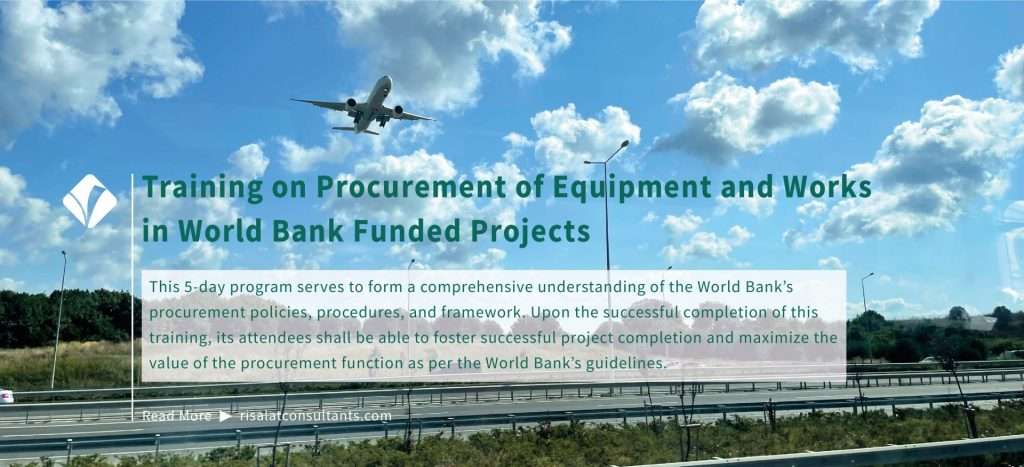
Training on Procurement of Equipment and Works in World Bank Funded Projects in Budapest, Hungary has been specifically developed for governmental bodies, agencies, and other commercial entities that are involved in the execution of World Bank-aided infrastructure projects. The 5-day programme serves to form a comprehensive understanding of the World Bank’s procurement policies, procedures, and framework. Upon the successful completion of this training, its attendees shall be able to foster successful project completion and maximize the value of the procurement function as per the World Bank’s guidelines.
Who Should Attend This World Bank Procurement Training?
Training on Procurement of Equipment and Works in World Bank Funded Projects in Budapest, Hungary is the best suited for:
- Procurement Personnel of Governmental Bodies
- Procurement Officers involved in World Bank-funded projects
- National Public Procurement Practitioners
- Project Managers and Directors overseeing World Bank aided infrastructure projects
- Other Procurement Specialists interested in World Bank’s Procurement Policies and Guidelines
Tick what your team needs to be able to do.
World Bank Procurement Training Objectives
Upon the successful completion of this World Bank Procurement Training, its attendees shall be able to:
- Plan and execute all procurement functions for the acquisition of equipment and provision of works
- Comply with procedural requirements of the World Bank for IPF Borrowers
- Familiarize themselves with the World Bank’s standard procurement documents
- Apply sound procurement strategies
- Identify, analyze, and apply the appropriate techniques for effective procurement management
- Understand major considerations in the World Bank’s procurement cycle
World Bank Procurement Training Contents
- Understanding the structure of the World Bank
- The World Bank’s Procurement policy aims and objectives
- Project cycle in World Bank Aided Projects
- New Procurement Framework and Its requirements
- Value for Money as key to effective procurement
- Strategic and Operational Planning
- Understanding Project Procurement Strategy for Development (PPSD)
- Drafting the PPSD; Creating a template
- Borrower’s operational context and capability
- PPSD Supplier Market Analysis
- Procurement Risk Analysis
- Needs Assessment
- The procurement Cycle in World Bank Aided projects
- Objectives and Approach to Procurement
- Stakeholder Participation in the creation of the Procurement Plan
- Getting NOC from the World Bank
- Competitive Bidding under the new Procurement Framework
- Key Regulations related to ICB
- Recognized Selection Methods
- Understanding and Using the World Banks Standard Procurement Documentation
- Selection Arrangements
- Incoterms, insurance, forwarding, and transport arrangements
- Contract Conditions
- Evaluating Bids and Proposals
- The standard qualification process for works
- Evaluation Process for Works
- Management of Complaints and Grievances
- Contract Execution
- Planning for successful contract management
- Code of Ethics in Public Procurement
Full day-by-day contents
First Day
- Understanding the structure of the World Bank
- The World Bank’s Procurement policy aims and objectives
- Project cycle in World Bank Aided Projects
- New Procurement Framework and Its requirements
- Value for Money as key to effective procurement
- Strategic and Operational Planning
Second Day
- Understanding Project Procurement Strategy for Development (PPSD)
- Drafting the PPSD; Creating a template
- Borrower’s operational context and capability
- PPSD Supplier Market Analysis
- Procurement Risk Analysis
- Needs Assessment
Third Day
- The procurement Cycle in World Bank Aided projects
- Objectives and Approach to Procurement
- Stakeholder Participation in the creation of the Procurement Plan
- Getting NOC from the World Bank
- Competitive Bidding under the new Procurement Framework
- Key Regulations related to ICB
Fourth Day
- Recognized Selection Methods
- Understanding and Using the World Banks Standard Procurement Documentation
- Selection Arrangements
- Incoterms, insurance, forwarding, and transport arrangements
- Contract Conditions
- Evaluating Bids and Proposals
- Purpose and content of different works procurement documents
- Common types of work contracts
Fifth Day
- The standard qualification process for works
- Evaluation Process for Works
- Management of Complaints and Grievances
- Contract Execution
- Planning for successful contract management
- Code of Ethics in Public Procurement
World Bank Procurement Training Methodology
The sessions will be conducted alongside contemporary adult-learning principles and techniques. To boost participant understanding and encourage the instant practical appliance of the material covered, the presenter will focus on numerous pragmatic exercises, scenario imitations, video demonstrations, open discussions, and case studies. Each day will be finalized by the acquisition of attendee feedback. This arrangement serves to improve the performance of the coming sessions and support the unique requirements of each delegate.
Programme-Related Host Country Profile
Budapest provides an ideal environment for a World Bank–focused procurement training, combining strong institutional governance with a modern public procurement framework aligned to EU standards. As an EU member state, Hungary follows rigorous rules for equipment and works procurement, transparency, e-procurement, and contract administration, making it an excellent real-world model for participants learning international development procurement. Budapest is home to several EU and international project offices, and Hungary has collaborated extensively with the World Bank on infrastructure modernization, municipal development, and institutional capacity-building programmes. The city’s stable regulatory environment, advanced infrastructure, and strong compliance culture offer a practical backdrop for understanding procurement processes, bid evaluation, contract management, and safeguards required in donor-funded projects. With its central European location and excellent accessibility, Budapest provides a professional, structured, and enriching setting for learning global procurement standards.
Course Deliverables
Participants will enjoy a full-service experience that covers everything needed before, during, and after the programme:
Before the Programme
- Participant Pre-Assessment to ensure effective preparation
- Complimentary Visa Support & Advisory (E-visa applications are fully processed by our team)
- Airport Pickup & Welcome Assistance
- Accommodation with Breakfast for the full duration
- Welcome Dinner for networking and connecting with fellow Participants & the Risalat Team
During the Programme
- Risalat Training Kit, including: bag, water bottle, coffee mug, t-shirt, cap, passport cover, pens, notebook, magnet, keychain
- Lunch Provided Daily during training days
- Comprehensive Course Manual & Training Materials
- Project-Based Templates, Tools, and Worksheets
- Mini Pad / Tablet for convenient access to digital resources
- Digital Case Studies, Reading Packs & Reference Materials
- Access to Sample Datasets & Practical Exercises
- Field Visit (where applicable)
- Complimentary Refreshments & Full Training Venue Facilities
- Access to Online Learning Resources
- Entertaining City Tour
After the Programme
- Certificate of Completion
- Risalat Programme Participation Recognition Award
- Post-Training Support & Follow-Up Guidance
- Programme Report
£4,250 per participant · invoice and bank transfer · groups of 5 or more receive a discount
Five or more from one organisation: ask for the group rate on the invoice request.
Ten or more: an in-house version for your institution may cost less per person. Ask for an in-house quote.
Registration closes in 5 days (23 Oct 2026)
Common Challenges in World Bank Procurement Projects, and How This Training Helps
How can organizations comply with the World Bank Procurement Framework?
Participants gain practical knowledge of the World Bank Procurement Framework, procurement regulations, and procedures to strengthen compliance, transparency, and value for money throughout the procurement lifecycle.
How can procurement teams prepare effective Procurement Strategies for Development (PPSD)?
The programme provides practical guidance on developing Project Procurement Strategies for Development (PPSD), conducting market analysis, assessing procurement risks, and selecting appropriate procurement approaches for World Bank-financed projects.
How can organizations improve procurement planning and bid management?
Participants learn best practices for procurement planning, bidding, bid evaluation, and contract award to improve procurement efficiency and support successful project implementation.
How can procurement professionals evaluate bids fairly and transparently?
The programme examines evaluation methodologies, standard procurement documents, qualification criteria, and evaluation procedures that promote fairness, transparency, and compliance with World Bank requirements.
How can organizations strengthen contract management in World Bank-funded projects?
Participants explore practical approaches to contract administration, performance monitoring, contract modifications, dispute management, and successful contract execution throughout the project lifecycle.
How can procurement teams manage procurement risks in development projects?
The training introduces practical techniques for procurement risk identification, mitigation planning, supplier assessment, and compliance monitoring to reduce implementation risks and improve project outcomes.
How can organizations improve procurement governance and accountability?
Participants examine procurement governance principles, ethical procurement practices, stakeholder engagement, complaints management, and accountability mechanisms that strengthen institutional performance and public trust.
How can professionals deliver successful procurement outcomes in World Bank-funded projects?
The programme equips participants with practical tools, internationally recognized good practices, and implementation strategies to improve procurement performance, strengthen compliance, and support the successful delivery of World Bank-financed projects.