Training programmes in Hanoi from Risalat Consultants International bring officials, project teams and professionals together for practical, expert-led learning. Choose a date below, or ask us to run any programme in-house for your team.
This programme addresses the evolving needs of procurement and supply chain professionals by equipping them with essential skills, practical tools, and contemporary techniques required…
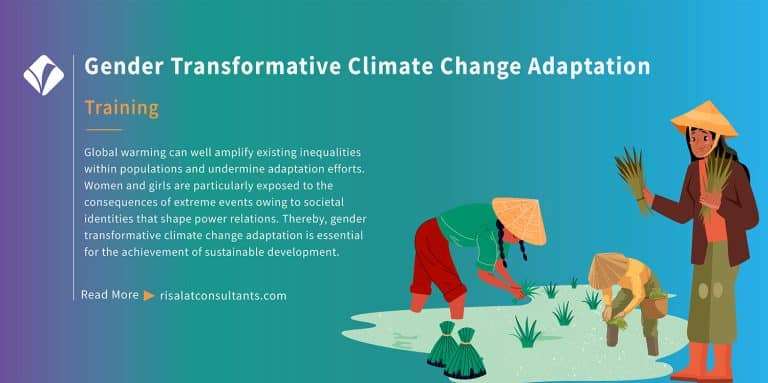
Gender Transformative Climate Change Adaptation is essential for achieving the Sustainable Development Goals. While climate change affects everyone, its impacts are not equal, it…
This extensive training programme provides its attendees a solid understanding of banks’ financial statements and applicable methods and tools to analyze them.
Road networks play a critical role in economic development and regional connectivity, facilitating trade, mobility, and access to employment opportunities while supporting industrial growth,…
The Non-Performing Loans Management & Debt-Recovery Strategies Training in Hanoi equips finance professionals to monitor, restructure, and recover distressed portfolios. Participants will enhance negotiation…
Transboundary basins provide water for 3 billion people worldwide. Integrated River Basin Management is the most promising vehicle for overcoming imminent water crises. Cooperation…
Agronomy represents the applied aspects of both soil and plant sciences dealing with field crops and pastures. It is therefore, directly responsible for the production…
Risalat offers a unique short-term training course that represents a well-balanced mix of interactive learning, practical application and engrossing experience in all the main…
Programmes, Workshops, Exposures, Training Courses in Hanoi, Vietnam by Risalat Consultants International
Need this for your whole team?
We tailor any programme to your institution, in-house, online or in a city of your choice, with content built around your projects. Payment is by invoice and bank transfer.
We use essential cookies to run this website securely. With your permission we also use cookies for live chat, to understand how the site is used, and to measure our advertising. You can change your choice at any time from “Cookie settings” at the bottom of every page. Privacy and cookie policy
Risalat insights · monthlyPractical ideas for better projects, once a month
New programme dates, free tools and short insights on procurement, safeguards, M&E and public-sector delivery. No spam; unsubscribe any time.
By subscribing you agree to receive our newsletter. Privacy policy