Key facts
- Dates
- 15–18 Feb 2027 (4 days)
- Where
- Baku, Azerbaijan
- Fee per participant
- £2,450 (GBP)
- Payment
- By invoice and bank transfer
- Registration closes
- 16 Jan 2027
- Certificate
- Certificate of completion
- In-house option
- Run it for your team, on your dates
On this page 13 sections
Programme Overview
This intensive four-day professional course in Baku equips civil engineers, technical supervisors, and education project managers with the core capabilities required to plan, design, and oversee community-based school infrastructure. Participants examine verified engineering methods suited to rural and fragile contexts, balancing rigorous safety standards with logistical constraints. By focusing on practical design solutions, the programme ensures that public education facilities achieve structural integrity, climate resilience, and full compliance with international donor safeguards for civil works.
The curriculum addresses the entire lifecycle of rural school infrastructure upgrades, from initial site selection and technical appraisal through to quality assurance and community handover. Key engineering subjects include seismic risk mitigation, cost-effective masonry, local material testing, and the integration of gender-segregated Water, Sanitation, and Hygiene (WASH) infrastructure. Training modules emphasise hands-on review exercises, enabling practitioners to evaluate structural drawings, calculate realistic bills of quantities, and detect technical anomalies before construction phases commence on site.
Delivered through interactive peer sessions, real-world case analyses, and practical engineering exercises, this course establishes clear links between engineering standards and community-led execution modalities. Attendees review established procurement verification techniques, community contracting protocols, and inclusive accessibility guidelines, ensuring finished educational facilities accommodate students with physical disabilities. Practitioners leave with verified inspection strategies that maintain construction quality, prevent structural failures, and guarantee accountability across donor-funded education infrastructure portfolios.
Educational infrastructure investments across fragile and conflict-affected regions, particularly programmes aligned with physical works under the EQRA initiative, require stringent engineering oversight to guarantee student safety and programme value. Implementing civil works through community-driven development frameworks presents complex technical hurdles, including dispersed rural job sites, variable material quality, and active seismic hazard zones. Engineering and project teams must possess the specialised capabilities required to verify compliance with international building codes, enforce gender-segregated sanitation standards, and administer transparent local procurement without compromising structural resilience.
Delivered by Risalat Consultants International in Baku, Azerbaijan, it combines expert-led sessions, real cases and group work, so that participants can apply what they learn in their own institution.
The Programme Strengthens Institutional Capability
- Geotechnical risk assessment, soil suitability tests, and school site hazard profiling
- Seismic design codes and structural engineering principles for unreinforced and confined masonry
- Roof truss design, bracing systems, and connection details for wind and earthquake resistance
- Foundations design: adaptations for sloping sites, expansive clays, and poor load-bearing soils
- Practical structural appraisal: identifying structural vulnerabilities in existing educational buildings
- Cost-effective rural classroom envelopes: masonry units, mortar mixes, and thermal insulation
- Field-level quality testing methods for aggregate, sand, cement, water, and reinforcement bars
- Design and structural stability standards for protective school boundary walls and security gates
- Environmental and social risk screening
- Assessment instruments and management plans
- Stakeholder engagement planning
- Grievance mechanisms that work
It is designed for education infrastructure engineers working on donor-funded civil works programmes, civil technical supervisors responsible for field inspection and quality control, school development managers overseeing community-driven construction contracts and others who want practical, current skills in environmental, social and stakeholder management.
The Growing Importance of Community-Based School Construction and Upgrading Standards in Baku
Financiers now require projects to identify and manage environmental and social risks from the start, and to involve the people affected. Weak safeguards management causes delays, suspended disbursements and lasting harm to communities.
Good practice in stakeholder engagement, grievance handling, inclusion and resettlement protects people and keeps projects on track. Teams who understand the standards and apply them early save time and build trust.
Organisations increasingly require professionals capable of:
- Screen and classify environmental and social risks
- Prepare and implement management plans
- Engage stakeholders meaningfully throughout the project
- Run grievance mechanisms that resolve issues
- Monitor and report on commitments to financiers
Strong environmental, social and stakeholder management systems help organisations:
- Avoid delays and suspended disbursements
- Protect communities and workers
- Meet financier standards and commitments
- Build trust with affected people and the public
This Community-Based School Construction and Upgrading Standards in Baku programme brings these elements together in a practical format, so that participants understand not only what good practice looks like but also how to introduce it in their own setting, with the people and resources they have.
Who Should Attend This Community-Based School Construction and Upgrading Standards in Baku Training?
This programme is designed for:
- Education infrastructure engineers working on donor-funded civil works programmes
- Civil technical supervisors responsible for field inspection and quality control
- School development managers overseeing community-driven construction contracts
- Project management unit (PMU) infrastructure specialists, particularly from Afghanistan
- Procurement officers handling community contracting and local works tenders
- Municipal and provincial public works engineers supporting rural education projects
- WASH technical specialists designing school sanitation and water systems
- Civil society oversight monitors auditing community-managed school sites
- Environmental and social specialists
- Safeguards officers in PIUs
- Project and programme managers
- Community liaison and engagement officers
The programme suits experienced professionals as well as those moving into new responsibilities. Groups that mix institutions and countries are encouraged, because participants learn a great deal from each other’s experience.
Tick what your team needs to be able to do.
Community-Based School Construction and Upgrading Standards in Baku Training Objectives
Upon successful completion of this Community-Based School Construction and Upgrading Standards in Baku Training, participants will be able to:
- Evaluate seismic-safe structural design options for single-storey and multi-storey rural educational facilities
- Appraise low-cost, durable building materials suitable for remote and logistically constrained construction sites
- Design gender-segregated, culturally appropriate sanitation, hygiene, and clean water supply installations
- Incorporate universal accessibility standards into school layouts to guarantee barrier-free access for all pupils
- Scrutinise detailed engineering designs, structural calculations, and complex bills of quantities for civil works
- Apply community-based procurement verification frameworks to monitor local labour, materials, and equipment
- Execute rigorous on-site quality control inspections using standardised structural checklists and reporting tools
- Explain the environmental and social standards that apply to their projects
- Screen and classify risks and impacts
- Prepare the key instruments and management plans
Each objective is practised during the programme through exercises, cases or group work, so that participants leave able to do it, not only to describe it.
Programme Contents and Structure
- Geotechnical risk assessment, soil suitability tests, and school site hazard profiling
- Seismic design codes and structural engineering principles for unreinforced and confined masonry
- Roof truss design, bracing systems, and connection details for wind and earthquake resistance
- Foundations design: adaptations for sloping sites, expansive clays, and poor load-bearing soils
- Practical structural appraisal: identifying structural vulnerabilities in existing educational buildings
- Cost-effective rural classroom envelopes: masonry units, mortar mixes, and thermal insulation
- Field-level quality testing methods for aggregate, sand, cement, water, and reinforcement bars
- Design and structural stability standards for protective school boundary walls and security gates
- Natural ventilation, daylighting optimization, and passive thermal control for rural classrooms
- Case study review: resolving technical faults in community-executed masonry and concrete pours
- Technical standards for segregated, dignified sanitation facilities for boys, girls, and staff
- Safe drinking water supply systems, rainwater harvesting storage, and septic tank design
- Barrier-free physical design: access ramps, turning circles, handrails, and inclusive latrines
- Site drainage, erosion control, and environmental mitigation during active civil works
- Design clinic: converting standard school architectural drawings into fully inclusive layouts
- Bill of quantities validation: rate analysis, quantity take-offs, and contingency allocation
- Community contracting models: documentation, milestone verification, and disbursement triggers
- Verification procedures for local material procurement, transport receipts, and labour logs
- On-site technical supervision schedules, punch list generation, and final defect inspection
- Action planning: establishing robust technical supervision and risk mitigation protocols
Full day-by-day contents
The programme runs over 4 days. Each day combines expert input, practical work and a closing workshop or case study:
- First Day: Seismic Principles, Structural Safety, and Site Selection
- Second Day: Classroom Construction, Material Testing, and Boundary Walls
- Third Day: WASH Facilities, Barrier-Free Access, and Environmental Safeguards
- Fourth Day: Bills of Quantities, Community Procurement, and Quality Oversight
Full day-by-day contents
First Day | Seismic Principles, Structural Safety, and Site Selection
- Geotechnical risk assessment, soil suitability tests, and school site hazard profiling
- Seismic design codes and structural engineering principles for unreinforced and confined masonry
- Roof truss design, bracing systems, and connection details for wind and earthquake resistance
- Foundations design: adaptations for sloping sites, expansive clays, and poor load-bearing soils
- Practical structural appraisal: identifying structural vulnerabilities in existing educational buildings
Workshop: Seismic Principles, Structural Safety, and Site Selection: Applying It to Your Institution
Working in small groups, participants apply the day's methods to examples from their own institutions and agree practical next steps.
Second Day | Classroom Construction, Material Testing, and Boundary Walls
- Cost-effective rural classroom envelopes: masonry units, mortar mixes, and thermal insulation
- Field-level quality testing methods for aggregate, sand, cement, water, and reinforcement bars
- Design and structural stability standards for protective school boundary walls and security gates
- Natural ventilation, daylighting optimization, and passive thermal control for rural classrooms
- Case study review: resolving technical faults in community-executed masonry and concrete pours
Workshop: Classroom Construction, Material Testing, and Boundary Walls: Applying It to Your Institution
Working in small groups, participants apply the day's methods to examples from their own institutions and agree practical next steps.
Third Day | WASH Facilities, Barrier-Free Access, and Environmental Safeguards
- Technical standards for segregated, dignified sanitation facilities for boys, girls, and staff
- Safe drinking water supply systems, rainwater harvesting storage, and septic tank design
- Barrier-free physical design: access ramps, turning circles, handrails, and inclusive latrines
- Site drainage, erosion control, and environmental mitigation during active civil works
- Design clinic: converting standard school architectural drawings into fully inclusive layouts
Case Study: WASH Facilities, Barrier-Free Access, and Environmental Safeguards in Practice
Participants analyse a realistic case, compare the choices made with good practice and draw lessons they can use in their own setting.
Fourth Day | Bills of Quantities, Community Procurement, and Quality Oversight
- Bill of quantities validation: rate analysis, quantity take-offs, and contingency allocation
- Community contracting models: documentation, milestone verification, and disbursement triggers
- Verification procedures for local material procurement, transport receipts, and labour logs
- On-site technical supervision schedules, punch list generation, and final defect inspection
- Action planning: establishing robust technical supervision and risk mitigation protocols
Capstone Exercise: Community-Based School Construction and Upgrading Standards in Baku Action Plan for Your Institution
Participants bring the week together in an action plan for their own institution, with priorities, owners and first steps, and present it for feedback from peers and facilitators.
Community-Based School Construction and Upgrading Standards in Baku Training Methodology
Training delivery relies on an engineering-led, participatory approach combining applied technical lectures, group structural review exercises, and real-case troubleshooting. Participants analyse genuine site blueprints, perform bill of quantities recalculations, and evaluate simulated construction defects using visual evidence. Guided syndicate work allows technical specialists to contrast field experiences from Afghanistan and across the region, while interactive assessment clinics ensure the direct application of international design codes and donor safeguards to daily supervision workflows.
The programme combines:
- Expert-led sessions on current practice
- Regional and international case studies
- Group work and practical exercises
- Simulations and role plays where relevant
- Discussion of participants' own challenges
- Peer learning across institutions and countries
- Practical tools and templates to take back to work
- Daily reflection and action planning
Before the programme, a short pre-assessment helps the facilitators understand each participant’s role and priorities, so that examples and exercises can be adjusted to the group. Each day ends with a short reflection in which participants note what they will apply at work.
Expected Outcomes
Upon completion of this Community-Based School Construction and Upgrading Standards in Baku Training, participants will be able to:
- Independent verification of structural designs against seismic hazard standards and regional building codes
- Comprehensive technical audit of bills of quantities to identify omissions, arithmetic errors, and inflated rates
- Proper integration of inclusive barrier-free features and compliant, segregated WASH systems in school designs
- Enhanced competency in supervising rural contractors and community development councils on technical works
- Execution of standardized quality assurance inspections to mitigate structural defects during active construction
- Application of formal risk management protocols for materials procurement in fragile and remote settings
- Screen and classify environmental and social risks
- Prepare and apply management plans
Participants leave with a personal action plan and practical tools they can use in their institution from the first week back. Institutions that send several participants can use the programme to agree shared methods and templates across teams, which makes improvements easier to sustain.
£2,450 per participant · invoice and bank transfer · groups of 5 or more receive a discount
Five or more from one organisation: ask for the group rate on the invoice request.
Ten or more: an in-house version for your institution may cost less per person. Ask for an in-house quote.
Registration closes in 70 days (16 Jan 2027)
Institutional Application of Community-Based School Construction and Upgrading Standards in Baku Training
This programme supports organisations in strengthening:
- Environmental and social risk management
- Stakeholder engagement
- Grievance redress
- Contractor management
- Inclusion of vulnerable groups
Participants return with practical tools to improve:
- Management plans
- Engagement plans
- Grievance logs
- Monitoring reports
- Incident reporting
The programme is built so that learning moves from the classroom into the institution. Participants work on their own processes and documents where possible, and leave with an action plan that their managers can review and support.
Regional Relevance & Application
Europe
European institutions apply environmental, social and stakeholder management within detailed regulatory frameworks and reform agendas. Participants from Europe can compare their practice with colleagues from other regions and test how established methods work under different conditions.
Africa
Across Africa, ministries, agencies and project teams working in environmental, social and stakeholder management increasingly operate alongside donor-financed programmes that expect clear systems and evidence. The programme helps participants adapt good practice to the institutions and resources they work with.
Middle East
In the Middle East, national development strategies and diversification plans place growing demands on environmental, social and stakeholder management. Participants explore how to build the capability these plans need inside public bodies and companies.
Asia
Institutions across Asia combine rapid growth with ambitious modernisation programmes. Participants from Asia can share their experience of scaling systems quickly and learn from approaches used elsewhere.
Pacific
Small island and Pacific states face particular constraints of size, distance and capacity. The programme highlights practical, proportionate approaches to environmental, social and stakeholder management that suit smaller institutions.
Holding the programme in Baku, Azerbaijan brings participants together away from their daily pressures, so they can compare how environmental, social and stakeholder management is handled in different settings. The same programme can also be delivered in-house for one institution, in its own country or online, with cases taken from its current work.
Host Country Profile – Azerbaijan
Programmes, Workshops, Exposures, Training Courses in Baku, Azerbaijan by Risalat Consultants International
Studying away from their own country gives participants time to focus, a fresh view of their own institution and the chance to build a network with colleagues from other countries.
Community-Based School Construction and Upgrading Standards in Baku Training Deliverables
Participants receive support before, during and after the programme, so that preparation, learning and follow-up form one continuous experience.
Before the Programme
- Participant Pre-Assessment
- Community-Based School Construction and Upgrading Standards in Baku Readiness Assessment
- Community-Based School Construction and Upgrading Standards in Baku Resource Pack
- Preparatory Reading Materials
- Complimentary Visa Support & Advisory
During the Programme
- Airport Pickup & Welcome Assistance
- Accommodation with Breakfast
- Welcome Networking Dinner
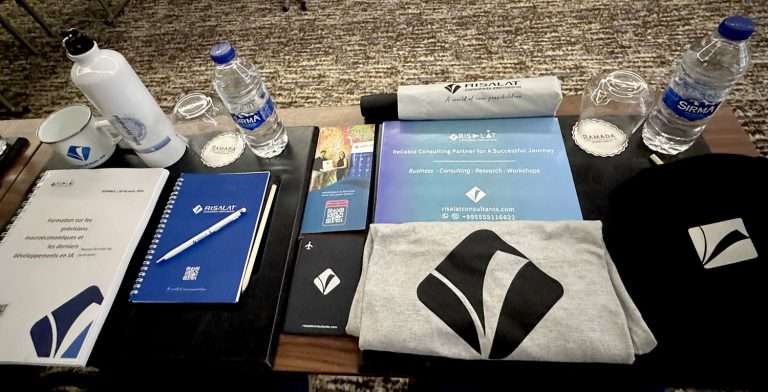
- Risalat Training Kit (Bag, Bottle, Mug, T-Shirt, Cap, Passport Cover, Pens, Notebook, Magnet & Keychain)
- Comprehensive Community-Based School Construction and Upgrading Standards in Baku Training Manual
- Risk Screening Checklist
- Stakeholder Engagement Plan Template
- Grievance Log Template
- Environmental and Social Monitoring Template
- Practical Workshops & Simulations
- Group Discussions & Peer Learning
- Daily Lunch and Refreshments
- Full Access to Training Venue Facilities
- Mini Pad / Tablet with Digital Learning Materials
- Field Visit (where applicable)
- Entertaining City Tour
After the Programme
- Certificate of Completion
- Risalat Programme Participation Recognition Award
- Post-Training Reference Materials
- Commitment Tracking Sheet
- Contractor Compliance Checklist
- Post-Training Support & Follow-Up Guidance
- Programme Report
Institutions can also request a tailored in-house version of this programme, delivered at their premises or online. Request a proposal.
Common Challenges in Community-Based School Construction and Upgrading Standards in Baku, And How This Training Helps
How can institutions screen and classify environmental and social risks?
The programme addresses this directly on the first day (Seismic Principles, Structural Safety, and Site Selection), where participants practise the methods involved and adapt them to their own institution, then build it into their action plan.
How can institutions prepare and implement management plans?
The programme addresses this directly on the second day (Classroom Construction, Material Testing, and Boundary Walls), where participants practise the methods involved and adapt them to their own institution, then build it into their action plan.
How can institutions engage stakeholders meaningfully throughout the project?
The programme addresses this directly on the third day (WASH Facilities, Barrier-Free Access, and Environmental Safeguards), where participants practise the methods involved and adapt them to their own institution, then build it into their action plan.
How can institutions run grievance mechanisms that resolve issues?
The programme addresses this directly on the fourth day (Bills of Quantities, Community Procurement, and Quality Oversight), where participants practise the methods involved and adapt them to their own institution, then build it into their action plan.
How can institutions monitor and report on commitments to financiers?
The programme addresses this directly on the first day (Seismic Principles, Structural Safety, and Site Selection), where participants practise the methods involved and adapt them to their own institution, then build it into their action plan.
Frequently Asked Questions
When and where does the Community-Based School Construction and Upgrading Standards in Baku programme take place?
It runs from 15 Feb 2027 to 18 Feb 2027, in Baku, Azerbaijan. The registration deadline is shown at the top of this page.
Who should attend?
The programme is designed for education infrastructure engineers working on donor-funded civil works programmes, civil technical supervisors responsible for field inspection and quality control, school development managers overseeing community-driven construction contracts, project management unit (PMU) infrastructure specialists, particularly from Afghanistan, and others who want practical skills in environmental, social and stakeholder management.
Will I receive a certificate?
Yes. Participants who complete the programme receive a Certificate of Completion from Risalat Consultants International.
Can this programme be delivered for our institution only?
Yes. We can deliver a tailored in-house version at your premises, in another city or online, built around your own cases. Use the proposal request on this page.
Do I need prior experience in environmental, social and stakeholder management?
No specialist background is required beyond experience in a related role. A short pre-assessment helps the facilitators adapt the sessions to the group.
Training courses in BakuBusiness and Communication training courses
Why Baku for this programme
Baku offers examples of ASAN service centres and energy sector development.
The Community-Based School Construction and Upgrading Standards in Baku programme in February 2027 brings together officials and professionals from across the Caucasus region and beyond. Sessions combine short inputs, case studies and group work on participants' own files, and the city's institutions can be added as a study visit on request.
Getting there: Heydar Aliyev (GYD).
Check whether you need a visa with the free Visa Checker, and ask for an invitation letter once you are registered.
Other programmes in Baku
- HVDC & EHV Transmission Grid Asset Management and Automation in Baku
- School Non-Salary Budget Tracking and Digital Fund Automation in Baku
- e-Procurement and Digital Public Procurement Systems in Baku
- Water Resources Management and WASH Service Delivery in Baku
- Strategic Internal Audit, Risk & Governance Training
- Procurement Framework and Regulations for Projects World Bank
- MAPS: Methodology for Assessing Procurement Systems MAPS Initiative
- Open Contracting Partnership Open Contracting Partnership
More training courses in Azerbaijan · All programmes in Asia · Full training calendar