Points clés
- Dates
- 8–12 févr. 2027 (5 jours)
- Lieu
- À confirmer, Tallinn, Estonie
- Frais par participant
- 3 750 £ (GBP)
- Paiement
- Sur facture et par virement bancaire
- Clôture des inscriptions
- 25 déc. 2026
- Format
- 5-day short course: a practical capacity-building programme for government, NGO and project teams in Tallinn
- Option intra
- Organisez-le pour votre équipe, à vos dates
Sur cette page 12 sections
Formation à la cybersécurité dans la santé numérique à Tallinn
Présentation du programme
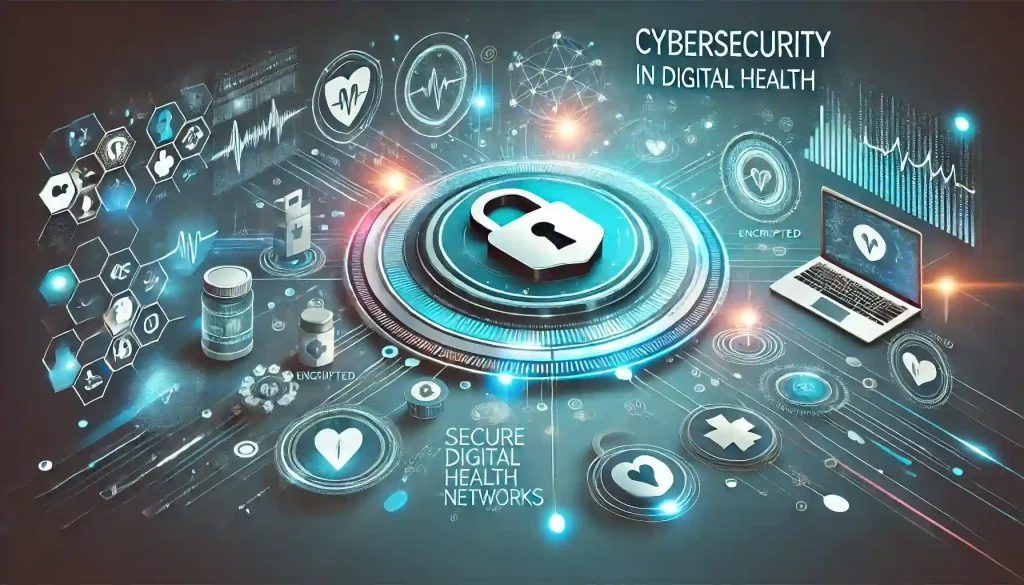
In today’s interconnected world, digital health systems have become essential for managing patient care, improving clinical outcomes, and enabling healthcare professionals to access and share critical information quickly. From electronic health records (EHRs) to telemedicine platforms and mobile health apps, the digital transformation in healthcare is advancing rapidly. However, this transition also brings a heightened risk of cyber threats, which is why cybersecurity in digital health is of paramount importance. Unauthorised access to digital health data could result in identity theft, insurance fraud, and exposure of private medical histories, which could harm both individuals and organisations. Additionally, compromised healthcare systems could disrupt critical services, leading to potential delays in patient care or even life-threatening situations.
Free self-check: the digital readiness assessment gives how ready your institution is for digital services, data and AI, in about 10 minutes.
This training programme has been exclusively designed by Risalat to empower healthcare professionals to recognise, prevent, and respond effectively to cyber threats. It aims to foster a culture of vigilance, enabling health professionals to stay ahead of evolving threats and comply with regulatory standards, ultimately protecting both patient privacy and organisational integrity. Delivered by Risalat Consultants International in Tallinn, Estonia, it combines expert-led sessions, real cases and group work, so that participants can apply what they learn in their own institution.
This training on Cybersecurity in Digital Health is centred around building awareness, strengthening security practices, and ensuring the protection of sensitive health data. It brings core elements together in a practical format, so that participants understand not only what good practice looks like but also how to introduce it in their own setting, with the people and resources they have.
Le programme renforce les capacités institutionnelles en matière de :
- Introduction à la cybersécurité en santé numérique
- Panorama actuel des cybermenaces dans le secteur de la santé
- Types of cybersecurity threats: Phishing, Social Engineering, Ransomware, Insider Threats, Distributed Denial of Service (DDoS), Malware and Trojans
- Stratégie numérique et planification de la transformation
- Gouvernance et qualité des données
- Analyse et visualisation des données
- Notions de base en cybersécurité et gestion des risques
Why this matters now
Les organisations ont de plus en plus besoin de professionnels capables de :
- Planifier des initiatives numériques qui résolvent de vrais problèmes
- Gérer la qualité, la protection et le partage des données
- Analyser les données et les présenter clairement
- Gérer les risques cyber et technologiques
- Accompagner les équipes dans le changement numérique
Des systèmes solides d'administration numérique, de données et de technologies aident les organisations à :
- Fournir des services plus rapides et plus accessibles
- Mieux utiliser les données dans les décisions
- Protéger les systèmes et les données personnelles
- Tirer parti des investissements technologiques
Public concerné
Ce programme s'adresse à :
- Médecins, infirmiers et professionnels paramédicaux
- Personnel informatique et sécurité chargé de gérer et de maintenir les systèmes de santé numérique
- Administrateurs et gestionnaires de santé
- Fabricants de produits pharmaceutiques et de dispositifs médicaux
- Technologues en information de santé
- Responsables et chargés des TIC
- Responsables de la transformation numérique
- Analystes de données et statisticiens
- Responsables de la sécurité de l'information
- Chargés de politiques et de planification
- Gestionnaires de projets et de programmes
- Responsables de la prestation de services
Cochez ce que votre équipe doit être capable de faire.
Objectifs du programme
À l'issue de ce programme, les participants seront en mesure de :
- Expliquer les grandes tendances de l'administration numérique et de l'utilisation des données
- Planifier une initiative numérique liée aux objectifs de service
- Appliquer les principes de gouvernance et de qualité des données
- Analyser et visualiser les données pour les décideurs
- Identifier et gérer les risques cyber et technologiques
- Adopter des pratiques responsables dans l'utilisation de l'IA et de l'automatisation
- Planifier l'acquisition et la gestion des technologies
- Accompagner les équipes dans le changement numérique
- Préparer un plan d'action numérique pour leur institution
Training Structure & Contents
- Introduction to cybersecurity in digital health, Current Cyber Threat Landscape in Healthcare
- Introduction à la cybersécurité en santé numérique
- Panorama actuel des cybermenaces dans le secteur de la santé
- Types of cybersecurity threats: Phishing and Social Engineering
- Ransomware and Insider Threats
- Déni de service distribué (DDoS)
- Workshop: Applying threat landscape analysis to your institution
- Principes de confidentialité et de protection des données
- Importance de la confidentialité, de l'intégrité et de la disponibilité des données des patients
- Data encryption and secure communication channels
- Réglementation et conformité en santé : HIPAA, RGPD et autres lois applicables
- Best Practices for Securing Patient Information: Password management and secure storage
- Data sharing protocols
- Workshop: Applying data protection principles to your institution
- Secure Use of Digital Health Tools: EHR systems, telemedicine platforms, and mobile apps
- Secure login practices across health platforms
- Recognising and Preventing Cyber Threats
- Repérer les e-mails d'hameçonnage, les liens suspects et les pièces jointes malveillantes
- Traiter les informations sensibles des patients en toute sécurité
- Case Study: Secure Use of Digital Health Tools in Practice
- Maintaining Cybersecurity Awareness across health systems
- Ongoing Training and Education frameworks
- Developing a Security Culture within healthcare organisations
- Promoting Security in Patient Care workflows
- Role-specific security practices for clinicians, IT staff, and administrators
- Workshop: Applying cybersecurity awareness approaches to your institution
- Conduite du changement pour les projets numériques
- Compétences et fonctions de demain
- Mesurer les résultats numériques
- Pérenniser les systèmes après leur lancement
- Plan d'action personnel pour votre institution
- Exercice de synthèse : plan d'action de formation pour votre institution
Contenu détaillé jour par jour
First Day | Introduction to cybersecurity in digital health, Current Cyber Threat Landscape in Healthcare
- Introduction à la cybersécurité en santé numérique
- Panorama actuel des cybermenaces dans le secteur de la santé
- Types of cybersecurity threats: Phishing and Social Engineering
- Ransomware and Insider Threats
- Déni de service distribué (DDoS)
- Workshop: Applying threat landscape analysis to your institution
Second Day | Data Privacy and Protection Principles, Importance of Confidentiality and Compliance
- Principes de confidentialité et de protection des données
- Importance de la confidentialité, de l'intégrité et de la disponibilité des données des patients
- Data encryption and secure communication channels
- Réglementation et conformité en santé : HIPAA, RGPD et autres lois applicables
- Best Practices for Securing Patient Information: Password management and secure storage
- Data sharing protocols
- Workshop: Applying data protection principles to your institution
Third Day | Secure Use of Digital Health Tools, Recognising and Preventing Cyber Threats
- Secure Use of Digital Health Tools: EHR systems, telemedicine platforms, and mobile apps
- Secure login practices across health platforms
- Recognising and Preventing Cyber Threats
- Repérer les e-mails d'hameçonnage, les liens suspects et les pièces jointes malveillantes
- Traiter les informations sensibles des patients en toute sécurité
- Case Study: Secure Use of Digital Health Tools in Practice
Quatrième jour | Entretenir la sensibilisation à la cybersécurité, formation et sensibilisation continues
- Maintaining Cybersecurity Awareness across health systems
- Ongoing Training and Education frameworks
- Developing a Security Culture within healthcare organisations
- Promoting Security in Patient Care workflows
- Role-specific security practices for clinicians, IT staff, and administrators
- Workshop: Applying cybersecurity awareness approaches to your institution
Cinquième jour | Conduite du changement et plan d'action
- Conduite du changement pour les projets numériques
- Compétences et fonctions de demain
- Mesurer les résultats numériques
- Pérenniser les systèmes après leur lancement
- Plan d'action personnel pour votre institution
- Exercice de synthèse : plan d'action de formation pour votre institution
Méthodologie de formation
This Cybersecurity in Digital Health Training employs a blended learning approach, combining interactive online modules, instructor-led workshops, and hands-on activities to ensure engagement and practical application of concepts. It is structured to include real-world case studies, scenario-based simulations, and quizzes to reinforce key cybersecurity principles and encourage active participation. Emphasis is placed on role-specific training, where participants are guided on how to apply cybersecurity practices in their specific healthcare roles, whether as clinicians, IT professionals, or administrators. Before the programme, a short pre-assessment helps the facilitators understand each participant’s role and priorities, so that examples and exercises can be adjusted to the group, and each day ends with a short reflection in which participants note what they will apply at work.
- Sessions animées par des experts sur les pratiques actuelles
- Études de cas régionales et internationales
- Travaux de groupe et exercices pratiques
- Simulations et jeux de rôle le cas échéant
- Discussion des défis rencontrés par les participants dans l’exercice de leurs fonctions
- Apprentissage entre pairs, d'institutions et de pays différents
- Des outils et modèles pratiques à réutiliser au travail
- Réflexion quotidienne et plan d'action
- Collecter
- Nettoyer
- Stocker
- Analyser
- Décider
Résultats attendus
- Planifier des initiatives numériques liées aux objectifs de service
- Appliquer les principes de gouvernance et de qualité des données
- Analyser et présenter clairement les données
- Gérer les risques cyber et technologiques
- Utiliser l'IA et l'automatisation de manière responsable
- Piloter le changement numérique dans leur institution
- Equip participants with a personal action plan and practical tools for workplace implementation
3 750 £ par participant · facture et virement bancaire · réduction pour les groupes de 5 personnes ou plus
Cinq personnes ou plus d'une même organisation : demandez le tarif de groupe lors de votre demande de facture.
Ten or more: an in-house version for your institution may cost less per person. Ask for an in-house quote.
Registration closes in 33 days (25 Dec 2026)
Pertinence régionale & mise en application
- Europe: European institutions apply digital government, data and technology within detailed regulatory frameworks and reform agendas. Participants from Europe can compare their practice with colleagues from other regions and test how established methods work under different conditions.
- Africa: Across Africa, ministries, agencies and project teams working in digital government, data and technology increasingly operate alongside donor-financed programmes that expect clear systems and evidence. The programme helps participants adapt good practice to the institutions and resources they work with.
- Middle East: In the Middle East, national development strategies and diversification plans place growing demands on digital government, data and technology.
Profil du pays d'accueil
Estonia is often regarded as one of the countries with the best cybersecurity in digital health. The country has long been a leader in digital innovation, and its healthcare system is deeply integrated with digital tools, including an advanced electronic health record (EHR) system that covers the entire population. The country has invested heavily in cybersecurity, with strong national strategies, robust data encryption practices, and a secure, decentralised system for storing healthcare data.
Who Will Deliver This Programme
Each date is delivered by a team assigned from Risalat's expert network for this subject. For this programme we assign:
How we choose them: Experience in the region of the participants or comparable settings; Command of the financier rules that apply (World Bank, ADB, AfDB, EU, UN) where relevant; Delivery in English; other languages on request for in-house groups; No conflict of interest with participants' institutions.
Training courses in TallinnTechnology training courses
Pourquoi Tallinn pour ce programme
Tallinn is widely recognised for digital governance and public sector innovation. Visiting officials can observe practical applications at the e-Estonia Briefing Centre and engage with national public administrative bodies. The city is easily accessible via regular flights connecting its international airport to major European transit hubs.
The Training Course on Cybersecurity in Digital Health in Tallinn programme in February 2027 brings together officials and professionals from across Europe, Africa, the Middle East and Asia. Sessions combine short inputs, case studies and group work on participants' own files, and the city's institutions can be added as a study visit on request.
Accès : aéroport de Tallinn-Lennart Meri (TLL).
Vérifiez si vous avez besoin d'un visa avec le vérificateur de visa gratuit, et demandez une lettre d'invitation une fois inscrit.
Le même thème dans d'autres villes
- Digital Government and Citizen e-Services Training for North African Officials in Mdina (Mdina)
- Digital Government and Citizen e-Services Training for North African Officials in Sliema (Sliema)
- Digital Government and Citizen e-Services Training for North African Officials in St Julian’s (St Julian's)
- Mini Degree in Digital Government and AI in Tallinn (Tallinn)
- Practical AI Tools for Project Teams and Analysts in Geneva (Geneva)
- AI in Education and Skills Systems Training in Helsinki (Helsinki)
Autres programmes à Tallinn
- Integrating AI into Public Services: From Pilot to Scale Training in Tallinn
- Digital Health Insurance Platform Architecture and PMO Operations in Tallinn
- Gouvernance des données, interopérabilité et infrastructure publique numérique à Tallinn
- Interoperability Architectures and Digital Identity for Citizen Portals in Tallinn
- Rural Broadband Network Rollout and Open-Access Telecoms in Tallinn
Free roadmap: Cybersecurity in Digital Health: a 12-month plan for your team
- World Health Organization World Health Organization
- OCDE (Organisation de coopération et de développement économiques) OCDE
Is there cybersecurity training for government officials in Tallinn in February 2027?
Can "Training Course on Cybersecurity in Digital Health in Tallinn" be delivered in-house for one organisation?
Which other cybersecurity programmes does Risalat run?
Comment les organisations s'inscrivent-elles et paient-elles ?
Pour les équipes et les institutions
Bring your team
Teams that learn together apply more at work. Tell us how many people and how you would like to take part: we reply with a group quote within two working days.
Watch: this programme in short


Autres dates et villes pour ce sujet : cours de formation sur le gouvernement numérique et la gouvernance des données (120 dates à venir).
Plus de formations en Estonie · Tous les programmes en Europe · Calendrier complet des formations
Plan this programme in a roadmap: why it matters, why to approve it, the dates to plan and the career it builds.