Datos clave
- Fechas
- 15–19 mar 2027 (5 días)
- Dónde
- Por confirmar, Singapur
- Tarifa por participante
- 3.850 £ (GBP)
- Pago
- Mediante factura y transferencia bancaria
- Cierre de inscripciones
- 24 ene 2027
- Formato
- 5-day short course: a practical capacity-building programme for government, NGO and project teams in Singapore
- Certificado
- Certificado de finalización
- Opción interna
- Impártalo para su equipo, en sus fechas
En esta página 16 secciones
Descripción del programa
Supply chain sustainability has moved from voluntary reporting to legal obligation. Buyers selling into the European Union now face the Carbon Border Adjustment Mechanism, which entered its definitive period on 1 January 2026, and the EU Deforestation Regulation, which applies to large and medium operators from 30 December 2026. Investors and regulators in Asia are asking for climate data that reaches deep into supplier networks.
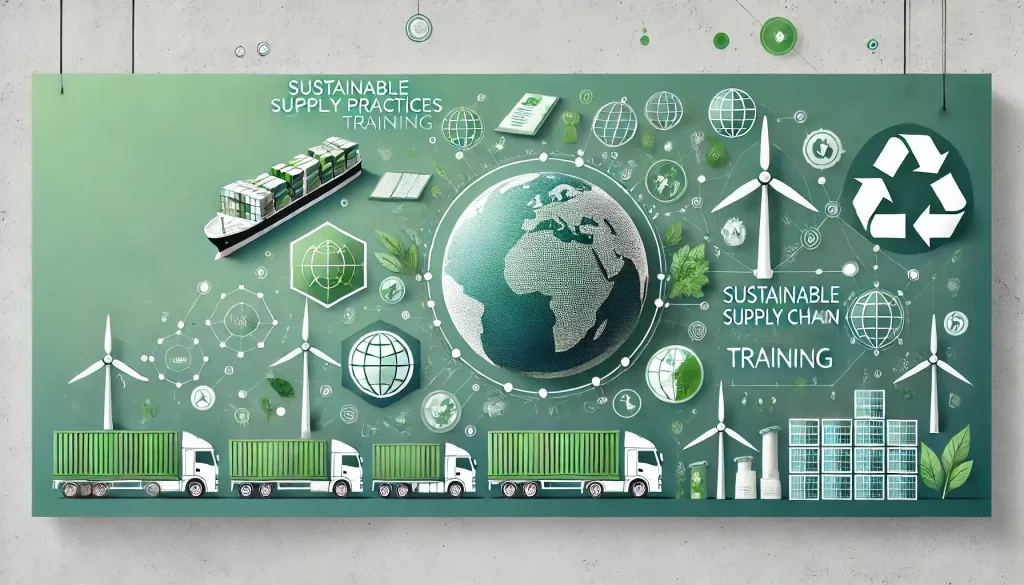
This five-day Sustainable Supply Chain Practices Training in Singapore helps procurement, logistics and sustainability teams turn these requirements into working systems: supplier risk screening, due diligence, emissions data collection, contract clauses and performance reporting.
The programme covers both corporate and public procurement. Ministries, state enterprises and project implementation units financed by the World Bank or the Asian Development Bank face their own sustainability requirements: the World Bank publishes sustainable procurement guidance for Investment Project Financing, and ADB approved technical assistance in December 2025 to mainstream sustainable procurement in its operations.
Singapore is a practical place to study these questions. Its port handled a record 44.66 million TEUs in 2025, its carbon tax rose to S$45 per tonne in 2026, and its listed companies began ISSB-based climate reporting from financial year 2025.
Every day ends with a workshop or case study that produces a usable output, from a supplier risk heat map to a Scope 3 data plan; the final day assembles them into a roadmap.
The Programme Strengthens Institutional Capability
- Sustainable procurement policy aligned with ISO 20400
- Supplier codes of conduct and tiered compliance requirements
- Risk-based human rights and environmental due diligence
- Mapping regulatory exposure to EU CSDDD, EUDR, CBAM and forced labour rules
- Deforestation-free sourcing and geolocation traceability
- Embedded emissions data for CBAM-covered goods
- Scope 3 greenhouse gas inventories using the GHG Protocol
- Climate disclosure under IFRS S1 and IFRS S2
- Life cycle and total cost of ownership evaluation
- Sustainability criteria in tender evaluation and rated criteria
- Green logistics, freight emissions and packaging reduction
- Circular economy, reverse logistics and waste reduction
- Supplier audits, corrective action plans and grievance channels
- Sustainability clauses in contracts and supplier development
- Supply chain sustainability KPIs and dashboards
- Board and management reporting on supply chain risk
- Sustainable procurement in donor-financed projects
- Change management for procurement and logistics teams
The aim is a supply chain function that can show, with evidence, how it identifies and reduces environmental and social risk while still delivering cost, quality and continuity.
The Growing Importance of Sustainable Supply Chain Practices
The rules have become more specific and, after the EU’s 2025–2026 simplification drive, more predictable. The Omnibus amending directive, published in February 2026, narrowed the Corporate Sustainability Due Diligence Directive to companies with at least 5,000 employees and €1.5 billion turnover and moved application to July 2029, but kept the core duty to identify and address adverse impacts on a risk-based basis. Large buyers will therefore keep asking suppliers in Asia, Africa and the Middle East for information.
Other instruments are already live or close. CBAM importers must now buy and surrender certificates for the embedded emissions of cement, iron and steel, aluminium, fertilisers, electricity and hydrogen. The EUDR timetable was confirmed by the Commission’s May 2026 simplification review. The EU Forced Labour Regulation will apply from 14 December 2027 to all products placed on or exported from the EU market.
In Asia, disclosure is the main driver. Singapore’s ACRA and SGX RegCo require Scope 1 and 2 reporting from all listed issuers from FY2025, and Scope 3 from FY2026 for Straits Times Index constituents. Development banks are moving in the same direction: the World Bank’s procurement reforms of March 2025 set a 50% minimum quality weighting for most international competitive procurement, which gives room for sustainability criteria.
Las organizaciones necesitan cada vez más profesionales capaces de:
- Reading new regulations and identifying which products, suppliers and markets are affected
- Designing a sustainable procurement policy and linking it to category strategies
- Screening suppliers for human rights, environmental and governance risk
- Running proportionate due diligence and documenting the decisions taken
- Collecting geolocation and traceability data for deforestation-risk commodities
- Requesting and checking embedded emissions data from producers
- Building a Scope 3 inventory and prioritising the largest categories
- Writing sustainability requirements into specifications and evaluation criteria
- Assessing whole-life cost rather than purchase price alone
- Reducing freight and warehousing emissions without harming service levels
- Managing supplier corrective action plans and responsible exit
- Preparing reliable data for ISSB-based and other sustainability reports
- Explaining supply chain risk to boards, regulators and financiers
Strong sustainable supply chain systems help organisations:
- Keep access to markets with due diligence and border rules
- Avoid shipment delays, penalties and contract losses
- Lower carbon cost exposure under carbon taxes and CBAM
- Meet lender, investor and customer information requests
- Reduce disruption from supplier failures and controversies
- Find savings through energy, packaging and waste reduction
- Mejorar la credibilidad de los datos de sostenibilidad publicados
- Win tenders that score sustainability and quality
- Build longer, more resilient supplier relationships
The common thread is evidence. Regulators and customers no longer accept policy statements alone; they ask for data, traceability and records of action taken.
Who Should Attend This Sustainable Supply Chain Training?
Este programa está dirigido a:
- Procurement and sourcing managers
- Responsables de la cadena de suministro y logística
- Category managers and buyers
- Sustainability, ESG and CSR officers
- Gerentes de calidad de proveedores y de auditoría
- Compliance, risk and internal audit staff
- Trade and customs compliance officers
- Responsables de operaciones y producción
- Finance staff preparing climate and sustainability disclosures
- Public procurement officials in ministries and agencies
- Procurement specialists in World Bank, ADB and other donor-financed PIUs
- Especialistas en salvaguardas ambientales y sociales
- Directivos de empresas públicas y de servicios públicos
- Exporters supplying EU buyers of agricultural, forest or industrial goods
Mixed teams from procurement, sustainability and finance gain most, because the exercises require all three perspectives to agree on data, priorities and responsibilities.
Marque lo que su equipo necesita ser capaz de hacer.
Sustainable Supply Chain Training Objectives
Upon successful completion of this Sustainable Supply Chain Training, participants will be able to:
- Explain the principles of sustainable supply chain management and the guidance in ISO 20400
- Map their organisation’s exposure to CSDDD, EUDR, CBAM and the EU Forced Labour Regulation
- Design a supplier code of conduct with minimum and improvement-level requirements
- Apply a risk-based due diligence process to suppliers and business partners
- Build a Scope 3 inventory plan using the 15 GHG Protocol categories
- Preparar aportes de la cadena de suministro para las divulgaciones de la IFRS S1 y la IFRS S2
- Integrate sustainability criteria into specifications, evaluation and contracts
- Identify green logistics and circular economy measures with measurable savings
- Set sustainability KPIs and a supplier performance dashboard
- Manage audits, corrective actions and grievance mechanisms
- Develop a phased implementation roadmap for their organisation
Objectives are set at the level of practical application: each one is linked to a workshop where participants produce a tool or draft they can adapt at work.
Source: National Climate Change Secretariat, Singapore (2030 shown at lower end of the S$50–80 target range)
1. ¿Desde cuándo se aplica el Reglamento sobre la deforestación de la UE a los operadores medianos y grandes?
Regulation (EU) 2025/2650 set 30 December 2026 for large and medium operators, and the Commission's May 2026 review kept that timeline.
2. Under the 2026 Omnibus amendments, which companies fall within the CSDDD?
Directive (EU) 2026/470 raised the thresholds to 5,000 employees and €1.5 billion net turnover, with application from July 2029.
3. Which Singapore listed companies must report Scope 3 emissions from FY2026?
ACRA and SGX RegCo's revised timeline makes Scope 3 mandatory from FY2026 for STI constituents and voluntary for other listed issuers until further notice.
Contenido y estructura del programa
- Sustainability in supply chains: people, planet and long-term value
- ISO 20400 sustainable procurement guidance and its link to ISO 26000
- EU CSDDD after the 2026 Omnibus: scope, timing and risk-based duties
- EU Deforestation Regulation: commodities, dates and operator duties
- Periodo definitivo del CBAM: autorización, certificados y emisiones incorporadas
- EU Forced Labour Regulation and import controls
- Singapore and Asian disclosure rules: ACRA and SGX climate reporting
- Risk-based due diligence: scoping, prioritising and proportionality
- Country, sector and commodity risk indicators
- Supplier codes of conduct and tiered requirement models
- Self-assessment questionnaires and their limits
- Announced and unannounced audits, verification and certification schemes
- Geolocation data and deforestation-free evidence
- Forced labour indicators and responsible recruitment
- GHG Protocol Scope 1, 2 and 3: boundaries and the 15 categories
- Prioritising Scope 3 categories by size and influence
- Supplier-specific versus average and spend-based data
- Requisitos de la NIIF S2 y las enmiendas de 2025
- Carbon pricing: Singapore’s carbon tax and CBAM cost exposure
- Freight emissions: mode choice, load factors and route planning
- Eficiencia energética en almacenamiento y energías renovables in situ
- Linear to circular models: reuse, repair, remanufacture and recycling
- Life cycle assessment and design for sustainability
- Packaging reduction and reverse logistics
- Total cost of ownership and life cycle costing in evaluation
- Sustainability criteria and rated criteria in tenders
- Contract clauses, incentives and remedies
- Supply chain sustainability KPIs and target setting
- Review of the week’s tools and outputs
- Evaluación de madurez de las prácticas actuales de la cadena de suministro
- Setting priorities: quick wins and structural changes
- Resourcing, roles and cross-functional governance
- Digital tools for traceability and supplier data
- Budgeting and financing sustainability improvements
- Managing supplier capacity, especially smaller suppliers
Contenido completo día a día
El programa se desarrolla a lo largo de cinco días, pasando de las reglas y la estrategia a los datos, las operaciones y un plan de implementación.
- Día 1: el panorama regulatorio y la estrategia de contratación sostenible
- Day 2: supplier due diligence, codes of conduct and traceability
- Day 3: carbon, Scope 3 emissions and green logistics
- Day 4: circular supply chains, KPIs and sustainability reporting
- Día 5: Hoja de ruta de implementación y ejercicio integrador
Contenido completo día a día
First Day | Rules, Standards and Procurement Strategy
- Sustainability in supply chains: people, planet and long-term value
- ISO 20400 sustainable procurement guidance and its link to ISO 26000
- EU CSDDD after the 2026 Omnibus: scope, timing and risk-based duties
- EU Deforestation Regulation: commodities, dates and operator duties
- Periodo definitivo del CBAM: autorización, certificados y emisiones incorporadas
- EU Forced Labour Regulation and import controls
- Singapore and Asian disclosure rules: ACRA and SGX climate reporting
- Adquisiciones sostenibles en proyectos financiados por el Banco Mundial y el ADB
- Building a sustainable procurement policy and governance model
Workshop: Regulatory Exposure Map
Los equipos toman una cartera de productos de muestra que abarca componentes de acero, ingredientes a base de palma, embalajes de madera y productos electrónicos, y determinan qué reglas se aplican en qué mercados y a partir de qué fecha. Clasifican las exposiciones según los ingresos en riesgo y la preparación, y luego redactan una nota de gobernanza de una página que nombra a los responsables de cada requisito. El mapa se convierte en el punto de partida para el resto de la semana.
Second Day | Supplier Due Diligence and Traceability
- Risk-based due diligence: scoping, prioritising and proportionality
- Country, sector and commodity risk indicators
- Supplier codes of conduct and tiered requirement models
- Self-assessment questionnaires and their limits
- Announced and unannounced audits, verification and certification schemes
- Geolocation data and deforestation-free evidence
- Forced labour indicators and responsible recruitment
- Corrective action plans, supplier development and responsible exit
- Grievance mechanisms and stakeholder engagement
Case Study: Supplier Codes in Practice
Participants compare two published corporate approaches: IKEA’s IWAY supplier code, which is mandatory for suppliers and uses a staircase from minimum to excellent requirements with announced and unannounced audits, and Unilever’s Partner to Win programme, which links supplier collaboration to climate, nature, plastics and livelihoods targets. Teams then design a tiered code suited to their own supplier base.
Third Day | Carbon, Scope 3 and Green Logistics
- GHG Protocol Scope 1, 2 and 3: boundaries and the 15 categories
- Prioritising Scope 3 categories by size and influence
- Supplier-specific versus average and spend-based data
- Requisitos de la NIIF S2 y las enmiendas de 2025
- Carbon pricing: Singapore’s carbon tax and CBAM cost exposure
- Freight emissions: mode choice, load factors and route planning
- Eficiencia energética en almacenamiento y energías renovables in situ
- Low-carbon fuels and green shipping corridors
- Supplier engagement programmes for emissions reduction
Workshop: Scope 3 Data Plan
Using a dataset for a mid-sized distributor, teams estimate emissions from purchased goods, transport and waste with spend-based factors, then identify the ten suppliers where primary data would most improve accuracy. They draft a supplier data request, a timetable aligned with reporting deadlines and a short note on assumptions that an auditor could follow.
Fourth Day | Circular Supply Chains and Performance Reporting
- Linear to circular models: reuse, repair, remanufacture and recycling
- Life cycle assessment and design for sustainability
- Packaging reduction and reverse logistics
- Total cost of ownership and life cycle costing in evaluation
- Sustainability criteria and rated criteria in tenders
- Contract clauses, incentives and remedies
- Supply chain sustainability KPIs and target setting
- Reporting with GRI, CDP and ISSB-based frameworks
- Communicating results to boards, investors and customers
Workshop: Tender and KPI Design
Teams prepare an evaluation framework for a packaging or fleet contract that combines price, quality and sustainability, including life cycle cost, recycled content and emissions criteria. They draft the matching contract clauses and five KPIs with baselines and targets, then test the framework against three sample bids to check that it rewards the outcomes intended.
Fifth Day | Implementation Roadmap and Action Planning
- Revisión de las herramientas y resultados de la semana
- Evaluación de madurez de las prácticas actuales de la cadena de suministro
- Setting priorities: quick wins and structural changes
- Resourcing, roles and cross-functional governance
- Digital tools for traceability and supplier data
- Budgeting and financing sustainability improvements
- Managing supplier capacity, especially smaller suppliers
- Monitoring progress and reporting to leadership
- Peer review of implementation plans
Capstone Exercise: 12-Month Supply Chain Roadmap
Each participant or team builds a 12-month roadmap for their organisation using the exposure map, supplier code, Scope 3 plan and KPI set produced during the week. Plans set out milestones, owners, data needs and budget. Teams present to a panel that challenges feasibility and sequencing, and refine the plan into a short briefing for senior management.
Metodología de formación en cadena de suministro sostenible
The programme is practical and outcome-based. Short inputs on rules and methods are followed by structured exercises on realistic data, so participants practise the decisions they will face at work.
El programa combina:
- Facilitator briefings on current regulations and standards
- Case studies drawn from published company and public sector practice
- Ejercicios de mapeo normativo en carteras de muestra
- Supplier risk screening with country and commodity indicators
- Spreadsheet-based Scope 3 estimation
- Tender evaluation and contract drafting simulations
- Role plays of supplier engagement and audit follow-up
- Group discussions and peer learning across sectors
- Templates and checklists participants can adapt
- A pre-programme diagnostic and individual feedback
- Daily reflection and action-point capture
- Una hoja de ruta final presentada ante un tribunal
Antes de llegar, los participantes pueden evaluar su función con el diagnóstico gratuito de madurez de adquisiciones, y los resultados se utilizan para adaptar ejemplos durante la semana.
- Insumos
- Actividades
- Productos
- Efectos
- Impacto
Resultados esperados
Upon completion of this Sustainable Supply Chain Training, participants will be able to:
- Identify which sustainability rules affect their products and suppliers, and from when
- Lead a risk-based supplier due diligence process
- Apply a tiered supplier code with clear minimum requirements
- Preparar un plan creíble de recopilación de datos de Alcance 3
- Incluir la sostenibilidad y el costo del ciclo de vida en la evaluación de ofertas
- Propose green logistics and circular measures with estimated savings
- Track supplier sustainability performance with a KPI dashboard
- Contribute reliable supply chain data to ISSB-based reports
- Present a phased roadmap to senior management
Participants return with a set of drafted tools and a roadmap, not just notes, which shortens the time from training to implementation.
3.850 £ por participante · factura y transferencia bancaria · los grupos de 5 o más personas reciben un descuento
Cinco o más personas de una misma organización: solicite la tarifa de grupo al pedir la factura.
Ten or more: an in-house version for your institution may cost less per person. Ask for an in-house quote.
La inscripción cierra en 62 días (24 ene 2027)
Institutional Application of Sustainable Supply Chain Training
Este programa ayuda a las organizaciones a fortalecer:
- Sustainable procurement policies and procedures
- Supplier onboarding and risk screening
- Due diligence records and governance
- Trazabilidad para productos básicos de alto riesgo
- Carbon and Scope 3 data management
- Sustainability criteria in tenders and contracts
- Supplier audit and corrective action processes
- Logistics efficiency and emissions reduction
- Circular economy and waste programmes
- KPI de sostenibilidad e informes de gestión
- Readiness for external assurance
- Cumplimiento de los requisitos de adquisiciones y salvaguardas de los financiadores
Los participantes regresan con herramientas prácticas para mejorar:
- Regulatory exposure mapping
- Supplier risk heat maps
- Supplier codes of conduct
- Listas de verificación de diligencia debida
- Scope 3 data request templates
- Evaluation criteria and contract clauses
- Cuadros de mando de KPI
- Implementation roadmaps
Organisations planning wider change can pair the training with an institutional capacity assessment to set priorities across procurement, finance and sustainability teams.
Pertinencia y aplicación regionales
Europa
EU companies remain the main source of supplier requests. Even with the narrower CSDDD scope agreed in 2026, large buyers, CBAM importers and EUDR operators must collect data from their supply chains, and the Forced Labour Regulation from December 2027 adds another check on imported goods.
Asia
Asian exporters supply many of the products covered by EU rules, and Asian regulators are adding their own disclosure duties. Singapore’s phased ISSB-based reporting is one example; ADB technical assistance approved in 2025 and 2026 supports sustainable procurement and merit-point evaluation among borrowing countries.
África
Los productores de cacao, café, caucho y madera se enfrentan a las expectativas de trazabilidad del reglamento EUDR por parte de los compradores europeos. Las agencias públicas que ejecutan proyectos financiados por el Banco Mundial también aplican la guía de adquisiciones sostenibles del Banco y sus requisitos ambientales y sociales en las licitaciones.
Oriente Medio
Los productores de aluminio, acero y fertilizantes que exportan a Europa necesitan datos de emisiones incorporadas ahora que los certificados CBAM son pagaderos. Los equipos de adquisiciones en empresas estatales también están incorporando contenido local y criterios de sostenibilidad a los grandes contratos.
América Latina
Exporters of soy, beef, coffee and wood products must provide geolocation and legality evidence for EU markets, while buyers in the region are adopting supplier codes and emissions reporting to meet investor expectations.
The exercises allow participants to work on their own region and products, so the outputs reflect the rules and suppliers they actually deal with.
Perfil del país anfitrión: Singapur
Singapore is a compact, well-connected city-state with a strong concentration of regional headquarters, logistics providers and trade finance institutions. Its English-language business environment and efficient public services make it a convenient place for a week of focused learning.
It is also a useful benchmark for sustainable supply chains. The port handled 44.66 million TEUs in 2025 and supplied 1.95 million tonnes of alternative marine fuels, up from 1.35 million tonnes in 2024. The carbon tax is S$45 per tonne for 2026–2027, with a target range of S$50–80 by 2030, and the Singapore Green Plan 2030 targets a 30% cut in landfill waste per capita per day by 2030. Listed companies are phasing in ISSB-based climate reporting, which shows participants how disclosure rules reach suppliers.
Singapore’s Changi Airport has direct flights from most regional capitals. Many nationalities can enter without a visa for short business visits, while others need a visa in advance; participants should check the current requirements of the Immigration and Checkpoints Authority. Risalat provides visa support letters and advice on request.
Entregables de la formación en cadena de suministro sostenible
Participants receive a full package of support before, during and after the programme so they can focus on learning and apply it quickly.
Antes del programa
- Evaluación previa del participante
- Evaluación de preparación de la cadena de suministro sostenible
- Sustainable Supply Chain Resource Pack
- Materiales de lectura preparatoria
- Apoyo y asesoramiento gratuitos para el visado
Durante el programa
- Recogida en el aeropuerto y asistencia de bienvenida
- Alojamiento con desayuno: 6 noches, llegada el domingo 14 de marzo de 2027, salida el sábado 20 de marzo de 2027 (una noche antes y una noche después del programa)
- Cena de bienvenida y networking
- Kit de formación de Risalat (bolsa, botella, taza, camiseta, gorra, funda de pasaporte, bolígrafos, cuaderno, imán y llavero)
- Manual de capacitación integral sobre cadenas de suministro sostenibles
- Regulatory Exposure Mapping Template
- Supplier Risk Screening Tool
- Model Supplier Code of Conduct
- Scope 3 Data Request Template
- Sustainable Tender Evaluation Matrix
- Cuadro de mando de KPI de la cadena de suministro
- Talleres prácticos y simulaciones
- Debates en grupo y aprendizaje entre pares
- Almuerzo y refrigerios diarios
- Acceso completo a las instalaciones de la sede de formación
- Mini Pad / tableta con materiales didácticos digitales
- Visita de campo (cuando proceda)
- Recorrido turístico por la ciudad
Después del programa
- Certificado de finalización
- Reconocimiento a la participación en programas de Risalat
- Materiales de consulta posteriores a la formación
- 12-Month Implementation Roadmap Template
- Regulatory Update Briefing Notes
- Apoyo posterior a la formación y orientación de seguimiento
- Informe del programa
Institutions that want this programme for their own teams, adapted to their sector, suppliers and reporting duties, can request a tailored in-house proposal.
Common Challenges in Sustainable Supply Chain Practices, And How This Training Helps
How do we know which new rules apply to us?
Many teams hear about CSDDD, EUDR and CBAM but cannot say which products or customers are affected. The Day 1 exposure mapping workshop links each rule to products, markets and dates, and assigns an owner.
How can we run due diligence without auditing every supplier?
The amended CSDDD confirms a risk-based approach rather than full mapping of every supplier. Day 2 shows how to scope and prioritise using country, sector and commodity risk, and how to record the reasoning.
How do we get emissions data from suppliers who have never measured it?
Day 3 covers spend-based estimates as a starting point, then a targeted data request to the suppliers that matter most, with templates that smaller suppliers can complete.
How can sustainability be scored in tenders without breaking procurement rules?
Day 4 shows how to define measurable criteria, life cycle cost and rated criteria, and how to write contract clauses that match what was evaluated.
How do we stop sustainability KPIs becoming a reporting exercise only?
Day 4 links KPIs to decisions such as supplier selection, corrective action and contract renewal, so the data is used and not just published.
¿Cómo apoyamos a los pequeños proveedores en lugar de prescindir de ellos?
Day 2 and Day 5 cover supplier development, phased requirements and responsible exit, drawing on tiered code models where minimum requirements come first.
¿Cómo podemos prepararnos para la garantía externa de los datos climáticos?
Day 3 and Day 4 cover documentation of assumptions, data trails and controls that assurance providers expect, in line with ISSB-based reporting timelines.
Preguntas frecuentes
¿Es este programa relevante si mi organización no tiene su sede en la UE?
Yes. EU rules such as CBAM and the EU Deforestation Regulation reach suppliers and exporters worldwide, and Asian disclosure rules such as Singapore's climate reporting regime create similar data requests.
Does the training cover public procurement?
Yes. It includes sustainable procurement in World Bank and ADB-financed projects, sustainability criteria in tender evaluation and contract clauses suitable for public buyers.
Do participants need technical knowledge of carbon accounting?
No. Day 3 starts from the GHG Protocol basics and builds to a Scope 3 data plan using spreadsheet exercises.
¿Qué se llevarán los participantes a su trabajo?
Drafted tools including a regulatory exposure map, supplier code, Scope 3 data request, tender evaluation matrix, KPI set and a 12-month roadmap.
¿Puede impartirse el programa de forma interna?
Yes. Risalat can adapt the content to an organisation's sector, suppliers and reporting duties and deliver it at a location of its choice.
Who Will Deliver This Programme
Each date is delivered by a team assigned from Risalat's expert network for this subject. For this programme we assign:
How we choose them: Experience in the region of the participants or comparable settings; Command of the financier rules that apply (World Bank, ADB, AfDB, EU, UN) where relevant; Delivery in English; other languages on request for in-house groups; No conflict of interest with participants' institutions.
Cursos de formación en SingapurProcurement, Supply Chain & Logistics training courses
Por qué Singapur para este programa
Singapur es conocida por la eficiencia de sus servicios públicos, su administración electrónica y su planificación urbana, todos ellos útiles para visitas de estudio.
The Sustainable Supply Chain Practices Training in Singapore programme in March 2027 brings together officials and professionals from across the Asia region and beyond. Sessions combine short inputs, case studies and group work on participants' own files, and the city's institutions can be added as a study visit on request.
Cómo llegar: Changi (SIN).
Compruebe si necesita visado con el Verificador de visados gratuito y solicite una carta de invitación una vez inscrito.
El mismo tema en otras ciudades
- Mini Degree in Donor-Funded Project Management in Dubai (Dubai)
- Carbon Accounting and Net-Zero Planning for Institutions in Kuala Lumpur (Kuala Lumpur)
- Sustainable Tourism Development and Destination Management Training in Rovinj (Rovinj)
- Mini Degree in Procurement and Contract Management in Dubai (Dubai)
- Sustainable Tourism Development and Destination Management Training in Zadar (Zadar)
- Sustainable Tourism Development and Destination Management Training in Dubrovnik (Dubrovnik)
Otros programas en Singapur
- Generative AI for Government Productivity Training in Singapore
- Incident Investigation and Root Cause Analysis in Singapore
- Extractive Industries Governance and EITI Implementation in Singapore
- Gestión y eliminación marítima de residuos peligrosos y voluminosos en Singapur
- Inter-Island Aviation Logistics and Sustainable Air Cargo Operations in Singapore
Teams often travel here from Timor-Leste, Sri Lanka, Bangladesh, Bhutan, Myanmar, Cambodia, Lao PDR, Vietnam. Funding, visa letters and group rates are explained on each country page.
- World Bank Projects and Operations Banco Mundial
- Marco y Regulaciones de Adquisiciones para Proyectos Banco Mundial
For teams and institutions
Bring your team
Teams that learn together apply more at work. Tell us how many people and how you would like to take part: we reply with a group quote within two working days.
Watch: this programme in short

Más cursos de formación en Singapur · Todos los programas en Asia · Calendario de formación completo
Planificar este programa en una hoja de ruta: por qué es importante, por qué aprobarlo, las fechas a planificar y la carrera que construye.