Ключевые факты
- Даты
- 1–5 февр. 2027 (5 дней)
- Где
- Уточняется, Вильнюс, Литва
- Стоимость на одного участника
- £3 650 (GBP)
- Оплата
- По счету банковским переводом
- Регистрация закрывается
- 23 дек. 2026
- Формат
- 5-day short course: a practical capacity-building programme for government, NGO and project teams in Vilnius
- Сертификат
- Сертификат о прохождении
- Корпоративный формат
- Проведите ее для своей команды в удобные вам даты
На этой странице 16 разделов
Обзор программы
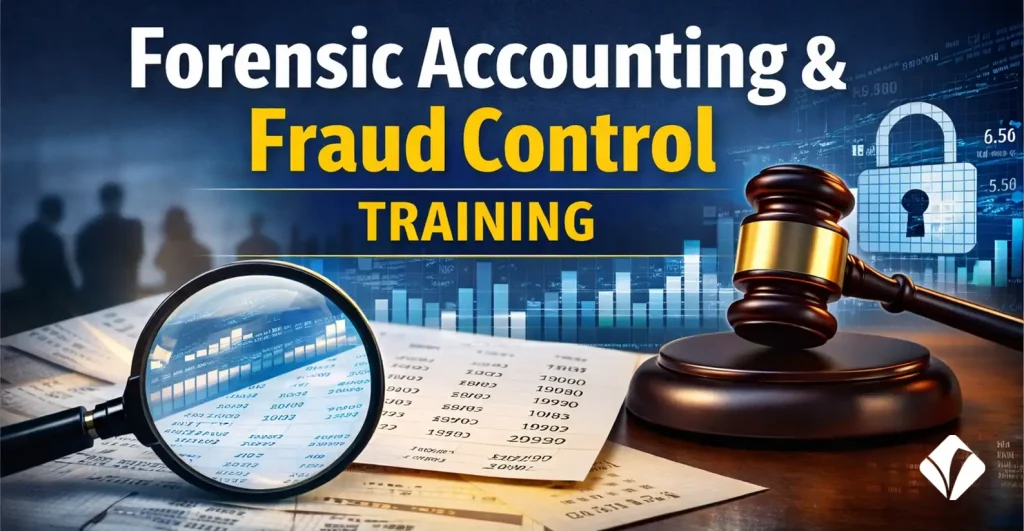
The Forensic Accounting and Fraud Control Training in Vilnius is an applied five-day professional development programme for officials, managers and specialists responsible for decisions, assurance and implementation. It connects technical methods with practical work products that participants can adapt to their own institutions.
Free self-check: the governance self-audit gives a quick check of governance, controls and accountability, in about 10 minutes.
The programme is hosted in Vilnius, Lithuania. It is designed for public institutions, donor-financed project teams, regulators and organisations that need documented decisions and reliable operational controls. The venue is a learning location, not a claim that a local institution is providing a confirmed technical visit.
Участники работают с реалистичными, но вымышленными файлами дел, охватывающими реестры рисков мошенничества, дублирующие платежи и журналы учета доказательств. Упражнения разграничивают требования конкретного финансового агента или юрисдикции и общую надлежащую практику. Никакое финансирование проектов или договоренности о выдвижении кандидатур не подразумеваются.
Учебный план выстраивает непрерывный рабочий процесс от первоначальной оценки и планирования до сбора данных, обеспечения качества, управленческой отчетности и институционального мониторинга. Он также побуждает участников выявлять пробелы в существующей политике перед применением любой международной справочной базы.
The Programme Strengthens Institutional Capability
- Fraud risk registers
- Transaction testing
- Аналитика бухгалтерских проводок
- Duplicate payments
- Conflict-of-interest checks
- Case triage
- Evidence logs
- Chain of custody
- Планы интервью
- Investigation reports
- Внутренний контроль
- Whistleblowing
- Red-flag escalation
- Procurement anomalies
- Recovery pathways
- Audit trails
Each participant builds a portfolio of draft tools and a short implementation plan, with responsibilities, verification points and a timetable for management review.
The Growing Importance of Forensic accounting and fraud control
Institutions are expected to demonstrate not only that activities have been completed, but that decisions are consistent, traceable and proportionate to risk. In forensic accounting and fraud control, weak definitions, fragmented records and unclear accountability can make otherwise sound work difficult to defend or improve.
The reference materials listed below offer official frameworks relevant to parts of this curriculum. They do not establish that any named institution has committed funds to this course. Participants should check the rules governing their own country, employer and financed project before adopting the examples.
Организациям все больше нужны специалисты, способные:
- Assess fraud risk registers using documented criteria
- Assess transaction testing using documented criteria
- Assess journal-entry analytics using documented criteria
- Assess duplicate payments using documented criteria
- Оценка проверок на наличие конфликта интересов с использованием документированных критериев
- Оценка медицинской сортировки по документированным критериям
- Assess evidence logs using documented criteria
- Assess chain of custody using documented criteria
- Assess interview plans using documented criteria
- Оценка отчетов о расследованиях с использованием документированных критериев
- Assess internal controls using documented criteria
- Assess whistleblowing using documented criteria
Надежные системы судебно-бухгалтерской экспертизы и контроля мошенничества помогают организациям:
- Improve the consistency of interview plans
- Improve the consistency of investigation reports
- Improve the consistency of internal controls
- Improve the consistency of whistleblowing
- Improve the consistency of red-flag escalation
- Improve the consistency of procurement anomalies
- Повышение согласованности путей восстановления
- Improve the consistency of audit trails
A workable system needs clear ownership, tested records and decisions that can be reviewed independently. The sessions translate these requirements into small, repeatable routines rather than a one-off report.
Who Should Attend This Forensic Accounting and Fraud Control Training?
Программа предназначена для:
- Ministry department directors
- Government policy analysts
- Project implementation unit managers
- Project management unit coordinators
- Technical assistance team leaders
- Внутренние аудиторы
- Compliance officers
- Procurement specialists
- Finance managers
- Monitoring and evaluation officers
- Data and reporting analysts
- Сотрудники по обеспечению качества программ
- Institutional development specialists
- Public sector trainers
- Контактные лица партнеров по развитию
- Консультанты, поддерживающие государственные органы
Participants should bring a description of one institutional process they wish to improve, without sharing confidential personal or commercial information.
Отметьте, что должна уметь ваша команда.
Forensic Accounting and Fraud Control Training Objectives
Upon successful completion of this Forensic Accounting and Fraud Control Training, participants will be able to:
- Раскрыть институциональное назначение и ограничения судебно-бухгалтерской экспертизы и контроля мошенничества
- Assess existing procedures against relevant documented requirements
- Определение ключевых заинтересованных сторон и прав на принятие решений
- Prioritise operational risks and quality weaknesses
- Select appropriate methods and tools for the task
- Document assumptions and supporting evidence
- Design practical controls and review checkpoints
- Ответственное использование выборочных наборов данных или файлов дел
- Communicate findings to decision-makers
- Подготовить соразмерный план действий и ресурсов
- Monitor follow-up and adjust implementation
The emphasis is on demonstrable workplace outputs, with peer feedback and facilitator review of the methods selected.
Содержание и структура программы
- Различение ошибки, нарушения и предполагаемого мошенничества
- Map asset misuse, corruption and reporting schemes
- Оценка присущих и остаточных рисков мошенничества
- Определение обязанностей и порогов проведения расследований
- Identify independence and confidentiality risks
- Review accounting records and audit trails
- Develop an initial allegation triage matrix
- Анализ аномалий в бухгалтерских проводках и платежах
- Выявление дубликатов счетов и разделенных закупок
- Test vendor-master changes and bank details
- Сравнение заказов на поставку, квитанций и платежей
- Проверка на предмет конфликта интересов с соблюдением надлежащей правовой процедуры
- Use ratio and trend analysis cautiously
- Document red flags without presuming guilt
- Prepare a controlled transaction dataset
- Run spreadsheet filters and exception tests
- Применяйте анализ Бенфорда только там, где это уместно
- Preserve original files and access records
- Record evidence provenance and chain of custody
- Prioritise leads using materiality and risk
- Сверка исключений с исходными документами
- Set investigation scope and terms of reference
- Build an allegation and evidence matrix
- Планирование интервью без использования принудительных методов
- Coordinate with legal and human resources teams
- Protect whistleblowers and sensitive information
- Differentiate findings from unproven allegations
- Write clear factual investigation reports
- Map controls to priority fraud scenarios
- Усиление разделения обязанностей и процедур утверждения
- Design exception monitoring and ownership
- Improve procurement and payment controls
- Establish safe reporting and response channels
- Measure control effectiveness and remediation
- Draft a management action plan with owners
Полное содержание по дням
The five-day sequence builds from diagnosis to an institutional improvement proposal. Each day includes guided technical work and a documented practical exercise.
- First Day: Fraud risks and forensic accounting foundations
- Второй день: Красные флажки и проверка финансовой отчетности
- Third Day: Transaction analytics and evidence handling
- Fourth Day: Investigation planning and reporting
- Fifth Day: Prevention controls and case closure
Полное содержание по дням
First Day | Fraud risks and forensic accounting foundations
- Различение ошибки, нарушения и предполагаемого мошенничества
- Map asset misuse, corruption and reporting schemes
- Оценка присущих и остаточных рисков мошенничества
- Определение обязанностей и порогов проведения расследований
- Identify independence and confidentiality risks
- Review accounting records and audit trails
- Develop an initial allegation triage matrix
- Document escalation and referral decisions
Workshop: Fraud risks and forensic accounting foundations application
Working in small teams, participants apply the day’s methods to a fictional institutional scenario. They produce a short decision-ready artefact, record key assumptions, identify unresolved evidence gaps and receive structured feedback. The output is retained for the final institutional action plan.
Second Day | Red flags and financial statement testing
- Анализ аномалий в бухгалтерских проводках и платежах
- Выявление дубликатов счетов и разделенных закупок
- Test vendor-master changes and bank details
- Сравнение заказов на поставку, квитанций и платежей
- Проверка на предмет конфликта интересов с соблюдением надлежащей правовой процедуры
- Use ratio and trend analysis cautiously
- Document red flags without presuming guilt
- Create a risk-based testing programme
Workshop: Red flags and financial statement testing application
Working in small teams, participants apply the day’s methods to a fictional institutional scenario. They produce a short decision-ready artefact, record key assumptions, identify unresolved evidence gaps and receive structured feedback. The output is retained for the final institutional action plan.
Third Day | Transaction analytics and evidence handling
- Prepare a controlled transaction dataset
- Run spreadsheet filters and exception tests
- Применяйте анализ Бенфорда только там, где это уместно
- Preserve original files and access records
- Record evidence provenance and chain of custody
- Prioritise leads using materiality and risk
- Сверка исключений с исходными документами
- Prepare a defensible analytical working paper
Case Study: Transaction analytics and evidence handling application
Working in small teams, participants apply the day’s methods to a fictional institutional scenario. They produce a short decision-ready artefact, record key assumptions, identify unresolved evidence gaps and receive structured feedback. The output is retained for the final institutional action plan.
Fourth Day | Investigation planning and reporting
- Set investigation scope and terms of reference
- Build an allegation and evidence matrix
- Планирование интервью без использования принудительных методов
- Coordinate with legal and human resources teams
- Protect whistleblowers and sensitive information
- Differentiate findings from unproven allegations
- Write clear factual investigation reports
- Review referral, remediation and closure options
Workshop: Investigation planning and reporting application
Working in small teams, participants apply the day’s methods to a fictional institutional scenario. They produce a short decision-ready artefact, record key assumptions, identify unresolved evidence gaps and receive structured feedback. The output is retained for the final institutional action plan.
Пятый день | Профилактический контроль и закрытие дел
- Map controls to priority fraud scenarios
- Усиление разделения обязанностей и процедур утверждения
- Design exception monitoring and ownership
- Improve procurement and payment controls
- Establish safe reporting and response channels
- Measure control effectiveness and remediation
- Draft a management action plan with owners
- Present a fraud control improvement roadmap
Итоговое практическое занятие: Предупредительные меры и применение закрытия дел
Working in small teams, participants apply the day’s methods to a fictional institutional scenario. They produce a short decision-ready artefact, record key assumptions, identify unresolved evidence gaps and receive structured feedback. The output is retained for the final institutional action plan.
Методология обучения по судебной бухгалтерии и контролю мошенничества
Facilitators use short briefings, individual exercises and group-based problem solving. Case data are illustrative, with assumptions made explicit; the exercises do not represent an audit or certification of any real organisation.
Программа сочетает:
- Expert-led technical briefings
- Проведение обзоров политики и процессов
- Обезличенные или вымышленные досье кейсов
- Spreadsheet and template exercises
- Small-group scenario analysis
- Role-based decision simulations
- Peer comparison of institutional practices
- Guided risk and control mapping
- Structured facilitator feedback
- Ежедневные размышления об усвоенном материале
- Action planning and presentation practice
- Проверка соответствия исходным стандартам
Participants can adapt worksheets to their own institution after reviewing local legal requirements, confidentiality rules and management approvals.
Ожидаемые результаты
По завершении этого тренинга по судебной бухгалтерии и борьбе с мошенничеством участники смогут:
- Present a baseline of current institutional practice
- Подготовка реестра рисков и проблем
- Draft a quality assurance checklist
- Explain key requirements to colleagues
- Подготовьте убедительную управленческую справку
- Разработка плана работы с доказательствами и записями
- Identify priorities for staff development
- Set measurable implementation milestones
- Evaluate whether controls are operating as intended
- Представить предложение по институциональному совершенствованию
These are intended learning outcomes, not guaranteed changes in an employer’s systems or compliance status.
£3 650 за участника · счет и банковский перевод · группам от 5 человек предоставляется скидка
Пять и более участников от одной организации: укажите групповой тариф в запросе счета.
Ten or more: an in-house version for your institution may cost less per person. Ask for an in-house quote.
Registration closes in 31 days (23 Dec 2026)
Обучение институциональному применению судебно-бухгалтерской экспертизы и контроля мошенничества
Программа помогает организациям укрепить:
- Ответственность за ведение реестров рисков мошенничества
- Ownership of transaction testing
- Ownership of journal-entry analytics
- Управление повторными платежами
- Ownership of conflict-of-interest checks
- Ownership of case triage
- Ownership of evidence logs
- Ownership of chain of custody
- Ownership of interview plans
- Ownership of investigation reports
- Отungоответственность за внутренний контроль
- Ответственность за информирование о нарушениях (управление процессом whistleblowing)
Участники возвращаются с практическими инструментами для улучшения:
- Documentation and review of interview plans
- Documentation and review of investigation reports
- Documentation and review of internal controls
- Documentation and review of whistleblowing
- Documentation and review of red-flag escalation
- Documentation and review of procurement anomalies
- Documentation and review of recovery pathways
- Documentation and review of audit trails
Institutions can use the draft outputs as a starting point for a tailored in-house programme, internal working group or management-approved improvement initiative.
Региональная актуальность и применение
Европа
Для команд, работающих в Европе, судебно-бухгалтерская экспертиза и борьба с мошенничеством могут способствовать обеспечению гарантий в государственном секторе, нормативному соответствию и подотчетной отчетности. Соответствующие правила и условия финансирования различаются в зависимости от страны и проекта, поэтому в программе используются сравнительные методы без предположения о существовании единой правовой или регуляторной системы.
Африка
For teams working in Africa, forensic accounting and fraud control can support implementation capacity and evidence for financed programmes. The relevant rules and financing conditions differ by country and project, so the programme uses comparative methods without assuming a uniform legal or regulatory system.
Ближний Восток
Для команд, работающих на Ближнем Востоке, судебно-бухгалтерская экспертиза и борьба с мошенничеством могут способствовать институциональной модернизации и управлению крупными инициативами. Соответствующие правила и условия финансирования различаются в зависимости от страны и проекта, поэтому в программе используются сравнительные методы без предположения о существовании единой правовой или регуляторной системы.
Азия и Тихоокеанский регион
For teams working in Asia and the Pacific, forensic accounting and fraud control can support cross-agency coordination and delivery in varied operating contexts. The relevant rules and financing conditions differ by country and project, so the programme uses comparative methods without assuming a uniform legal or regulatory system.
Межрегиональная групповая работа позволяет участникам сравнить практические подходы, обеспечивая при этом защиту конфиденциальной институциональной информации.
1. Which approach best supports fraud risk registers?
Программа применяет задокументированные решения и проверки доказательств к реестрам рисков мошенничества; требования должны сверяться с соответствующим исходным руководством.
2. Какой подход лучше всего поддерживает обработку дублирующих платежей?
The programme applies documented decisions and evidence checks to duplicate payments; requirements must be checked against the relevant original guidance.
3. Which approach best supports evidence logs?
The programme applies documented decisions and evidence checks to evidence logs; requirements must be checked against the relevant original guidance.
- Операция
- Учет
- Контроль
- Доказательства
- Заключение
Host Country Profile – Lithuania
Вильнюс (Литва) является постоянным местом проведения этой программы. Обучение строится на классных упражнениях, групповых дискуссиях и международном обмене опытом между коллегами, а не на ничем не подтвержденных обещаниях доступа к конкретному государственному ведомству.
Принимающая сторона позволяет участникам изучить, как судебная бухгалтерия и борьба с мошенничеством могут быть организованы в профессиональной учебной среде. Официальные рамки и материалы кейсов рассматриваются на занятиях; местная организация не представлена в качестве партнера программы, если это не подтверждено отдельно.
International participants should verify entry conditions for Lithuania using official consular channels based on their nationality and residence status. Travel routes, appointment availability, transit requirements and local arrangements can change, so visa assistance is advisory and entry is never guaranteed.
Результаты обучения по программе судебно-бухгалтерской экспертизы и контроля мошенничества
The following support package and learning materials are designed to help participants prepare, take part and transfer the learning into their workplace.
До программы
- Предварительная оценка участников
- Оценка готовности к судебно-бухгалтерской экспертизе и борьбе с мошенничеством
- Forensic accounting and fraud control Resource Pack
- Материалы для предварительного чтения
- Бесплатная визовая поддержка и консультации
Во время программы
- Встреча в аэропорту и приветственное сопровождение
- Accommodation with breakfast: 6 nights, check-in Sunday 31 January 2027, check-out Saturday 6 February 2027 (one night before and one night after the programme)
- Приветственный ужин для нетворкинга
- Комплект участника Risalat (сумка, бутылка, кружка, футболка, кепка, обложка для паспорта, ручки, блокнот, магнит и брелок)
- Comprehensive Forensic accounting and fraud control Training Manual
- Fraud Risk Registers Template
- Шаблон тестирования транзакций
- Journal-Entry Analytics Template
- Duplicate Payments Template
- Шаблон проверки конфликта интересов
- Практические семинары и симуляции
- Групповые дискуссии и обмен опытом
- Ежедневный обед и кофе-брейки
- Полный доступ к инфраструктуре места проведения
- Мини-планшет с цифровыми учебными материалами
- Field Visit (where applicable and confirmed)
- Развлекательная экскурсия по городу
После программы
- Сертификат о прохождении
- Награда Risalat за участие в программе
- Справочные материалы после обучения
- Контрольный список реестра рисков мошенничества
- Duplicate Payments Working Template
- План действий по журналам учета доказательств
- Поддержка и консультации после обучения
- Отчет по программе
Institutions seeking a customised group version can request a tailored proposal. Participants may also explore the programme categories and institutional capacity diagnostic.
Common Challenges in Forensic accounting and fraud control, And How This Training Helps
How can we identify the real capability gap?
The first day combines baseline assessment with stakeholder mapping so teams can distinguish a skills gap from a process or accountability problem.
How can we make decisions consistent and defensible?
The second day introduces documented criteria, practical templates and quality checks so reviewers can reconstruct why an option was chosen.
How can we improve data and evidence quality?
The third day uses case records and verification steps to help participants identify missing, contradictory or unreliable information.
Как представлять сложные результаты исследования высшему руководству?
The fourth day turns technical findings into concise management messages, supporting evidence and clear recommendations.
Как мы можем координировать команды между отделами?
The programme defines decision rights, handovers and escalation points in a realistic institutional workflow.
Как управлять неопределенностью, не изобретая точность?
Сессии требуют от участников документирования предположений, ограничений и альтернативных интерпретаций перед вынесением рекомендаций.
How can we sustain improvements after training?
Итоговый проект пятого дня определяет ответственных лиц, этапы, показатели и процесс последующего контроля для управляемого плана действий.
Часто задаваемые вопросы
How can we identify the real capability gap?
The first day combines baseline assessment with stakeholder mapping so teams can distinguish a skills gap from a process or accountability problem.
How can we make decisions consistent and defensible?
The second day introduces documented criteria, practical templates and quality checks so reviewers can reconstruct why an option was chosen.
How can we improve data and evidence quality?
The third day uses case records and verification steps to help participants identify missing, contradictory or unreliable information.
Как представлять сложные результаты исследования высшему руководству?
The fourth day turns technical findings into concise management messages, supporting evidence and clear recommendations.
Как мы можем координировать команды между отделами?
The programme defines decision rights, handovers and escalation points in a realistic institutional workflow.
Who Will Deliver This Programme
Each date is delivered by a team assigned from Risalat's expert network for this subject. For this programme we assign:
How we choose them: Experience in the region of the participants or comparable settings; Command of the financier rules that apply (World Bank, ADB, AfDB, EU, UN) where relevant; Delivery in English; other languages on request for in-house groups; No conflict of interest with participants' institutions.
Training courses in VilniusУчебные курсы по бухучету и финансам
Почему эта программа проходит в Вильнюсе
Vilnius hosts central government ministries, national agencies, and European Union bodies such as the European Institute for Gender Equality. Visiting officials can examine public administration reforms and digital public services implemented across Lithuania. The city is easily accessible via regular direct flights connecting Vilnius Airport with major European transport hubs.
Программа тренинга «Судебно-бухгалтерская экспертиза и борьба с мошенничеством» в Вильнюсе в феврале 2027 года объединяет должностных лиц и специалистов из Европы, Африки, Ближнего Востока и Азии. Занятия сочетают краткие вводные лекции, разбор кейсов и групповую работу с собственными материалами участников, а по запросу в программу может быть включено посещение местных учреждений в качестве учебного визита.
Getting there: Vilnius International Airport (VNO).
Узнайте, нужна ли вам виза, с помощью бесплатного сервиса «Проверка визы» и запросите приглашение после регистрации.
Та же тема в других городах
- Safety Net Payment Reconciliation and Community Proxy Means Auditing in Casablanca (Casablanca)
- Integrated Financial Management Information Systems (IFMIS) Audit and PFM in Istanbul (Istanbul)
- Fiduciary Controls and Fund Flow Tracking for Transition Grants in Istanbul (Istanbul)
- Public Sector Fiduciary Risk & Procurement for Island Infrastructure PIUs in Brisbane (Brisbane)
- Цифровой налоговый аудит, электронное выставление счетов и аналитика доходов в Стамбуле (Стамбул)
- Обучение по расследованию, выявлению и предотвращению мошенничества в Бангкоке (Бангкок)
Другие программы в Вильнюсе
- Open Contracting Partnership Open Contracting Partnership
- Институт внутренних аудиторов IIA
Для команд и организаций
Bring your team
Teams that learn together apply more at work. Tell us how many people and how you would like to take part: we reply with a group quote within two working days.
Watch: this programme in short


Other dates and cities for this subject: IPSAS, IFRS and Public Sector Accounting training courses (13 upcoming dates).
Другие учебные курсы в Литве · Все программы в Европе · Полный календарь обучения
Запланировать эту программу в дорожной карте: почему это важно, зачем это утверждать, даты планирования и карьера, которую это создает.