关键信息
- 日期
- 2027年2月1–5日(5天)
- 地点
- 待定,立陶宛维尔纽斯
- 每位学员费用
- £3,650(英镑)
- 付款
- 通过发票和银行转账付款
- 报名截止
- 2026年12月23日
- 形式
- 5-day short course: a practical capacity-building programme for government, NGO and project teams in Vilnius
- 证书
- 结业证书
- 内训选项
- 按您的日期,为您的团队专场举办
本页内容16个部分
培训项目概述
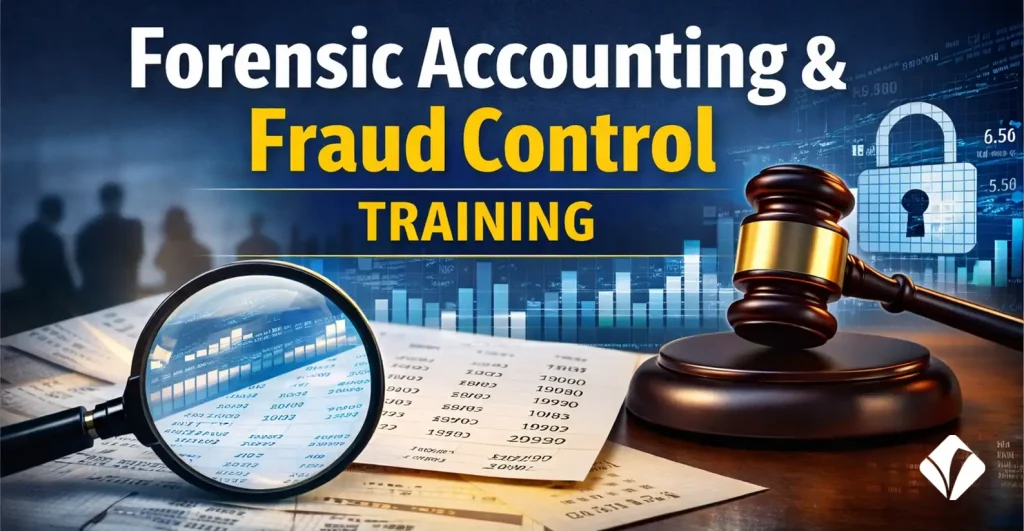
The Forensic Accounting and Fraud Control Training in Vilnius is an applied five-day professional development programme for officials, managers and specialists responsible for decisions, assurance and implementation. It connects technical methods with practical work products that participants can adapt to their own institutions.
Free self-check: the governance self-audit gives a quick check of governance, controls and accountability, in about 10 minutes.
The programme is hosted in Vilnius, Lithuania. It is designed for public institutions, donor-financed project teams, regulators and organisations that need documented decisions and reliable operational controls. The venue is a learning location, not a claim that a local institution is providing a confirmed technical visit.
Participants work with realistic but fictional case files covering fraud risk registers, duplicate payments and evidence logs. Exercises distinguish requirements that follow a particular financier or jurisdiction from general good practice. No project funding or nomination arrangement is implied.
该课程建立了从初步评估与规划到证据收集、质量保证、管理报告和机构后续跟进的连续工作流程。它还鼓励参与者在应用任何国际参考框架之前,找出现有政策中的差距。
The Programme Strengthens Institutional Capability
- Fraud risk registers
- Transaction testing
- 分录分析
- Duplicate payments
- Conflict-of-interest checks
- Case triage
- Evidence logs
- Chain of custody
- Interview plans
- Investigation reports
- 内部控制
- Whistleblowing
- Red-flag escalation
- Procurement anomalies
- Recovery pathways
- Audit trails
Each participant builds a portfolio of draft tools and a short implementation plan, with responsibilities, verification points and a timetable for management review.
The Growing Importance of Forensic accounting and fraud control
Institutions are expected to demonstrate not only that activities have been completed, but that decisions are consistent, traceable and proportionate to risk. In forensic accounting and fraud control, weak definitions, fragmented records and unclear accountability can make otherwise sound work difficult to defend or improve.
The reference materials listed below offer official frameworks relevant to parts of this curriculum. They do not establish that any named institution has committed funds to this course. Participants should check the rules governing their own country, employer and financed project before adopting the examples.
各机构日益需要具备以下能力的专业人员:
- Assess fraud risk registers using documented criteria
- Assess transaction testing using documented criteria
- Assess journal-entry analytics using documented criteria
- Assess duplicate payments using documented criteria
- Assess conflict-of-interest checks using documented criteria
- 使用记录的标准评估病例分诊
- Assess evidence logs using documented criteria
- Assess chain of custody using documented criteria
- Assess interview plans using documented criteria
- 使用记录在案的标准评估调查报告
- Assess internal controls using documented criteria
- Assess whistleblowing using documented criteria
强有力的法务会计和舞弊控制系统帮助机构:
- Improve the consistency of interview plans
- Improve the consistency of investigation reports
- Improve the consistency of internal controls
- Improve the consistency of whistleblowing
- Improve the consistency of red-flag escalation
- Improve the consistency of procurement anomalies
- Improve the consistency of recovery pathways
- Improve the consistency of audit trails
A workable system needs clear ownership, tested records and decisions that can be reviewed independently. The sessions translate these requirements into small, repeatable routines rather than a one-off report.
Who Should Attend This Forensic Accounting and Fraud Control Training?
本培训项目适合:
- Ministry department directors
- Government policy analysts
- Project implementation unit managers
- Project management unit coordinators
- Technical assistance team leaders
- 内部审计人员
- Compliance officers
- Procurement specialists
- Finance managers
- Monitoring and evaluation officers
- Data and reporting analysts
- 项目质量保证人员
- Institutional development specialists
- Public sector trainers
- 发展伙伴联络点
- Consultants supporting public agencies
Participants should bring a description of one institutional process they wish to improve, without sharing confidential personal or commercial information.
勾选您的团队需要具备的能力。
Forensic Accounting and Fraud Control Training Objectives
Upon successful completion of this Forensic Accounting and Fraud Control Training, participants will be able to:
- 解释法务会计和舞弊控制的制度目的与局限性
- Assess existing procedures against relevant documented requirements
- 识别关键利益相关者与决策权
- Prioritise operational risks and quality weaknesses
- Select appropriate methods and tools for the task
- Document assumptions and supporting evidence
- Design practical controls and review checkpoints
- Use sample datasets or case files responsibly
- Communicate findings to decision-makers
- 制定成比例的行动与资源计划
- Monitor follow-up and adjust implementation
The emphasis is on demonstrable workplace outputs, with peer feedback and facilitator review of the methods selected.
培训项目内容与结构
- 区分错误、违规和疑似欺诈
- Map asset misuse, corruption and reporting schemes
- Assess inherent and residual fraud exposure
- 明确职责与调查门槛
- Identify independence and confidentiality risks
- Review accounting records and audit trails
- Develop an initial allegation triage matrix
- 分析分录与支付异常
- 识别重复发票和拆分采购
- Test vendor-master changes and bank details
- Compare purchase orders, receipts and payments
- 通过正当程序审查利益冲突
- Use ratio and trend analysis cautiously
- Document red flags without presuming guilt
- Prepare a controlled transaction dataset
- Run spreadsheet filters and exception tests
- 仅在适当的情况下应用本福德分析
- Preserve original files and access records
- Record evidence provenance and chain of custody
- Prioritise leads using materiality and risk
- 对照源文件交叉核对异常情况
- Set investigation scope and terms of reference
- Build an allegation and evidence matrix
- Plan interviews without coercive techniques
- Coordinate with legal and human resources teams
- Protect whistleblowers and sensitive information
- Differentiate findings from unproven allegations
- Write clear factual investigation reports
- Map controls to priority fraud scenarios
- 加强职责分离与审批
- Design exception monitoring and ownership
- Improve procurement and payment controls
- Establish safe reporting and response channels
- Measure control effectiveness and remediation
- Draft a management action plan with owners
完整的每日课程内容
The five-day sequence builds from diagnosis to an institutional improvement proposal. Each day includes guided technical work and a documented practical exercise.
- First Day: Fraud risks and forensic accounting foundations
- 第二天:红旗标志与财务报表测试
- Third Day: Transaction analytics and evidence handling
- Fourth Day: Investigation planning and reporting
- Fifth Day: Prevention controls and case closure
完整的每日课程内容
First Day | Fraud risks and forensic accounting foundations
- 区分错误、违规和疑似欺诈
- Map asset misuse, corruption and reporting schemes
- Assess inherent and residual fraud exposure
- 明确职责与调查门槛
- Identify independence and confidentiality risks
- Review accounting records and audit trails
- Develop an initial allegation triage matrix
- Document escalation and referral decisions
Workshop: Fraud risks and forensic accounting foundations application
Working in small teams, participants apply the day’s methods to a fictional institutional scenario. They produce a short decision-ready artefact, record key assumptions, identify unresolved evidence gaps and receive structured feedback. The output is retained for the final institutional action plan.
Second Day | Red flags and financial statement testing
- 分析分录与支付异常
- 识别重复发票和拆分采购
- Test vendor-master changes and bank details
- Compare purchase orders, receipts and payments
- 通过正当程序审查利益冲突
- Use ratio and trend analysis cautiously
- Document red flags without presuming guilt
- Create a risk-based testing programme
Workshop: Red flags and financial statement testing application
Working in small teams, participants apply the day’s methods to a fictional institutional scenario. They produce a short decision-ready artefact, record key assumptions, identify unresolved evidence gaps and receive structured feedback. The output is retained for the final institutional action plan.
Third Day | Transaction analytics and evidence handling
- Prepare a controlled transaction dataset
- Run spreadsheet filters and exception tests
- 仅在适当的情况下应用本福德分析
- Preserve original files and access records
- Record evidence provenance and chain of custody
- Prioritise leads using materiality and risk
- 对照源文件交叉核对异常情况
- Prepare a defensible analytical working paper
Case Study: Transaction analytics and evidence handling application
Working in small teams, participants apply the day’s methods to a fictional institutional scenario. They produce a short decision-ready artefact, record key assumptions, identify unresolved evidence gaps and receive structured feedback. The output is retained for the final institutional action plan.
Fourth Day | Investigation planning and reporting
- Set investigation scope and terms of reference
- Build an allegation and evidence matrix
- Plan interviews without coercive techniques
- Coordinate with legal and human resources teams
- Protect whistleblowers and sensitive information
- Differentiate findings from unproven allegations
- Write clear factual investigation reports
- Review referral, remediation and closure options
Workshop: Investigation planning and reporting application
Working in small teams, participants apply the day’s methods to a fictional institutional scenario. They produce a short decision-ready artefact, record key assumptions, identify unresolved evidence gaps and receive structured feedback. The output is retained for the final institutional action plan.
第五天 | 预防控制与案件结案
- Map controls to priority fraud scenarios
- 加强职责分离与审批
- Design exception monitoring and ownership
- Improve procurement and payment controls
- Establish safe reporting and response channels
- Measure control effectiveness and remediation
- Draft a management action plan with owners
- Present a fraud control improvement roadmap
综合练习:预防控制与案件结案应用
Working in small teams, participants apply the day’s methods to a fictional institutional scenario. They produce a short decision-ready artefact, record key assumptions, identify unresolved evidence gaps and receive structured feedback. The output is retained for the final institutional action plan.
法务会计与舞弊控制培训方法
Facilitators use short briefings, individual exercises and group-based problem solving. Case data are illustrative, with assumptions made explicit; the exercises do not represent an audit or certification of any real organisation.
本培训项目融合了:
- Expert-led technical briefings
- Facilitated policy and process reviews
- Anonymised or fictional case dossiers
- Spreadsheet and template exercises
- Small-group scenario analysis
- Role-based decision simulations
- Peer comparison of institutional practices
- Guided risk and control mapping
- Structured facilitator feedback
- Daily learning reflections
- Action planning and presentation practice
- 对照原始标准进行参考检查
Participants can adapt worksheets to their own institution after reviewing local legal requirements, confidentiality rules and management approvals.
预期成果
完成此法务会计和欺诈控制培训后,参与者将能够:
- Present a baseline of current institutional practice
- Produce a risk and issue register
- Draft a quality assurance checklist
- Explain key requirements to colleagues
- 准备一份可靠的管理简报
- Build an evidence and records plan
- Identify priorities for staff development
- Set measurable implementation milestones
- Evaluate whether controls are operating as intended
- Present an institutional improvement proposal
These are intended learning outcomes, not guaranteed changes in an employer’s systems or compliance status.
每位学员£3,650 · 发票与银行转账 · 5人及以上团体可享折扣
同一机构五人及以上:请在申请发票时索取团体价。
Ten or more: an in-house version for your institution may cost less per person. Ask for an in-house quote.
注册截止时间为 31天后(2026年12月23日)
法务会计与欺诈控制的机构应用培训
本培训项目帮助机构加强:
- Ownership of fraud risk registers
- Ownership of transaction testing
- Ownership of journal-entry analytics
- 重复付款的责任归属
- Ownership of conflict-of-interest checks
- Ownership of case triage
- Ownership of evidence logs
- Ownership of chain of custody
- Ownership of interview plans
- Ownership of investigation reports
- 内部控制的所有权
- 举报机制的所有权
学员将带着实用工具回到工作岗位,以提升:
- Documentation and review of interview plans
- Documentation and review of investigation reports
- Documentation and review of internal controls
- Documentation and review of whistleblowing
- Documentation and review of red-flag escalation
- Documentation and review of procurement anomalies
- Documentation and review of recovery pathways
- Documentation and review of audit trails
Institutions can use the draft outputs as a starting point for a tailored in-house programme, internal working group or management-approved improvement initiative.
区域相关性与应用
欧洲
For teams working in Europe, forensic accounting and fraud control can support public-sector assurance, regulatory alignment and accountable reporting. The relevant rules and financing conditions differ by country and project, so the programme uses comparative methods without assuming a uniform legal or regulatory system.
非洲
For teams working in Africa, forensic accounting and fraud control can support implementation capacity and evidence for financed programmes. The relevant rules and financing conditions differ by country and project, so the programme uses comparative methods without assuming a uniform legal or regulatory system.
中东
对于在中东工作的团队而言,法务会计和欺诈控制可以支持大型倡议的机构现代化和治理。相关规则和融资条件因国家和项目而异,因此该项目采用比较方法,而不假设存在统一的法律或监管体系。
Asia and the Pacific
For teams working in Asia and the Pacific, forensic accounting and fraud control can support cross-agency coordination and delivery in varied operating contexts. The relevant rules and financing conditions differ by country and project, so the programme uses comparative methods without assuming a uniform legal or regulatory system.
跨区域小组工作使参与者能够在保护机密机构信息的同时比较实践方法。
1. Which approach best supports fraud risk registers?
该程序将记录的决策和证据检查应用于欺诈风险登记册;必须对照相关的原始指南检查要求。
2. 哪种方法最能支持重复付款?
The programme applies documented decisions and evidence checks to duplicate payments; requirements must be checked against the relevant original guidance.
3. Which approach best supports evidence logs?
The programme applies documented decisions and evidence checks to evidence logs; requirements must be checked against the relevant original guidance.
- 交易
- 记录
- 控制
- 证据
- 意见
Host Country Profile – Lithuania
Vilnius in Lithuania is the established location for this programme. Training is designed around classroom exercises, group discussion and international peer learning rather than an unverified promise of access to a specific government agency.
主办方设置允许参与者了解如何在专业培训环境中组织法务会计和舞弊控制。官方框架和案例材料将在课堂上进行评审;除非另行确认,否则当地组织不作为项目合作伙伴代表。
International participants should verify entry conditions for Lithuania using official consular channels based on their nationality and residence status. Travel routes, appointment availability, transit requirements and local arrangements can change, so visa assistance is advisory and entry is never guaranteed.
Forensic Accounting and Fraud Control Training Deliverables
The following support package and learning materials are designed to help participants prepare, take part and transfer the learning into their workplace.
培训开始前
- 学员课前评估
- Forensic accounting and fraud control Readiness Assessment
- Forensic accounting and fraud control Resource Pack
- 课前阅读资料
- 免费签证支持与咨询
培训期间
- 机场接机与欢迎协助
- Accommodation with breakfast: 6 nights, check-in Sunday 31 January 2027, check-out Saturday 6 February 2027 (one night before and one night after the programme)
- 欢迎交流晚宴
- Risalat培训礼包(背包、水瓶、马克杯、T恤、帽子、护照套、笔、笔记本、冰箱贴及钥匙扣)
- Comprehensive Forensic accounting and fraud control Training Manual
- Fraud Risk Registers Template
- 交易测试模板
- Journal-Entry Analytics Template
- Duplicate Payments Template
- Conflict-Of-Interest Checks Template
- 实践研讨与模拟演练
- 小组讨论与同伴学习
- 每日午餐与茶歇
- 全面使用培训场地设施
- 装有数字学习资料的迷你平板电脑
- Field Visit (where applicable and confirmed)
- 城市休闲观光
培训结束后
- 结业证书
- Risalat培训项目参与表彰奖
- 培训后参考资料
- 欺诈风险登记册清单
- Duplicate Payments Working Template
- Evidence Logs Action Plan
- 培训后支持与跟进指导
- 培训项目报告
Institutions seeking a customised group version can request a tailored proposal. Participants may also explore the programme categories and institutional capacity diagnostic.
Common Challenges in Forensic accounting and fraud control, And How This Training Helps
How can we identify the real capability gap?
The first day combines baseline assessment with stakeholder mapping so teams can distinguish a skills gap from a process or accountability problem.
How can we make decisions consistent and defensible?
第二天介绍了有据可查的标准、实用模板和质量检查,以便审查人员能够重建选择某个选项的原因。
How can we improve data and evidence quality?
The third day uses case records and verification steps to help participants identify missing, contradictory or unreliable information.
我们如何向高层领导汇报复杂的调查结果?
The fourth day turns technical findings into concise management messages, supporting evidence and clear recommendations.
我们如何跨部门协调团队?
The programme defines decision rights, handovers and escalation points in a realistic institutional workflow.
如何在不虚构精确性的情况下管理不确定性?
Sessions require participants to document assumptions, limitations and alternative interpretations before making recommendations.
How can we sustain improvements after training?
第五天的总结项目为一份可管理的行动计划指定了负责人、里程碑、指标和后续审查流程。
常见问题
How can we identify the real capability gap?
The first day combines baseline assessment with stakeholder mapping so teams can distinguish a skills gap from a process or accountability problem.
How can we make decisions consistent and defensible?
第二天介绍了有据可查的标准、实用模板和质量检查,以便审查人员能够重建选择某个选项的原因。
How can we improve data and evidence quality?
The third day uses case records and verification steps to help participants identify missing, contradictory or unreliable information.
我们如何向高层领导汇报复杂的调查结果?
The fourth day turns technical findings into concise management messages, supporting evidence and clear recommendations.
我们如何跨部门协调团队?
The programme defines decision rights, handovers and escalation points in a realistic institutional workflow.
Who Will Deliver This Programme
Each date is delivered by a team assigned from Risalat's expert network for this subject. For this programme we assign:
How we choose them: Experience in the region of the participants or comparable settings; Command of the financier rules that apply (World Bank, ADB, AfDB, EU, UN) where relevant; Delivery in English; other languages on request for in-house groups; No conflict of interest with participants' institutions.
Training courses in Vilnius会计与财务培训课程
为何选择在维尔纽斯举办本培训项目
Vilnius hosts central government ministries, national agencies, and European Union bodies such as the European Institute for Gender Equality. Visiting officials can examine public administration reforms and digital public services implemented across Lithuania. The city is easily accessible via regular direct flights connecting Vilnius Airport with major European transport hubs.
2027年2月在维尔纽斯举办的“法务会计与欺诈控制培训”项目汇聚了来自欧洲、非洲、中东和亚洲的官员与专业人士。课程结合了简短讲授、案例研究以及针对学员自身档案的分组讨论,并可根据请求安排参观该市的机构作为学习考察。
Getting there: Vilnius International Airport (VNO).
使用免费的签证查询工具确认您是否需要签证,完成报名后即可申请邀请函。
其他城市的同主题培训
- Safety Net Payment Reconciliation and Community Proxy Means Auditing in Casablanca (Casablanca)
- Integrated Financial Management Information Systems (IFMIS) Audit and PFM in Istanbul (Istanbul)
- Fiduciary Controls and Fund Flow Tracking for Transition Grants in Istanbul (Istanbul)
- Public Sector Fiduciary Risk & Procurement for Island Infrastructure PIUs in Brisbane (Brisbane)
- 伊斯坦布尔数字税务稽查、电子发票与收入分析(伊斯坦布尔)
- 曼谷欺诈调查、侦测与防范培训(曼谷)
维尔纽斯的其他培训项目
- 开放合同伙伴关系(Open Contracting Partnership) 开放合同伙伴关系(Open Contracting Partnership)
- 国际内部审计师协会(IIA) IIA
For teams and institutions
Bring your team
Teams that learn together apply more at work. Tell us how many people and how you would like to take part: we reply with a group quote within two working days.
Watch: this programme in short

Other dates and cities for this subject: IPSAS, IFRS and Public Sector Accounting training courses (13 upcoming dates).
在路线图中规划此项目:为什么重要、为什么要批准它、要计划的日期以及它所构建的职业生涯。