أبرز الخلاصات
- Background and practical significance. Bhutan's climate policy presents a fascinating paradox in today's world.
- Current state of climate data systems in Bhutan. The National Center for Hydrology and Meteorology (NCHM) leads all weather, water, and ice-related services.
- Digital tools for transparent climate financing. Bhutan's spending on climate research is so low it's not even tracked.
- Funding for capacity building and institutional reform. Building capacity remains key to close implementation gaps.
- Application for public agencies and donor-funded projects. Community-based solutions are the foundations of climate resilience.
In short: Bhutan’s Climate Policy Gap requires practical choices about resources, evidence and implementation. This guide explains the main opportunities and constraints, and how organisations can turn the underlying ideas into measurable decisions.
Background and practical significance
Background and practical significance
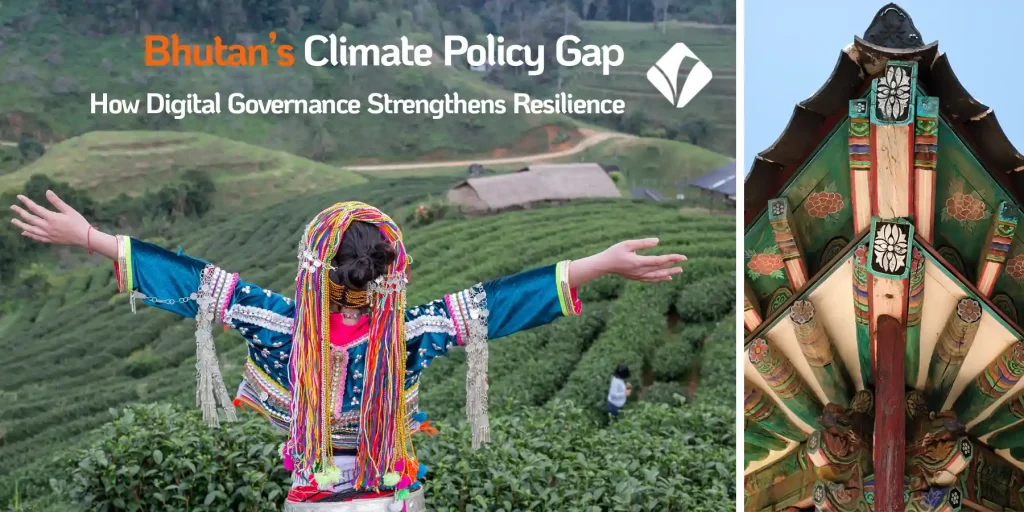
Bhutan's climate policy presents a fascinating paradox in today's world. This small Himalayan kingdom has accomplished what other nations dream of it stands as the world's first carbon-negative country with forests covering an impressive 70% of its land. The environmental success story faces new climate challenges that now threaten Bhutan's urban centers and remote highland communities.
The Kingdom of Bhutan's climate policy 2020 sets bold frameworks, yet the gap between policy creation and action keeps growing. Communities from Thimphu, Bhutan's capital, to its northern border villages now feel the effects of rising global temperatures more than ever. Recent positive developments paint a hopeful picture – Bhutan has received $20 million from the Least Developed Countries Fund to build urban resilience in the Thimphu-Paro region. The country's National Energy Policy 2025 reveals plans to reach 25,000 MW of installed renewable energy capacity by 2040.
Donor partnerships, capacity building programs, and digital governance tools can help bridge Bhutan's climate policy gaps. A careful look at both wins and challenges will help us find practical ways to boost resilience. These solutions should help Bhutan keep its position as a global environmental conservation and climate action leader.
Bhutans Climate Progress and Emerging Gaps
Bhutan holds a special place in global climate policy talks as the world's first carbon-negative nation. The country's constitution demands 60% forest cover, and green practices have helped maintain an impressive 70.77% coverage. These forests work as carbon sinks that absorb more than 9.4 million tons of carbon dioxide each year – triple the country's yearly emissions. The world has praised Bhutan's success, which now serves as a blueprint for green development.
Bhutan's climate change policy 2020 provides a detailed framework that tackles both prevention and adaptation strategies. The policy highlights ten key areas such as food security, water resources, biodiversity conservation, and disaster risk management. A five-year action plan smoothly combines with the country's Five-Year Plans to put these ideas into practice. This combination helps embed climate policy considerations into Bhutan's development agenda and organizational structure.
ومع ذلك، تظل الفجوة بين التخطيط والتنفيذ واسعة. فالتمويل هو المشكلة الكبرى، إذ تحتاج بوتان إلى 500 مليون دولار لمشاريع التكيف مع المناخ وحدها. كما تخلق أوجه القصور الفنية عقبات إضافية، لا سيما في مجالات محددة مثل تتبع غازات الدفيئة والنمذجة المناخية. وتجعل هذه الفجوات من الصعب حماية المجتمعات الجبلية الهشة من التهديدات المتزايدة لفيضانات البحيرات الجليدية.
Meanwhile, different government departments don't work together well enough. Climate change needs many ministries and agencies to join forces, but they usually work alone. Nobody knows exactly who should do what, which leads to repeated work and wasted resources. This scattered approach slows down responses to new climate threats. The National Environment Commission can't coordinate effectively because it lacks authority over other agencies.
Better funding and organizational changes could fix these problems. Programs that build technical skills and better monitoring systems would help Bhutan turn its bold climate policy into real results.
دور البيانات والحوكمة الرقمية في الصمود المناخي
Bhutan needs strong data systems to handle climate challenges, but its weather monitoring setup falls short. The country's hydromet network has only 26 river gaging stations, 90 weather stations, and 15 flood warning stations. Most of these stations are 20 years old, built when technology was basic. Only 10 river stations and 13 weather stations work automatically, which leaves big gaps in data collection across the kingdom.
For bhutan’s climate policy gap, a useful implementation plan should explicitly consider learning outcomes, institutional roles and the time available for implementation. A responsible decision starts by identifying who experiences the problem, who has authority to respond, and what information would change the proposed action. These questions help separate an attractive concept from a feasible intervention.
For example, an organisation considering a new initiative can document the existing process, consult the people who use it, select a manageable pilot and record its baseline. The pilot should have a named owner, a delivery timetable, a complaints route and a realistic operating budget. Progress should be judged against observed results rather than the number of meetings, workshops or announcements completed.
الوضع الراهن لنظم البيانات المناخية في بوتان
الوضع الراهن لنظم البيانات المناخية في بوتان
The National Center for Hydrology and Meteorology (NCHM) leads all weather, water, and ice-related services. Their latest data shows Bhutan got an average rainfall of 1802.37 mm in 2024, and Gasa saw rain for 218 days – more than any other region. The scattered way of collecting climate data creates problems with accuracy and sharing between systems. Research teams and policymakers struggle because data is spread out and red tape gets in the way.
أهمية الرصد والتنبؤ في الوقت الفعلي
NCHM boosted its monitoring abilities through the UNDP-GEF NAPA II project by adding 60 automatic weather stations and 32 water level stations across Bhutan. These new stations send immediate hydromet data to the World Meteorological Organization's Global Telecommunication System. This upgrade matters because melting glaciers make up 33% to 49% of river water. Bhutan has 17 dangerous glacial lakes that need constant watching.
إمكانات منصات الحكومة الإلكترونية في التخطيط المناخي
يمكن لأنظمة رقمية أفضل أن تعالج مشكلات التنسيق بين الوكالات. وتُظهر السياسة المناخية لبوتان لعام 2020 أن النجاح يتوقف على تعزيز قدرات أصحاب المصلحة، بمن فيهم الحكومات المحلية. ويمكن لأنظمة الحكومة الإلكترونية أن تسهم في إيجاد سبل أفضل لتبادل البيانات ووضع معايير لجمعها والتخطيط المشترك بين الإدارات.
For bhutan’s climate policy gap, a useful implementation plan should explicitly consider costs, procurement options, stakeholder incentives and the risks of premature scaling. A responsible decision starts by identifying who experiences the problem, who has authority to respond, and what information would change the proposed action. These questions help separate an attractive concept from a feasible intervention.
For example, an organisation considering a new initiative can document the existing process, consult the people who use it, select a manageable pilot and record its baseline. The pilot should have a named owner, a delivery timetable, a complaints route and a realistic operating budget. Progress should be judged against observed results rather than the number of meetings, workshops or announcements completed.
أدوات رقمية لتمويل مناخي شفاف
أدوات رقمية لتمويل مناخي شفاف
Bhutan's spending on climate research is so low it's not even tracked. Digital tools and climate intelligence systems that combine different data sources could help close this gap. AI speeds up how we collect and study nature-related data. These advances might help Bhutan get money from the new loss and damage fund that countries agreed to at COP27.
كيف يمكن لدعم الجهات المانحة سدّ فجوة السياسات المناخية
Donor assistance provides a vital pathway to build Bhutan's climate resilience as domestic resources remain limited. The kingdom stands in a unique position as both a climate leader and a vulnerable nation that needs targeted support from international partners.
Arranging donor priorities with Bhutans national goals
Successful donor collaboration depends on matching international funding with Bhutan's 13th Five-Year Plan and climate strategies. The Green Climate Fund helps Bhutan maintain its carbon-neutral status by building capacities to update key climate strategies, including Long-Term Low Emission Development Strategy and Nationally Determined Contribution. Strong financing strategies are taking shape to reach mitigation and adaptation targets.
For bhutan’s climate policy gap, a useful implementation plan should explicitly consider quality assurance, privacy or environmental safeguards where relevant, and transparent reporting. A responsible decision starts by identifying who experiences the problem, who has authority to respond, and what information would change the proposed action. These questions help separate an attractive concept from a feasible intervention.
For example, an organisation considering a new initiative can document the existing process, consult the people who use it, select a manageable pilot and record its baseline. The pilot should have a named owner, a delivery timetable, a complaints route and a realistic operating budget. Progress should be judged against observed results rather than the number of meetings, workshops or announcements completed.
تمويل بناء القدرات والإصلاح المؤسسي
تمويل بناء القدرات والإصلاح المؤسسي
Building capacity remains key to close implementation gaps. The World Bank approved over 38 million USD to build Bhutan's institutional capacity for managing climate risks. This financing has a Climate Resilient Debt Clause that gives Bhutan the option to defer principal payments up to two years during eligible natural disasters.
دراسة حالة: مشروع الصمود الحضري في منطقة تيمفو-بارو
اتخذ مرفق البيئة العالمية قراراً تاريخياً بالموافقة على أكثر من 19 مليون دولار أمريكي لمشروع تحسين قدرة المناظر الطبيعية الحضرية والمجتمعات على الصمود في وجه تغير المناخ في منطقة تيمفو-بارو، فيما قدّمت الحكومة الملكية تمويلاً مشتركاً يتجاوز 59 مليون دولار أمريكي. وسيساعد هذا المشروع الممتد ست سنوات (2025-2030) نحو 146,000 من السكان من خلال حلول قائمة على الطبيعة، وسيعيد تأهيل 800 هكتار من أراضي مستجمعات المياه.
الاستفادة من أسواق الكربون الطوعية
Bhutan has started developing frameworks to monetize its carbon assets through international markets. The kingdom's Architecture for REDD+ Transactions project could generate up to 1.1 million tCO2e of credits in its first five-year period (2020-2024). Bhutan plans to implement corresponding adjustments to make these credits eligible for international trading programs like ICAO's CORSIA Phase 1.
For bhutan’s climate policy gap, a useful implementation plan should explicitly consider the difference between a pilot that works once and a process that an institution can sustain. A responsible decision starts by identifying who experiences the problem, who has authority to respond, and what information would change the proposed action. These questions help separate an attractive concept from a feasible intervention.
For example, an organisation considering a new initiative can document the existing process, consult the people who use it, select a manageable pilot and record its baseline. The pilot should have a named owner, a delivery timetable, a complaints route and a realistic operating budget. Progress should be judged against observed results rather than the number of meetings, workshops or announcements completed.
Application for public agencies and donor-funded projects
دور الشراكات متعددة الأطراف ومنظمات المجتمع المدني
تُشكّل الحلول المجتمعية أساس الصمود المناخي. ويعمل برنامج الأمم المتحدة الإنمائي وبرنامج المنح الصغيرة التابع لمرفق البيئة العالمية مع منظمات المجتمع المدني والمنظمات المجتمعية لبناء قدرة المجتمعات الجبلية النائية على الصمود. وقد قدّم الاتحاد الأوروبي منحاً بقيمة 31 مليون يورو للفترة 2021-2024، وتعهّد بتقديم 17 مليون يورو للفترة 2025-2027. ويدعم بنك الاستثمار الأوروبي هذه الجهود بتمويل مشاريع البنية التحتية المستدامة.
بناء الصمود طويل الأمد من خلال مناهج متكاملة
تقوم التنمية المستدامة في بوتان على مناهج متكاملة تربط الفلسفات الوطنية بالأطر العالمية، وتشكّل هذه الروابط الأساس لصمود مناخي دائم في أرجاء المملكة.
ربط مؤشر السعادة الوطنية الإجمالية بأهداف التنمية المستدامة والأهداف المناخية
Bhutan's development philosophy of Gross National Happiness represents "development with values" that naturally fits with the Sustainable Development Goals. This connection creates a powerful framework where climate action becomes part of broader national happiness objectives. G
For bhutan’s climate policy gap, a useful implementation plan should explicitly consider the needs of implementing agencies, suppliers, community representatives and development partners. A responsible decision starts by identifying who experiences the problem, who has authority to respond, and what information would change the proposed action. These questions help separate an attractive concept from a feasible intervention.
For example, an organisation considering a new initiative can document the existing process, consult the people who use it, select a manageable pilot and record its baseline. The pilot should have a named owner, a delivery timetable, a complaints route and a realistic operating budget. Progress should be judged against observed results rather than the number of meetings, workshops or announcements completed.
For a ministry or project implementation unit, the practical sequence is to agree the public purpose, map responsibilities across agencies, identify procurement and safeguard requirements, and record the evidence needed for approval. Where a donor finances the work, the project team should use the applicable financing agreement, procurement framework and environmental and social commitments rather than assuming that one generic procedure applies to every project.
Consider a hypothetical donor-funded programme with a limited implementation period. The project manager could commission a baseline assessment, involve local stakeholders in defining service standards, test the proposed intervention in a small number of sites and evaluate performance before expansion. An independent review of expenditure and outcomes can reveal whether the programme is reaching intended beneficiaries and whether the implementing agency can maintain it after external financing ends.
Implementation checklist
- Define the decision and intended beneficiaries.
- Confirm legal, financial and operational constraints.
- Set a baseline and measurable indicators.
- Assign owners and establish stakeholder feedback.
- Pilot, evaluate and revise before scaling.
الأسئلة الشائعة
What is the main practical benefit?
It helps decision-makers connect the topic to defined needs, realistic resources and observable outcomes.
What should an organisation assess first?
Start with a baseline, stakeholder needs, delivery responsibilities and applicable legal requirements.
Which implementation risks deserve attention?
Pay attention to affordability, institutional capacity, inclusion, data quality and ongoing maintenance.
How can progress be measured?
Use a small set of baseline-linked indicators, user feedback and periodic independent review.
How does this apply to donor-funded projects?
Apply the project financing agreement and relevant procurement, safeguard, monitoring and reporting obligations.
هل تعرف أشخاصاً ينبغي أن يقرؤوا هذا؟ كن سفيراً لـ Risalat أو اكتب مقالاً مع Risalat باسمك الشخصي.
شركاء في نجاح المشاريع منذ 2011، نقدم التشخيص والدعم الاستشاري والتعلم التطبيقي للوزارات والهيئات العامة وفرق المشاريع.
هل تحتاج إلى مساعدة في تطبيق ذلك عملياً؟
ابدأ بتشخيص مجاني مدته 10 دقائق أو تحدث إلى خبرائنا.