أبرز الخلاصات
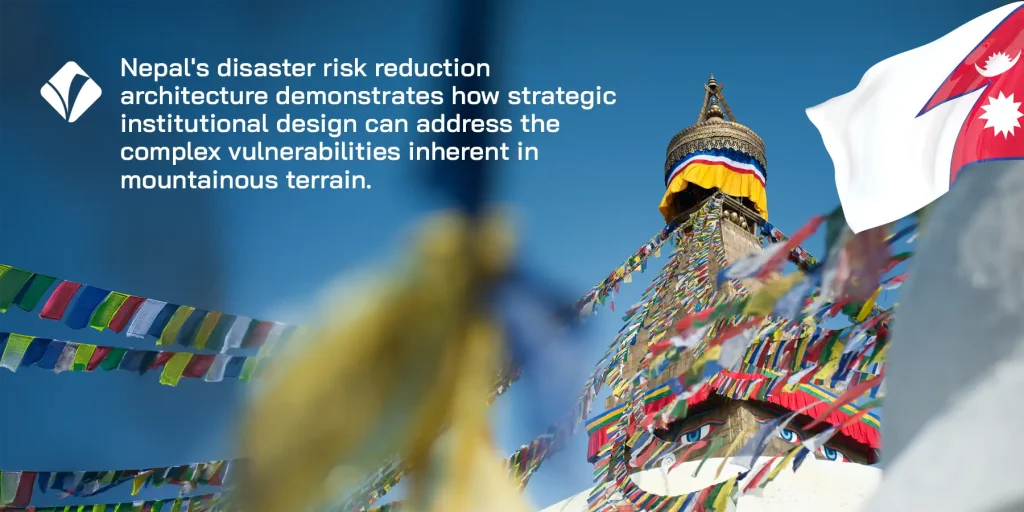
- Nepal’s Disaster Risk Reduction Model: What Makes It Effective in 2025. Nepal’s disaster risk reduction architecture demonstrates how strategic institutional design can address the complex vulnerabilities inherent in mountainous terrain.
- Disaster Risk Reduction in Nepal: Shift from Response to Preparedness. The strategic architecture of Nepal’s disaster risk reduction effectiveness rests upon a fundamental operational transformation: the deliberate pivot from post-catastrophe response…
- الحوكمة المحلية في الحد من مخاطر الكوارث: اللامركزية في نيبال…. ترتكز الأساسيات الهندسية لنجاح نيبال في الحد من مخاطر الكوارث على التوزيع المتعمد للسلطة الإدارية عبر مستويات حكومية متعددة.
- Data-Driven Disaster Risk Reduction: Nepal’s Risk Mapping Approach. The analytical foundation of Nepal’s disaster risk reduction model rests upon rigorous evidence-based planning methodologies.
- Institutional architecture and coordination frameworks. The institutional foundation of Nepal’s disaster risk reduction framework experienced comprehensive restructuring following the nation’s federal transition in 2017.
In short: Nepal’s disaster risk reduction model shows how smart institutional design tackles complex mountain vulnerabilities.
تقف نيبال عند تقاطع طرق يجمع بين الجمال الطبيعي الاستثنائي والتحديات الجيولوجية الهائلة، حيث يخلق تقارب القوى التكتونية مشهداً يتسم بالروعة والخطورة في آن واحد. تواجه الدولة أكثر من 500 كارثة سنوياً، تشمل الفيضانات والانهيارات الأرضية والظواهر الأرصاد الجوية القاسية وفيضانات البحيرات الجليدية. لقد أدى التراجع المتسارع للأنهار الجليدية عبر سلسلة جبال الهيمالايا إلى تكرار حدوث الانهيارات الجليدية وما يرتبط بها من كارثية، مما خلق ظروفاً تتطلب استجابات استراتيجية غير مسبوقة للحد من مخاطر الكوارث من قبل هذه الجمهورية الجبلية.
The human cost of these natural forces has been substantial. Statistical records document the loss of 12,315 lives between 2015 and 2021, with female casualties comprising 53% of fatalities and male casualties accounting for 47%. Yet these sobering figures underscore not defeat, but rather the foundation upon which Nepal has constructed one of the most sophisticated disaster risk reduction frameworks observed in contemporary governance. The enactment of the Disaster Risk Reduction and Management Act 2074 established the National Disaster Risk Reduction and Management Authority (NDRRMA), which now serves as the central coordinating mechanism for disaster-related functions across the entire nation.
Nepal’s distinguishing achievement lies in its deliberate evolution from reactive emergency response to anticipatory risk governance. The constitutional transition to federalism facilitated the establishment of disaster risk management institutions across multiple governmental tiers, while concurrent legislative and policy reforms created the operational framework for this institutional architecture. This methodical restructuring enabled the unprecedented training of over 19,900 government officials in disaster risk reduction and management principles across all 753 local municipalities, creating a distributed network of expertise that fundamentally strengthens community resilience.
The United Nations Country Team has forged a strategic research alliance with a consortium of academic institutions over the preceding decade, generating empirical evidence that now informs disaster risk governance decisions. This evidence-driven methodology, coupled with localized implementation protocols, has established Nepal as an exemplary model for effective disaster risk reduction among mountainous, hazard-prone nations worldwide.
Nepal’s Disaster Risk Reduction Model: What Makes It Effective in 2025
Nepal’s disaster risk reduction architecture demonstrates how strategic institutional design can address the complex vulnerabilities inherent in mountainous terrain. The nation’s framework has earned international recognition through its systematic approach to hazard management, which directly confronts the geographical and socio-economic realities that define Himalayan communities.
تنبع فعالية هذا النموذج من تكامله لأنظمة المعرفة المحلية مع مبادئ إدارة المخاطر المعاصرة، مما يخلق حلولاً تتناسب مع احتياجات المجتمع مع تلبية المعايير الدولية للتأهب للكوارث. لقد أثمر هذا التوليف عن تحسينات قابلة للقياس في المرونة عبر المناطق البيئية المختلفة، من سهول تيراي إلى المستوطنات عالية الارتفاع.
الحد من مخاطر الكوارث في نيبال: التحول من الاستجابة إلى الجاهزية
The strategic architecture of Nepal’s disaster risk reduction effectiveness rests upon a fundamental operational transformation: the deliberate pivot from post-catastrophe response protocols to anticipatory preparedness systems. This methodical restructuring, formalized through the comprehensive legal framework established in 2017, prioritizes prevention and mitigation strategies over traditional recovery-focused interventions.
عملت ممارسات إدارة الكوارث التاريخية في نيبال ضمن نموذج تفاعلي، حيث لم تكن الاستجابات المؤسسية تتפعل إلا بعد وقوع الأحداث الكارثية. يعمل الإطار المعاصر على مبادئ مختلفة تماماً: التنبؤ المنهجي بالمخاطر، تطوير البنية التحتية الصامدة، وآليات الإنذار المبكر التي توفر للمجتمعات فترات إخلاء حرجة ونوافذ حماية للأصول.
Financial governance reflects this strategic reorientation. Budgetary allocations for disaster risk reduction now occur systematically across all governmental tiers – federal, provincial, and municipal – representing a departure from ad hoc emergency funding models. Disaster insurance schemes have been instituted to accelerate recovery processes while mitigating long-term economic consequences for affected populations, creating a financial safety net that supports both individual households and broader community resilience.
Local Governance in Disaster Risk Reduction: Nepal’s Decentralized Approach
The architectural foundation of Nepal’s disaster risk reduction success rests upon the deliberate distribution of administrative authority across multiple governmental strata. The constitutional framework of 2015 established a tripartite governance structure that allocates disaster management responsibilities according to institutional capacity and operational proximity to affected populations:
- Federal level: Maintains responsibility for policy architecture, resource distribution mechanisms, and coordination of large-scale emergency responses
- Provincial level: Administers regional preparedness protocols and response coordination systems
- Local level: Executes ground-level prevention strategies and immediate response interventions
This administrative devolution has cultivated genuine local stewardship of disaster risk reduction programs. Municipal authorities now formulate disaster management frameworks specifically calibrated to their geographical vulnerabilities, whether addressing riverine flooding across the Terai plains, slope instability throughout the hill regions, or avalanche risks within high-altitude zones.
Local ownership has been further institutionalized through the establishment of disaster management committees that incorporate representation from traditionally marginalized populations, ensuring that planning processes reflect diverse community perspectives and implementation strategies remain inclusive. This participatory governance model has demonstrably enhanced community engagement and voluntary participation across both preparedness and response phases of disaster management cycles.
Data-Driven Disaster Risk Reduction: Nepal’s Risk Mapping Approach
الأساس التحليلي لنموذج الحد من مخاطر الكوارث في نيبال يرتكز على منهجيات تخطيط صارمة قائمة على الأدلة. لقد أتاحت الشراكات الإستراتيجية مع المؤسسات الأكاديمية والمنظمات الدولية تطوير تقنيات متطورة لرسم خرائط المخاطر قادرة على تحديد المناطق المعرضة للمخاطر بدقة واستفاضة استثنائية.
Multi-hazard risk assessments serve as the primary decision-making instruments for zoning regulations, building codes, and infrastructure development initiatives nationwide. These comprehensive assessments synthesize traditional community knowledge with contemporary scientific data, establishing a holistic understanding of risk variables that spans both empirical observation and indigenous expertise.
تشغيل الهيئة الوطنية للحد من مخاطر الكوارث وإدارتها لنظام قاعدة بيانات مركزية يتتبع بشكل منهجي أنماط الكوارث التاريخية، وتوقعات تغير المناخ، ومؤشرات الضعف عبر جميع المستويات الإدارية. يمكن مستودع المعلومات الشامل هذا السلطات من تنفيذ قرارات تخصيص الموارد بفعالية معززة مع إعطاء الأولوية للتدخلات داخل المجتمعات الأكثر هشاشة.
Digital innovation constitutes an integral component of this analytical framework, with mobile applications delivering real-time disaster information to both citizens and emergency responders. These technological solutions demonstrate particular effectiveness within remote geographical areas where conventional communication infrastructure remains limited or unreliable.
The integration of these three strategic pillars: preparedness-oriented governance, decentralized institutional authority, and evidence-driven planning methodologies – has established a disaster risk reduction model that systematically addresses Nepal’s distinctive challenges while providing a replicable framework for other disaster-prone nations in 2025.
Institutional architecture and coordination frameworks
The institutional foundation of Nepal’s disaster risk reduction framework experienced comprehensive restructuring following the nation’s federal transition in 2017. This reorganization established a stratified governance architecture where distinct governmental tiers operate with complementary mandates and coordinated responsibilities.
Federal governance structure across three tiers
Nepal’s constitutional framework devolved authority and resources to subnational governments while mandating disaster risk reduction integration across federal, provincial, and local governmental tiers. This federal architecture creates a systematic operational framework:
- Federal level: The Prime Minister chairs the National DRR Council, while the Home Minister leads the Executive Committee. Federal authorities provide strategic direction, formulate national policies, and manage resource distribution.
- على مستوى المقاطعات: تدير كل مقاطعة من مقاطعات نيبال السبع مجلسًا مقاطعيًا للحد من مخاطر الكوارث وإدارتها تحت قيادة رئيس الوزراء ولجنة تنفيذية توجها وزارة الشؤون الداخلية والقانون.
- Local level: The 753 municipalities and rural municipalities received authorization through the Local Government Operation Act (2017) to formulate local DRR strategies, develop earthquake-resistant infrastructure, establish Emergency Operation Centers, and enforce construction safety standards.
This decentralized framework originated from the Disaster Risk Reduction and Management Act 2074 (2017), which codified institutional structures and operational responsibilities across all governance levels, acknowledging disaster management as fundamentally a community-driven process.
NDRRMA authority and local government responsibilities
تهدف الهيئة الوطنية لإدارة الحد من مخاطر الكوارث (NDRRMA)، التي تأسست عام 2019 ضمن وزارة الداخلية، كأمانة تنفيذية لكل من المجلس الوطني للحد من مخاطر الكوارث واللجنة التنفيذية. وتشمل الولاية المؤسسية للهيئة ما يلي:
- توجيه مبادرات تقييم المخاطر الوطنية وإنشاء المعايير التشغيلية
- Facilitating coordination across all governmental tiers
- Managing international DRR cooperation alignment with national priorities
- Operating the national disaster information database system
Local governments operate under Section 11(2) of the Local Government Operation Act, which assigns specific duties including local DRR plan development, hazard area mapping, municipal police mobilization for emergency response, and inter-governmental coordination.
The effectiveness of this institutional framework manifests in the successful capacity development of more than 19,900 government officials across all 753 local municipalities. This training initiative has catalyzed local governments to establish legal frameworks, expand disaster risk management budgets, and constitute disaster management committees.
تحديات التنسيق والحلول التكيفية للحد من مخاطر الكوارث
While the institutional framework represents substantial advancement, coordination difficulties persist across the system. Specific challenges include:
تحدث عجز التنسيق عمودياً بين السلطات الفيدرالية والإقليمية والمحلية وأفقياً بين الوكالات العاملة في مستويات مكافئة. الانتقال الفيدرالي، على الرغم من فوائده، أدى إلى تعقيدات تنسيقية مؤقتة مع تطوير الحكومات المحلية لقدرات تخطيط الحد من مخاطر الكوارث.
Several structural constraints intensify these coordination challenges:
- تحديد الأدوار الغامض بين المستويات الحكومية
- الصلاحيات المقيدة لهيئة إدارة المخاطر والكوارث على الرغم من تفويضها المؤسسي، بما في ذلك الاعتماد على وزارة الداخلية لقرارات مجلس الوزراء والقيود المفروضة على صنع القرار المالي
- Local governments experiencing technical knowledge gaps, resource constraints, and incomplete operational authority
Nepal has developed innovative mechanisms to address coordination obstacles. The Provincial Focal Point Agencies framework designates UN organizations as governmental liaisons to facilitate information exchange and coordinate development partner engagement. This coordination mechanism demonstrated effectiveness during the COVID-19 pandemic response and the 2023 Jajarkot earthquake emergency operations.
Future institutional development requires NDRRMA restructuring, local government empowerment, and resource mobilization streamlining to strengthen coordination across Nepal’s disaster risk governance architecture.
Community-centered resilience tools and practices
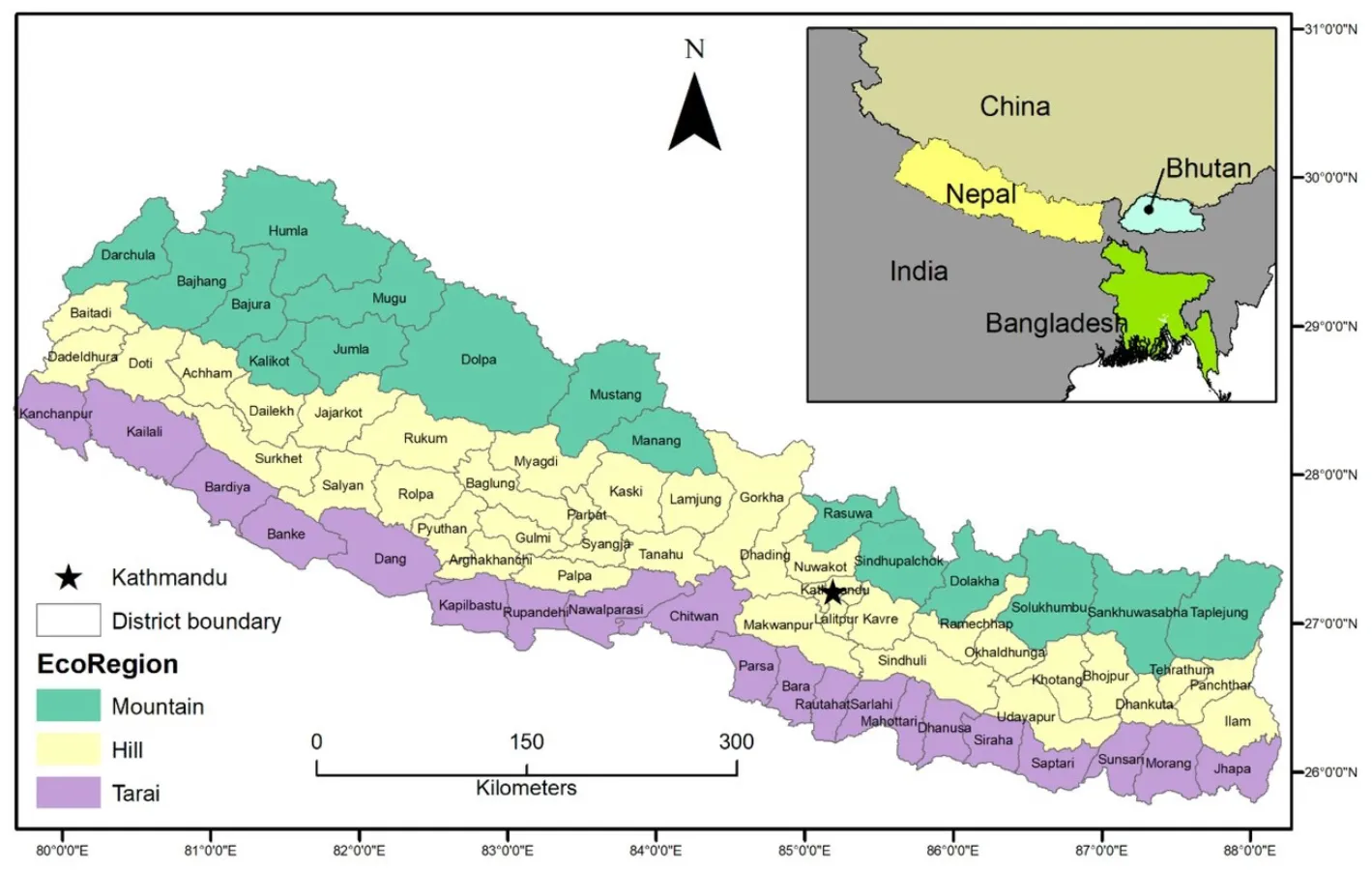
The foundation of Nepal’s disaster risk reduction excellence rests not merely in institutional frameworks, but in the remarkable capacity of communities to architect their own resilience strategies. These grassroots innovations have demonstrated exceptional effectiveness across Nepal’s diverse geographical tapestry, where local knowledge intersects with scientific methodology to create sustainable protective mechanisms.
خطط التكيف المحلية للعمل (LAPAs)
Nepal established global precedence through the Local Adaptation Plans of Action (LAPA) framework in 2011, positioning itself as the foremost exemplar of localized climate adaptation governance. This pioneering initiative aligned precisely with Nepal’s Climate Change Policy directive mandating that 80% of all climate adaptation finance be channeled to local-level implementation. The framework experienced systematic revitalization in 2019, reflecting both Nepal’s federal transformation and the updated Climate Change Policy architecture.
تعمل منهجية خطة التكيف المحلية (LAPA) من خلال عملية دقيقة ومنظمة تتألف من سبع مراحل:
- Climate change sensitization
- تقييم هشاشة المناخ والتكيف معه
- Prioritization of adaptation options
- صياغة خطة عمل التكيف المحلي
- Integration into planning processes
- التنفيذ
- Progress assessment
تحدد هذه الأدوات الاستراتيجية السكان المعرضين لتغير المناخ وضرورات التكيف، وتؤسس لتدخلات ذات أولوية من خلال عمليات صنع القرار المجتمعي التشاركي قبل دمجها في تخطيط التنمية المحلية الأوسع. تفرض الحقائق المالية قيوداً كبيرة. تتوقع نبال قدرة تمويل محلية تبلغ 1.5 مليار دولار فقط مقابل 4.74 مليار دولار مطلوبة لاستراتيجيات التكيف حتى عام 2050.
الحد من مخاطر الكوارث المتمحورة حول الطفل والمنظورة جنسانياً
UNICEF’s Child-Centered Disaster Risk Reduction Program acknowledges the distinct vulnerabilities children experience during catastrophic events. This initiative enhances children’s hazard recognition capabilities, imparts prevention methodologies, and positions them as community knowledge multipliers. Simultaneously, a collaborative consortium encompassing World Vision International Nepal, Save the Children, and Plan International has delivered specialized training to educators and school management committees across 22 designated institutions in Doti and Kailali districts.
Gender inclusion strategies have materialized through the establishment of 42 Women’s Empowerment Centers (WECs), each incorporating 30 women participants and designed to spearhead disaster risk reduction initiatives within their respective communities. These centers address socio-economic vulnerabilities among women who historically encounter barriers when articulating needs to humanitarian organizations during crisis periods.
Use of participatory mapping and local data
Participatory digital mapping represents an innovative synthesis of community engagement with advanced internet-based analytical techniques. Within Nepal’s flood-susceptible Karnali River basin, researchers from IIASA established collaborative partnerships with Practical Action to facilitate community participation in mapping risk profiles, resource inventories, and capacity assessments. This methodology generates digital cartographic products that demonstrate superior accuracy, enhanced content depth, and simplified updating procedures compared to traditional vulnerability assessment approaches.
The Open Cities Kathmandu project exemplifies this approach through training over 1,500 residents who successfully mapped more than 130,000 buildings utilizing the open-source OpenStreetMap platform. This citizen-generated dataset proved invaluable during the 2015 seismic events, when over 6,000 volunteers contributed to mapping 80% of affected territories, thereby facilitating efficient emergency response coordination among military and humanitarian organizations.
Disaster Risk Reduction Capacity Building in Nepal
Human capital development constitutes the cornerstone of Nepal’s enduring disaster risk reduction strategy. Strategic training initiatives and innovative learning platforms have accelerated the expansion of disaster management capabilities across all governance levels, creating a sophisticated network of expertise that extends from federal institutions to remote municipalities.
تدريب أكثر من 19,900 مسؤول عبر 753 بلدية
حققت حكومة نيبال الإنجاز الرائع المتمثل في تدريب أكثر من 19,900 مسؤول عبر جميع بلديات المستوى المحلي البالغ عددها 753، مما زود هؤلاء الموظفين العموميين بالكفاءات الأساسية لإدارة الكوارث. استهدفت مبادرة بناء القدرات على مستوى الدولة، التي قادتها الوكالة الأمريكية للتنمية الدولية/نيبال (USAID/Nepal)، على وجه تحديد السلطات المحلية المنتخبة حديثاً والتي احتجت إلى توجيه فوري في حوكمة مخاطر الكوارث. ال training program أسفر عن نتائج قابلة للقياس، بما في ذلك صياغة الأطر القانونية، وزيادة تخصيصات الميزانية لإدارة الكوارث، وإنشاء لجان محلية لإدارة الكوارث.
The initiative’s most significant achievement lies in facilitating a fundamental mindset transformation from reactive response protocols to proactive preparedness strategies. The multi-stakeholder implementation approach engaged key institutions including MoFAGA, MoHA, NDRRMA, and various sectoral ministries, working in coordination to deliver comprehensive training modules.
E-learning platforms and simulation exercises
أدى اعتماد التكنولوجيا الرقمية إلى توسيع نطاق وصول تدريب إدارة الكوارث في نيبال متجاوزاً قيود الفصول الدراسية التقليدية. تقدم منصة التعلم الإلكتروني لهيئة إدارة وسد مخاطر الكوارث (NDRRMA) الآن دورات متخصصة تغطي موضوعات الحد من مخاطر الكوارث، تكملها أداة تعلم إلكتروني مخصصة طورتها لجنة الأمم المتحدة الاقتصادية والاجتماعية لآسيا والمحيط الهادئ (ESCAP) للحد من مخاطر الكوارث الشاملة لذوي الإعاقة، وهي متوفرة باللغتين الإنجليزية والنيبالية.
تُستخدم تمارين المحاكاة العملية لاختبار آليات الاستجابة وتعزيزها من خلال تدريب واقعي قائم على السيناريوهات. ومن الأمثلة البارزة محاكاة مركز عمليات الطوارئ الصحية التي شهدت مشاركة 575 مشاركاً من 18 منظمة، إلى جانب تدريب 13 ميسراً لإجراء تمارين مستقبلية على مستوى المقاطعات. تؤكد هذه التمارين على سيناريوهات واقعية، بما في ذلك محاكاة زلزال بقوة 7.8 درجات والتي أجريت في عام 2022.
Need for a national DRR research and training institute
UNDP has advocated for establishing a National Training Institute to sustain these capacity-building efforts. Rather than direct community-level implementation, this institutional approach would build capacities within NGOs and CSOs for implementing community-based disaster risk management.
The role of donors and international partners
Strategic international collaborations constitute the external architecture that amplifies Nepal’s domestic disaster risk reduction capabilities, creating synergies between national priorities and global expertise in hazard management.
UNDP, EU, ADB and their technical and financial support
دعم برنامج الأمم المتحدة الإنمائي برنامج الإدارة الشاملة لمخاطر الكوارث منذ عام 2011، مع تعزيز الأطر المؤسسية بشكل منهجي من خلال مبادرات بناء القدرات المستهدفة داخل الوزارات الرئيسية هياكل الحكومة المحلية. يغطي التزام بنك التنمية الآسيوي تجاه مسار تنمية نيبال 519 قرضاً للقطاع العام، ومنحاً، واتفاقيات مساعدة تقنية يبلغ مجموعها حتى ديسمبر 2024. يحتفظ محفظة بنك التنمية الآسيوي النشطة حالياً بـ 33 قرضاً و10 منح بقيمة تزيد عن 4 مليارات دولار أمريكي. لقد دعم الاتحاد الأوروبي، الذي يعمل من خلال آلية الحماية المدنية وعمليات المساعدات الإنسانية، برمجة الحد من مخاطر الكوارث لمدة تقارب عقدين من الزمن.
تمتد هذه الأدوات المالية إلى ما هو أبعد من مجرد تخصيص الموارد، مما يخلق ذاكرة مؤسسية وقدرات فنية تستمر لفترة طويلة بعد انتهاء دورات المشاريع الفردية.
Cluster contingency planning and anti
cipatory action
Nepal’s anticipatory action framework exemplifies sophisticated inter-agency coordination, wherein four specialized UN agencies – FAO, UNFPA, UNICEF, and WFP – orchestrate the distribution of multi-purpose digital cash payments targeting vulnerable flood-prone households. The Central Emergency Response Fund maintains standby capacity of up to 6 million USD for severe flooding scenarios. The Provincial Focal Point Agencies concept establishes designated UN organizations as formal liaisons with provincial governments, creating systematic channels for coordinating partner support around specific provincial requirements.
This anticipatory approach shifts international assistance from post-disaster relief toward pre-positioned preparedness resources.
Lessons from COVID-19 and Jajarkot earthquake response
The operational effectiveness of these coordination mechanisms demonstrated exceptional value during the COVID-19 pandemic, when movement restrictions required rapid assessment of over 1,000 quarantine facilities. During the 2023 Jajarkot earthquake, the Health Contingency Plan activated immediately, with WFP functioning as the Provincial Focal Point Agency to ensure efficient sectoral information relay.
Partner with Risalat Consultants to build national DRR capacity. Explore our Disaster Risk Governance & Peacebuilding Training for tailored programs.
Free roadmap: Disaster Insurance on the Lookout of Modern Disaster Risk Management: a 12-month plan for your team
Know people who should read this? Become an Ambassador or write with Risalat.
شركاء في نجاح المشاريع منذ 2011، نقدم التشخيص والدعم الاستشاري والتعلم التطبيقي للوزارات والهيئات العامة وفرق المشاريع.
هل تحتاج إلى مساعدة في تطبيق ذلك عملياً؟
ابدأ بتشخيص مجاني مدته 10 دقائق أو تحدث إلى خبرائنا.