حقائق رئيسية
- المواعيد
- 8–12 فبراير 2027 (5 أيام)
- المكان
- TBD, Doha, Qatar
- الرسوم لكل مشارك
- £3,850 (GBP)
- الدفع
- بالفاتورة والتحويل المصرفي
- إغلاق التسجيل
- 20 ديسمبر 2026
- الشهادة
- شهادة إتمام
- الخيار المؤسسي
- نفّذه لفريقك، في المواعيد التي تناسبك
نظرة عامة على البرنامج
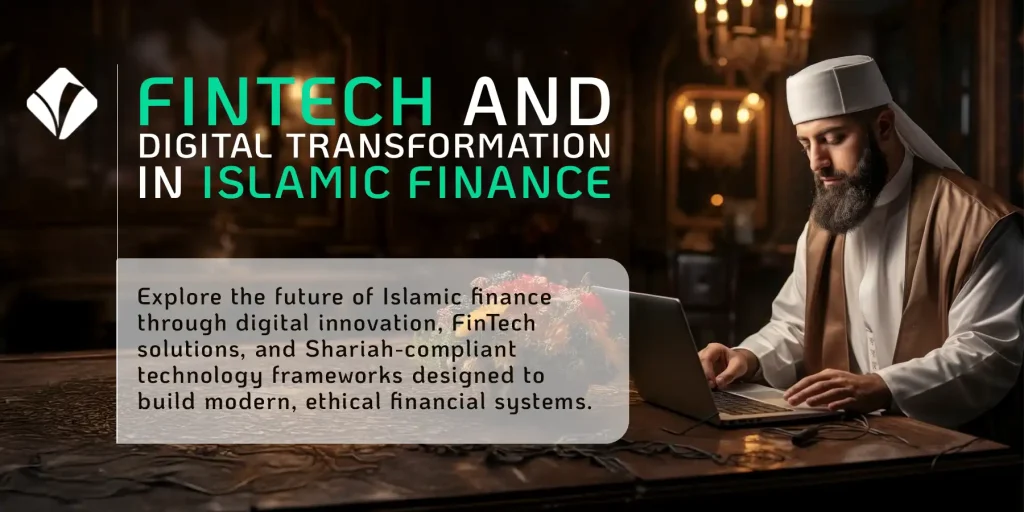
The Islamic finance industry stands at a pivotal juncture where digital innovation, FinTech integration, and Shariah compliance must co-exist to shape the future of ethical and sustainable finance. As global markets advance toward cashless ecosystems, decentralized finance, and AI-powered banking, Islamic financial institutions are under growing pressure to modernize while preserving their core principles. This comprehensive programme explores how blockchain, AI, digital banking, and Islamic social finance technologies are reshaping financial inclusion, ethical product design, and Shariah governance across OIC member states and emerging Islamic finance hubs worldwide. Participants will gain strategic insights into digital transformation trends, regulatory frameworks, and innovative business models driving the next generation of Islamic financial services.
The short video below provides a visual introduction to how digital innovation, FinTech, and Shariah-compliant technologies are reshaping the future of Islamic finance.
- الجمع
- التنقية
- التخزين
- التحليل
- القرار
الفئة المستهدفة
This FinTech in Islamic Finance Training is designed for:
- Central bank and financial regulator officials
- Islamic bank executives and innovation officers
- FinTech entrepreneurs and startup founders
- Shariah board members and compliance officers
- IT, risk management, and financial inclusion professionals
- Development finance and donor-funded project managers
حدّد ما يحتاج فريقك إلى القدرة على إنجازه.
أهداف البرنامج
بنهاية البرنامج، سيتمكن المشاركون من:
- Understand the fundamentals and digital transformation drivers in Islamic finance.
- Explore FinTech applications blockchain, AI, and mobile banking within Shariah boundaries.
- Analyze case studies of Islamic FinTech startups and regulatory sandboxes.
- Assess risks, governance, and Shariah compliance challenges in digital finance.
- Design frameworks for innovation, inclusion, and sustainable digital growth in Islamic finance ecosystems.
محتوى البرنامج
- Digital transformation in global financial services
- Islamic finance ecosystem overview: market size, key players, and trends
- Shariah principles governing technology and innovation
- Drivers of change: consumer behavior, regulation, and inclusion
- Blockchain use cases: smart Sukuk, halal supply chain, and waqf tokenization
- Artificial Intelligence in risk scoring, customer experience, and fatwa analytics
- Cloud computing, open banking, and data privacy concerns
- FinTech architecture for Islamic banking: operational and compliance integration
- Islamic neobanks: business models and market strategies
- Crowdfunding and peer-to-peer lending under Shariah
- Payment gateways, e-wallets, and digital Zakat platforms
- Regulatory sandboxes and innovation hubs across OIC countries
- Ensuring Shariah compliance in algorithmic processes
- Cybersecurity and digital fraud prevention
- Data governance, KYC/AML, and privacy frameworks
- Role of regulators: AAOIFI, IFSB, and central banks in FinTech oversight
- Islamic social finance (Zakat, Waqf, Sadaqah) and digital inclusion including approaches discussed in our Financial Inclusion and FinTech for Underserved Communities programme
- ESG alignment and Green FinTech in Islamic finance
- Future trends: tokenization, embedded finance, and digital currencies
- Developing a digital transformation roadmap for your institution
المحتوى الكامل يوماً بيوم
Day 1 – Foundations of Islamic FinTech
- Digital transformation in global financial services
- Islamic finance ecosystem overview: market size, key players, and trends
- Shariah principles governing technology and innovation
- Drivers of change: consumer behavior, regulation, and inclusion
Day 2 – Core Technologies Shaping the Sector
- Blockchain use cases: smart Sukuk, halal supply chain, and waqf tokenization
- Artificial Intelligence in risk scoring, customer experience, and fatwa analytics
- Cloud computing, open banking, and data privacy concerns
- FinTech architecture for Islamic banking: operational and compliance integration
Day 3 – Digital Banking and Islamic FinTech Ecosystem
- Islamic neobanks: business models and market strategies
- Crowdfunding and peer-to-peer lending under Shariah
- Payment gateways, e-wallets, and digital Zakat platforms
- Regulatory sandboxes and innovation hubs across OIC countries
Day 4 – Risk, Governance, and Compliance in Digital Finance
- Ensuring Shariah compliance in algorithmic processes
- Cybersecurity and digital fraud prevention
- Data governance, KYC/AML, and privacy frameworks
- Role of regulators: AAOIFI, IFSB, and central banks in FinTech oversight
Day 5 – Future Pathways and Strategic Roadmap
- Islamic social finance (Zakat, Waqf, Sadaqah) and digital inclusion including approaches discussed in our
Financial Inclusion and FinTech for Underserved Communities programme - ESG alignment and Green FinTech in Islamic finance
- Future trends: tokenization, embedded finance, and digital currencies
- Developing a digital transformation roadmap for your institution
منهجية البرنامج
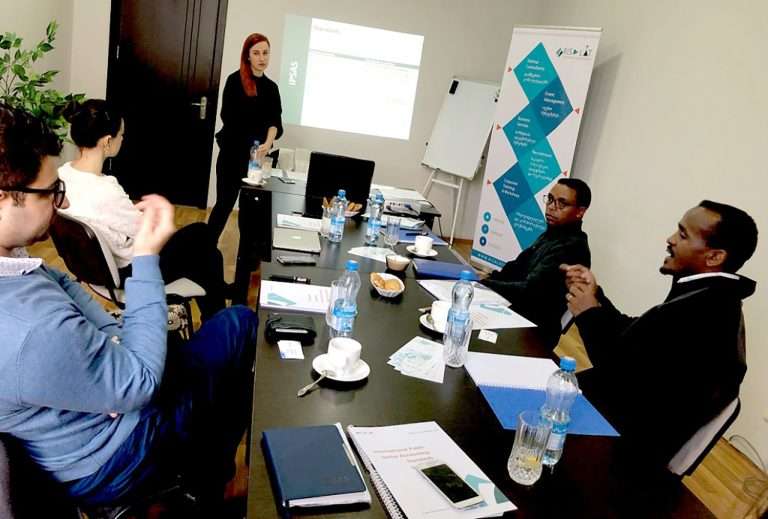
This programme uses a blended, practice-focused methodology combining expert-led presentations, interactive discussions, and real-world case studies from leading Islamic FinTech ecosystems. Participants will engage in hands-on exercises, simulation activities, and guided group projects designed to apply Shariah-compliant digital finance principles to practical scenarios. Live demonstrations, industry guest sessions, and policy analysis components ensure exposure to cutting-edge tools and best practices, while collaborative learning and peer-exchange enhance strategic thinking and innovation capabilities.
نبذة عن البلد المضيف
Qatar is a regional leader in Islamic finance and digital transformation, offering a strong ecosystem for Shariah-compliant innovation. With a stable economy, advanced infrastructure, and a national commitment to building a knowledge-based future, Doha has emerged as a strategic hub for ethical finance, FinTech development, and smart financial services. The country hosts major Islamic banks such as Qatar Islamic Bank and Masraf Al Rayan, supported by forward-thinking regulators and active development of sukuk, AI-driven finance tools, and blockchain-enabled Islamic financial solutions.
Through initiatives like the Qatar FinTech Hub, open-banking frameworks, digital payment modernization, and its alignment with Qatar National Vision 2030, Doha fosters innovation, entrepreneurship, and sustainable financial growth. As a training destination, it provides access to leading financial institutions, innovation centers, and global experts, complemented by world-class venues, excellent air connectivity, and a rich cultural environment, making it an exceptional location to explore the future of Shariah-compliant digital finance.
مخرجات الدورة
سيحظى المشاركون بتجربة متكاملة الخدمات تغطي كل ما يلزم قبل البرنامج وأثناءه وبعده:
قبل البرنامج
- تقييم مسبق للمشاركين لضمان تحضير فعّال
- دعم واستشارات مجانية بشأن التأشيرة (يتولى فريقنا معالجة طلبات التأشيرة الإلكترونية بالكامل)
- الاستقبال من المطار والمساعدة عند الوصول
- إقامة مع الإفطار طوال مدة البرنامج
- عشاء ترحيبي للتعارف والتواصل مع المشاركين الآخرين وفريق Risalat
أثناء البرنامج
- حقيبة Risalat التدريبية، وتشمل: حقيبة، وقارورة ماء، وكوب قهوة، وقميصاً، وقبعة، وغلاف جواز سفر، وأقلاماً، ودفتراً، ومغناطيساً، وميدالية مفاتيح
- وجبة غداء يومية خلال أيام التدريب
- دليل شامل للدورة ومواد تدريبية
- نماذج وأدوات وأوراق عمل قائمة على المشاريع
- جهاز Mini Pad / جهاز لوحي للوصول الميسّر إلى الموارد الرقمية
- دراسات حالة رقمية وحزم قراءة ومواد مرجعية
- الوصول إلى مجموعات بيانات نموذجية وتمارين عملية
- زيارة ميدانية (حسب الاقتضاء)
- مرطبات مجانية والاستفادة الكاملة من مرافق مكان التدريب
- الوصول إلى موارد التعلم عبر الإنترنت
- جولة ترفيهية في المدينة
بعد البرنامج
- شهادة الإتمام
- جائزة Risalat تقديراً للمشاركة في البرنامج
- الدعم بعد التدريب وإرشادات المتابعة
- تقرير البرنامج
جميع البرامج في الدوحةالمزيد من برامج المحاسبة والمالية
لماذا الدوحة لهذا البرنامج
توفر الدوحة رحلات قصيرة من الخليج وأفريقيا وجنوب آسيا، وأجواء هادئة للدراسة المركّزة.
The FinTech and Digital Transformation in Islamic Finance programme in February 2027 brings together officials and professionals from across the Middle East region and beyond. Sessions combine short inputs, case studies and group work on participants' own files, and the city's institutions can be added as a study visit on request.
الوصول: مطار حمد الدولي (DOH).
تحقق مما إذا كنت بحاجة إلى تأشيرة عبر أداة التحقق من التأشيرة المجانية، واطلب خطاب دعوة بعد إتمام تسجيلك.
£3,850 لكل مشارك · فاتورة وتحويل مصرفي · تحصل المجموعات المكونة من 5 مشاركين أو أكثر على خصم
خمسة مشاركين أو أكثر من مؤسسة واحدة: اطلبوا سعر المجموعة عند طلب الفاتورة.
Ten or more: an in-house version for your institution may cost less per person. Ask for an in-house quote.
Registration closes in 48 days (20 Dec 2026)
الموضوع نفسه في مدن أخرى
- برنامج تدريبي في التكنولوجيا المالية والخدمات المصرفية الرقمية والذكاء الاصطناعي في الخدمات المالية (أمستردام)
- دورة متقدمة في الخدمات المصرفية للمنشآت الصغيرة والمتوسطة والأفراد في كوالالمبور (كوالالمبور)
- برنامج تدريبي في الصيرفة الإسلامية والتمويل والخدمات المالية المتوافقة مع أحكام الشريعة (إسطنبول)
- تحليلات البيانات الضخمة والذكاء الاصطناعي وتعلم الآلة للمؤسسات المالية (طوكيو)
برامج أخرى في الدوحة
- برنامج تدريبي في الحوار والسلام والوساطة – شهادة متقدمة
- برنامج تدريبي في الحد من العنف القائم على النوع الاجتماعي والوقاية منه
ذات صلة: التكنولوجيا المالية والتمويل الرقمي والتنظيم · أداة مجانية: نضج حوكمة البيانات · جميع البرامج
المزيد من الدورات التدريبية في قطر · جميع البرامج في الشرق الأوسط · تقويم التدريب الكامل