关键信息
- 日期
- 2027年2月8–12日(5天)
- 地点
- TBD, Doha, Qatar
- 每位学员费用
- £3,850(英镑)
- 付款
- 通过发票和银行转账付款
- 报名截止
- 2026年12月20日
- 证书
- 结业证书
- 内训选项
- 按您的日期,为您的团队专场举办
培训项目概述
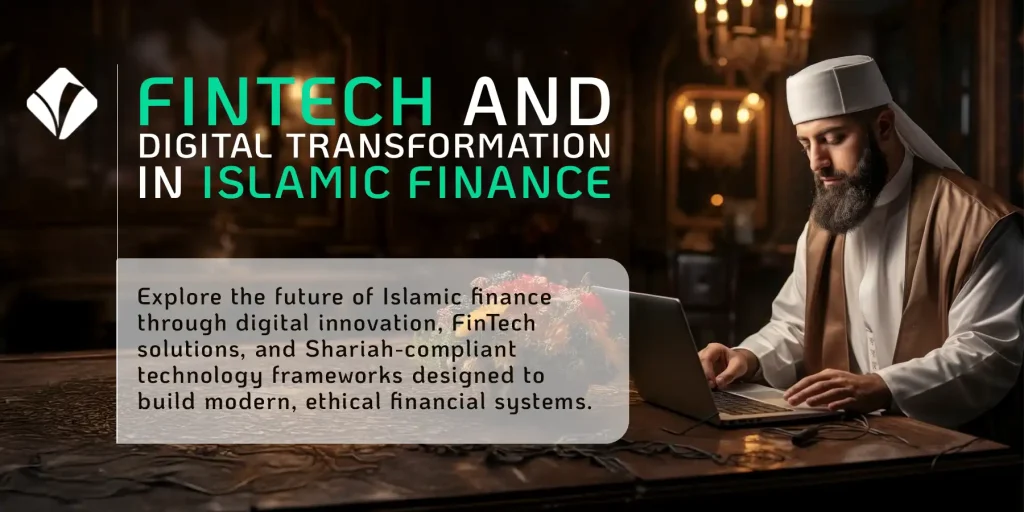
The Islamic finance industry stands at a pivotal juncture where digital innovation, FinTech integration, and Shariah compliance must co-exist to shape the future of ethical and sustainable finance. As global markets advance toward cashless ecosystems, decentralized finance, and AI-powered banking, Islamic financial institutions are under growing pressure to modernize while preserving their core principles. This comprehensive programme explores how blockchain, AI, digital banking, and Islamic social finance technologies are reshaping financial inclusion, ethical product design, and Shariah governance across OIC member states and emerging Islamic finance hubs worldwide. Participants will gain strategic insights into digital transformation trends, regulatory frameworks, and innovative business models driving the next generation of Islamic financial services.
The short video below provides a visual introduction to how digital innovation, FinTech, and Shariah-compliant technologies are reshaping the future of Islamic finance.
- 收集
- 清洗
- 存储
- 分析
- 决策
目标学员
This FinTech in Islamic Finance Training is designed for:
- Central bank and financial regulator officials
- Islamic bank executives and innovation officers
- FinTech entrepreneurs and startup founders
- Shariah board members and compliance officers
- IT, risk management, and financial inclusion professionals
- Development finance and donor-funded project managers
勾选您的团队需要具备的能力。
培训项目目标
完成本培训项目后,学员将能够:
- Understand the fundamentals and digital transformation drivers in Islamic finance.
- Explore FinTech applications blockchain, AI, and mobile banking within Shariah boundaries.
- Analyze case studies of Islamic FinTech startups and regulatory sandboxes.
- Assess risks, governance, and Shariah compliance challenges in digital finance.
- Design frameworks for innovation, inclusion, and sustainable digital growth in Islamic finance ecosystems.
培训项目内容
- Digital transformation in global financial services
- Islamic finance ecosystem overview: market size, key players, and trends
- Shariah principles governing technology and innovation
- Drivers of change: consumer behavior, regulation, and inclusion
- Blockchain use cases: smart Sukuk, halal supply chain, and waqf tokenization
- Artificial Intelligence in risk scoring, customer experience, and fatwa analytics
- Cloud computing, open banking, and data privacy concerns
- FinTech architecture for Islamic banking: operational and compliance integration
- Islamic neobanks: business models and market strategies
- Crowdfunding and peer-to-peer lending under Shariah
- Payment gateways, e-wallets, and digital Zakat platforms
- Regulatory sandboxes and innovation hubs across OIC countries
- Ensuring Shariah compliance in algorithmic processes
- Cybersecurity and digital fraud prevention
- Data governance, KYC/AML, and privacy frameworks
- Role of regulators: AAOIFI, IFSB, and central banks in FinTech oversight
- Islamic social finance (Zakat, Waqf, Sadaqah) and digital inclusion including approaches discussed in our Financial Inclusion and FinTech for Underserved Communities programme
- ESG alignment and Green FinTech in Islamic finance
- Future trends: tokenization, embedded finance, and digital currencies
- Developing a digital transformation roadmap for your institution
完整的每日课程内容
Day 1 – Foundations of Islamic FinTech
- Digital transformation in global financial services
- Islamic finance ecosystem overview: market size, key players, and trends
- Shariah principles governing technology and innovation
- Drivers of change: consumer behavior, regulation, and inclusion
Day 2 – Core Technologies Shaping the Sector
- Blockchain use cases: smart Sukuk, halal supply chain, and waqf tokenization
- Artificial Intelligence in risk scoring, customer experience, and fatwa analytics
- Cloud computing, open banking, and data privacy concerns
- FinTech architecture for Islamic banking: operational and compliance integration
Day 3 – Digital Banking and Islamic FinTech Ecosystem
- Islamic neobanks: business models and market strategies
- Crowdfunding and peer-to-peer lending under Shariah
- Payment gateways, e-wallets, and digital Zakat platforms
- Regulatory sandboxes and innovation hubs across OIC countries
Day 4 – Risk, Governance, and Compliance in Digital Finance
- Ensuring Shariah compliance in algorithmic processes
- Cybersecurity and digital fraud prevention
- Data governance, KYC/AML, and privacy frameworks
- Role of regulators: AAOIFI, IFSB, and central banks in FinTech oversight
Day 5 – Future Pathways and Strategic Roadmap
- Islamic social finance (Zakat, Waqf, Sadaqah) and digital inclusion including approaches discussed in our
Financial Inclusion and FinTech for Underserved Communities programme - ESG alignment and Green FinTech in Islamic finance
- Future trends: tokenization, embedded finance, and digital currencies
- Developing a digital transformation roadmap for your institution
培训项目方法
This programme uses a blended, practice-focused methodology combining expert-led presentations, interactive discussions, and real-world case studies from leading Islamic FinTech ecosystems. Participants will engage in hands-on exercises, simulation activities, and guided group projects designed to apply Shariah-compliant digital finance principles to practical scenarios. Live demonstrations, industry guest sessions, and policy analysis components ensure exposure to cutting-edge tools and best practices, while collaborative learning and peer-exchange enhance strategic thinking and innovation capabilities.
东道国概况
Qatar is a regional leader in Islamic finance and digital transformation, offering a strong ecosystem for Shariah-compliant innovation. With a stable economy, advanced infrastructure, and a national commitment to building a knowledge-based future, Doha has emerged as a strategic hub for ethical finance, FinTech development, and smart financial services. The country hosts major Islamic banks such as Qatar Islamic Bank and Masraf Al Rayan, supported by forward-thinking regulators and active development of sukuk, AI-driven finance tools, and blockchain-enabled Islamic financial solutions.
Through initiatives like the Qatar FinTech Hub, open-banking frameworks, digital payment modernization, and its alignment with Qatar National Vision 2030, Doha fosters innovation, entrepreneurship, and sustainable financial growth. As a training destination, it provides access to leading financial institutions, innovation centers, and global experts, complemented by world-class venues, excellent air connectivity, and a rich cultural environment, making it an exceptional location to explore the future of Shariah-compliant digital finance.
课程成果
学员将享受全方位服务,涵盖培训前、培训中及培训后所需的一切:
培训开始前
- 学员课前评估,确保做好充分准备
- 免费签证支持与咨询(电子签证申请由我们的团队全程办理)
- 机场接机与欢迎协助
- 全程住宿(含早餐)
- 欢迎晚宴,便于与其他学员及Risalat团队交流联谊
培训期间
- Risalat培训礼包,包括:背包、水瓶、咖啡杯、T恤、帽子、护照套、笔、笔记本、冰箱贴、钥匙扣
- 培训期间每日提供午餐
- 全面的课程手册与培训资料
- 基于项目的模板、工具与工作表
- 迷你平板电脑,便于访问数字资源
- 数字化案例研究、阅读资料包与参考资料
- 提供样本数据集与实践练习
- 实地考察(如适用)
- 免费茶歇及全套培训场地设施
- 可使用在线学习资源
- 城市休闲观光
培训结束后
- 结业证书
- Risalat培训项目参与表彰奖
- 培训后支持与跟进指导
- 培训项目报告
为何选择在多哈举办本培训项目
从海湾地区、非洲和南亚前往多哈的行程短,且环境安静,便于专注学习。
The FinTech and Digital Transformation in Islamic Finance programme in February 2027 brings together officials and professionals from across the Middle East region and beyond. Sessions combine short inputs, case studies and group work on participants' own files, and the city's institutions can be added as a study visit on request.
交通: 哈马德国际机场(DOH)。
使用免费的签证查询工具确认您是否需要签证,完成报名后即可申请邀请函。
每位学员£3,850 · 发票与银行转账 · 5人及以上团体可享折扣
同一机构五人及以上:请在申请发票时索取团体价。
Ten or more: an in-house version for your institution may cost less per person. Ask for an in-house quote.
Registration closes in 48 days (20 Dec 2026)
其他城市的同主题培训
- 金融科技、数字银行与金融服务中的人工智能培训(阿姆斯特丹)
- 吉隆坡中小企业与零售银行业务大师班(吉隆坡)
- 伊斯兰银行、金融与符合伊斯兰教法的金融服务培训(伊斯坦布尔)
- 金融机构大数据分析、人工智能与机器学习(东京)
多哈的其他培训项目
相关:金融科技、数字金融与监管 · 免费 数据治理成熟度 · 所有培训项目