Programme Overview
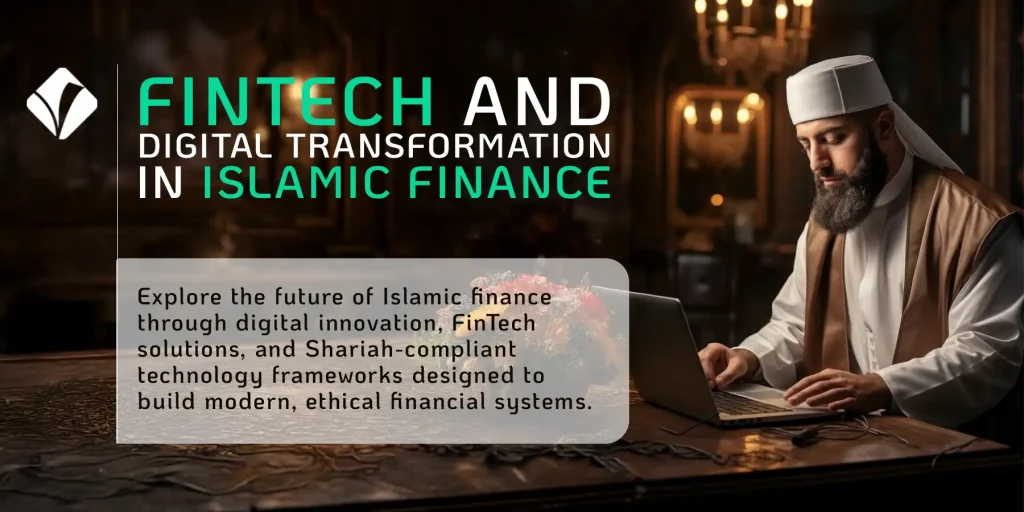
The Islamic finance industry stands at a pivotal juncture where digital innovation, FinTech integration, and Shariah compliance must co-exist to shape the future of ethical and sustainable finance. As global markets advance toward cashless ecosystems, decentralized finance, and AI-powered banking, Islamic financial institutions are under growing pressure to modernize while preserving their core principles. This comprehensive programme explores how blockchain, AI, digital banking, and Islamic social finance technologies are reshaping financial inclusion, ethical product design, and Shariah governance across OIC member states and emerging Islamic finance hubs worldwide. Participants will gain strategic insights into digital transformation trends, regulatory frameworks, and innovative business models driving the next generation of Islamic financial services.
The short video below provides a visual introduction to how digital innovation, FinTech, and Shariah-compliant technologies are reshaping the future of Islamic finance.
Target Audience
This FinTech in Islamic Finance Training is designed for:
- Central bank and financial regulator officials
- Islamic bank executives and innovation officers
- FinTech entrepreneurs and startup founders
- Shariah board members and compliance officers
- IT, risk management, and financial inclusion professionals
- Development finance and donor-funded project managers
Tick what your team needs to be able to do.
Programme Objectives
By the end of the programme, participants will be able to:
- Understand the fundamentals and digital transformation drivers in Islamic finance.
- Explore FinTech applications blockchain, AI, and mobile banking within Shariah boundaries.
- Analyze case studies of Islamic FinTech startups and regulatory sandboxes.
- Assess risks, governance, and Shariah compliance challenges in digital finance.
- Design frameworks for innovation, inclusion, and sustainable digital growth in Islamic finance ecosystems.
Programme Contents
Day 1 – Foundations of Islamic FinTech
- Digital transformation in global financial services
- Islamic finance ecosystem overview: market size, key players, and trends
- Shariah principles governing technology and innovation
- Drivers of change: consumer behavior, regulation, and inclusion
Day 2 – Core Technologies Shaping the Sector
- Blockchain use cases: smart Sukuk, halal supply chain, and waqf tokenization
- Artificial Intelligence in risk scoring, customer experience, and fatwa analytics
- Cloud computing, open banking, and data privacy concerns
- FinTech architecture for Islamic banking: operational and compliance integration
Day 3 – Digital Banking and Islamic FinTech Ecosystem
- Islamic neobanks: business models and market strategies
- Crowdfunding and peer-to-peer lending under Shariah
- Payment gateways, e-wallets, and digital Zakat platforms
- Regulatory sandboxes and innovation hubs across OIC countries
Day 4 – Risk, Governance, and Compliance in Digital Finance
- Ensuring Shariah compliance in algorithmic processes
- Cybersecurity and digital fraud prevention
- Data governance, KYC/AML, and privacy frameworks
- Role of regulators: AAOIFI, IFSB, and central banks in FinTech oversight
Day 5 – Future Pathways and Strategic Roadmap
- Islamic social finance (Zakat, Waqf, Sadaqah) and digital inclusion including approaches discussed in our
Financial Inclusion and FinTech for Underserved Communities programme - ESG alignment and Green FinTech in Islamic finance
- Future trends: tokenization, embedded finance, and digital currencies
- Developing a digital transformation roadmap for your institution
Programme Methodology
This programme uses a blended, practice-focused methodology combining expert-led presentations, interactive discussions, and real-world case studies from leading Islamic FinTech ecosystems. Participants will engage in hands-on exercises, simulation activities, and guided group projects designed to apply Shariah-compliant digital finance principles to practical scenarios. Live demonstrations, industry guest sessions, and policy analysis components ensure exposure to cutting-edge tools and best practices, while collaborative learning and peer-exchange enhance strategic thinking and innovation capabilities.
Host Country Profile
Qatar is a regional leader in Islamic finance and digital transformation, offering a strong ecosystem for Shariah-compliant innovation. With a stable economy, advanced infrastructure, and a national commitment to building a knowledge-based future, Doha has emerged as a strategic hub for ethical finance, FinTech development, and smart financial services. The country hosts major Islamic banks such as Qatar Islamic Bank and Masraf Al Rayan, supported by forward-thinking regulators and active development of sukuk, AI-driven finance tools, and blockchain-enabled Islamic financial solutions.
Through initiatives like the Qatar FinTech Hub, open-banking frameworks, digital payment modernization, and its alignment with Qatar National Vision 2030, Doha fosters innovation, entrepreneurship, and sustainable financial growth. As a training destination, it provides access to leading financial institutions, innovation centers, and global experts, complemented by world-class venues, excellent air connectivity, and a rich cultural environment, making it an exceptional location to explore the future of Shariah-compliant digital finance.
Course Deliverables
Participants will enjoy a full-service experience that covers everything needed before, during, and after the programme:
Before the Programme
- Participant Pre-Assessment to ensure effective preparation
- Complimentary Visa Support & Advisory (E-visa applications are fully processed by our team)
- Airport Pickup & Welcome Assistance
- Accommodation with Breakfast for the full duration
- Welcome Dinner for networking and connecting with fellow Participants & the Risalat Team
During the Programme
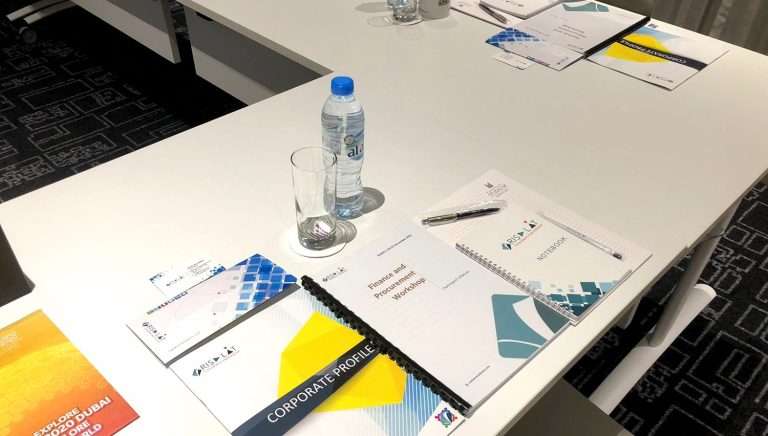
- Risalat Training Kit, including: bag, water bottle, coffee mug, t-shirt, cap, passport cover, pens, notebook, magnet, keychain
- Lunch Provided Daily during training days
- Comprehensive Course Manual & Training Materials
- Project-Based Templates, Tools, and Worksheets
- Mini Pad / Tablet for convenient access to digital resources
- Digital Case Studies, Reading Packs & Reference Materials
- Access to Sample Datasets & Practical Exercises
- Field Visit (where applicable)
- Complimentary Refreshments & Full Training Venue Facilities
- Access to Online Learning Resources
- Entertaining City Tour
After the Programme
- Certificate of Completion
- Risalat Programme Participation Recognition Award
- Post-Training Support & Follow-Up Guidance
- Programme Report
£3,850 per participant · invoice and bank transfer · groups of 5 or more receive a discount
Five or more from one organisation: ask for the group rate on the invoice request.
Ten or more: an in-house version for your institution may cost less per person. Ask for an in-house quote.
Registration closes in 63 days (20 Dec 2026)