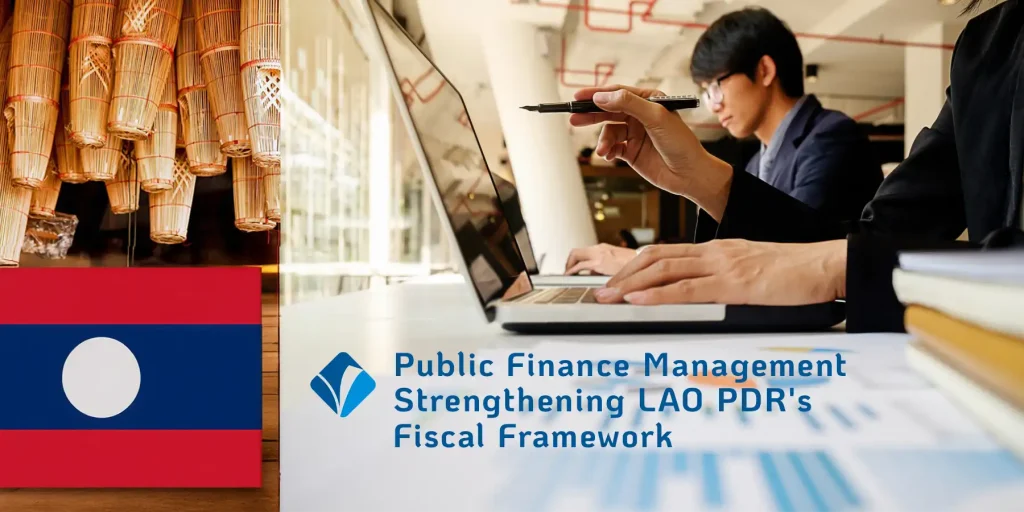
أبرز الخلاصات
- عدم الاستقرار الاقتصادي الكلي وحجة تحسين الإدارة المالية. لقد تدهور المشهد الاقتصادي الكلي في لاوس بشكل كبير منذ عام 2022، مما خلق ضرورة ملحة لتعزيز إدارة المالية العامة.
- How Weak Public Finance Management Systems Exacerbate Fiscal…. Beyond macroeconomic indicators, the structural weaknesses in Laos’ public finance management systems actively worsen the country’s fiscal position.
- دور مصداقية الموازنة في استعادة الثقة العامة. تبرز مصداقية الموازنة كركيزة أساسية لإعادة بناء ثقة المواطنين في حكومة لاوس وسط التحديات المالية المتزايدة.
- Revenue Reforms to Reduce Donor Dependency. Strengthening domestic revenue collection forms the cornerstone of Laos’ strategy to reduce reliance on external funding.
- رقمنة إدارة المالية العامة: من نظام المعلومات المالية الحكومية إلى نظام إدارة المالية العامة…. تقف لاوس عند نقطة تحول رقمية حاسمة حيث تنتقل من الأنظمة المالية القديمة إلى نهج متكامل يعد بمزيد من الشفافية والكفاءة في إدارة المالية العامة.
باختصار: تتعرض إدارة المالية العامة في جمهورية لاو الديمقراطية الشعبية لضغوط مع ارتفاع التضخم وانخفاض نمو الناتج المحلي الإجمالي الحقيقي بعد عقدين من التوسع.
Lao PDR’s public finance management faces unprecedented challenges as inflation surged to 23 percent year-on-year in 2022. Despite economic growth averaging about 7 percent over the two decades to 2019, real GDP growth declined sharply from 5.5 percent in 2019 to 0.5 percent in 2020. This economic downturn has significantly impacted the country’s fiscal health, with total public and publicly guaranteed debt increasing from 67 percent in 2019 to 72 percent of GDP in 2020, amounting to USD13.3 billion.
The fiscal framework of Laos shows concerning gaps between planning and execution. For instance, while the total revenue plan was set at 23,941 billion kip, actual revenue reached only 7,818 billion kip, representing just 32.66% of the plan. Additionally, the government lacks sufficient funding arrangements for major disaster events, with the estimated average annual fiscal cost of floods reaching 2.7% of government expenditures.
These statistics highlight the urgent need for institutional strengthening within Laos’ Ministry of Finance, State Audit Organization, and related agencies. Effective public finance management reform requires more than donor funding – it depends on building technical and managerial capacity in budgeting, debt management, and public expenditure tracking.
عدم الاستقرار الاقتصادي الكلي ومبررات تعزيز الحوكمة المالية
Laos’ macroeconomic landscape has deteriorated substantially since 2022, creating an urgent imperative for strengthened public finance management. The interplay between currency instability, spiraling inflation, and mounting debt presents formidable challenges to the country’s economic governance.
Currency depreciation and inflationary pressures
The Lao kip has experienced severe depreciation, losing approximately half its value since 2022. This persistent currency weakness has fueled soaring inflation, which peaked at a staggering 31.2% in 2023, far exceeding the average of 3.0% in the preceding five years. According to economic analysis, every 1% fall in the kip’s value triggers a 0.5% increase in consumer prices, creating a vicious cycle of currency weakness and price instability.
Food price inflation has been particularly severe, reaching 29% – disproportionately affecting vulnerable urban households. This economic pressure has fundamentally altered household behaviors, with 54% of surveyed households reporting stagnant or declining incomes.
Consequently, many families have resorted to reducing expenditure on essentials, including health and education, with half of survey respondents cutting these critical investments. This trend threatens long-term human capital development and undermines the foundation for sustainable economic growth.
Debt-to-GDP trajectory and fiscal solvency risks
The public debt وصل الوضع إلى مستويات حرجة، حيث ارتفعت نسبة الدين إلى الناتج المحلي الإجمالي لتصل إلى 103%، مدفوعة بشكل أساسي بالانخفاض الحاد في قيمة الكيب والاعتراف بمتأخرات الاستثمار العام. وعند تضمين متأخرات الإنفاق وترتيبات المقايضة، ترتفع هذه النسبة أكثر لتصل إلى 125% من الناتج المحلي الإجمالي. يخلق عبء الدين هذا تحديات تمويلية كبيرة في بيئة ذات خيارات محدودة وانخفاض في احتياطيات النقد الأجنبي.
مما يثير القلق بشكل خاص تركيز التعرض للديون المنسوب إلى قطاع الطاقة، مما يسلط الضوء على الدور الهائل للشركات المملوكة للدولة في نقاط الضعف المالية للبلاد. يُستحق حوالي نصف رصيد الدين ونفقة الديون الخارجية للصين، مما يخلق أبعاداً جيوسياسية لتحدي الديون.
Although debt deferrals provide temporary relief, these measures merely postpone rather than resolve the underlying fiscal imbalances. Without comprehensive debt restructuring, annual external debt repayments are projected to place immense pressure on foreign exchange reserves and overall fiscal stability.
الحاجة إلى الانضباط المالي والتحكم في الإنفاق في إدارة المالية العامة
In response to these challenges, Lao authorities have implemented contractionary fiscal policy measures, focusing on arranging expenditure priorities and eliminating unnecessary spending.
A critical reform priority involves restoring the VAT rate to its original 10% from the reduced 7% level, which would strengthen domestic revenue mobilization. Moreover, the introduction of a Treasury Single Account has improved liquidity management, demonstrating how technical public finance management reforms can yield tangible macroeconomic benefits.
The government has also implemented capital expenditure ceilings for ministries and local governments, though these must be accompanied by rigorous monitoring and enforcement of spending commitments to prevent the accumulation of new arrears. Additionally, reforms of state-owned enterprises – particularly in the electricity sector – are essential to reduce contingent liabilities that threaten fiscal sustainability.
The path to macroeconomic stability necessitates not just temporary fiscal adjustments but fundamental strengthening of public finance management systems. Enhanced budget credibility, transparent fiscal reporting, and systematic expenditure controls are indispensable for restoring investor confidence and achieving sustainable economic growth in Laos.
كيف تفاقم أنظمة الإدارة المالية العامة الضعيفة نقاط VULNERABILITIES المالية
Beyond macroeconomic indicators, the structural weaknesses in Laos’ public finance management systems actively worsen the country’s fiscal position. These systemic vulnerabilities undermine efforts to stabilize public finances, thereby creating a vicious cycle of fiscal instability.
عمليات التدقيق المتأخرة وفتقر الرقابة المالية
The effectiveness of external audit in Laos remains severely constrained, evidenced by the 2018 PEFA assessment score of D+ for PI-30 (External audit) . This poor rating stems from inadequate audit coverage, delayed submission of reports to the legislature, and limited follow-up mechanisms. First thing to remember is that the State Audit Organization (SAO) faces critical capacity shortages – all auditors are certified only at level 1 (junior auditors), with no staff trained at more advanced levels (2-5).
In practice, audit reports to the National Assembly are consistently delayed and remain unpublished, creating a significant transparency gap in public finance management. Equally important, the SAO lacks effective mechanisms to verify the implementation of audit recommendations, rendering many oversight efforts futile. This absence of comprehensive follow-up on external audit findings by the National Assembly substantially weakens fiscal accountability.
Notably, these oversight limitations extend to subnational levels where internal control and audit functions remain underdeveloped. The manual consolidation of district-level expenditures into the Government Financial Information System (GFIS) further compromises the reliability of budget execution reports, undermining the government’s ability to make evidence-based fiscal decisions.
Unmonitored SOE borrowing and off-budget liabilities
تمثل الشركات المملوكة للدولة مصدراً رئيسياً للمخاطر المالية الخفية في لاوس. في الواقع، تفتقر البلاد إلى قائمة شاملة متاحة للعامة للشركات المملوكة للدولة، حيث أخفق حوالي 28% منها في تقديم التقارير المالية في عام 2017. ومن بين أولئك الذين قدموا تقارير، كان ربعهم يعمل بخسارة، مما خلق آثاراً مالية كبيرة على الميزانية العمومية للحكومة.
The energy sector exemplifies these vulnerabilities:
- EDL’s total debt reached LAK 118,287.20 billion, including LAK 39,429.07 billion in government-guaranteed debt
- Non-guaranteed debt held by EdL-Gen (EDL’s subsidiary) amounted to LAK 21,905.04 billion
- The energy sector accounts for over LAK 131,430.23 billion of government debt exposure
These figures illustrate how SOE borrowing creates substantial contingent liabilities, both explicit and implicit. The Ministry of Finance, despite having overall responsibility for SOE management, lacks accurate and complete information on their financial positions. Without a framework for systematically identifying, assessing, and monitoring SOE performance, these enterprises continue to accumulate debt that eventually becomes the government’s responsibility – with annual repayments due to SOE defaults reaching LAK 6,571,511.33 million.
Fragmented cash management and payment arrears
Cash management deficiencies severely constrain fiscal operations in Laos. The transition toward a Treasury Single Account (TSA) remains incomplete, with a 2011/12 attempt to consolidate government bank balances at the Bank of Lao PDR unsuccessful. Currently, account balances are not consolidated at day’s end, while earmarked funds and donor accounts remain outside the TSA.
This fragmentation forces the National Treasury to operate on a weekly cash cycle, resulting in cash rationing (including salary payment delays) and expensive short-term borrowing. The absence of effective commitment controls enables government entities to make financial commitments without confirming budget availability, inevitably leading to payment arrears.
The manually maintained financial management system suffers from reconciliation problems, timeliness issues, and an inability to function as an effective management tool. This cumbersome system is further weakened by limited adherence at decentralized levels to rules regarding revenue collection, submission, and budget execution.
These systemic weaknesses in audit, SOE oversight, and cash management create a fragile public finance architecture incapable of supporting macroeconomic stability, highlighting the urgent need for comprehensive public finance management reforms to restore fiscal sustainability.
The Role of Budget Credibility in Restoring Public Trust
Budget credibility emerges as a cornerstone for rebuilding citizen confidence in Laos’ government amid growing fiscal challenges. Throughout the country’s financial system, the disconnection between what is promised in budgets and what actually materializes has eroded public trust and hampered economic development.
Discrepancies between approved and executed budgets
The chasm between budget plans and actual execution represents a fundamental weakness in Laos’ public finance management system. This gap undermines the budget’s reliability as an effective policy instrument. In practice, the approved budget frequently bears little resemblance to actual expenditure patterns, with significant variances occurring without transparent explanation or formal revision processes.
في المقام الأول، تنجم هذه التناقضات عن ضعف الروابط بين خطط التنمية الإستراتيجية متعددة السنوات، والخطط القطاعية المدعومة من شركاء التنمية، وتخصيص الموارد السنوية من خلال الموازنة. ويؤدي هذا الانقطاع إلى وثائق موازنة لا تعكس الأولويات الحكومية الفعلية أو القدرة على الإنفاق.
إن غياب إطار إنفاق متوسط المدى مدمج بالكامل في عملية إعداد الميزانية يفاقم هذه المشكلات بشكل أكبر. بدون هذه الآلية ذات النظرة المستقبلية، توجد الميزانيات السنوية بمعزل عن غيرها بدلاً من أن تكون جزءاً من استراتيجية مالية متماسكة، مما يجعل التحكم في الإنفاق يكاد يكون مستحيلاً.
Data reveals concerning implementation patterns:
- While provinces welcome increased authority, they often fail to recognize they must operate within centrally approved budgets
- Districts with revenue surpluses frequently resist sharing with deficit areas, misinterpreting decentralization as fiscal autonomy
- Recurrent costs for salaries and administration remain insufficient while capital investments appear disproportionately high compared to neighboring developing countries
Opaque defense and provincial budget allocations
Budget opacity remains particularly acute in specific sectors. Indeed, the credibility of Laos’ entire budget is substantially undermined by limited information on both allocation and execution for defense, police, and “other institutions”. This lack of transparency creates significant blind spots in public financial oversight.
Similarly, execution data at the provincial level remains insufficiently transparent, concealing how resources are ultimately deployed across the country. The manual consolidation of expenditures below provincial level further hampers effective budget monitoring, creating opportunities for misallocation or misappropriation of public funds.
Provincial authorities sometimes operate with considerable discretion in budget implementation. Subsequently, much revenue collection effort focuses on small-scale businesses and households rather than major revenue earners in industry. Even more concerning, many state-owned enterprises appear to escape taxation entirely, a fact international finance specialists find particularly troublesome.
الوصول العام إلى معلومات الميزانية والتدقيق فيها
تثبت الأبحاث باستمرار أن شفافية الموازنة - الإفصاح المفتوح عن المعلومات المالية الحكومية - تشكل أساساً ضرورياً للحكم الديمقراطي والشرعية. وفي السلطات القضائية التي تنفذ تدابير شفافية بشكل جيد، تتراوح التحسينات في الثقة العامة عادة بين 10% و20% على مدار فترات متعددة السنوات.
Yet, in Laos, disclosure of budgetary and fiscal information to the public remains severely limited, undermining citizens’ ability to scrutinize resource use. Information about public budgets and expenditures is difficult to access, perpetuating the belief that such information is secret. The national budget breakdown remains unknown to the average citizen and civil servant alike.
This opacity prevents the development of fiscal literacy among citizens. Alternatively, studies indicate that nations scoring highly on open budget initiatives typically exhibit elevated levels of citizen engagement and satisfaction with government performance. Theoretically, greater transparency helps reduce information asymmetry between public officials and citizens, thereby enhancing accountability.
لقد أدت التقنيات الرقمية المتقدمة إلى تحويل الشفافية المالية إلى عملية أكثر تفاعلية في العديد من البلدان. تتيح المنصات واللوحات التفاعلية عبر الإنترنت للمواطنين الوصول إلى البيانات المالية المعقدة وتحليلها في الوقت الفعلي. ومع ذلك، لا تزال لاوس تعتمد بشكل أساسي على نظام المعلومات المالية الحكومية بتغطية ووظائف محدودة تؤثر على إعداد تقارير تنفيذ الميزانية في الوقت المناسب وبشكل شامل.
Budget transparency proves especially valuable during periods of fiscal stress – such as economic downturns or post-crisis recoveries – when citizens demand clear evidence of prudent resource management and accountability. For Laos, improving this aspect of public finance management represents a critical pathway toward rebuilding public trust and strengthening fiscal governance.
Revenue Reforms to Reduce Donor Dependency
Strengthening domestic revenue collection forms the cornerstone of Laos’ strategy to reduce reliance on external funding. As the nation confronts fiscal challenges, targeted revenue reforms aim to establish financial self-sufficiency through modernized tax systems and broadened revenue streams.
Restoring VAT rate and broadening tax base
To address macroeconomic challenges and bolster fiscal resources, the Lao government has reinstated the Value-Added Tax (VAT) rate to 10% from the temporarily reduced 7% level. This restoration, formalized through Presidential Ordinance No. 003/PDT on March 19, 2024, represents a critical step toward fiscal consolidation. The previous reduction to 7% in January 2022 failed to stimulate economic activity or encourage business registrations as intended.
وضعت لاوس هدفاً طموحاً لرفع إيرادات الضرائب إلى 20% من الناتج المحلي الإجمالي بحلول عام 2030. وقد بدأ التقدم نحو هذا الهدف، حيث زاد تحصيل الضرائب بنسبة 4.3% في النصف الأول من عام 2024 ليصل إلى 11.7% من الناتج المحلي الإجمالي. أساساً، لا تزال إنتاجية الضرائب مقلقة، إذ تعاني كل من إنتاجية ضريبة دخل الشركات (CIT) وضريبة القيمة المضافة من إعفاءات واسعة النطاق تؤدي إلى تآكل القاعدة الضريبية.
تنفيذ الحكومة لعدة تدابير لتوسيع القاعدة الضريبية:
- Creating incentives for micro-enterprises joining the VAT system through reduced CIT rates (0.1%)
- Offering temporary CIT rate reductions for small and medium enterprises that newly register (3-5% for first three years)
- تطوير نظام تسجيل موحد يدمج أرقام التعريف الضريبي مع سجل الشركات ومعلومات الضمان الاجتماعي
Reducing exemptions in mining and energy sectors
One major impediment to revenue generation lies in the extensive tax exemptions granted to strategic sectors. Currently, over 80% of the corporate tax base is estimated to be exempt, creating an average revenue gap of approximately 4.5% of GDP. These exemptions typically include waivers on import duties, profit tax holidays, and reduced tax rates.
في قطاع التعدين، علقت الحكومة الامتيازات الجديدة وشرعت في تقييم المشاريع القائمة. يهدف تأسيس شركة لاو للتعدين والتنمية (LMDSE) إلى مواءمة مشاريع التعدين المستقبلية مع الأهداف الوطنية. تركز الإصلاحات المماثلة في قطاع الطاقة على تحسين الوضع المالي لشركة كهرباء لاوس (EDL)، التي تواصل العمل بخسارة.
Of critical importance, planned reforms include ending tobacco tax exemptions under the 25-year government/tobacco industry Investment License Agreement by 2026. In parallel, the government intends to strengthen other health-related taxes on products like alcohol and sugar-sweetened beverages.
تحسين خدمات دافعي الضرائب وتغطية التدقيق
يشكل تحديث الإدارة الضريبية ركيزة أساسية أخرى لإصلاح الإيرادات. لقد أدى تنفيذ نظام معلومات الإيرادات الضريبية (TaxRIS) إلى تعزيز كفاءة التحصيل. كما يوفر التكامل مع النظام الآلي للبيانات الجمركية (ASYCUDA) إمكانات إضافية لتوليد الإيرادات.
تخطط الحكومة لإنشاء أكاديمية ضريبية بناءً للقدرات المؤسسية، وتصميم سياسات ضريبية مراعية للنوع الاجتماعي ومستجيبة للمناخ، وتعزيز القدرات الفنية لمسؤولي الضرائب. بالإضافة إلى ذلك، يجري تطوير نظام فوترة إلكترونية لتحسين الامتثال من خلال التقييم الآلي للمعاملات وتحليل البيانات.
Despite these advancements, challenges persist – Laos’ Economic Census 2019-2020 revealed only 12.9% of business units have a tax identification number, highlighting the large informal sector. Weak tax administration and insufficient compliance continue to constrain revenue collection.
Ultimately, the success of these revenue reforms depends on building robust institutional capacity within the Ministry of Finance. As Deputy Prime Minister Saleumxay Kommasith emphasized, effective tax systems remain vital for least developed countries like Laos to meet development needs and reduce dependence on external assistance.
Public Finance Management Digitalization: From GFIS to FMIS Integration
Laos stands at a crucial digital turning point as it moves from outdated financial systems to an integrated approach that promises greater transparency and efficiency in public finance management. This technological evolution represents more than a system upgrade – it forms the foundation for institutional resilience against fiscal instability.
Nationwide FMIS rollout and training needs
The current Government Financial Information System (GFIS) covers only a subset of functionalities required for comprehensive budget execution. Primarily designed for basic treasury operations, it falls short in providing the real-time financial intelligence needed for effective fiscal governance. With World Bank support through the Enhancing Public Finance Management through Information and Communication Technology and Skills (E-FITS) Project, Laos is simultaneously upgrading GFIS while launching procurement for a new financial management information system (FMIS).
The new FMIS is expected to go live nationwide in Q2 of 2024, necessitating extensive training across all government levels. This ambitious timeline requires substantial capacity building, as both central and provincial officials will need to master the system while simultaneously refining business processes. The Ministry of Economy and Finance has already begun training programs on new-generation FMIS portal usage in 44 municipal, district, and subdistrict administrations.
إدارة التغيير emerges as a critical success factor, with evidence showing that 92% of challenges in transformation projects stem from people-related issues. Throughout implementation, leadership commitment and organizational culture prove more decisive than technical considerations.
Chart of Accounts reform and IPSAS alignment
In parallel with system development, Laos is undertaking comprehensive Chart of Accounts (CoA) reform to support effective FMIS implementation. This technical but fundamental restructuring will facilitate alignment with International Public Sector Accounting Standards (IPSAS) and accrual-based accounting.
تتضمن عملية تحسين دليل الحسابات عدة أطراف معنية، بما في ذلك قسم المحاسبة، والخزانة الوطنية، وقسم ميزانية الدولة، وأقسام السياسة المالية. ورغم مواجهة تأخيرات، احتج هيكل دليل الحسابات المحسّن إلى المصادقة بحلول يوليو 2020 للتحضير لحيازة نظام إدارة المالية العامة.
Critical reforms include redesigning organization, project, and fund source segments within the CoA. Without these structural changes, the new FMIS would merely digitize existing problematic processes rather than transform financial management capabilities.
System integration with tax and customs platforms
The full potential of FMIS lies in its integration with other government systems. Once completed, FMIS will connect with key MoF platforms including tax management and customs systems, creating an interconnected digital ecosystem for public finance.
حققتا لاوس بالفعل تقدماً مع العديد من منصات التمويل الرقمي:
- Smart Customs system streamlining electronic customs data management
- نظام معلومات إيرادات الضرائب (TaxRIS) العامل في المدن الكبرى
- ASYCUDA for customs procedures
- Smart Tax and Smart VAT systems for electronic payments
Among notable innovations, importers and exporters now complete customs payments in 15-30 minutes through smart cards, down from half a day under previous systems. Scanning machines at border crossings verify declared products, reducing negotiation opportunities that previously led to revenue leakage.
As these systems become interconnected with FMIS, Laos moves closer to addressing the fundamental public finance management weaknesses undermining its fiscal stability, thereby strengthening institutional capacity to manage increasing debt pressures.
Building Audit and Oversight Capacity in SAO and NA
Effective audit systems serve as the cornerstone of accountability in public finance management, yet Laos’ oversight institutions face significant capacity constraints that hinder fiscal governance reform. External audit functions, primarily performed by the State Audit Organization (SAO) and overseen by the National Assembly (NA), require substantial strengthening to fulfill their essential role in ensuring financial transparency.
PEFA PI-30: External audit coverage and follow-up gaps
كشف تقييم الإنفاق العام والمساءلة المالية (PEFA) لعام 2018 عن نقاط ضعف مقلقة في أنظمة التدقيق الخارجي في لاوس، حيث منحها تصنيف D+ للمؤشر PI-30 (التدقيق الخارجي). ينبع هذا التقييم الضعيف من فجوات حرجة في تغطية التدقيق، وتطبيق المعايير، وآليات المتابعة. وتحديداً، على الرغم من خضوع الوكالات المركزية والوزارات المعنية لعمليات التدقيق، إلا أن هذه التقييمات تفشل في إنتاج آراء تدقيق رسمية.
في جميع أنحاء النظام، يمثل غياب الرصد الشامل للاستجابات الحكومية لتوصيات التدقيق ثغرة مساءلة رئيسية. وبدون تتبع منهجي للإجراءات العلاجية، تظل نتائج التدقيق بلا معالجة إلى حد كبير. ومع ذلك، يكمن القصور الأهم في غياب المتابعة الشفافة من قبل الجمعية الوطنية لتقارير التدقيق الخارجي، مما يقوض الرقابة التشريعية على الإنفاق العام.
احتياجات التدريب لمدققي الأجهزة العليا للرقابة المحاسبية والمالية (المستوى 2+)
The SAO faces a fundamental capacity constraint, its auditors operate primarily at junior levels without sufficient advanced training. Currently, most SAO staff qualify only at level 1 (junior auditors), with virtually no personnel trained at the more advanced levels (2-5) essential for complex audit functions.
لمعالجة هذه الفجوة الحرجة في المهارات، ظهرت عدة شراكات دولية:
- The Lao-Thai-German Trilateral Cooperation project supports financial audit capacity through peer mentoring between Thai and Lao auditors
- Vietnam’s State Audit Office provides training courses and scholarships for Lao auditors
- Korea’s Board of Audit and Inspection established an Audit Capacity Building Program specifically for Lao officials
These initiatives focus on developing a sustainable training curriculum aligned with International Standards of Supreme Audit Institutions (ISSAI). Primarily, the goal involves creating a core team of qualified trainers within SAO who can then cascade knowledge throughout the organization.
Delays in audit report submission and public disclosure
تتمثل إحدى المشكلات المستمرة التي تقوض المساءلة المالية في لاوس في التأخر في تقديم تقارير التدقيق إلى الهيئات التشريعية. تمنع هذه التأخيرات المزمنة المراجعة التشريعية في الوقت المناسب، مما يضعف بالتالي سلسلة المساءلة بأكملها. والأكثر إزعاجاً هو أن تقارير جهاز المراجعة العليا تظل غير منشور، مما يخلق فجوة شفافية كبيرة تمنع التدقيق العام في مالية الحكومة.
This lack of public disclosure stands in stark contrast to international best practices that emphasize transparency as essential for building public trust. Ultimately, the combination of delayed submissions and non-disclosure severely limits both legislative and public oversight of government financial management.
Regional cooperation offers promising pathways for improvement, as evidenced by Vietnam’s support in implementing an E-Office Project to modernize SAO operations. Given Laos’ growing debt burden and fiscal vulnerabilities, strengthening these audit institutions represents not merely a technical necessity but a fundamental prerequisite for economic stability and good governance.
Transforming Donor Support into Sustainable Capacity
Donor assistance in Laos is evolving beyond traditional funding toward sustainable knowledge transfer and institutional capacity development. This strategic shift addresses the root causes of fiscal vulnerabilities through targeted interventions focused on long-term capability building.
ADB World Bank support in Laos: From funding to knowledge
Multilateral development banks have transformed their engagement strategies in Laos. ADB operations now concentrate on three strategic pillars: promoting sustainable public finances, enhancing equitable access to services, and advancing climate commitments. This focus moves beyond project financing toward institutional strengthening and knowledge development.
The World Bank’s Country Partnership Framework (2023-2026) explicitly prioritizes “improved expenditure management and revenue mobilization”, recognizing that governance and institutional weaknesses remain persistent challenges. Hence, the Bank emphasizes building government capacity, systems, and processes while addressing data constraints that hinder evidence-based policymaking.
Both institutions have shifted toward supporting transformative initiatives like the Treasury Single Account created in July 2024, which centralizes all revenues at the Bank of Laos. This structural reform improves cash management while enhancing transparency and accountability in public finances.
Public Finance Management capacity building programs for MoF and MoHA
Targeted capacity building programs form the backbone of sustainable PFM reform. The Enhancing Public Finance Management through Information and Communication Technology and Skills (E-FITS) project focuses on improving financial reporting, developing administrative capacity, and strengthening revenue collection.
Through JICA’s technical cooperation, the Public Finance Management Strengthening Program (PFMSP) provides specialized training for treasury and accounting staff at central and local levels. In parallel, World Bank support develops capacity for implementing the new financial management information system (FMIS) scheduled for nationwide launch in Q2 of 2024.
To strengthen fiscal governance and build institutional capacity, professionals can take part in specialized training programs by Risalat Consultants International. Our courses on Public Financial Management, Fiscal Policy Reform, and Economic Governance equip participants with the tools to implement sustainable reforms that address country-specific challenges.
تقليل الاعتماد على الاستشاريين الخارجيين من خلال التدريب المحلي
Laos has initiated a deliberate transition from external to domestic funding through three primary approaches: mobilizing domestic resources, increasing cross-program efficiency, and prioritizing primary healthcare. As the government gradually increased domestic health expenditures from 2.6% in 2013 to 4.9% in 2019, a parallel effort to develop local expertise emerged.
تؤكد المبادرات على مستوى الوزارات الآن على تطوير القدرات الداخلية. على سبيل المثال، دمجت وزارة الصحة 13 نظام معلومات من البرامج الصحية الرئيسية في منصة برمجيات معلومات صحية واحدة للمقاطعات، مما يُظهر كفاءة تقنية داخلية متنامية. وبالمثل، أنشأت وزارة المالية إطاراً داخلياً لإدارة التدريب لتطوير الموارد البشرية بفعالية.
تدرك هذه المبادرات أن الاستراتيجيات المصممة خصيصاً للدول يجب أن تأخذ بعين الاعتبار السياق والجاهزية على مستوى النظام أثناء انتقال الجهات المانحة، متجاوزة المؤشرات الاقتصادية البسيطة مثل إجمالي الدخل القومي للفرد.
Toward a Resilient Fiscal Framework: Regional and Donor Collaboration
Creating a sustainable fiscal future for Laos requires strategic alignment between public finance management reforms and broader national development objectives. The interplay between institutional capacity, donor partnerships, and regional integration forms the foundation for long-term economic resilience.
Aligning PFM reform with 9th NSEDP and Vision 2030
The 9th National Socio-Economic Development Plan (2021-2025) establishes clear pathways for Laos’ economic transformation, emphasizing quality, green, and sustainable growth. PFM reforms must fundamentally support this framework while preparing for graduation from Least Developed Country (LDC) status in 2026. This milestone necessitates financing needs of tens of billions of US dollars for 2026-2030.
استجابةً لذلك، أطلقت وزارة المالية مركز تمويل المناخ والمستدام، ليكون منصة تقنية لتنسيق إصلاحات التمويل وبناء القدرات. تمثل هذه المبادرة تقدمًا كبيرًا في جهود لاوس لتعزيز حوكمة إطار العمل المالي الوطني المتكامل وإطلاق العنان للموارد للاستثمارات المناخية.
Cross-ministerial coordination and change management
Effective implementation requires overcoming traditional ministerial barriers that hinder collaboration. As stated in recent evaluations, “The lack of standardized procedures for inter-ministerial coordination often results in overlapping efforts and inefficient resource utilization”.
لتعزيز الحوكمة المالية وبناء القدرات المؤسسية، يمكن للمهنيين المشاركة في برامج تدريبية متخصصة من قبل شركة ريصالت استشاريين الدوليين. تقم دوراتنا في إدارة المالية العامة، إصلاح السياسات المالية، والحوكمة الاقتصادية الأدوات للمشاركين لمعالجة تحديات التنسيق هذه من خلال تحسين أنظمة الاتصالات الوزارية.
Call for ASEAN+3 and IMF technical support
Laos has initiated promising technical partnerships, primarily with regional neighbors. A recent delegation visit to Cambodia focused on cross-sectoral coordination, resulting in concrete action plans for South-South cooperation on demographic resilience. Concurrently, IMF’s Capacity Development Office provided crucial training on Chart of Accounts reform and Treasury Single Account implementation with 37 participants from various authorities.
These collaborative efforts represent essential stepping stones toward fiscal resilience through knowledge transfer rather than merely financial assistance.
شاهد


Know people who should read this? Become an Ambassador or write with Risalat.
شركاء في نجاح المشاريع منذ 2011، نقدم التشخيص والدعم الاستشاري والتعلم التطبيقي للوزارات والهيئات العامة وفرق المشاريع.
هل تحتاج إلى مساعدة في تطبيق ذلك عملياً؟
ابدأ بتشخيص مجاني مدته 10 دقائق أو تحدث إلى خبرائنا.